 Free shipping on orders over £29,85
  Shipping Tracking!


 Google
 Facebook
How to prevent resin from dripping from?
Achieve clean edges and flawless surfaces in every resin project

Unwanted resin drips are a common frustration in resin art, jewellery making, and creative crafts. This guide teaches you effective strategies—based both on choice of materials and refined technique—to stop resin from dripping off your substrate, edges, or work surface. Whether you are working with wooden coasters, 3D prints, open bezel jewellery, or painted panels, keeping your resin in place is key for a professional-quality finish.
What You’ll Need
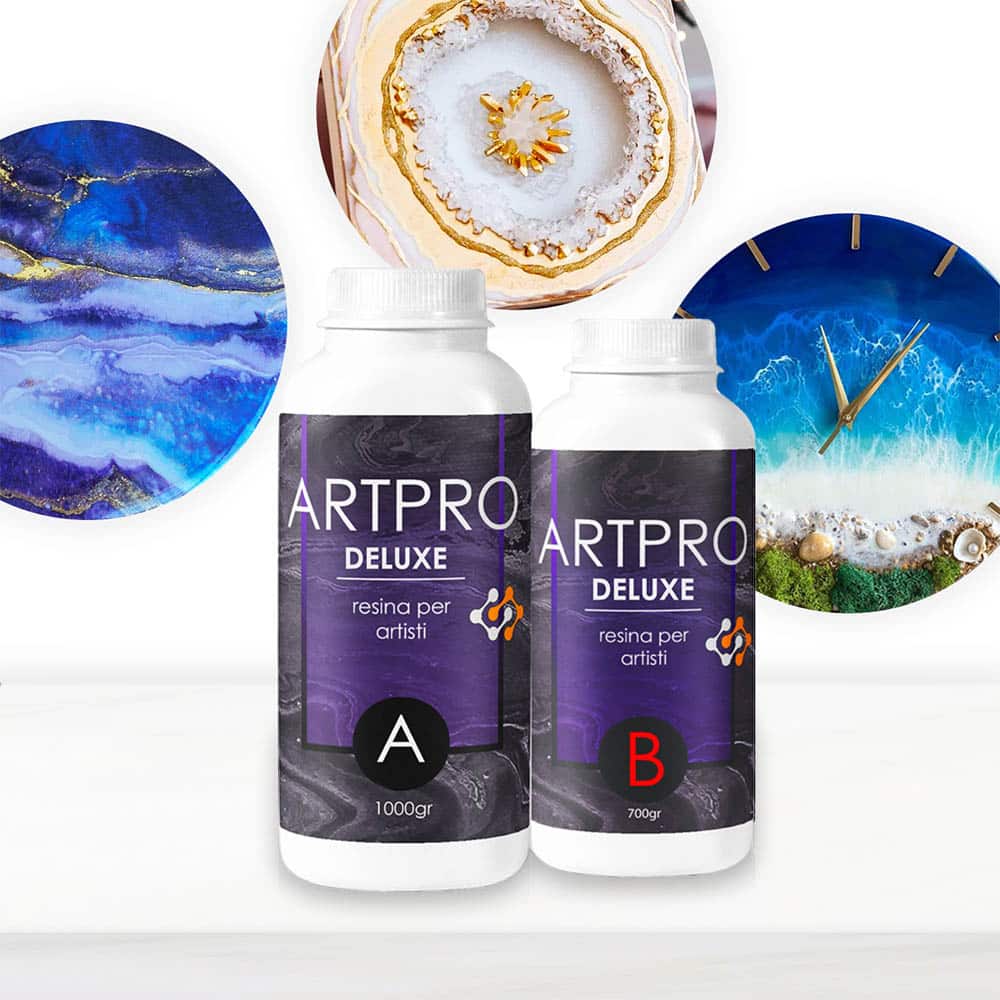
- “Art Pro Deluxe” – Ultra-High Viscosity Epoxy Resin for Artists: An ultra-high viscosity epoxy resin designed to maintain sharp lines and prevent unwanted spreading in resin artworks.
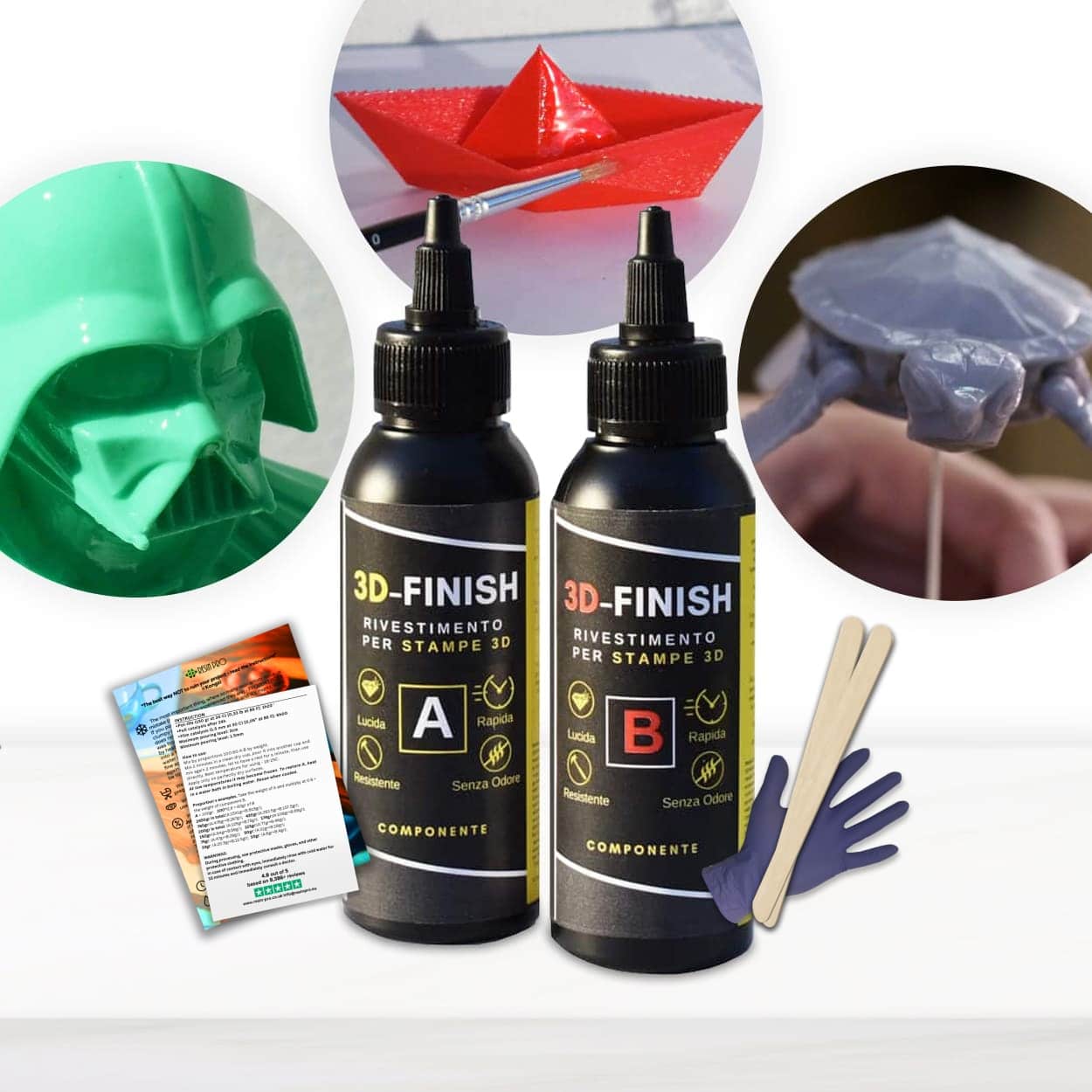
- “3D Finish” – Fast Coating Epoxy Resin for 3D Prints: A fast-curing, non-drip epoxy resin designed for coating, bonding, and repairing 3D printed models.
- “LatexPro” – Protective Liquid Latex Coating for Artists and Creative Projects: A liquid latex coating designed for artists to protect surfaces and prevent resin drips during creative projects.
- “UV–Creation” – Fast Acrylic Resin, 3 Minute UV Cure: A fast-curing, one-component UV acrylic resin suitable for jewellery makers and crafters requiring quick and clear curing.
- Cups, stirrers, gloves, protective sheeting, and painter’s tape
- UV lamp (for UV resin projects)

Visualise Clean, Drip-Free Resin Surfaces
Notice the difference with careful prep: Projects that implement barriers, edge protection, and proper layering avoid unsightly resin drips and boast a crisp, gallery-quality finish.

Step 1: Select the Right Resin and Substrate
The type of resin you choose has a significant effect on drip control. Ultra-high viscosity helps resin stay where it’s applied, especially on vertical or intricate surfaces. Some projects benefit from a fast-curing resin that sets before it can run. Your substrate—whether wood, 3D print, or open bezels—should be clean and dry. Porous surfaces may need sealing to avoid unexpected flow at the edges.
For example, Art Pro Deluxe is formulated to maintain sharp placement in fine art and helps limit unintentional drips.
Step 2: Prepare Your Workspace and Surroundings
Begin by covering your work surface with protective sheeting or craft paper. Gently elevate your project so any overflows can be managed. Protect surrounding surfaces from accidental drips—use painter’s tape along edges or masking film on the table and floor. For precise crafts, a dedicated barrier product such as LatexPro is ideal for shielding areas you want to keep resin-free.
Step 3: Control Application and Layering
Work in thin layers to maintain control. It’s easier to build up the resin gradually than to recover from a heavy-handed pour. Use popsicle sticks or spatulas to guide the resin exactly where you want it. Use purpose-made products for edge control and barrier creation, such as liquid latex for borders or to mask off fine details. For 3D prints, a non-drip coating like 3D Finish offers a formulated consistency that helps prevent flow before curing.

Step 4: Monitor and Speed Up Curing (If Appropriate)
The risk of resin dripping is highest while it remains liquid. Work in thin layers and cure promptly to limit unwanted flow. For UV-activated resin projects, curing each step immediately with a UV lamp results in controlled, drip-free layers. Products like UV–Creation cure within minutes, drastically reducing the window for drips to form.
Step 5: Remove Protective Materials and Inspect Edges
Once your resin has cured, carefully peel away any tape, latex barrier, or protective film while the edges are still slightly flexible (but not sticky). Smooth off minor irregularities with a sharp craft knife, or polish as needed after full cure. Inspect all sides to ensure a clean, drip-free finish before handling fully cured pieces.
Achieve Impeccable Results Every Time
Preventing drips is an art in itself: Precision techniques, the right resin viscosity, and protective measures combine for a flawless outcome in decorative, functional, or craft resin work.

Tips, Common Mistakes, and Troubleshooting
Always measure components accurately and stir slowly to avoid bubbles. Pouring too thickly or working in a warm room can encourage resin to flow and drip. Where sharp edges are vital, running a thin bead and letting it pre-cure before final application can help. If you do notice drips forming, use a gloved finger or a stick to guide the resin back into place before curing is complete. Drips that set can often be sanded or trimmed after full cure, though it’s best to prevent them from the outset.
- "Art Pro Deluxe" – Ultra-High Viscosity Epoxy Resin for ArtistsPrice range: £33.85 through £287.85Art Pro Deluxe offers ultra-high viscosity for precise control in resin art, suitable for preventing resin dripping in detailed artworks.
- "3D Finish" – Fast Coating Epoxy Resin for 3D PrintsPrice range: £12.85 through £18.85"3D Finish" Fast Coating Resin provides a seamless, non-drip finish suitable for enhancing the strength and appearance of 3D prints.
 "LatexPro" – Protective Liquid Latex Coating for Artists and Creative ProjectsPrice range: £10.15 through £18.85LATEXPRO provides a protective liquid latex coating designed to prevent resin drips, suitable for artists and creatives.
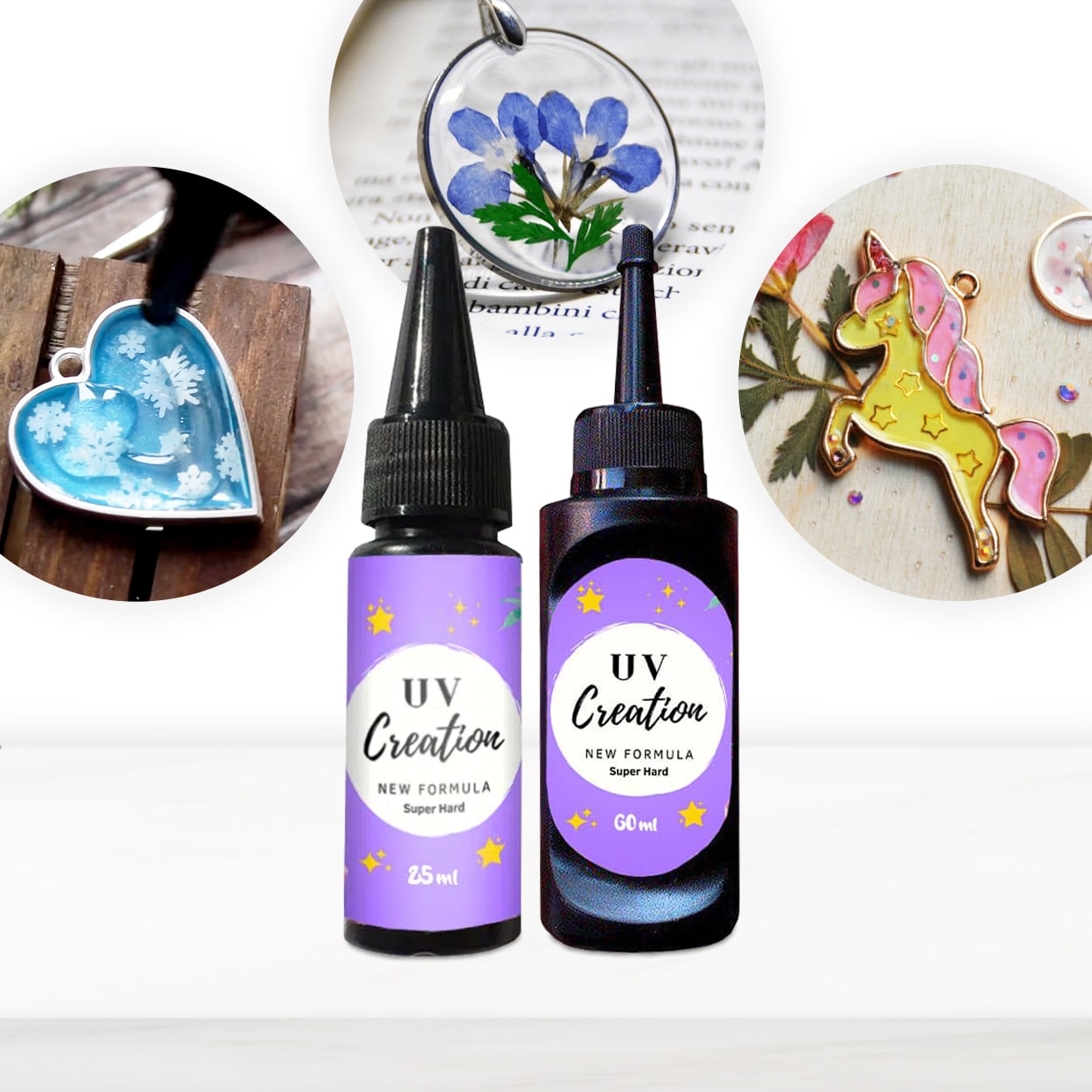 "UV–Creation" – Fast Acrylic Resin, 3 Minute UV CurePrice range: £7.85 through £59.85"UV–Creation" offers a ready-to-use UV acrylic resin designed for jewellery and craft projects with fast curing and clear glossy finish.
Frequently Asked Questions
How do I stop resin from dripping off edges?
Work in thin layers, mask edges with tape or a liquid barrier, and use high-viscosity or fast-curing resins to keep resin in place.
Which resin type works best for drip prevention?
Ultra-high viscosity or quick-setting resins help prevent unwanted drips, as they limit flow and cure quickly after application.
Why does resin drip and overflow during projects?
Excess quantity, sloped surfaces, or low-viscosity formulas often cause resin to run; careful application and edge barriers help prevent this.
Will a latex barrier protect my table from resin?
Yes, protective latex like LatexPro forms a peelable shield, stopping drips from reaching your workbench or surrounding areas.
Can I fix resin drips after they have cured?
Yes, cured resin drips can be trimmed or sanded away once fully set. Take care to avoid damaging your main surface during this process.
Are UV resins or epoxies better for drip control?
UV resins cure almost instantly with a lamp, reducing the risk of drips, while high-viscosity epoxies are less likely to flow over edges before cure.
Must I seal porous surfaces before using resin?
Yes, sealing porous substrates helps prevent uncontrolled resin absorption and flow, resulting in a neater resin edge.