 Free shipping on orders over £29,85
  Shipping Tracking!


 Google
 Facebook
← Back to How to prevent resin from dripping from?
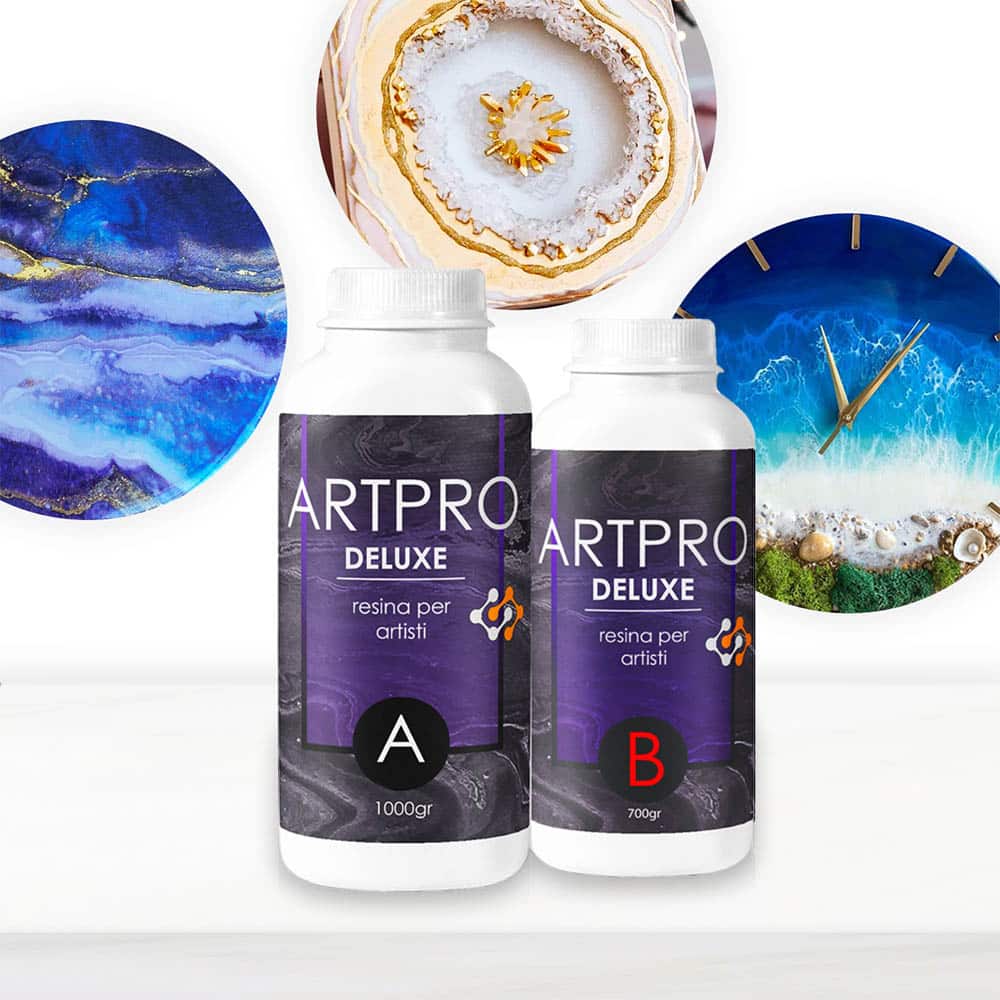
Achieving crisp, professional results with resin starts long before you mix and pour. Whether you’re working with wood, canvas, concrete, or other uncoated materials, sealing porous surfaces is a vital step to avoid unexpected results and wasted resin.
Why Sealing Matters
Porous surfaces, such as raw wood or unprimed canvas, readily absorb liquids—including resin. If left unsealed, resin can soak in unevenly, leading to dull spots, cloudy edges, and irregular flow. This absorption not only wastes material but also makes it difficult to maintain sharp lines and a consistent, glassy finish. Sealing acts as a barrier, keeping resin on the surface where you want it, ensuring an even layer and precise edges.
How to Properly Seal Your Surface
Begin by ensuring your surface is clean and dry. Apply a suitable sealer—this could be a clear-drying glue, specialised primer, or a thin layer of resin itself. Allow the sealer to cure fully before proceeding with your main resin layer. This step prevents unwanted absorption and helps your design remain crisp and vibrant. For detailed works, using an ultra-high viscosity resin such as Art Pro Deluxe can further minimise unwanted flow, making it easier to control the outcome.
When This Matters Most
Sealing is particularly important for projects demanding precise control: resin art with intricate patterns, geode designs, tabletops, and any piece where the clarity and sharpness of the finish is key. Neglecting to seal can allow colourants or resin to bleed unpredictably—something best avoided for gallery-quality results.
Related products
Related guides
Taking the time to seal porous substrates sets the foundation for tidy edges and flawless finishes. For further tips on stopping resin drips and working cleanly, explore our main guide: how to prevent resin from dripping from surfaces.