 Free shipping on orders over £29,85
  Shipping Tracking!


 Google
 Facebook
How to renew the walls and floors of the home with resin?
Practical steps for lasting, modern home surfaces
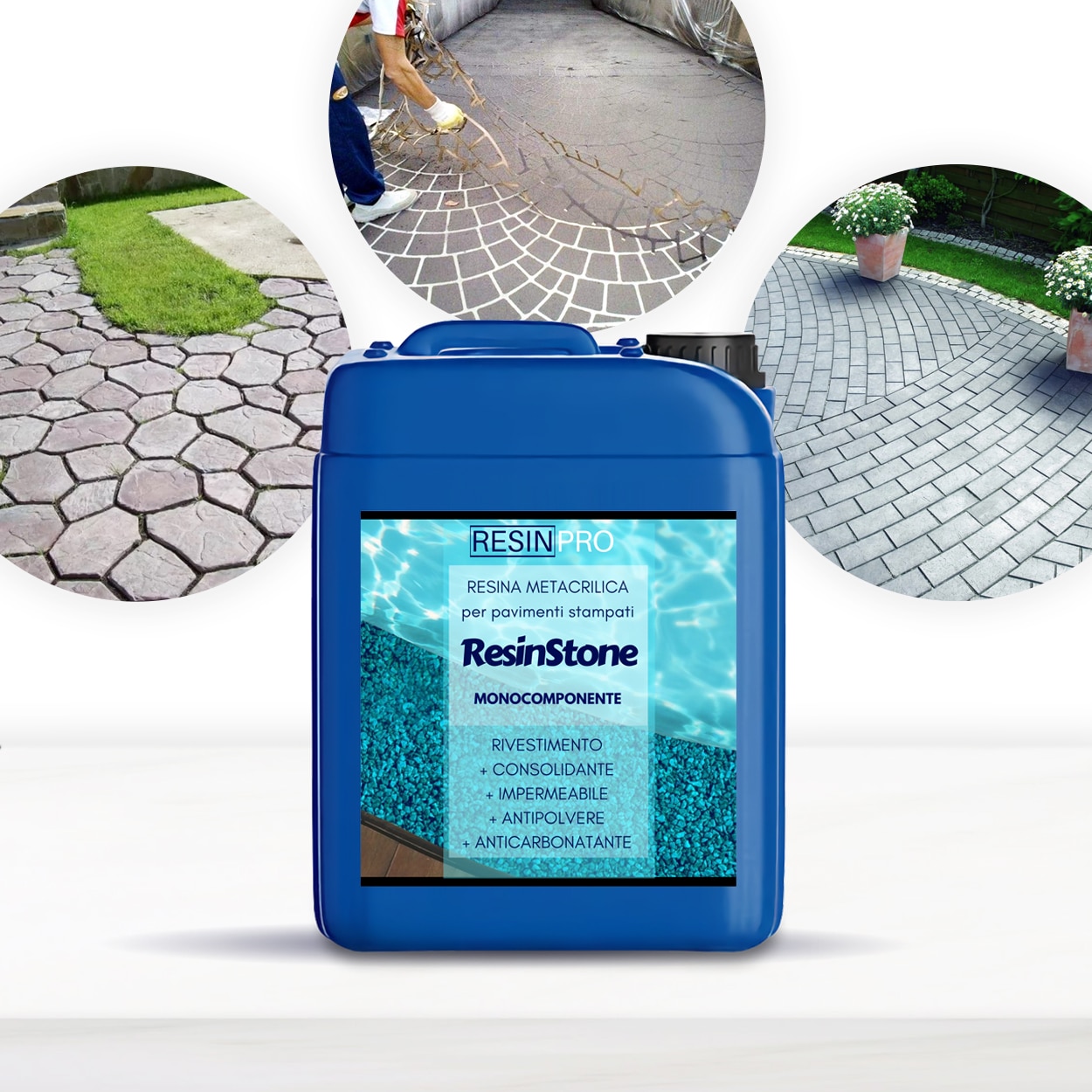
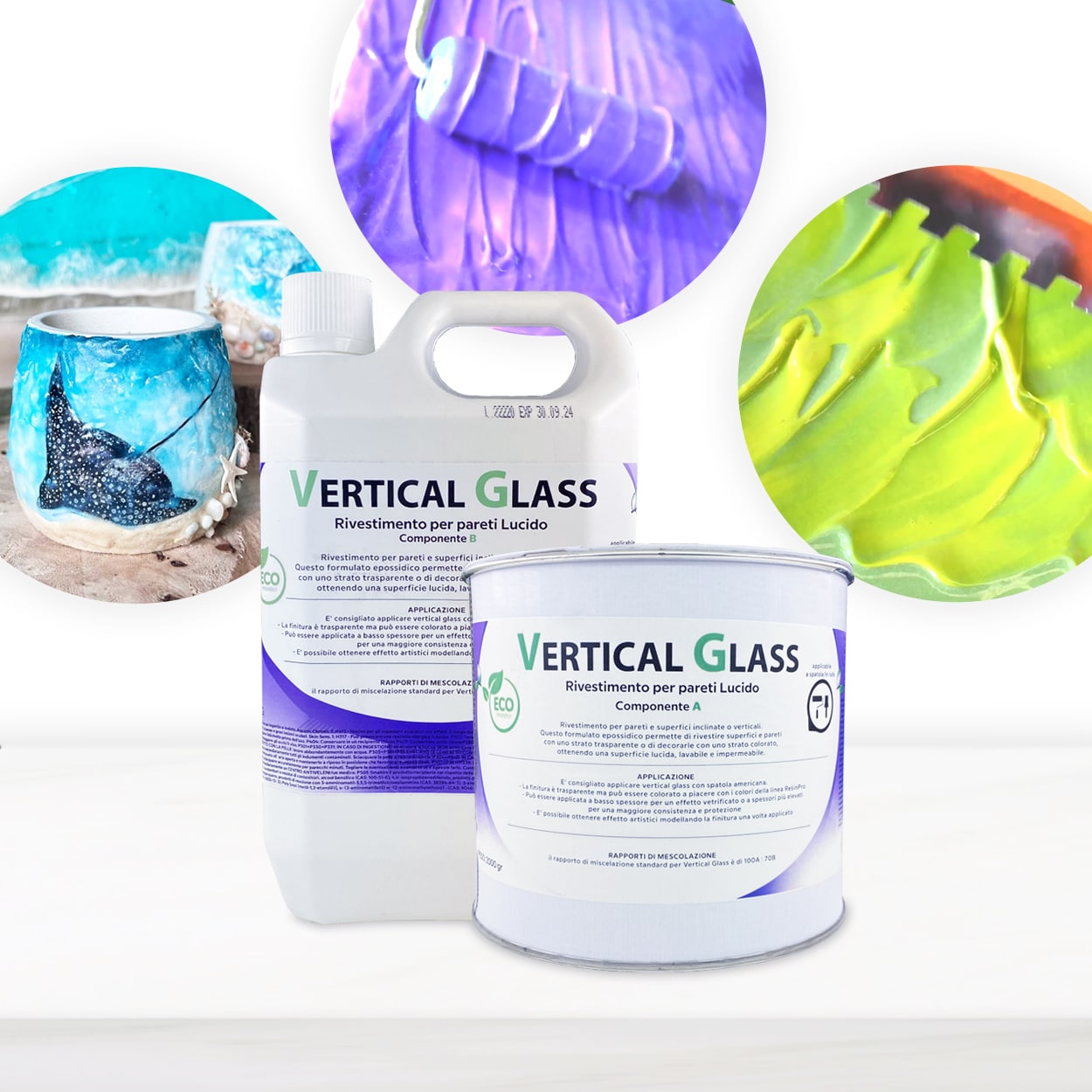
Refreshing the look of your home is both achievable and practical with resin systems. Whether you wish to seal and protect old floors or transform plain walls into durable decorative features, resin can offer a long-lasting and personal touch to interior and exterior spaces. This guide takes you through the essential steps to successfully renew your walls and floors, ensuring robust, attractive results.
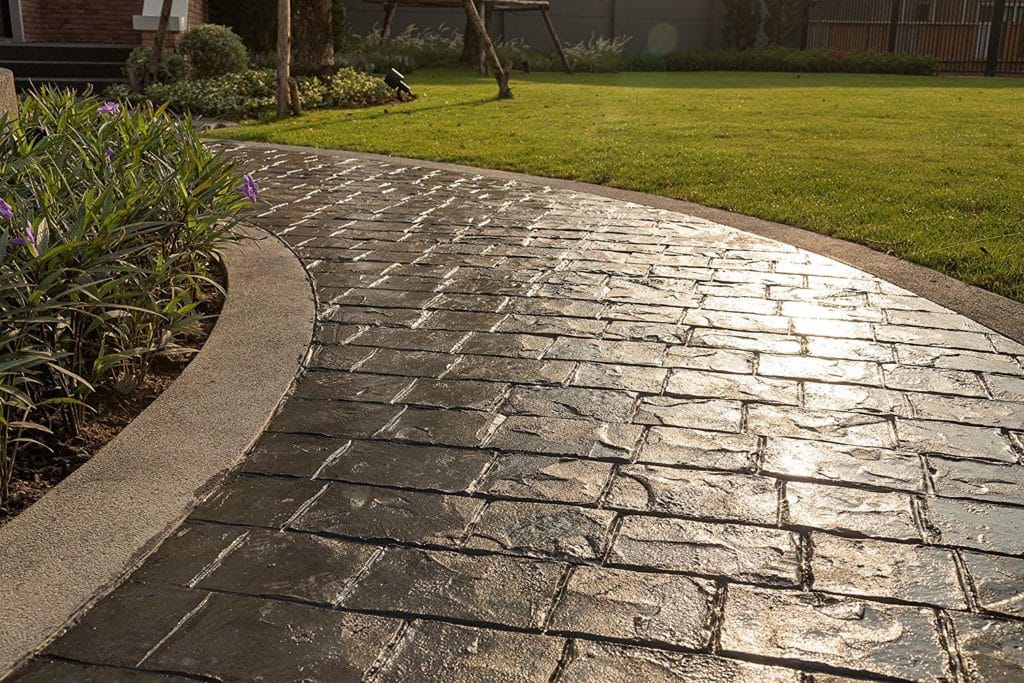
What You’ll Need
- “Resinstone” – One-Component Methacrylic Resin for Concrete Floors and Driveways – For sealing and protecting concrete floors and driveways.
- “Vertical Glass” – Thick Resin Decorative Wall Coating – For decorative, durable wall finishes on vertical or sloping surfaces.
- “Flowstone” – Complete Permeable Floor Kit with Pebbles and Resin – For permeable, joint-free outdoor flooring with a decorative natural stone look.
- “Epoxyprimer” – Universal Water-Based Two-Component Epoxy Floor Primer – For preparing concrete, tiles, screed, or timber floors for epoxy coatings.
- Tools: masking tape, safety gloves, protective clothing, sander or sanding block, clean roller, spatula, and mixing bucket.

Step-by-step visuals for resin renewal
See close-up examples of properly prepared surfaces, priming, and resin being spread on floors and walls. Visual guides demonstrate the transformation process and key technical stages.
Step 1: Assess and Prepare All Surfaces
Start by evaluating the condition of your walls or floors. Remove any dust, grease, or loose material, as insufficient cleaning can cause poor adhesion and visible defects in the final finish. On floors, repair structural cracks and ensure the substrate is dry, stable, and as even as possible. For walls, remove flaking paint or tiles, and fill holes or imperfections. Sand glossy surfaces gently to promote mechanical grip.
Wear gloves and adequate protective clothing. Ventilation is important for safety.
Thorough preparation lays the foundation for success, especially where high traffic or exposure to water is expected.
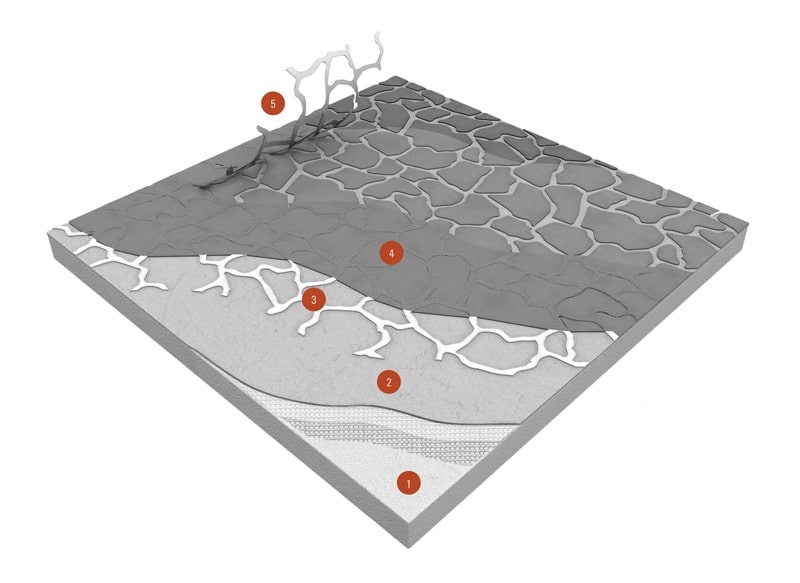
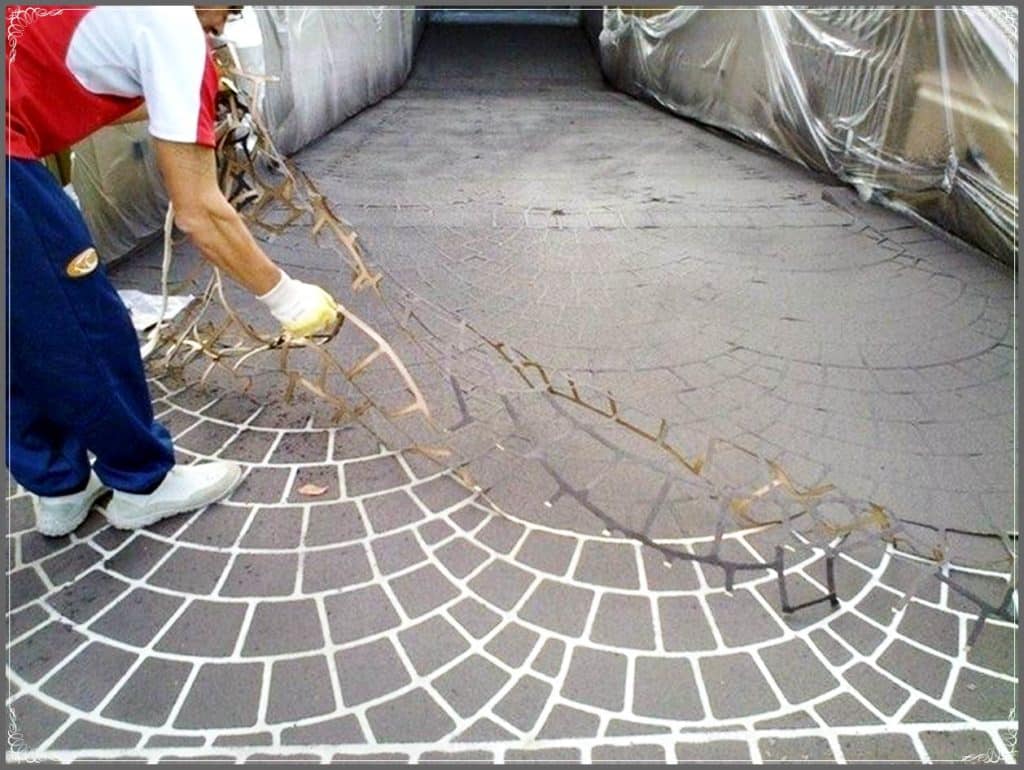
Step 2: Prime the Surface (Where Required)
Priming helps bond the new resin coating to the existing surface, preventing delamination and improving durability. For most concrete, tile, or timber floors, apply a dedicated floor primer according to instruction. Use a clean roller or brush and aim for even coverage without pooling or bare spots.
When priming floors prior to resin application, “Epoxyprimer” – Universal Water-Based Two-Component Epoxy Floor Primer offers reliable adhesion and is suitable for a range of substrates. Allow primer to cure fully as per manufacturer guidance before proceeding.
Step 3: Apply the Resin System
Once primed and dry, you can apply your chosen resin system. On floors, options such as “Resinstone” – One-Component Methacrylic Resin for Concrete Floors and Driveways provide simple roll-on waterproofing and deep-sealing for long-term protection. For outdoor areas in need of drainage or decorative renewal, a kit like “Flowstone” – Complete Permeable Floor Kit with Pebbles and Resin enables the creation of attractive, permeable paths or patios.
If working on vertical surfaces, “Vertical Glass” – Thick Resin Decorative Wall Coating can be applied with a spatula for creative finishes and robust moisture protection. Follow the product mixing ratios and application techniques closely. Work in small sections to control the thickness and appearance, and take care to avoid drips or bubbles.
Step 4: Curing, Inspection, and Finishing Touches
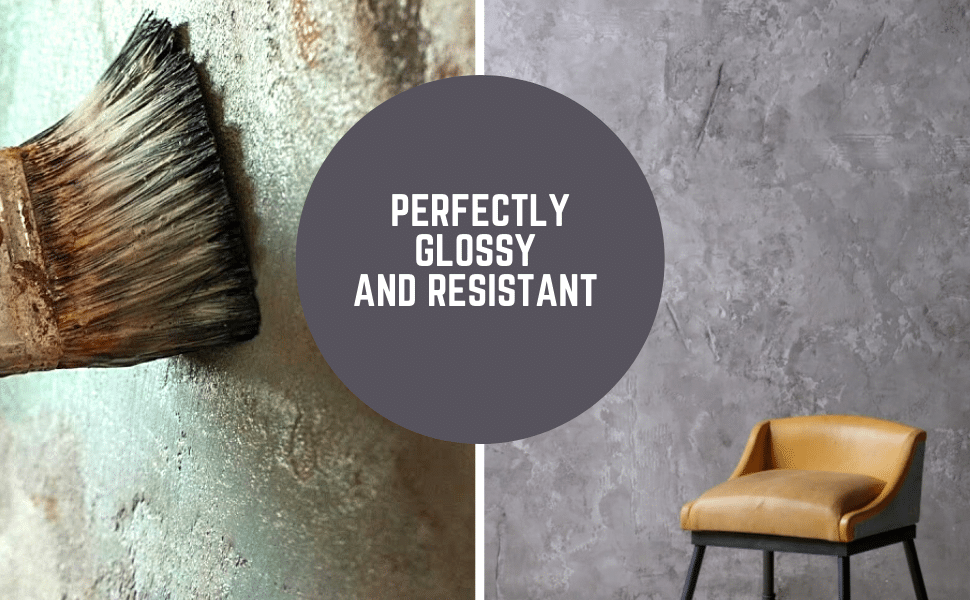
After application, protect the area from dust and accidental contact for the full recommended curing period—this may range from 12 hours to 48 hours depending on temperature, humidity, and the chosen resin. Once cured, inspect for uniformity, and carefully sand or touch up as instructed for your system. For wall coatings, sanding can soften reflections or increase the satin effect if desired.
Do not place furniture, rugs, or other heavy items until full cure is reached. Proper finishing ensures longevity, especially in high-usage or outdoor zones.
Tips and Common Mistakes
Thorough surface preparation is crucial for lasting results. Skipping or rushing cleaning and priming can lead to poor adhesion and early failure. Read all manufacturer guidelines before application. Environmental factors, such as humidity and temperature, significantly affect curing and performance. Test resin on a small hidden area first. This checks compatibility and ensures you’re happy with the final finish and colour.
Avoid over-application, which can cause sagging, running, or slow curing. Allow ample drying and curing time. Rushed projects often show defects later. Always use personal protection, and work in ventilated areas for safety.
Real-world before and after examples
Browse real transformations showing floors and walls renewed with resin, including waterproof outdoor paths, revitalised drives, and stylish interior walls. Get inspiration for your next project.
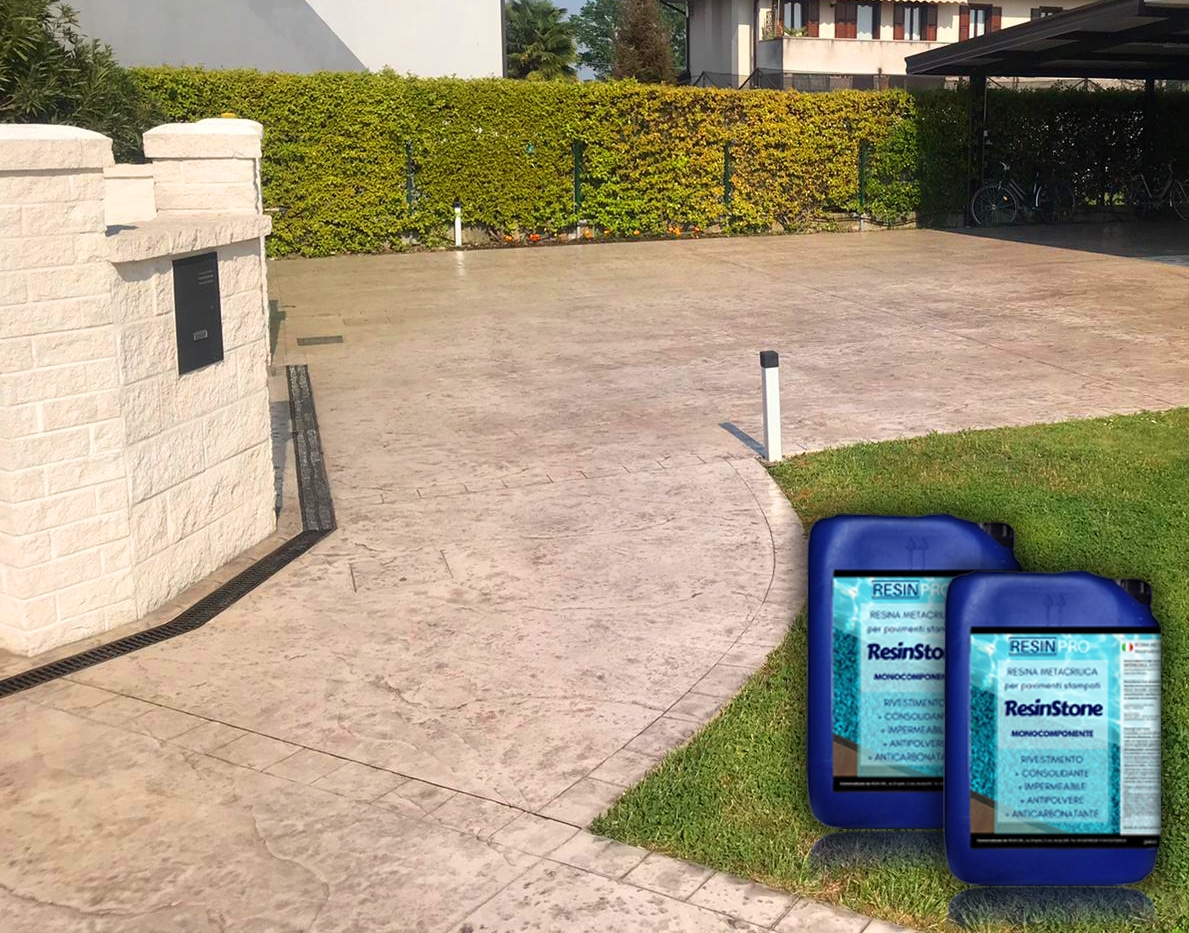
- "Resinstone" – One-Component Methacrylic Resin for Concrete Floors and DrivewaysPrice range: £36.71 through £336.48Resinstone is a one-component methacrylic resin designed to seal and protect concrete floors and driveways with durable, waterproof, and quick-drying…
- "Vertical Glass" – Thick Resin Decorative Wall CoatingPrice range: £78.95 through £188.95Vertical Glass offers customisable, durable coating suitable for vertical and sloping surfaces in residential and commercial interiors.
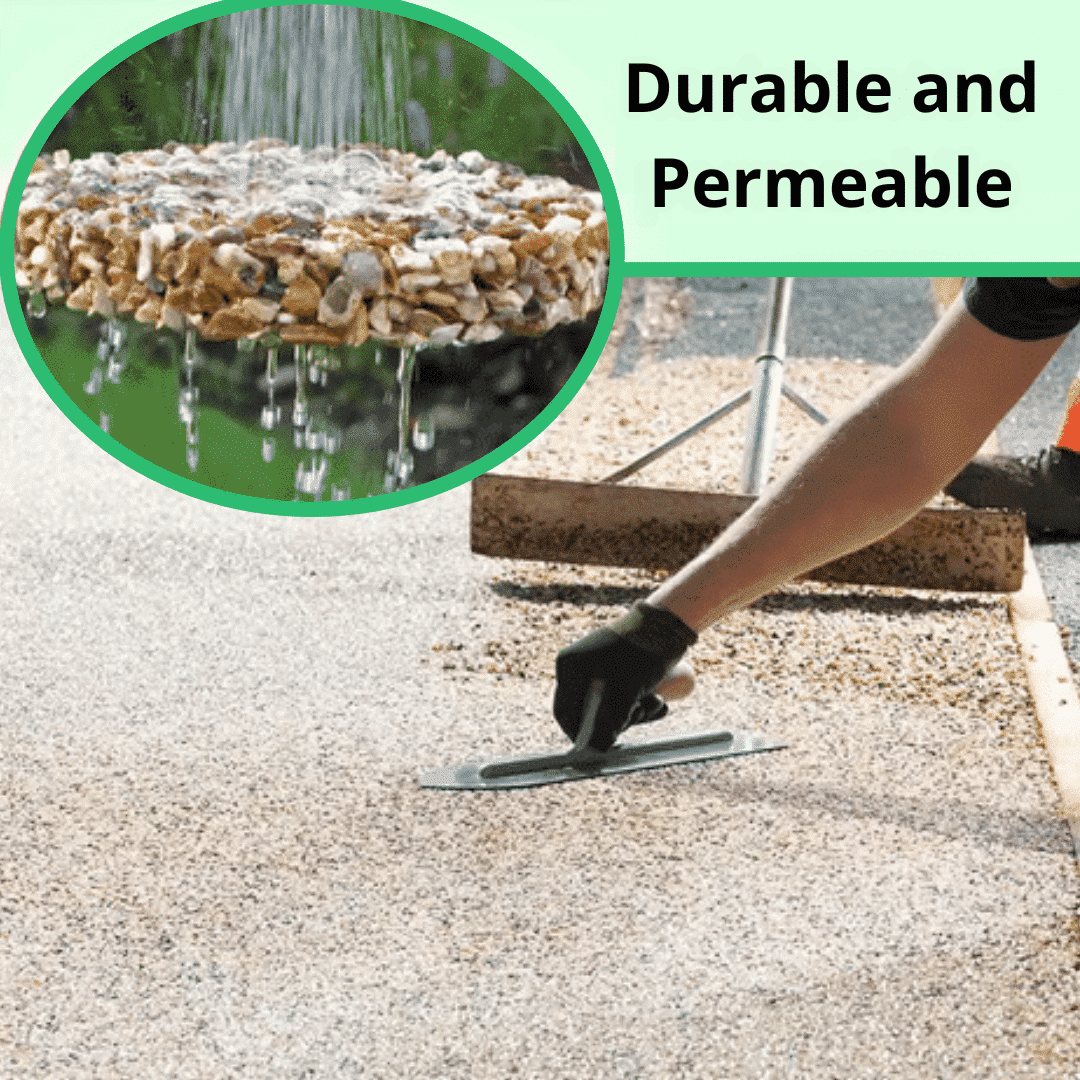 "Flowstone" – Complete Permeable Floor Kit with Pebbles and ResinPrice range: £49.95 through £3,915.45"Flowstone" kit provides a durable, permeable pebble and resin system for renewing outdoor floors with simple application and customisable finishes.
 "Epoxyprimer" – Universal Water-Based Two-Component Epoxy Floor PrimerPrice range: £156.45 through £286.45Epoxyprimer is a water-based two-component primer designed for reliable adhesion on various floor surfaces.
Frequently Asked Questions
Is resin safe for indoor application at home?
When used as directed and with proper ventilation, resin coatings designated for indoor use are safe after full curing.
What surfaces can be renewed with resin systems?
Most resin products can be used on floors, tiles, cement, timber, and walls when correctly prepared and primed.
How long should I wait before walking on floors or touching walls after applying resin?
Wait for the full curing period—typically 12 to 48 hours—before regular use. Times vary by product and climate.
Can I apply resin coatings myself or do I need a professional?
Most resin renewal projects are DIY-friendly with clear instructions. More complex work may benefit from professional input.
How can I prevent bubbles and other surface defects in resin finishes?
Apply resin in thin, even layers and ensure surfaces are clean and dry before starting. Avoid working in very humid or dusty conditions.
Is resin suitable for use outdoors on patios, paths, or drives?
Yes, dedicated resin systems can protect and revitalise outdoor surfaces, providing weather resistance and decorative appeal.