 Free shipping on orders over £29,85
  Shipping Tracking!


 Google
 Facebook
How to Repair a Sink with Epoxy Resin?
Step-by-step guide for seamless sink chip and crack repair


If your sink has suffered chips, cracks or small holes, you can often restore its looks and watertightness using reliable epoxy resin. This guide walks you through every step to achieve a robust, discreet repair—ideal for sinks made of ceramics, porcelain, metal or composite materials. With care, you’ll achieve results that combine durability and an even finish for everyday use.

What You’ll Need
- “FixExpress” – Two-Component Epoxy Glue 500g: Two-part adhesive for rapid, strong repairs.
- “Klebfix” – Two-Component Fast Epoxy Glue 2K, 25g Syringe: Suitable for tricky, smaller repairs that need precise application.
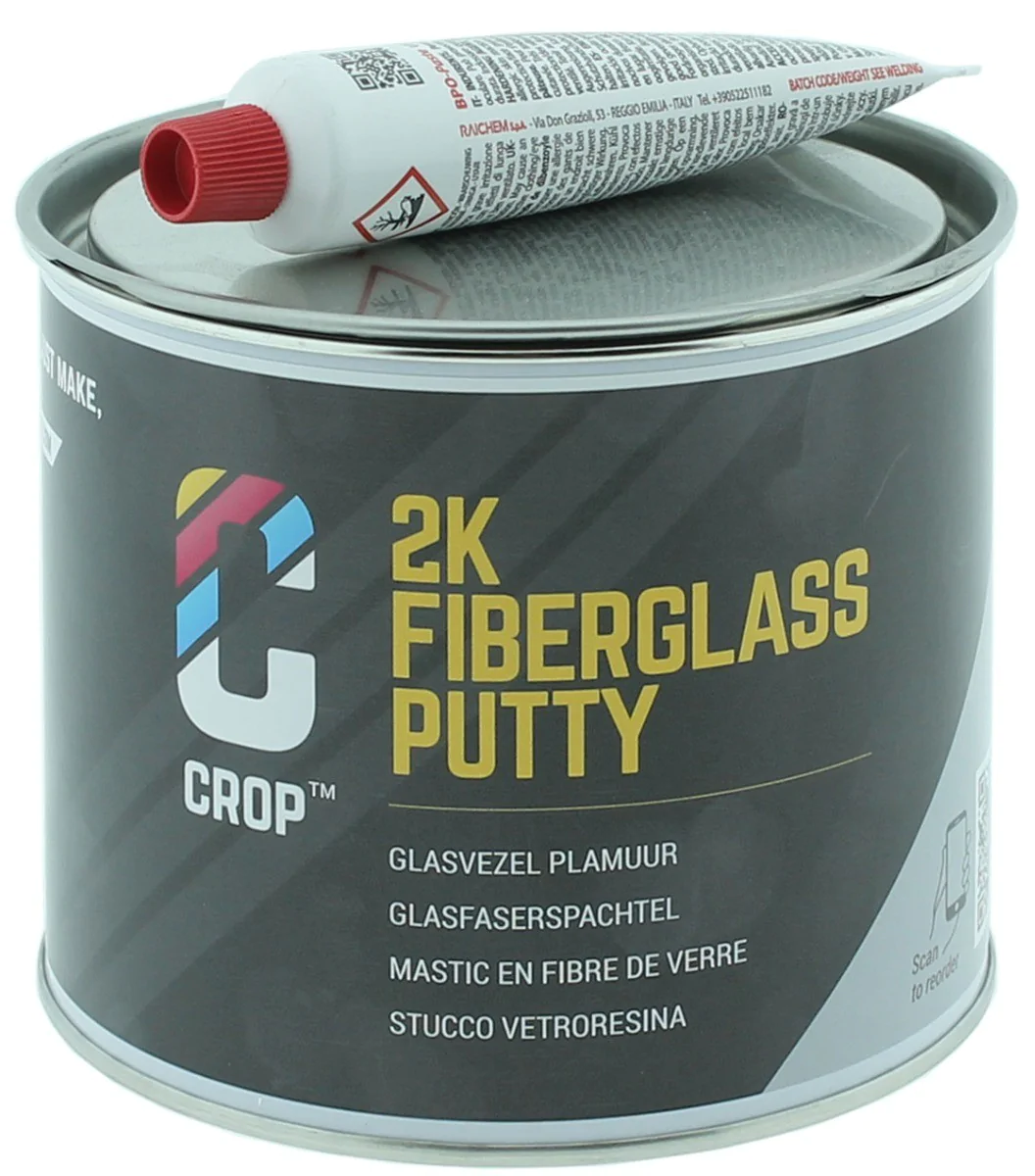
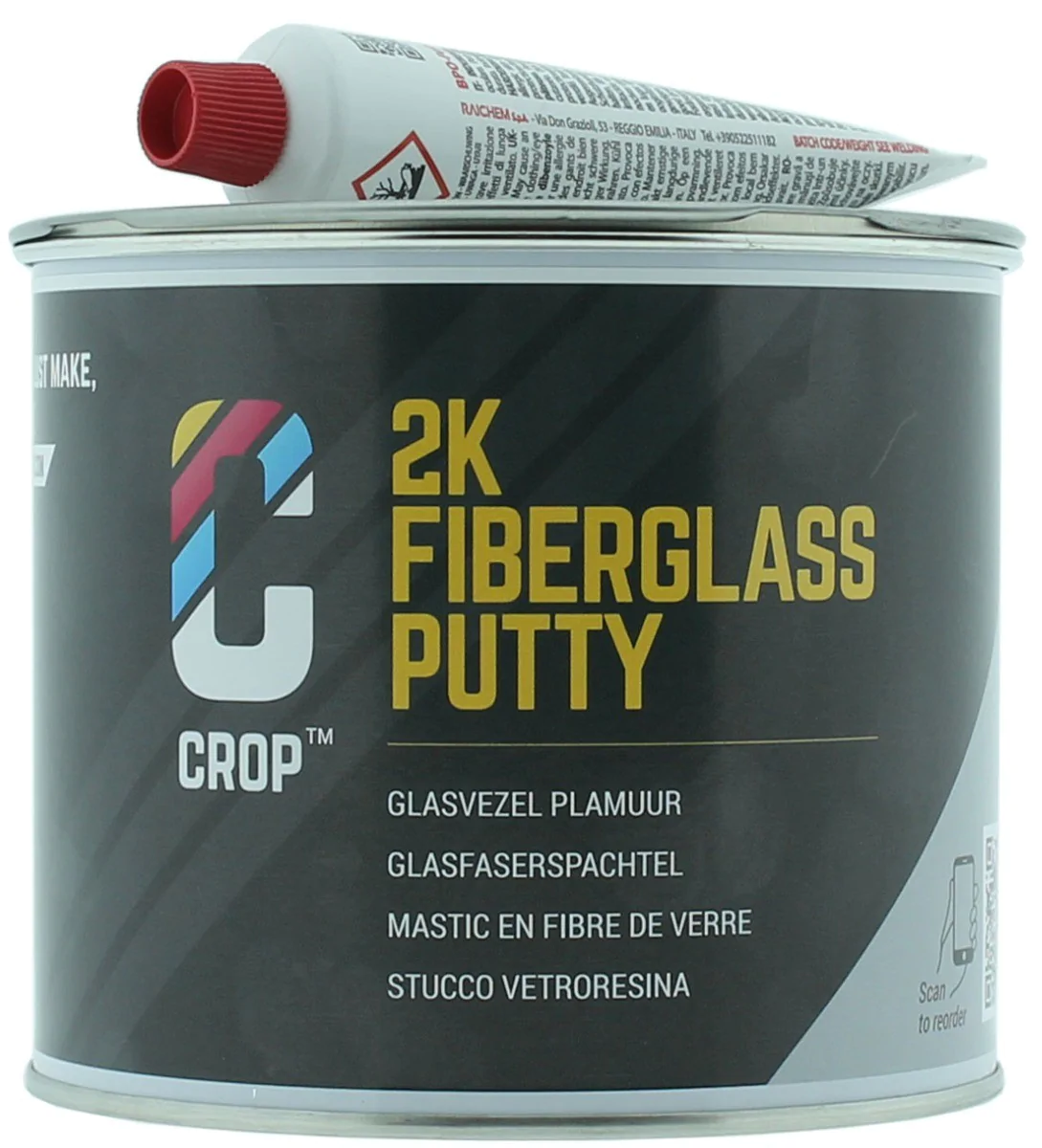
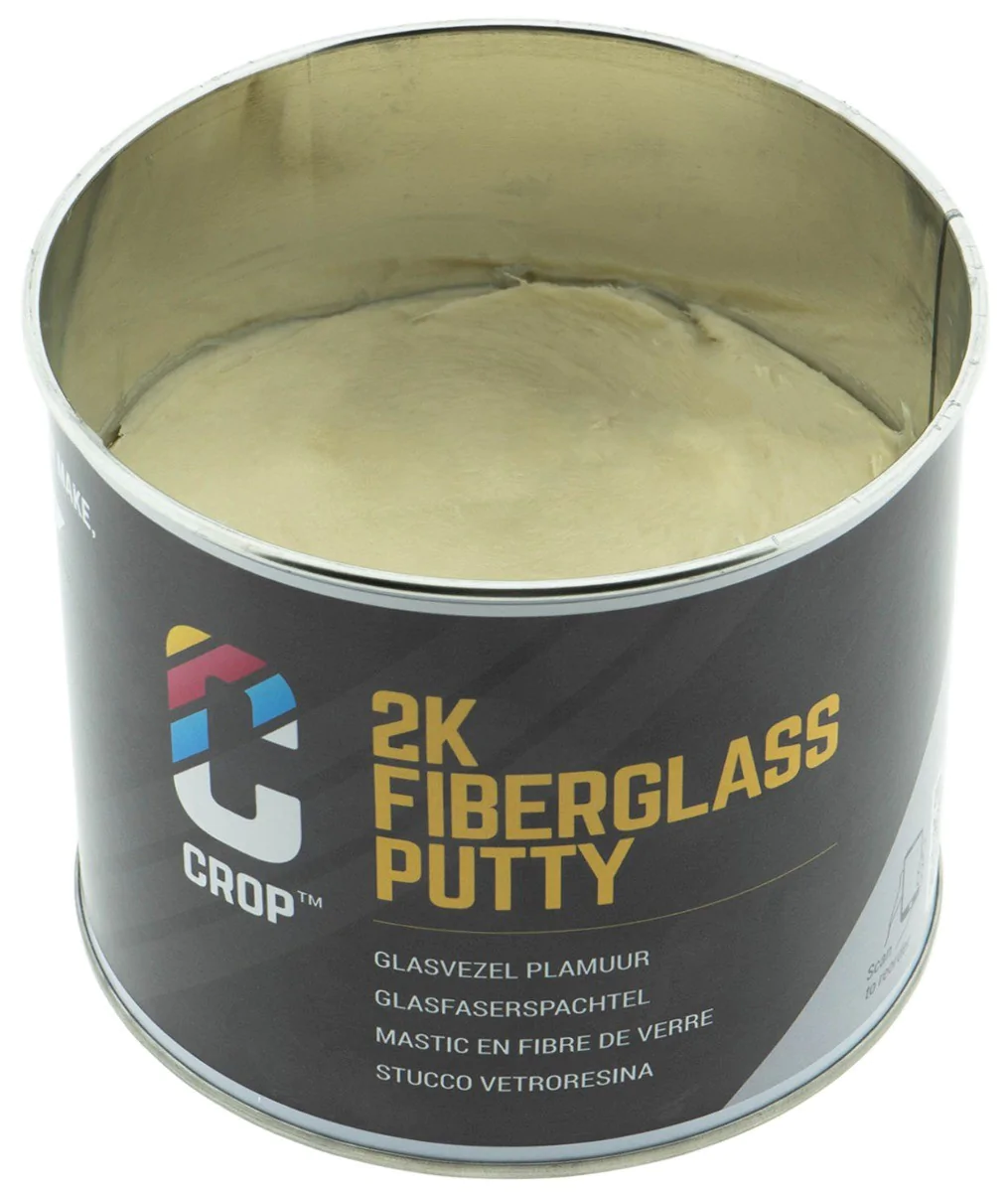
- CROP 2K Fiberglass Putty – 750 ml + Hardener: Use for filling larger cracks, deep chips, or for additional structural strength.
- “EpoxyFood” – Certified Clear Food Contact Epoxy Resin for Coating: Ideal for top-coating areas with food safety in mind or for a seamless clear finish on kitchen sinks.
- Fine sandpaper (400–1000 grit), masking tape, disposable gloves, mixing sticks, small spatula or filler knife, and a clean cloth.

Choose the Right Product for Optimal Results
Selecting the correct repair material ensures a strong, invisible fix. Quick-set epoxy glue is ideal for small chips and cracks, while fibreglass-reinforced putty fills deeper damage. For a seamless, food-safe finish, top-coat with a certified clear epoxy.
Step 1: Clean and Prepare the Damaged Area
Begin by thoroughly cleaning the entire sink area, focusing on the damaged region. Remove soap residues, mineral deposits and any loose debris using a mild cleaner and a non-abrasive cloth. For stubborn stains or limescale, use a gentle abrasive pad—but avoid further damaging the surface. Allow the area to dry completely before proceeding to the next step, as any residual moisture can compromise the repair.
Mask off the area surrounding the chip or crack with tape to protect from accidental resin spill or sanding. This makes for a tidier, more professional final result and less clean-up.
Step 2: Mix and Apply Epoxy or Putty to Fill Chips and Cracks
Next, select the most suitable product based on the type of damage. For smaller chips or fine cracks in ceramics or metal, “FixExpress” – Two-Component Epoxy Glue 500g delivers rapid bonding and durability. In deeper cracks or larger cavities (especially if reinforcement is required), CROP 2K Fiberglass Putty – 750 ml + Hardener offers extra mechanical strength and is easy to shape before curing.
Mix the components according to instructions, using equal parts for two-component products. Only prepare as much as you can use within a few minutes. Carefully press the mixed epoxy or putty into the damage, using a spatula or applicator to eliminate bubbles or voids. Smooth the surface so it sits slightly proud of its surroundings; this allows for sanding flush after curing.
Step 3: Let the Repair Cure Fully
Epoxy resins and putties typically harden within 5–30 minutes, but always refer to product guidelines for full curing times. For example, high-strength bonds from “FixExpress” – Two-Component Epoxy Glue 500g will set rapidly, but should still be left several hours for maximum strength before any heavy use. Avoid exposing the repair to water, cleaning agents, or mechanical strain during this time.
Patience here results in a long-lasting, resilient repair. Tack-free handling is not the same as full cure—wait for the recommended period before further sanding or using the sink as normal.

Step 4: Sand and Finish the Repair Smoothly
Once the repair has cured completely, gently sand the filled area with fine sandpaper (400 to 1000 grit) until it is level with the original sink surface. Take care to avoid scratching glossy ceramic or enamel finishes nearby. Remove any dust with a damp cloth.
If your sink is frequently in contact with food or you desire a clear, seamless coat, a protective application of “EpoxyFood” – Certified Clear Food Contact Epoxy Resin for Coating can be used. This final layer helps even out the appearance and provides a durable, food-safe, water-resistant finish for kitchen sinks.
Tips, Common Mistakes & Troubleshooting
- Ensure surfaces are completely dry before applying resins to prevent adhesion issues or cloudiness.
- Mix epoxy thoroughly and accurately for the strongest bond; unmixed spots may remain sticky or weak.
- Sand with care to avoid damaging the surrounding finish. Use masking tape and ultra-fine grit if possible.
- Allow full curing time before heavy use or water exposure—rushing this step risks premature failure.
- If the repair appears cloudy, re-clean and ensure the surface was moisture-free before reapplying.

Before and After Sink Repairs with Epoxy Resin
Notice the transformation: once chips and cracks are filled, sanded, and sealed, your sink regains both function and appearance. With careful application and proper products, repairs blend seamlessly with the original surface, extending your sink’s life and usability.

- "FixExpress" – Two-Component Epoxy Glue 500g£26.95FIX EXPRESS glue delivers rapid 5-minute repairs with strong adhesion for diverse materials in repair projects.
- "Klebfix" – Two-Component Fast Epoxy Glue 2K, 25g Syringe£24.00"Klebfix" is a two-component epoxy glue designed for strong, fast bonding of multiple materials with a practical dosing syringe.
- CROP 2K Fiberglass Putty – 750 ml + Hardener£15.85CROP 2K Fiberglass Putty is suitable for bodywork repairs and filling deep cracks and dents, fitting the theme of sink repair with epoxy resin.
- "EpoxyFood" – Certified Clear Food Contact Epoxy Resin for CoatingPrice range: £20.95 through £146.95EpoxyFood offers a certified food-safe transparent resin suitable for coating kitchenware with a clear, gloss finish.
Frequently Asked Questions
Can I repair all sink types using epoxy resin?
Epoxy is suitable for most ceramics, composite, and metal sinks. Always check surface compatibility and prepare the area thoroughly before application.
Is epoxy resin food safe for kitchen sinks?
Some epoxies, like EpoxyFood, are certified safe for food contact once cured. Standard variants may not be food safe—always choose products with relevant certification.
How long should an epoxy repair cure before use?
Wait until the epoxy is fully cured as per instructions—usually several hours to 24 hours—before exposing the area to water or heavy use.
Can I sand and paint over epoxy sink repairs?
Yes, cured epoxy can be gently sanded smooth and, if required, painted. Use paints compatible with epoxies for best adhesion and durability.
What should I do if the repair feels sticky after curing?
Sticky repairs usually result from incorrect mixing or incomplete curing. Remove soft areas, clean thoroughly, and repeat the process with careful measuring.
Can epoxy resin fill large holes in a sink?
Large holes or deep cavities are best repaired with a reinforced product like fibreglass putty, which offers greater mechanical stability.