 Free shipping on orders over £29,85
  Shipping Tracking!


 Google
 Facebook
How to repair outdoor resin tiles?
Restore durability and aesthetics to exterior resin tiles
Repairing damaged outdoor resin tiles keeps your space safe and attractive, while improving the longevity of your surface. This guide walks you through the essential steps to restore resin-bound tiles—no specialist experience required, just the right preparation and method.
What You’ll Need
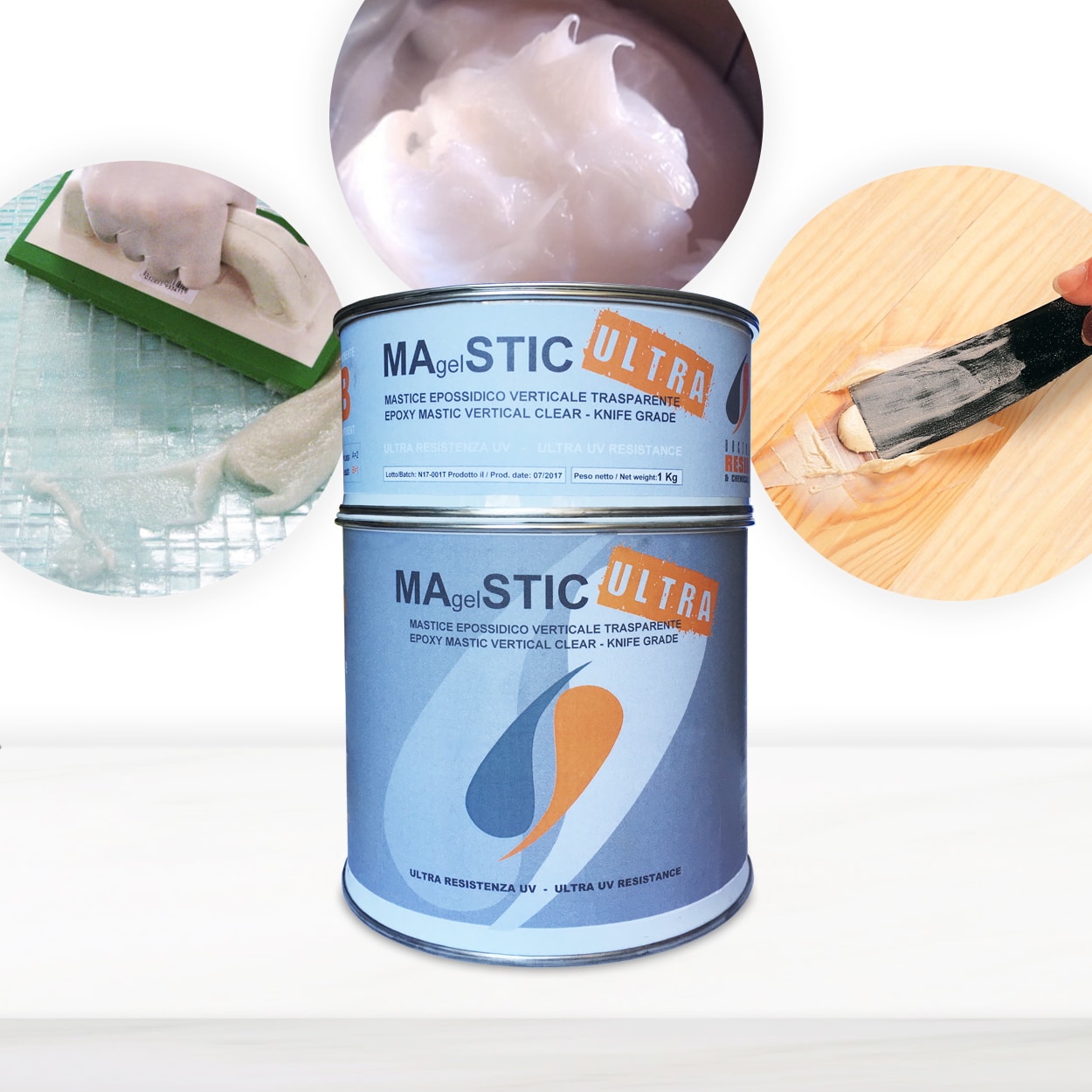
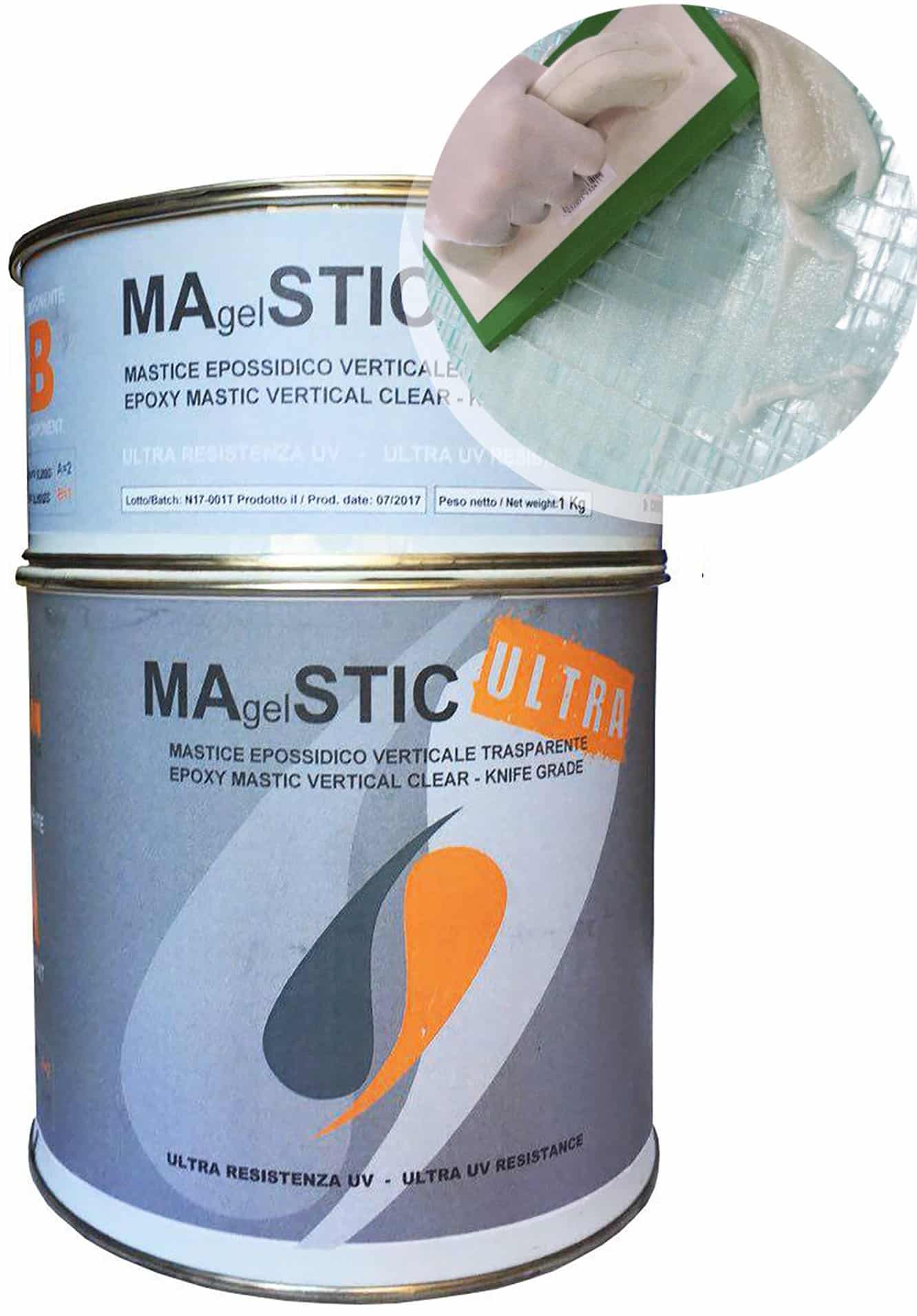
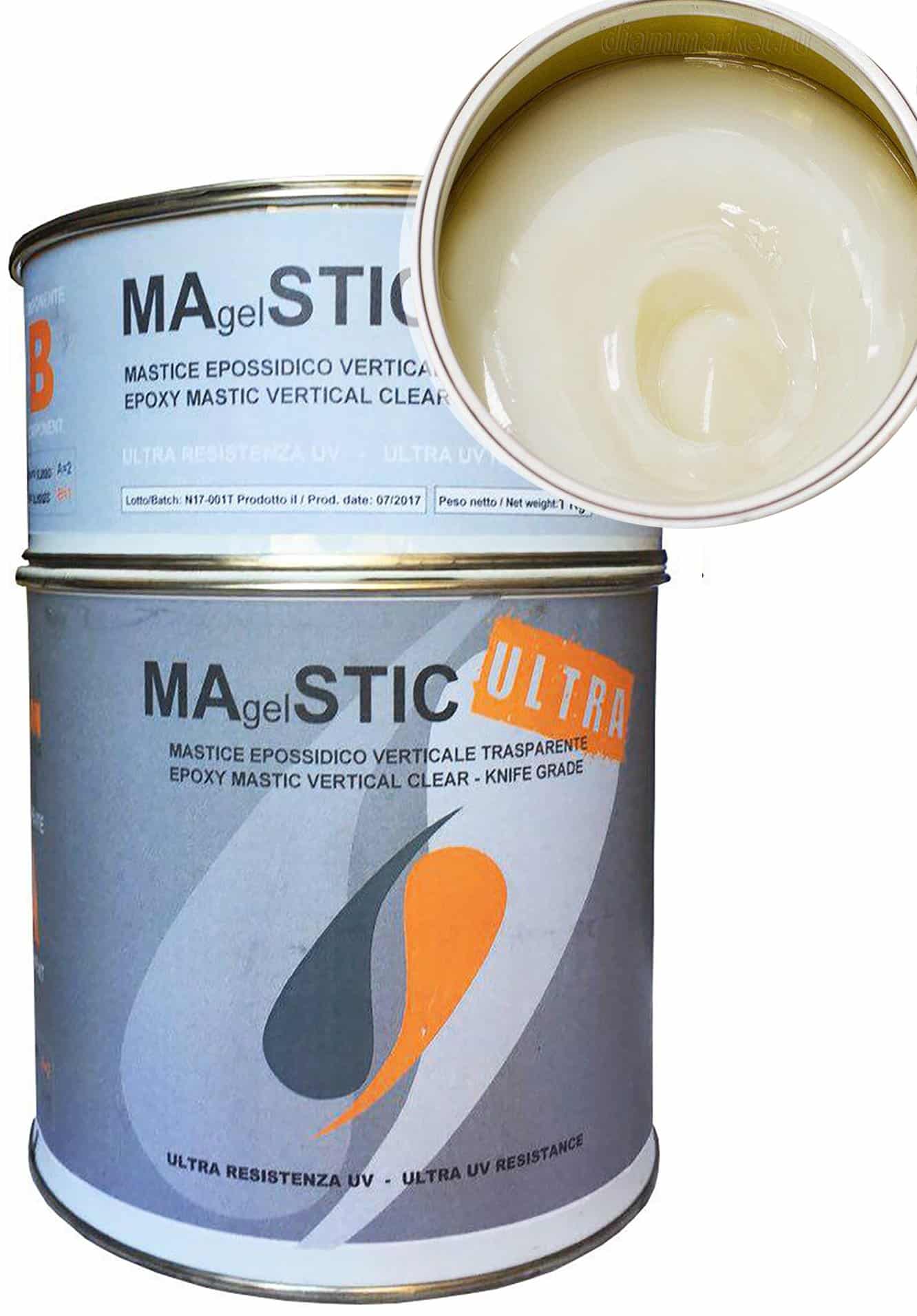
- “Magelstick” – Epoxy Mastic for Stone, Metal, and Cement Bonding and Grouting – For strong repairs and filling gaps
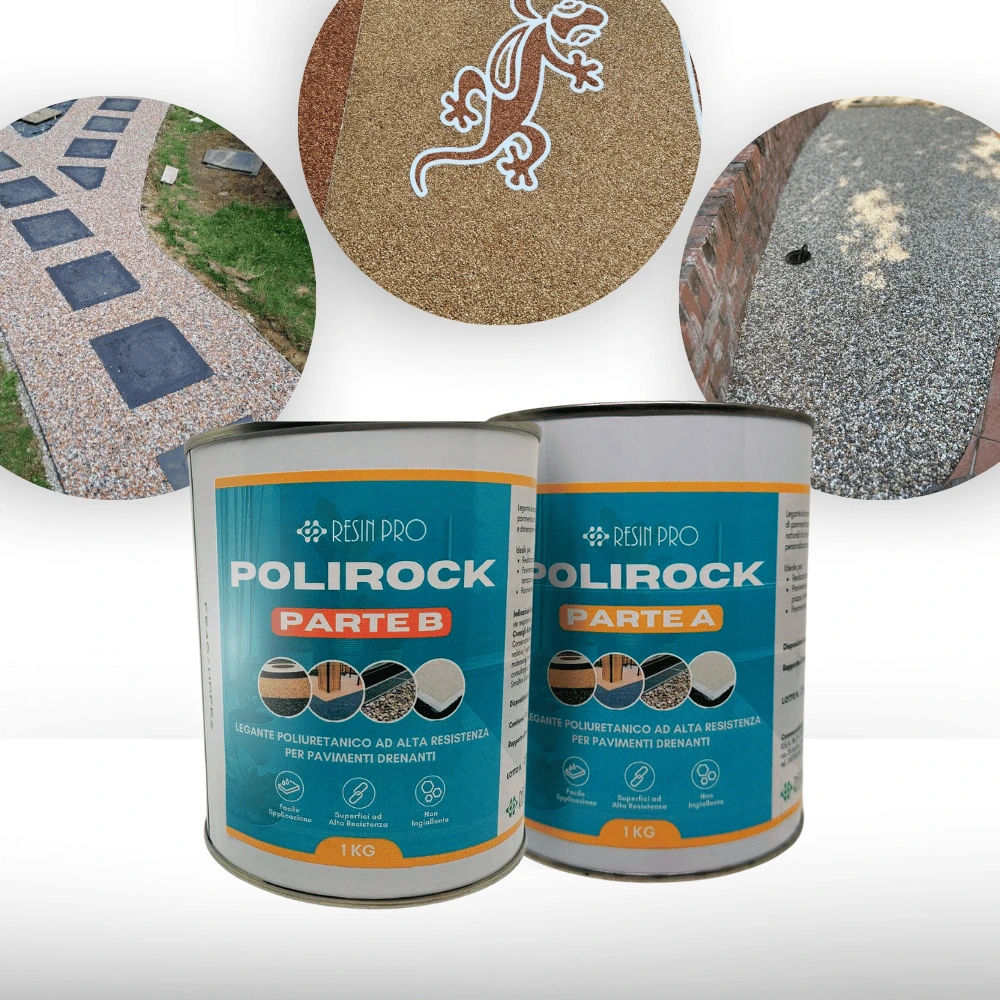
- “Polirock” – Polyurethane Binder for White Stones, 2kg Two-Component Kit – Ideal if your tiles have white or light aggregates
- “Trasparente” – Epoxy Binder for Coloured Pebbles and Grits – Suitable for repairs with coloured or dark aggregates
- “Epoxyprimer” – Universal Water-Based Two-Component Epoxy Floor Primer – For priming concrete or porous substrates
Essential Tools and Safety for Resin Tile Repair
Wear gloves and a mask when mixing epoxy or polyurethane products, and ensure good ventilation if working in enclosed outdoor spaces. Prepare all your materials and tools before starting to ensure a smooth workflow. Use disposable mixing containers and clean all utensils promptly after use for easier maintenance and sharper results.
Step 1: Assess and Clean the Damaged Area
Start by carefully inspecting the resin tiles for cracks, chips, or lifted sections. Identify all spots needing repair, ensuring you cover not just visible breaks but also underlying hollow areas where resin may have separated from the substrate.
Clean thoroughly to remove dirt and debris from the surface and damaged joints. Using a stiff brush and mild detergent, clear away loose particles. For algae or organic build-up, a specialised outdoor surface cleaner can help. Allow surfaces to dry completely before repairing—this is essential for repair product adhesion and long-term durability.
Step 2: Prepare the Surface and Remove Loose Material
Carefully pry out any unstable fragments, crumble, or loose stones from the affected area. Use a utility knife or chisel for precision, being cautious not to extend the damage. Vacuum or brush away dust to ensure a solid, clean base for resin application.
If the base beneath the tile is damp or especially porous, apply primer on damp-prone or absorbent bases such as Epoxyprimer. This creates an even, stable foundation and helps binder products adhere securely.
Step 3: Select and Mix the Right Repair Product
For narrow cracks or spots where stone or cement is missing, use a suitable two-component mastic or binder. Mix repair products according to instructions and only what you can immediately apply, as epoxy and polyurethane binders can set quickly.
For accurate gap filling or restoring tile contours, “Magelstick” – Epoxy Mastic for Stone, Metal, and Cement Bonding and Grouting is ideal. Alternatively, if you are working with white or coloured stones, mix the relevant binder—such as Polirock for white aggregates or Trasparente for coloured stones—with matching aggregates before repair.
Step 4: Fill, Reshape, and Finish
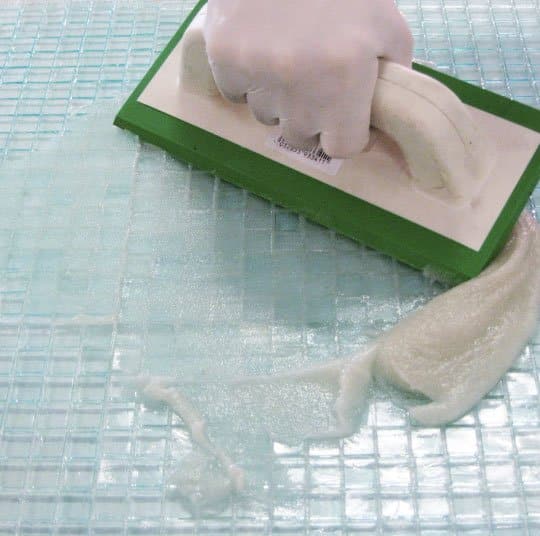
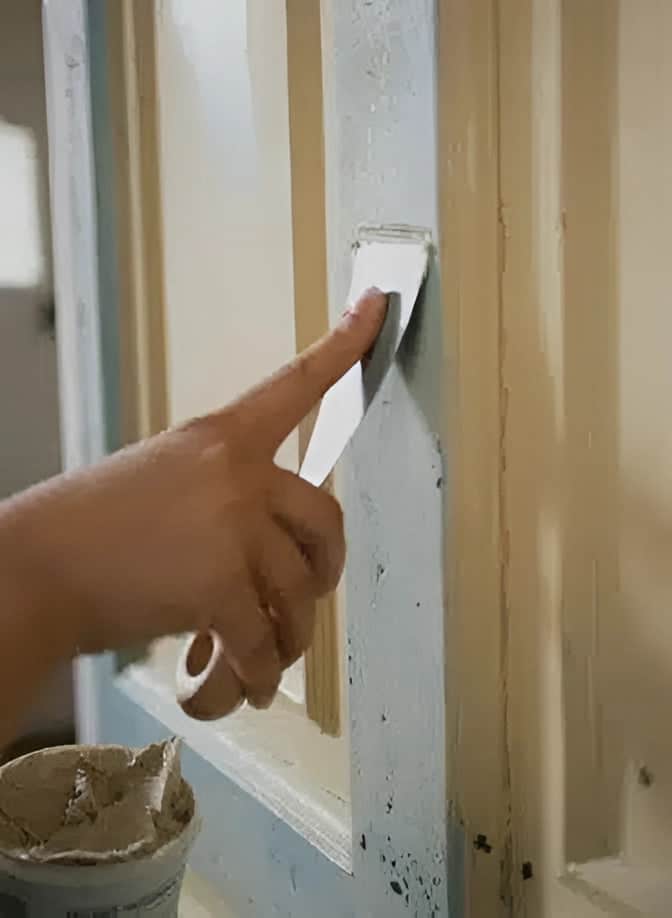
Apply the prepared repair mixture using a putty knife or trowel. Press filler firmly into cracks and holes, avoiding air pockets. For resin-bound resurfacing, combine the binder with cleaned, dry aggregate, then smooth it into the exposed section level with surrounding tiles.
Allow the repair to set undisturbed for the full curing time—usually 10–24 hours, depending on product and weather. Protect the area from rain or foot traffic until fully hardened for best results.

Step 5: Seal and Maintain
If desired, apply an additional thin layer of binder or a compatible outdoor resin sealant to boost water resistance and prevent future staining. Routine cleaning and rapid response to new chips will help keep your outdoor resin tiles looking pristine long-term.
Use weather- and UV-resistant binders for repairs to ensure your restoration holds up against British weather.
Tips and Troubleshooting for Successful Repairs
Work in dry, mild weather to prevent moisture or quick drying from ruining joints. Avoid overfilling cracks—this can leave uneven patches. Always follow curing times and mixing instructions precisely. If the repair is patchy or doesn’t bond, double-check that the substrate was fully clean and dry and the right repair product was chosen for the tile’s aggregate type.
Choosing the Right Binder or Mastic
Select a binder or mastic formulated for outdoor use and your specific aggregate type to ensure a flawless repair. For white or light stones, opt for clear, non-yellowing products. For repairs involving cracks or stone loss, an epoxy mastic guarantees strong, lasting adhesion. Consult product guidance on temperature and substrate compatibility for best outcomes.
- "Magelstick" – Epoxy Mastic for Stone, Metal, and Cement Bonding and Grouting"Magelstick" Epoxy Mastic is designed for professional bonding and repair of stone, metal, and cement surfaces with durable results.
- "Polirock" – Polyurethane Binder for White Stones, 2kg Two-Component Kit£61.95"Polirock" polyurethane binder is designed for decorative and permeable outdoor stone surfaces with lasting durability.
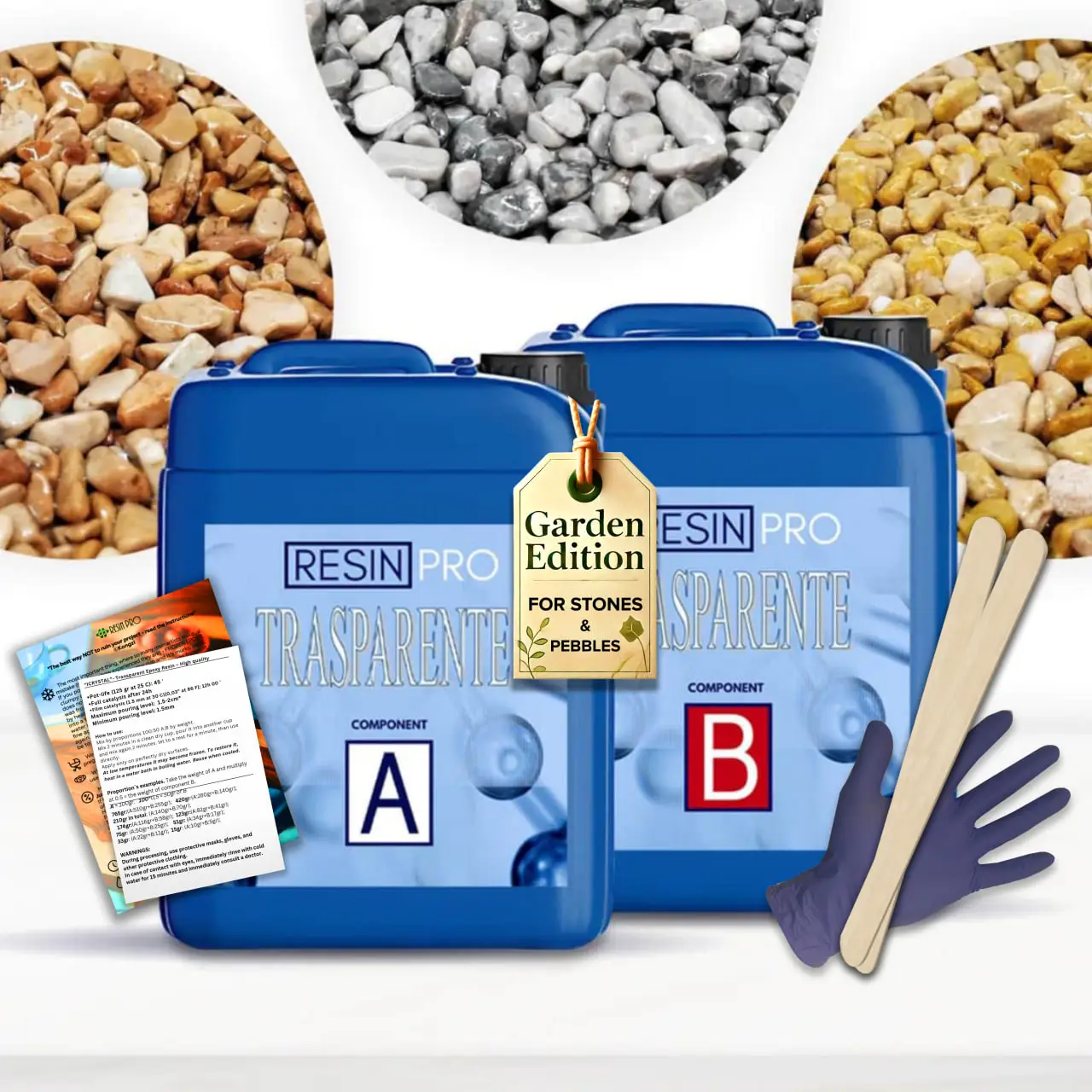 "Trasparente" – Epoxy Binder for Coloured Pebbles and GritsPrice range: £33.45 through £397.95"Trasparente" is a transparent epoxy binder suitable for coloured pebbles and grits, designed to produce clear and durable finishes for outdoor…
 "Epoxyprimer" – Universal Water-Based Two-Component Epoxy Floor PrimerPrice range: £156.45 through £286.45"Epoxyprimer" is a water-based two-component floor primer designed to support durable and reliable epoxy resin flooring, suitable for multiple…
Frequently Asked Questions
How should I clean before repairing outdoor resin tiles?
Remove all dirt and debris, scrub with a mild detergent, and ensure the area is dry to promote strong adhesion.
Should I use epoxy or polyurethane for my repair?
Use epoxy for filling cracks and bonding stone. Polyurethane is ideal for decorative, anti-slip finishes with white stones.
Can I repair resin tiles if they're damp or wet?
No. The area must be fully dry before any resin or binder application, or adhesion and durability will be compromised.
How long should I wait before using the repaired area?
After repair, most products allow at least 10–24 hours of curing time for foot traffic, depending on temperature and humidity.
What weather conditions are best for outdoor repairs?
Work in dry, mild weather above 10°C and avoid rain or damp surfaces for optimal bonding and curing.
Do I need to match the aggregate in my repair?
Yes, using an aggregate that matches your original tile ensures a seamless and attractive finish after repair.