 Free shipping on orders over £29,85
  Shipping Tracking!


 Google
 Facebook
← Back to How do you maintain a synthetic resin field?
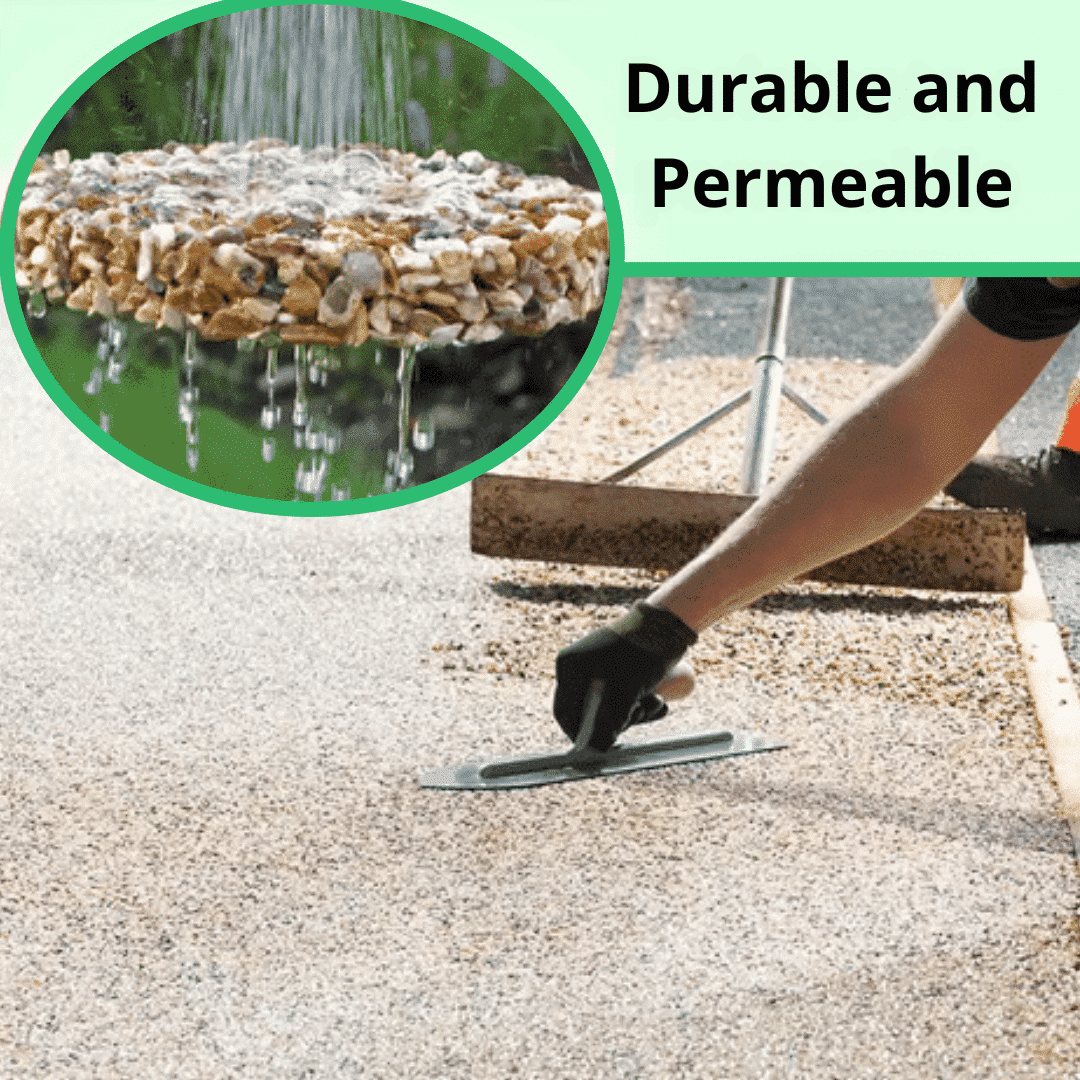
Small cracks can occasionally appear in synthetic resin surfaces due to weather, ground movement or normal wear. Repairing these early prevents water ingress and maintains the field’s durability and appearance.
Identifying and Preparing the Crack
Inspect the resin field for any hairline or minor cracks as part of your regular maintenance routine. Ensure the area is dry and free from debris or loose material before attempting any repair. Cleaning the crack thoroughly will help the new resin adhere effectively and provide a seamless finish.
Choosing the Right Resin Binder
Use a resin binder that closely matches the original surface, whether it is polyurethane for light or white stones—such as found in Polirock kits—or an epoxy binder for coloured and darker aggregates, like Trasparente. Selecting the appropriate resin ensures the repair blends in visually and maintains the same protective barrier as the rest of the field.
Repair Process and Aftercare
Apply the mixed resin binder directly into the cleaned crack, smoothing it gently to level with the existing surface. Allow the resin to cure thoroughly as per the product’s instructions before using the area again. Keeping a close watch on previously repaired areas and addressing any new cracks promptly helps extend the field’s lifespan.
When Timely Repair Matters Most
- After heavy rain: Moisture can quickly worsen unaddressed cracks.
- In winter: Freezing and thawing may expand cracks if left open.
- High-traffic zones: Early repairs stop cracks from spreading under pressure.
Related products
Related guides
Dealing with small cracks quickly is a crucial part of looking after your synthetic resin field. Prompt spot repairs keep your surface attractive and resilient—just one of many steps to effective resin field maintenance. For a broader overview, return to our main guide on maintaining synthetic resin fields.