 Free shipping on orders over £29,85
  Shipping Tracking!


 Google
 Facebook
How to resin a piece of furniture?
Transform wood furniture with a durable, beautiful resin finish
Resining a piece of furniture is a rewarding way to protect and enhance your wood surfaces, whether you’re looking to upcycle a table, waterproof an antique, or add a unique artistic touch. This guide walks you through the complete process, from preparation through to the final finish, so you can achieve a stunning, durable result with confidence.
What You’ll Need
- “EpoxyWood” – Wood Restoration Epoxy Resin for Deep Penetration and Waterproofing – for thorough sealing and restoring wood furniture, offering deep protection and a natural finish.
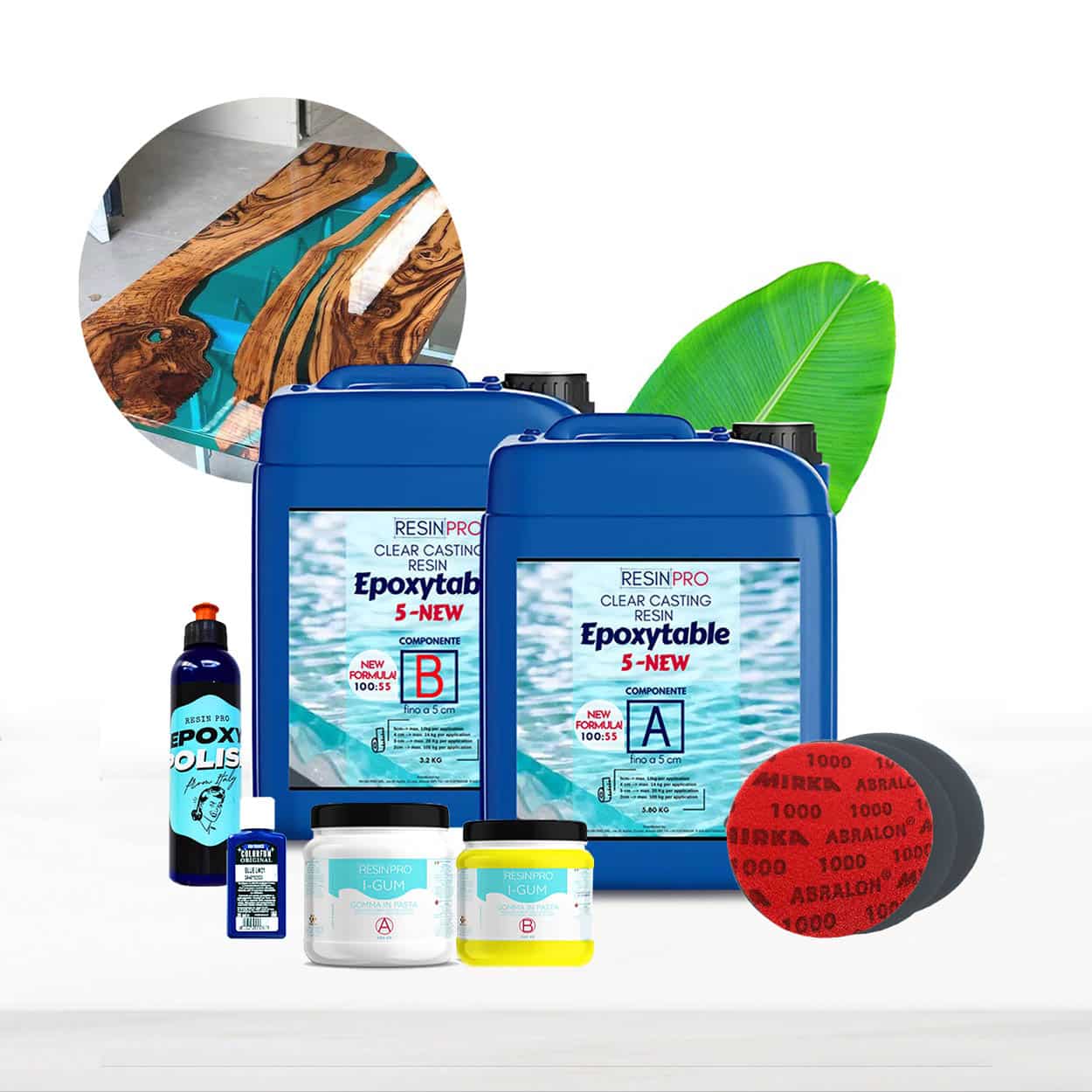
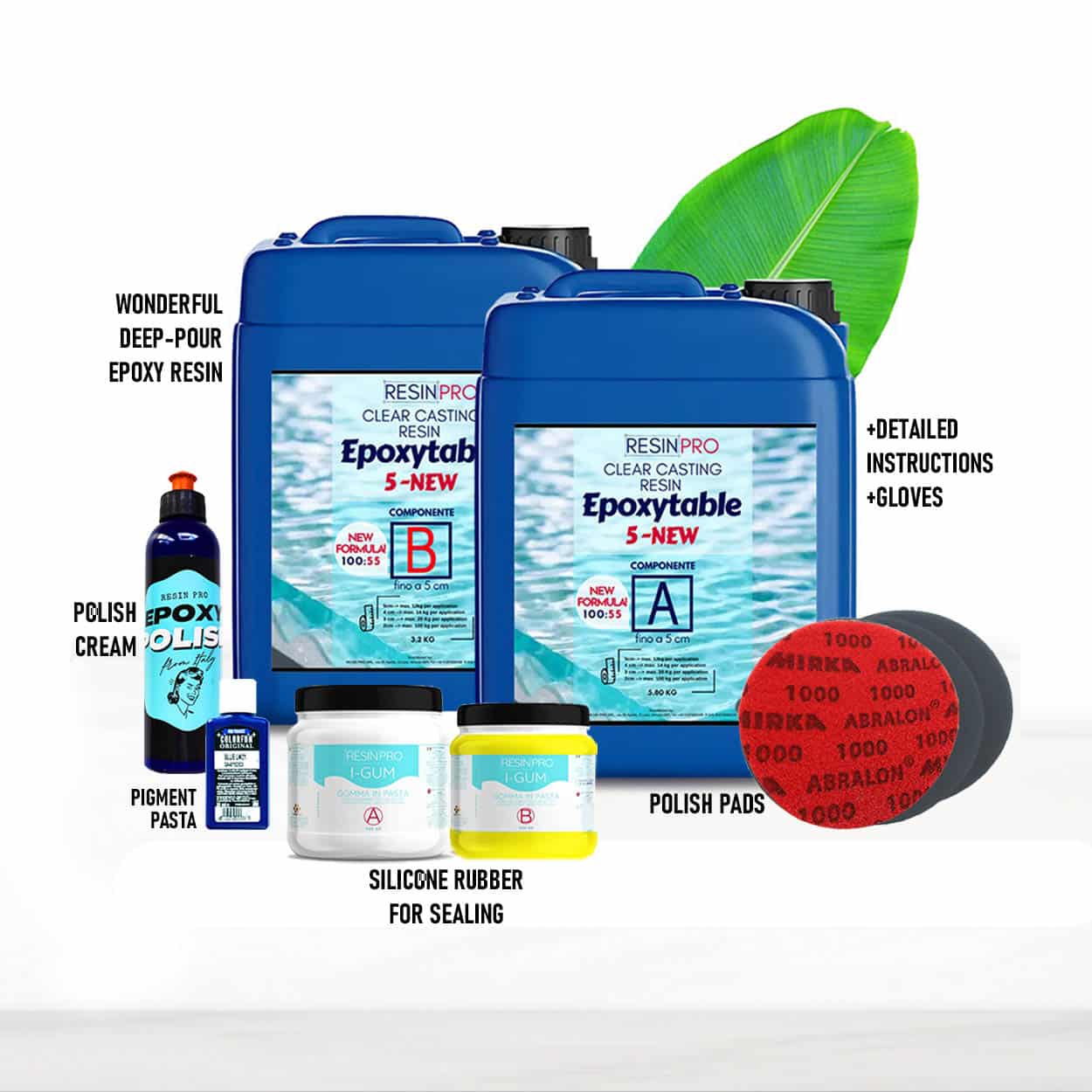
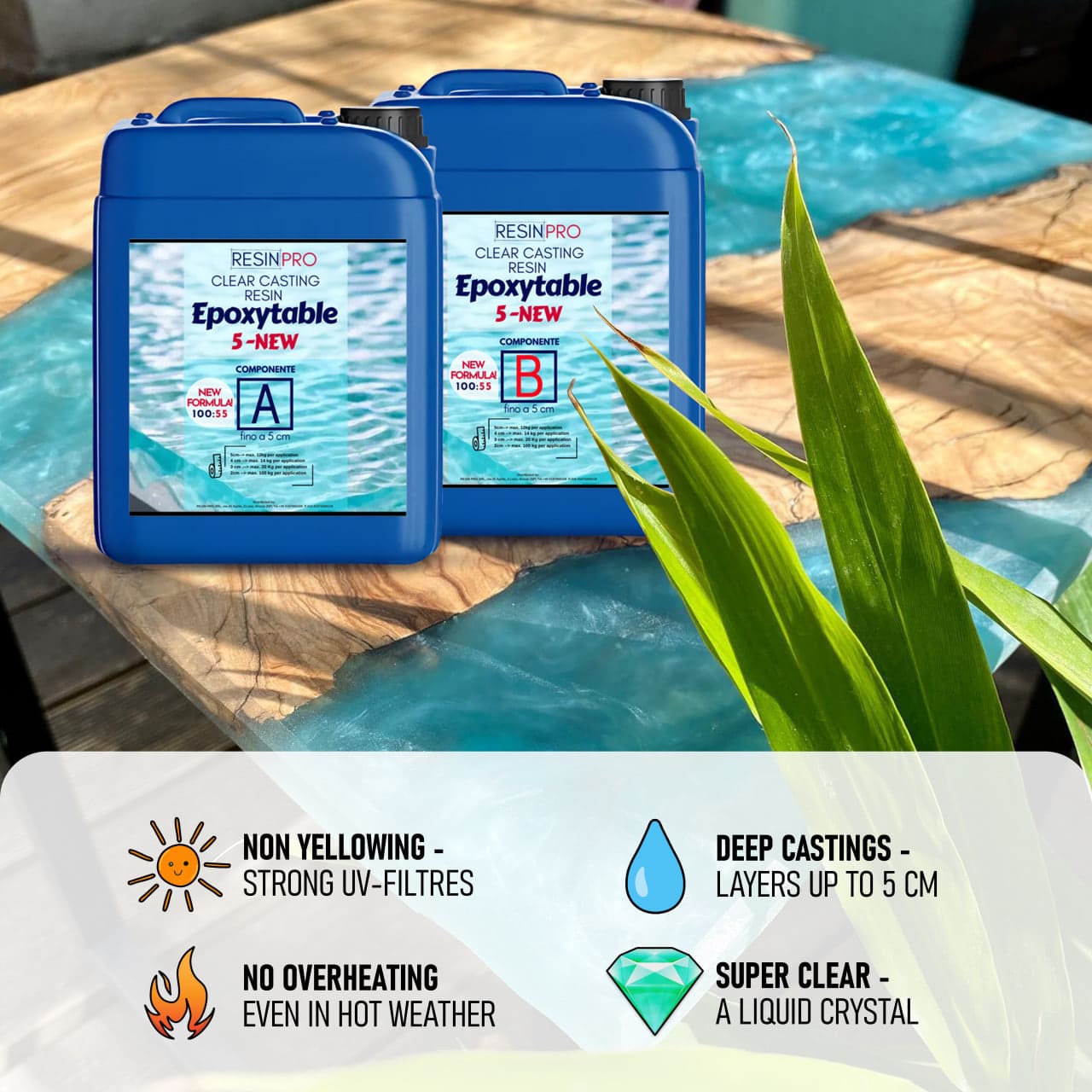
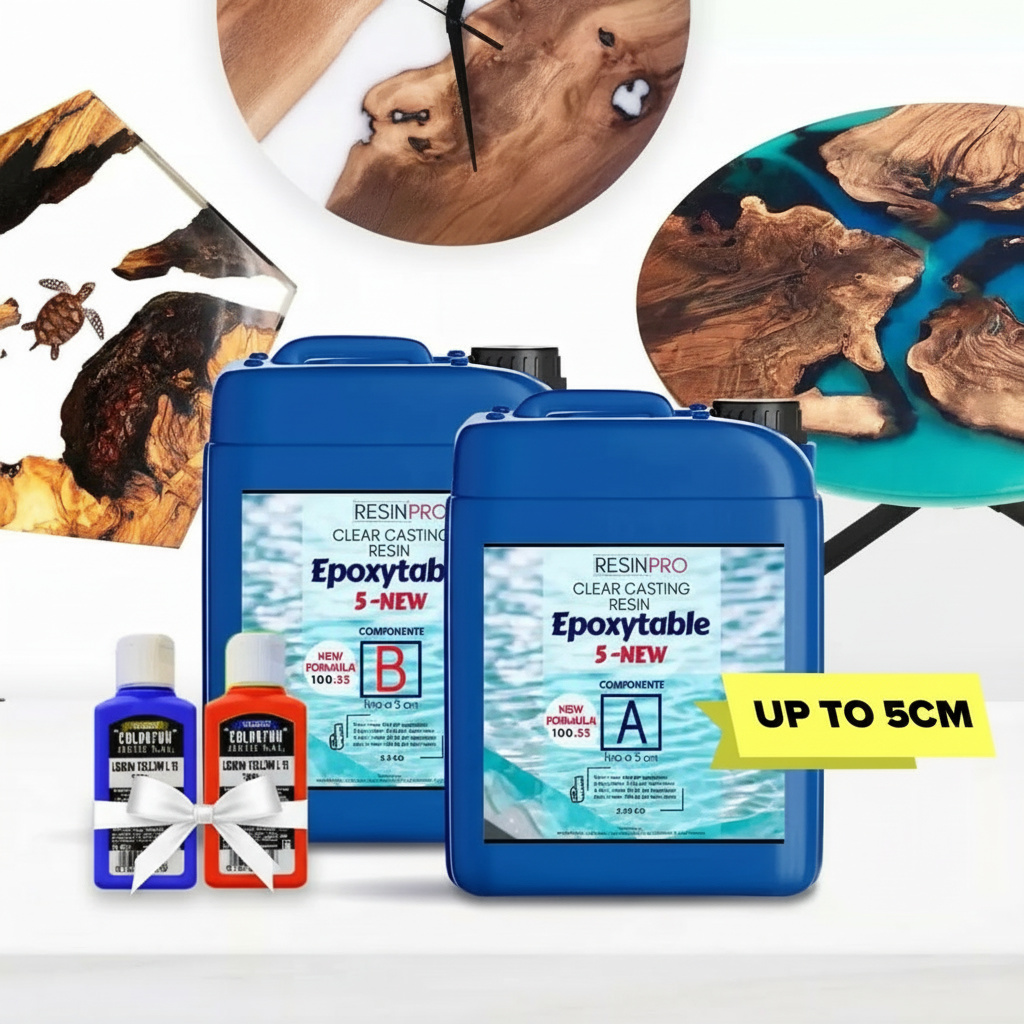
- “EpoxyTable 5-Five” – Deep Pour Epoxy Resin for Tables and Large Projects – Up to 5cm – if your project involves thick resin layers or river table effects.
- “Epoxytable 10-Ten” – Deep Pour Epoxy Resin for Tables, Up to 10cm Casting – for extra-deep casting in artistic or large furniture elements.
- Protective gloves and safety glasses
- Measuring cups, stir sticks or mixing paddles
- Sanding pads (various grits) and a lint-free cloth
- Painter’s tape or masking tape
- Spirit level and drop sheet/newspaper for workspace protection

Essential Tools for Resin Furniture Projects
Gather all your materials and tools before starting. Having everything at hand—from resins and mixing containers to gloves and painter’s tape—ensures smooth progress and helps you avoid mistakes during crucial steps.
Step 1: Prepare the Surface
Begin by thoroughly cleaning the furniture. Remove any old finish, dirt or wax using mild soap and water, then allow the surface to dry completely. For the best bond, sand the wood, gradually moving from coarse to fine grit. This opens up the pores of the wood, allowing resin to penetrate deeply and adhere strongly.
Wipe down the sanded surface with a lint-free cloth to remove dust. Use painter’s tape to mask off areas you do not wish to coat, and protect your work area with a drop sheet. Work in a clean, dust-free environment to prevent debris from landing on your fresh resin layer.

Step 2: Seal and Reinforce the Wood
Apply a thin priming layer of epoxy resin to seal pores and prevent air bubbles during thicker pours. For restoration or waterproofing, EpoxyWood – Wood Restoration Epoxy Resin for Deep Penetration and Waterproofing is ideal. Its ultra-low viscosity allows it to soak deeply, reinforcing fragile or weathered wood and creating a fully waterproof finish. Use a brush or roller to distribute a small amount evenly over the surface and let it soak in as per manufacturer instructions.
Allow this sealing layer to cure as recommended, typically several hours, before proceeding to thicker applications.
Step 3: Mix and Pour the Resin
Carefully measure the appropriate quantities of resin and hardener according to your chosen product’s instructions. Mix thoroughly for at least 3–5 minutes, scraping the sides and bottom of the mixing cup. This is essential for proper curing and clarity.
For projects requiring deep, glass-like layers (such as river tables or thick surfaces), use a specialist resin like EpoxyTable 5-Five for layers up to 5cm or Epoxytable 10-Ten for depths up to 10cm. Slowly pour the mixed resin onto the prepared surface, allowing it to level out naturally. Use a spirit level to check flatness and a spatula to coax resin into corners or channels if needed.
Pop any rising surface bubbles gently with a heat gun or torch, working quickly. Check for leaks underneath the piece, especially with poured river tables—add extra tape if needed.


Step 4: Curing and Finishing Touches
Allow the resin to cure undisturbed, following your chosen product’s recommended curing times. This can range from several hours to a few days, depending on resin thickness and ambient temperature. Avoid moving or touching the piece during this period.
After the resin has fully set, carefully remove any masking tape. Sand the edges or top surface with increasingly fine grits for a smooth, glossy finish, taking care not to overheat the resin. If desired, polish the resin with a suitable polishing cream, and use a soft cloth to buff for extra shine. Deep penetration for long-lasting protection is achieved when the resin has set and the surface is smooth and flawless.
Tips, Common Mistakes, and Troubleshooting
Resin work requires patience and planning. Avoid pouring resin in high humidity as this can cause cloudiness or surface imperfections. Always measure and mix resin precisely—improper ratios can lead to tacky, uncured areas. Address any air bubbles quickly after pouring, and ensure your workspace is level to prevent pooling.
Always follow curing times and safety instructions. If you notice dull patches or minor imperfections after curing, these can often be sanded and a thin top coat reapplied for a flawless finish.
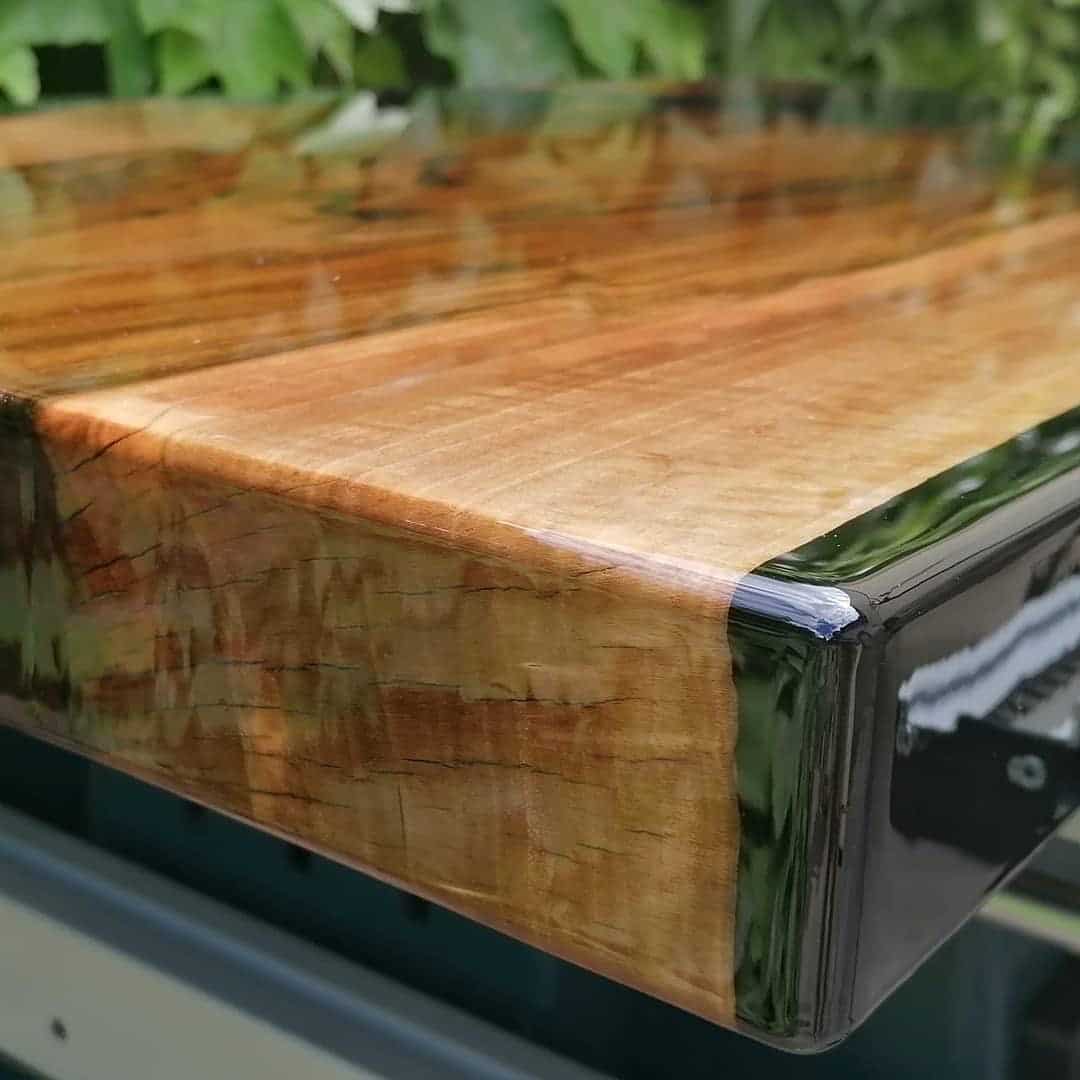
Mastering Techniques for Professional Results
Take your time with each step for the best outcome. Careful preparation and correct curing are the secrets to flawless resin finishes with deep clarity and long-lasting protection for any furniture piece.

- "River-Table" – Complete Kit for Creating Your First Epoxy Resin TablePrice range: £198.45 through £467.45"River-Table" kit provides materials and instructions for creating a wood and resin table, suitable for beginners under the theme How to resin a…
- "EpoxyTable 5-Five" – Deep Pour Epoxy Resin for Tables and Large Projects – Up to 5cmPrice range: £17.95 through £1,154.95EpoxyTable 5-Five is a deep pour epoxy resin designed for tables and large projects with up to 5cm thickness, suitable for furniture resin…
- “Epoxytable 10-Ten” – Deep Pour Epoxy Resin for Tables, Up to 10cm CastingPrice range: £35.95 through £351.95“Epoxytable 10-Ten” is a resin suitable for deep pours up to 10cm, designed for furniture and large artistic projects.
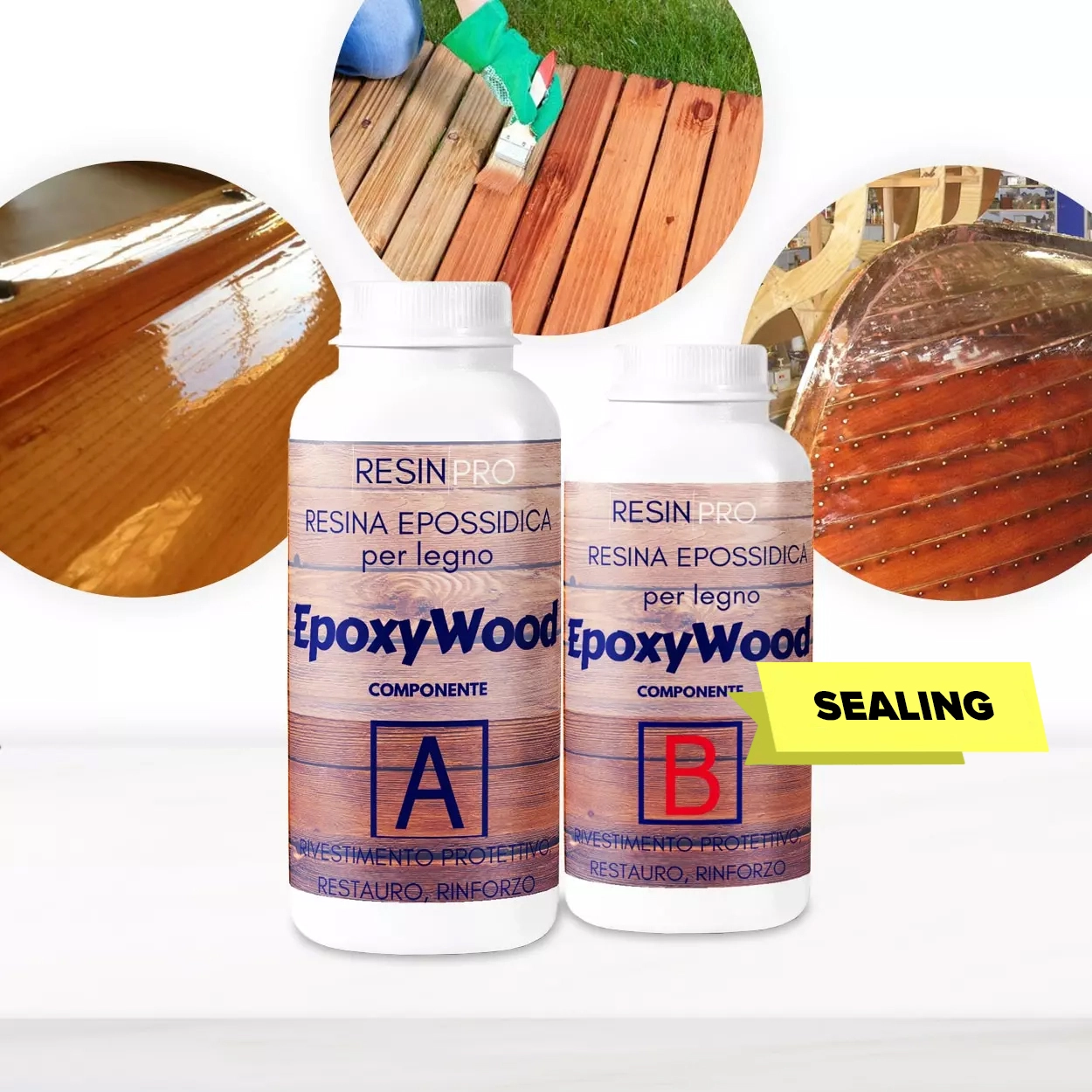 "EpoxyWood" – Wood Restoration Epoxy Resin for Deep Penetration and WaterproofingPrice range: £27.95 through £41.95EpoxyWood is designed for furniture restoration, deeply penetrating wood pores to waterproof and reinforce surfaces with a natural finish.
Frequently Asked Questions
Can you resin old or damaged wood furniture?
Yes, provided the wood is dry and stable. Sealing with a deep penetration resin reinforces old fibres and prepares the surface.
How do I prevent bubbles when applying resin to furniture?
Seal wood pores first, pour slowly, and pop bubbles with a heat gun or torch soon after pouring.
What resin depth is suitable for table tops?
2 to 5cm is typical for furniture projects. Choose the correct resin for your desired thickness.
Can I repair mistakes or uneven areas in my resin layer?
Yes, sand away imperfections after curing and reapply a thin resin coat for a smooth finish.
Is epoxy resin safe to use on furniture for indoor use?
Once cured, high-quality epoxy resin is safe and inert for indoor furniture surfaces.
How long does resin take to cure on a piece of furniture?
Allow at least 24 to 72 hours for full curing, depending on product and thickness applied.
Is it necessary to sand between coats when applying multiple resin layers?
Yes, light sanding improves adhesion for each new layer, especially after a full cure.