 Free shipping on orders over £29,85
  Shipping Tracking!


 Google
 Facebook
How to resin electronic circuits?
Protect circuits from moisture, dust and impact with epoxy resin.


Encapsulating electronic circuits with resin is an excellent method for providing long-term protection against moisture, dust and accidental impact. Whether you’re working with sensitive prototypes, small-batch production, or simply wish to ruggedise a DIY project, applying resin can offer significant improvements in durability and performance. This guide takes you through each step, explaining core techniques to achieve professional results with confidence.

What You’ll Need
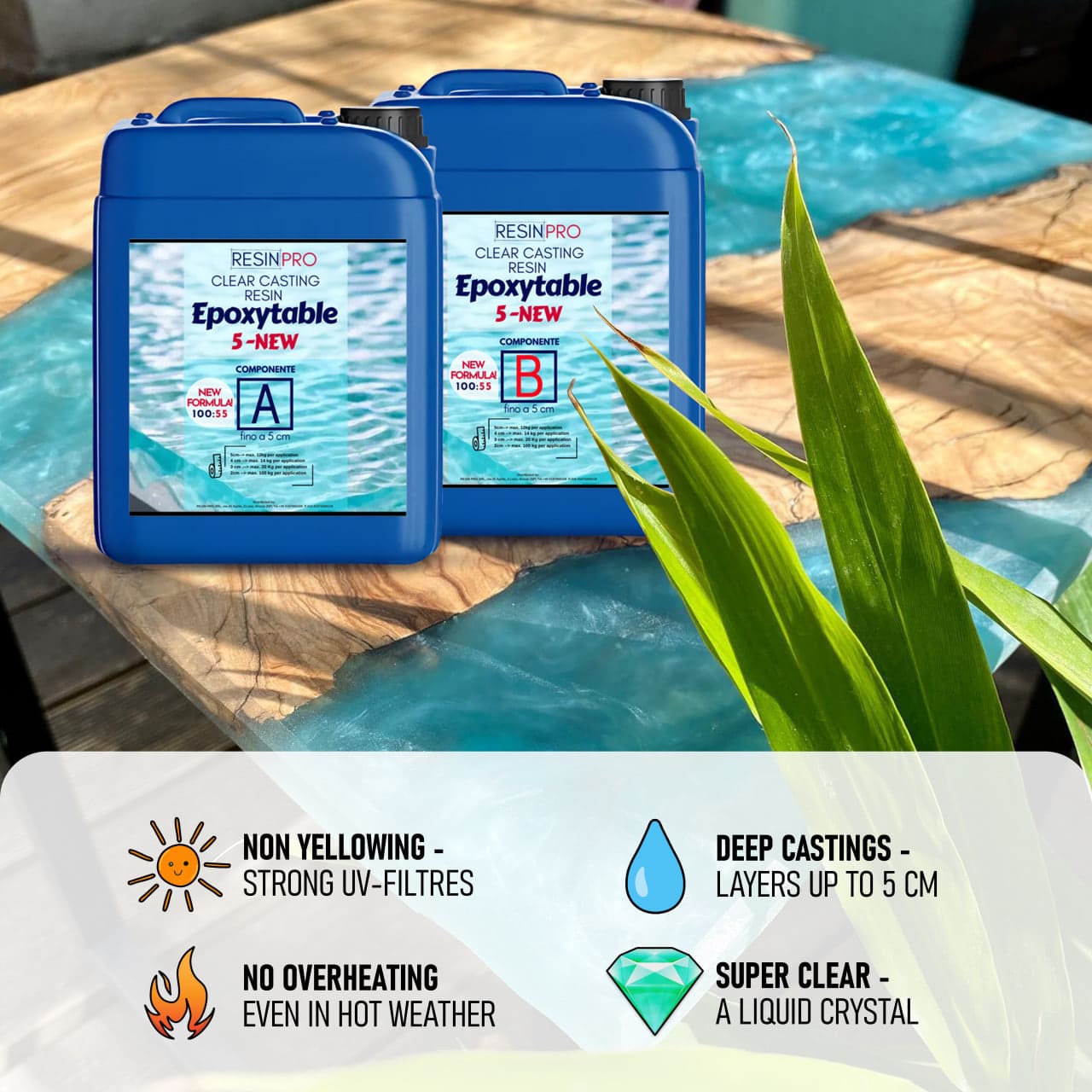
- “EpoxyTable 5-Five” – Deep Pour Epoxy Resin for Tables and Large Projects – Up to 5cm – Suitable for deep casting and complete encapsulation of circuits.
- “3D Finish” – Fast Coating Epoxy Resin for 3D Prints – Ideal for printed housings or fine circuit elements.
- “Carbon Resin” – Epoxy Resin for Carbon Fiber & Fiberglass Coating – Use when extra impact resistance is needed for composite-based electronic assemblies.
- Mixing cups, stirring sticks, and disposable gloves
- Protective mask and eye protection
- Non-stick work surface (e.g., silicone mat)
- Protective tape or putty (for masking areas not to be encapsulated)
- Heat gun or torch (for bubble removal)

Key Application Tools and Workspace Preparation
Organise materials ahead of time. Prepare your workspace and have gloves, cups, and stirring sticks within easy reach. This ensures efficient mixing and application with reduced risk of contamination or error.
Step 1: Prepare the Circuit and Workspace
Begin by ensuring your electronic circuit is fully assembled and thoroughly tested—powering up after encapsulation is not recommended unless you’re certain all solder joints and connections are sound. Remove dust and debris from both the circuit board and your work area. Protect any sections that must not come in contact with resin using non-stick tape or a suitable putty. Work in a dust-free, well-ventilated area, and always wear gloves and eye protection to reduce health risks.


Step 2: Mix the Epoxy Resin Carefully
Select the most suitable resin for your project. For embedding and deep pours, “EpoxyTable 5-Five” offers low exothermic reaction and optimal clarity around intricate layouts, minimising overheating which could damage sensitive components. Measure the two components precisely following the manufacturer’s instructions—too much or too little hardener can impact electrical isolation and finish quality. Stir gently but thoroughly, taking care to avoid introducing excessive air.
Step 3: Embed or Coat the Circuit
Carefully pour or brush the mixed resin over and around your electronic circuit. For deep encapsulation, pour the resin slowly into a mould or prepared enclosure, ensuring the resin covers all components evenly. For housing or surface protection, you might use “3D Finish” for thin, rapid coatings, especially on 3D printed or delicate surfaces. Use a heat gun or torch briefly if small bubbles appear, but avoid excessive heat that may damage circuitry.


Step 4: Curing and Finishing
Allow the resin to cure at room temperature, away from dust and vibrations. Curing times vary by product—”EpoxyTable 5-Five” typically takes 24–48 hours, while “3D Finish” can set in as little as 4 hours. For particularly demanding environments or composite assemblies, “Carbon Resin” adds extra resilience to the finished item. Ensure complete curing before powering the circuit, and avoid handling or trimming until the resin is hard to the touch.
Tips and Common Mistakes
Preventing overheating is vital: Avoid thick pours over heat-sensitive components by working in layers if necessary. Always mix in small batches to limit working time stress. If resin leaks, address them quickly by re-masking or levelling your enclosure. Watch out for air bubbles around component leads and connectors—use a fine brush or light heat to encourage them to rise before the resin begins to cure. Where impact or vibration may be an issue, consider a resin formulated for composite protection and high adhesion strength.
Expert Insights for Confident Resin Encapsulation
Experienced makers recommend testing with an offcut circuit first to gauge how your chosen resin flows and sets, especially if working with sensitive or valuable electronics.

- "EpoxyFood" – Certified Clear Food Contact Epoxy Resin for CoatingPrice range: £20.95 through £146.95"EpoxyFood" is a transparent, food-safe resin suited for safe coating applications requiring clarity and a gloss finish.
- "EpoxyTable 5-Five" – Deep Pour Epoxy Resin for Tables and Large Projects – Up to 5cmPrice range: £17.95 through £1,154.95"EpoxyTable 5-Five" is a deep pour epoxy resin suitable for tables and large projects, offering low viscosity and a bubble-free finish.
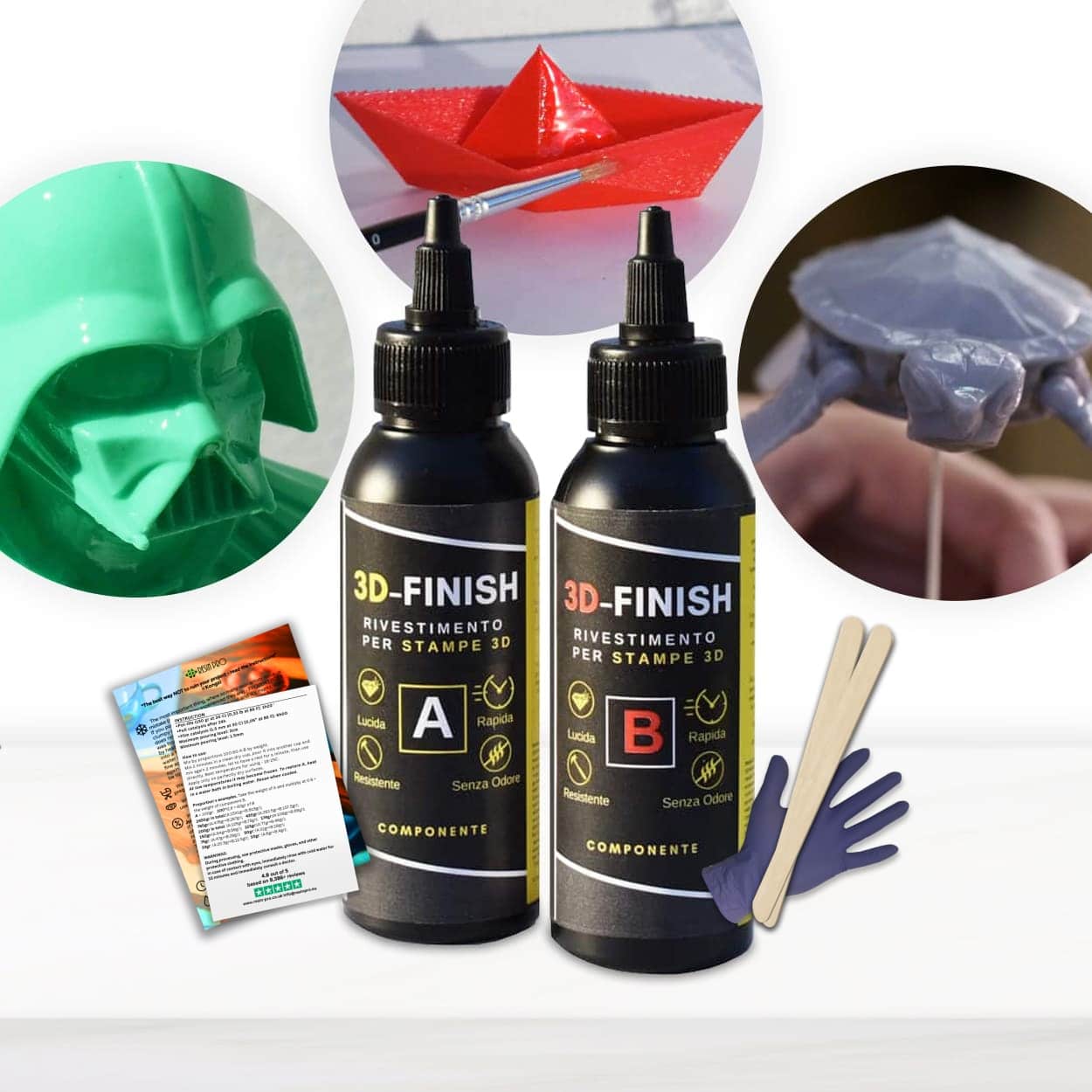 "3D Finish" – Fast Coating Epoxy Resin for 3D PrintsPrice range: £13.95 through £19.95"3D Finish" provides a fast-curing, non-drip coating suited for hobbyists and professionals working with common 3D print plastics.
 "Carbon Resin" – Epoxy Resin for Carbon Fiber & Fiberglass CoatingPrice range: £19.95 through £37.95Epoxy resin for carbon fibre and fibreglass designed for composites with reliable impregnation and a glossy finish.
Frequently Asked Questions
Will resin damage electronic circuits?
Not if components are fully cured, surfaces are dry, and you use a suitable resin with controlled curing temperatures.
What type of resin should be used for circuit encapsulation?
Epoxy resins with low exothermic reaction and good insulation properties are preferred for electronics.
How do I avoid air bubbles when resining electronic circuits?
Mix gently, pour slowly, and use a heat gun briefly to remove surface bubbles as needed.
Can you use resin on powered or active circuit boards?
No, resin should only be applied to circuits that are powered off and fully tested beforehand.
How long should I wait before powering a resin-encapsulated circuit?
Wait until the resin is fully cured as per manufacturer instructions, typically 24–48 hours.
Does resin affect heat dissipation for electronic circuits?
Encapsulation may insulate components and reduce heat dissipation, so avoid using on heat-sensitive parts.
What is the best way to mix resin for electronic circuits?
Measure accurately by weight, mix slowly, and stir until the blend is fully uniform before pouring.