 Free shipping on orders over £29,85
  Shipping Tracking!


 Google
 Facebook
How to resin scratch?
Step-by-step guide for a flawless, scratch-free resin finish


Scratches on epoxy resin can detract from the clarity and beauty of your finished project. Whether you’re working on art pieces, tables, coasters or domed labels, knowing how to effectively repair or prevent resin scratches keeps your surfaces looking their best. This guide offers comprehensive, practical steps for restoring a flawless finish—no prior experience needed.
What You’ll Need
- “Epoxy Polish” – Epoxy Resin Polishing System – For polishing and restoring gloss to scratched areas
- “Heat Pro” – Flexible Heat-Resistant Glossy Coating – For adding a scratch-resistant top coat, ideal for coasters and small surfaces
- “Be Flex” – Transparent Polyurethane Doming Resin – Scratch-Resistant – For flexible, domed finishes that self-heal minor marks
- “Art Pro Deluxe” – Ultra-High Viscosity Epoxy Resin for Artists – For re-coating or art projects needing a tough, scratch-resistant surface
- Optional: Microfibre cloths, non-abrasive pads, rotary polisher or pad holder, fine-grit sandpaper (such as 2000–3000 grit), gloves

Essential Tools for Flawless Resin Repairs
For best results, use polishing products that are specifically formulated for resin surfaces. Products like Epoxy Polish provide superior gloss without introducing swirls or haze, especially when paired with proper pads or polishers. Protective top coats such as Heat Pro and flexible self-healing doming resins like Be Flex can further protect finished pieces from scratches and abrasion.

Step 1: Assess and Clean the Resin Surface
Before attempting to remove scratches, begin by thoroughly cleaning your resin surface. Use a soft microfibre cloth and gentle detergent to remove dust, dirt, and any surface oils. This ensures scratches are clearly visible and prevents debris from causing further abrasion during polishing or recoating. For embedded dirt or stubborn marks, use mild soap and warm water, then allow the area to completely dry before proceeding.
Inspect the scratches. Very deep gouges may require sanding or additional resin, while superficial marks typically respond well to careful polishing.
Step 2: Sand Down Deeper Scratches (If Needed)
If scratches are more than surface level, it is often necessary to sand the affected area before polishing. Use a very fine-grit sandpaper (2000–3000 grit) and sand gently in a circular motion, keeping the surface wet to avoid further scratching. Be consistent: avoid uneven pressure which might cause visible dips.
Once sanding marks are uniform and deep scratches are reduced, dry the area thoroughly with a lint-free cloth prior to polishing or recoating.
Step 3: Restore Gloss with Polishing
For light abrasions and to recapture a glossy finish, polish your resin. Apply a small amount of “Epoxy Polish” – Epoxy Resin Polishing System to a microfibre cloth or polishing pad. Work in circular motions—by hand or using a rotary pad holder—over the affected area. Continue until the surface regains clarity and a mirror-like shine.
Polish with patience to achieve the best gloss. If cloudiness remains, reapply a finer grade polish or switch to a softer pad, ensuring each stage is wiped clean before moving to the next.
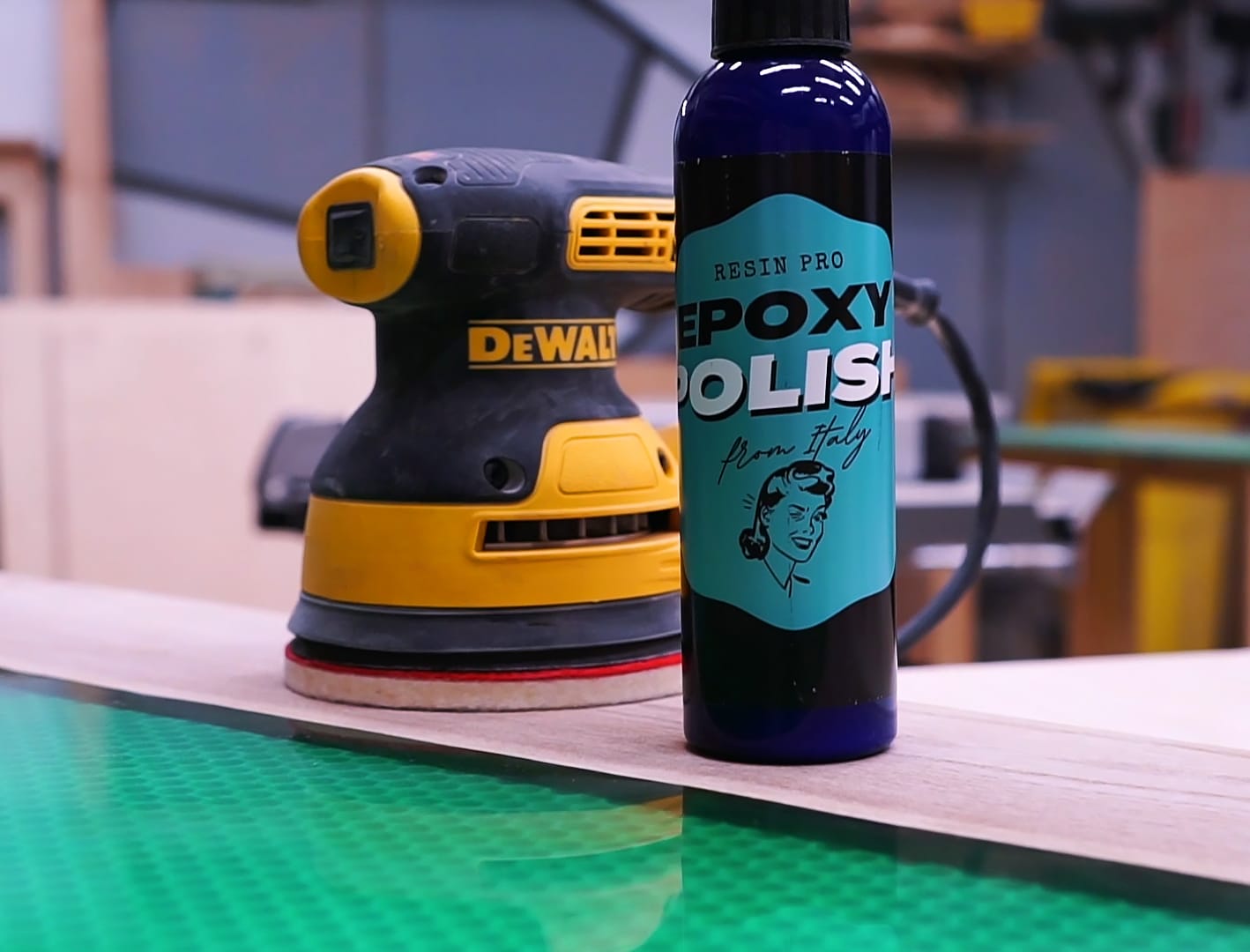
Step 4: Apply a Scratch-Resistant Top Coat (Optional)
For surfaces exposed to high use, consider a protective re-coat. For small resin projects, a layer of “Heat Pro” – Flexible Heat-Resistant Glossy Coating creates a glossy, flexible, and heat-resistant barrier, perfect for coasters or kitchenware. Apply carefully according to instructions, allow to self-level, and cure fully for optimal performance.
For domed stickers or curved labels, “Be Flex” – Transparent Polyurethane Doming Resin adds flexibility and a self-healing layer that resists both scratches and impact.
In art applications, a fresh layer of “Art Pro Deluxe” – Ultra-High Viscosity Epoxy Resin for Artists ensures a durable, glossy, and highly scratch-resistant top finish.
Always test a small area before final application on your actual project to verify compatibility and finish quality.

Tips to Prevent and Troubleshoot Scratches
Protect resin pieces from abrasive items and harsh chemicals. Use soft mats or pads under objects and avoid dragging items across surfaces. When handling, wear clean gloves and use gentle microfibre cloths for dusting.
Common mistakes include skipping the sanding stage for deeper scratches or using abrasive cleaners that cause haze. If dullness persists after polishing, work through a finer sanding and re-polish cycle or consider re-coating with an appropriate resin layer.
Regular maintenance with gentle cleaning and the right polish helps prolong the flawless appearance of all resin projects.
Troubleshooting Unwanted Results
If polishing leaves a cloudy appearance, review your sanding steps and ensure your polishing method creates enough friction for proper gloss. For stubborn marks, repeat sanding and polishing with gradually finer abrasives. Re-coating with products like Art Pro Deluxe can help restore full clarity and a scratch-resistant finish.

- "Epoxy Polish" – Epoxy Resin Polishing SystemPrice range: £18.95 through £47.45Epoxy Polish offers a professional polishing system to restore a glossy finish, suitable for resin projects and related materials.
- "Heat Pro" – Flexible Heat-Resistant Glossy CoatingPrice range: £26.45 through £185.45"Heat Pro" is an elastic polyurethane resin designed for epoxy resin projects. It provides heat resistance up to 200°C and a glossy finish.
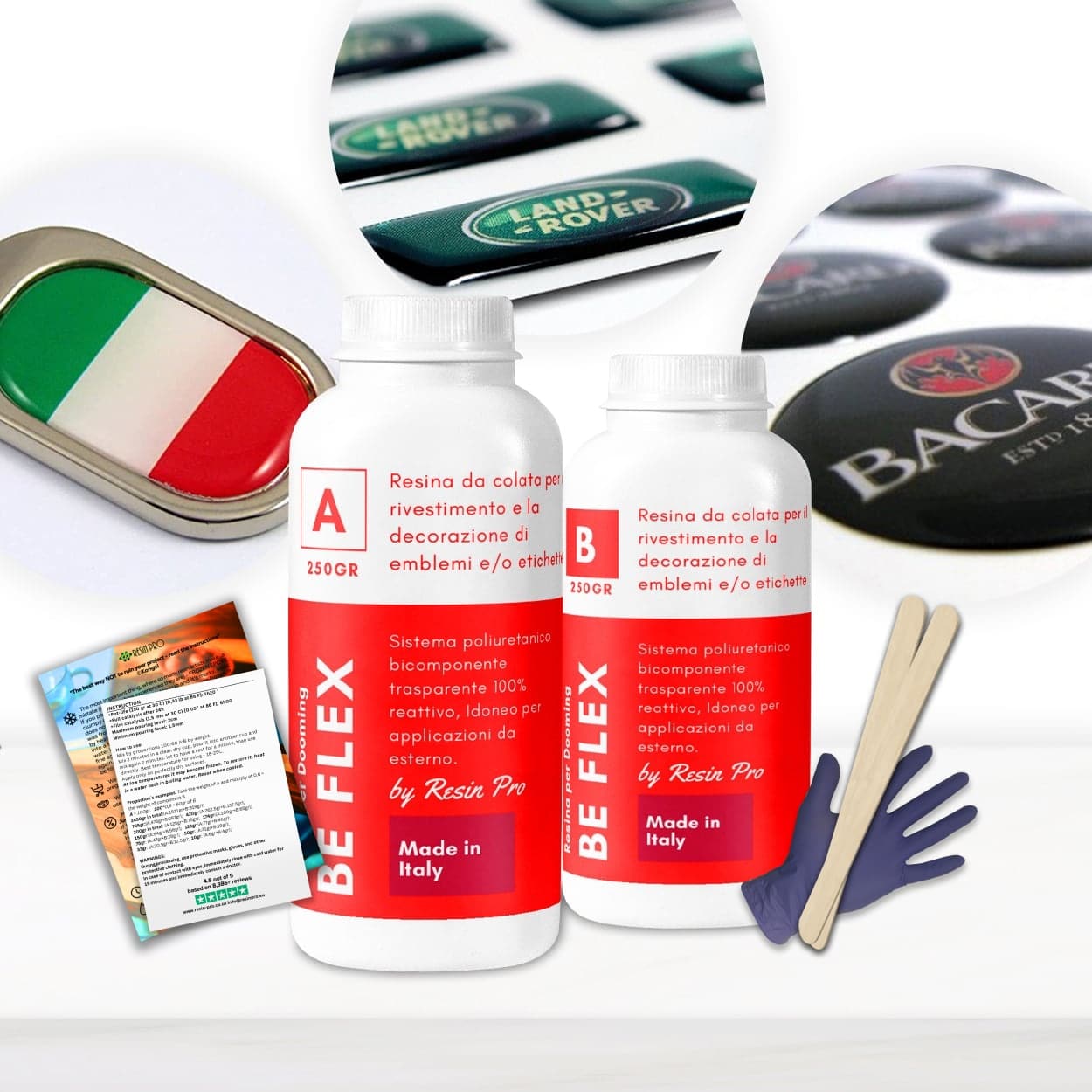 "Be Flex" – Transparent Polyurethane Doming Resin – Scratch-ResistantPrice range: £45.00 through £81.95"Be Flex" provides a flexible, transparent finish with scratch resistance and self-healing properties for doming projects.
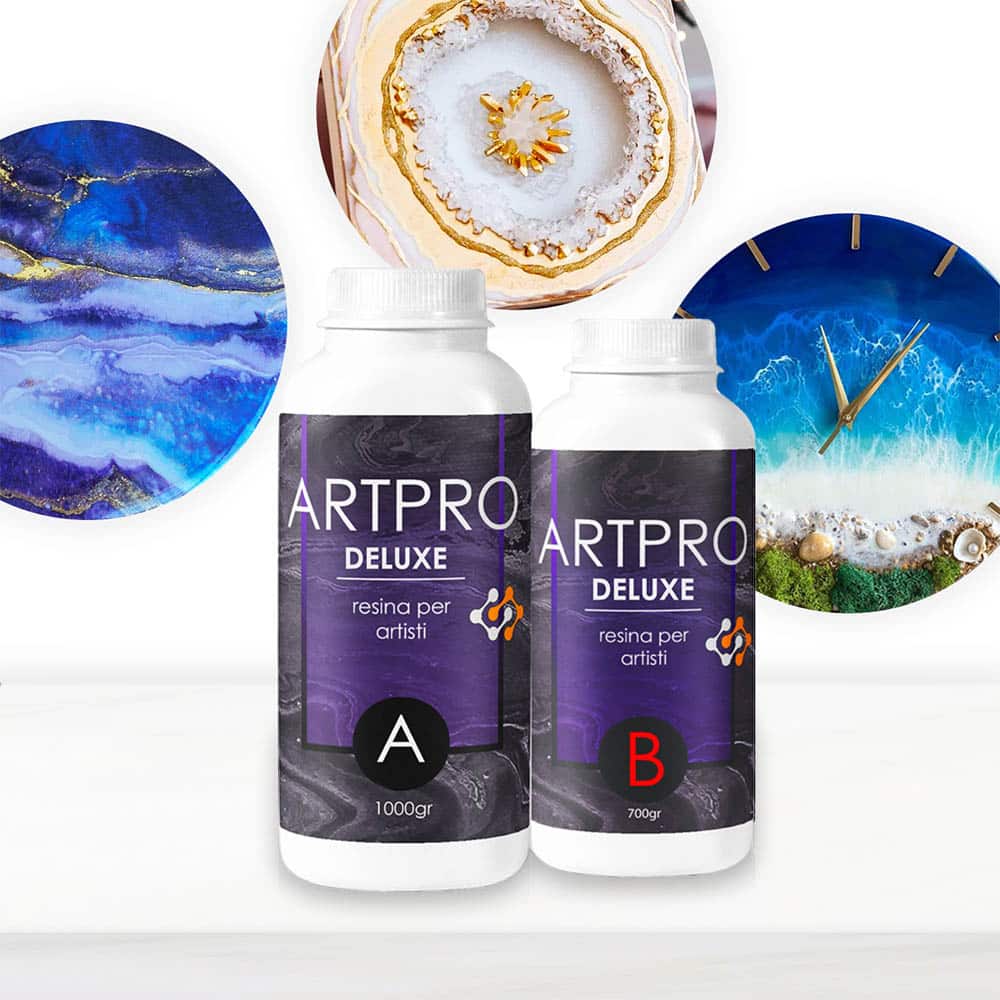 "Art Pro Deluxe" – Ultra-High Viscosity Epoxy Resin for ArtistsPrice range: £35.95 through £302.45"Art Pro Deluxe" epoxy resin offers ultra-high viscosity for detailed line control and a crystal-clear, scratch-resistant finish suited to how to…
Frequently Asked Questions
What are the best products for polishing out resin scratches?
Specialist kits like Epoxy Polish are formulated for effective scratch removal and gloss restoration on epoxy resin.
Should I sand resin before polishing to remove scratches?
Sanding is recommended for deeper scratches to create a uniform surface before polishing to a gloss.
How can I prevent my resin surface from scratching in the future?
Use protective coatings or mats and handle surfaces with soft cloths to minimise abrasion and marks.
What can I do if polishing resin leaves a stubborn haze?
Repeat sanding with finer grit and re-polish, ensuring clean pads and correct technique for best clarity.
Can doming resin repair light scratches on curved labels?
Self-healing doming resins like Be Flex can fill and resolve minor marks, restoring a smooth finish.
Is heat-resistant resin necessary for surfaces like coasters?
For coasters or kitchen items, a heat-resistant coating such as Heat Pro protects against heat and scratches.