 Free shipping on orders over £29,85
  Shipping Tracking!


 Google
 Facebook
How to resin the concrete?
Step-by-step instructions for lasting, waterproof, and attractive concrete
Resining concrete adds robust protection, weather resistance, and an attractive finish to floors, driveways, or decorative outdoor areas. With the right approach, your concrete will stay sealed against moisture, chemicals, and wear, while looking smart for years. This guide walks you through each step, from preparation to application and the crucial finishing touches, ensuring reliable and lasting results.
What You’ll Need
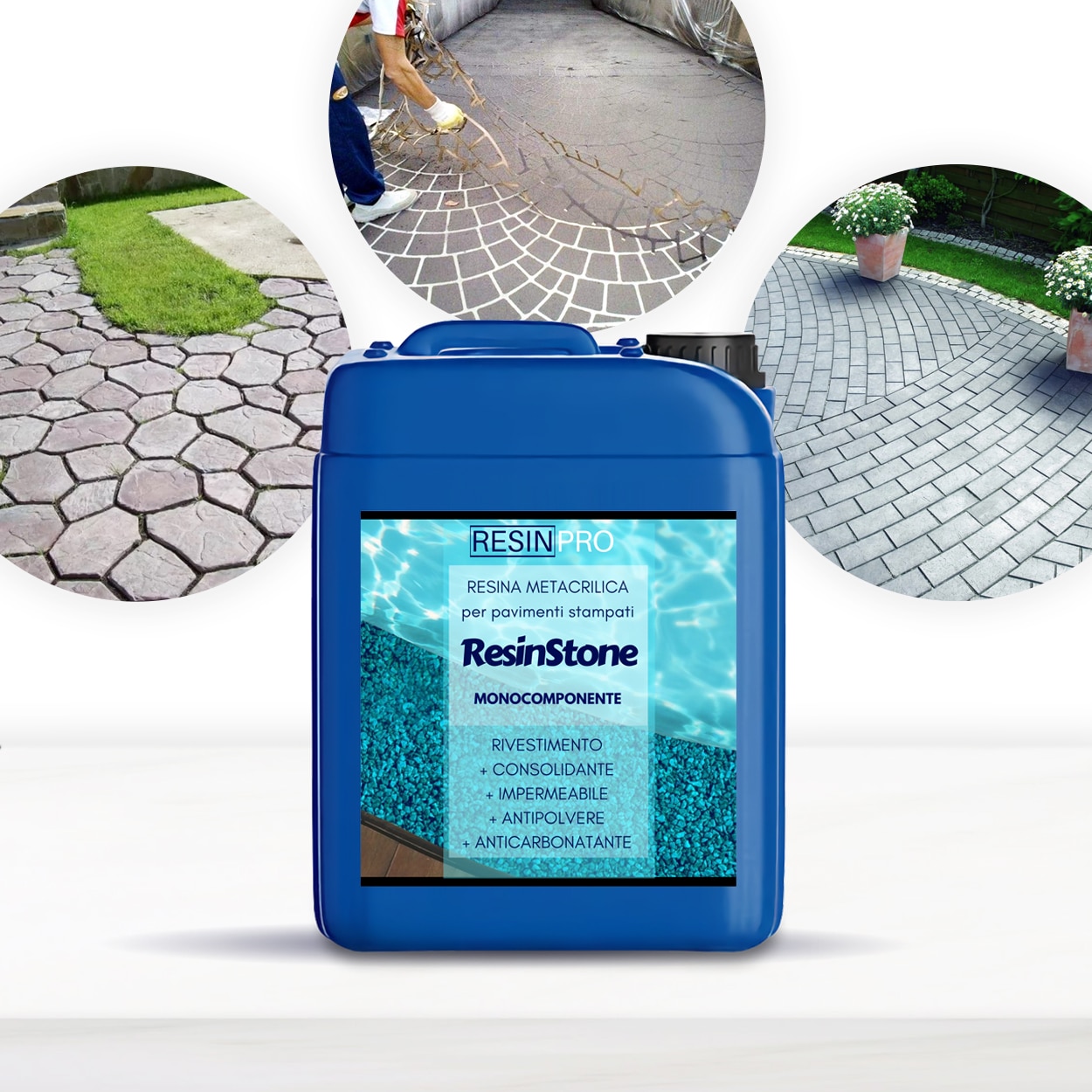
- “Resinstone” – One-Component Methacrylic Resin for Concrete Floors and Driveways: Seals and protects concrete, ideal for creating a durable, moisture-resistant barrier.
- “Epoxyprimer” – Universal Water-Based Two-Component Epoxy Floor Primer: Useful for priming concrete before subsequent epoxy or polyurethane coatings.
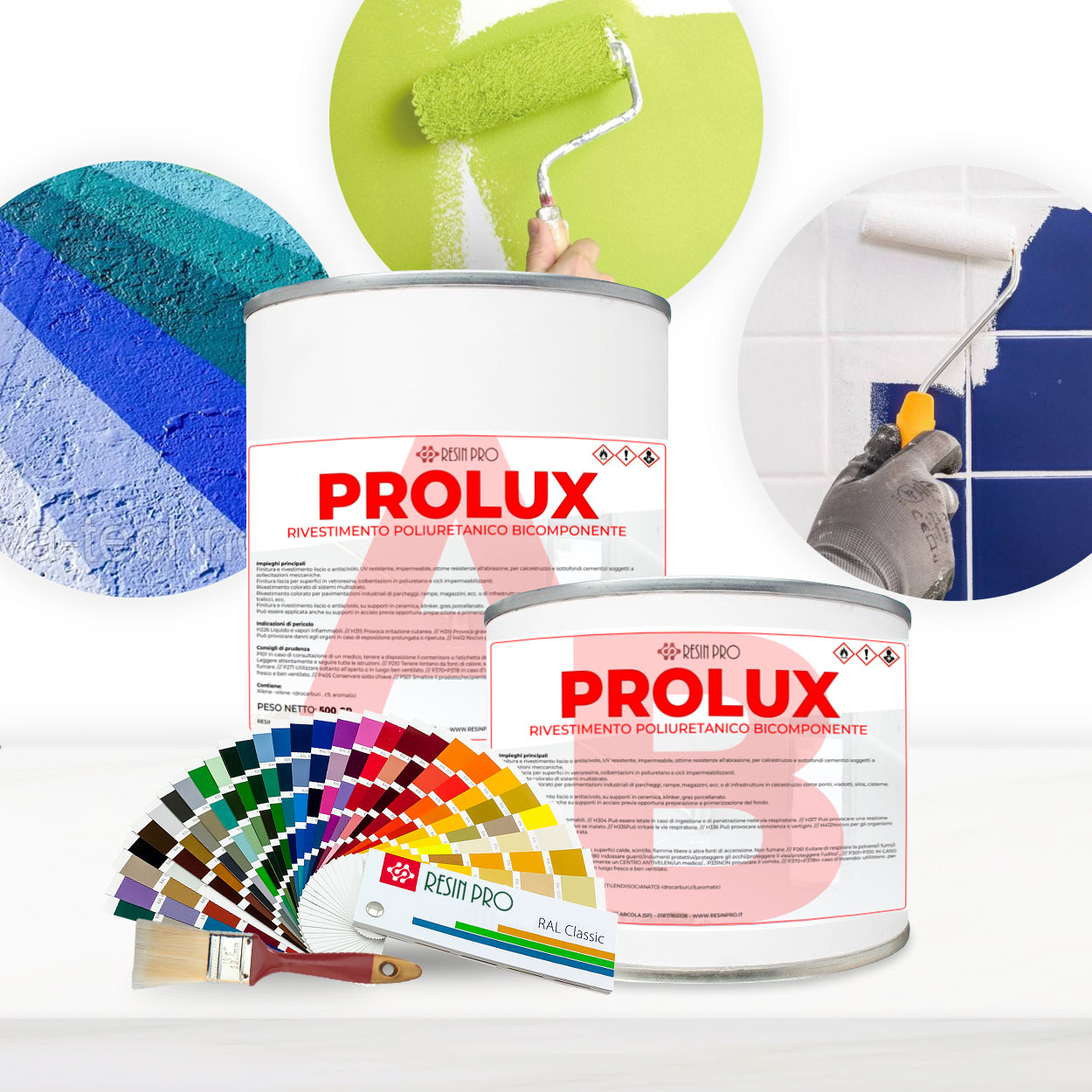
- “Prolux” – PU coating for tiles, concrete, plastic and metal – suitable for driveable surfaces: Provides a strong, UV-resistant topcoat for external or high-traffic concrete areas.
- “Trasparente” – Epoxy Binder for Coloured Pebbles and Grits: Suitable if you’re aiming for a decorative pebble effect or permeable flooring.
- Clean, lint-free rollers or brushes
- Protective gloves and mask
- Painter’s tape and sheets for masking

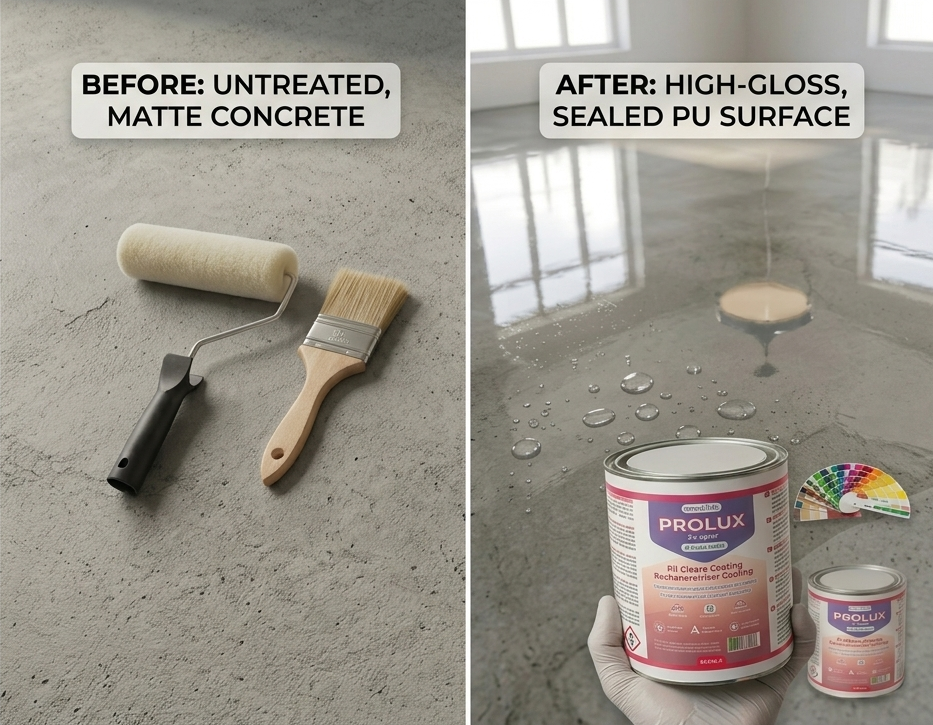
Visual Guide: Resin Application Tools and Preparation
Gather all application essentials before starting—including mixing containers, rollers, brushes and protective clothing. Proper prep and suitable tools are crucial for an even, flawless finish whether sealing a driveway, garage, or decorative path.
Step 1: Prepare and Inspect the Surface
Ensure the concrete is fully cured and dry; this is crucial for resin adhesion. New concrete should cure for at least 28 days. The surface should be free of dust, grease, oil, and old coatings. Sweep and mop the area thoroughly. Identify any loose, crumbling, or contaminated areas—these should be repaired or removed before proceeding. For stubborn grease stains, consider a concrete degreaser or mild detergent, allowing the surface to dry completely before moving on.
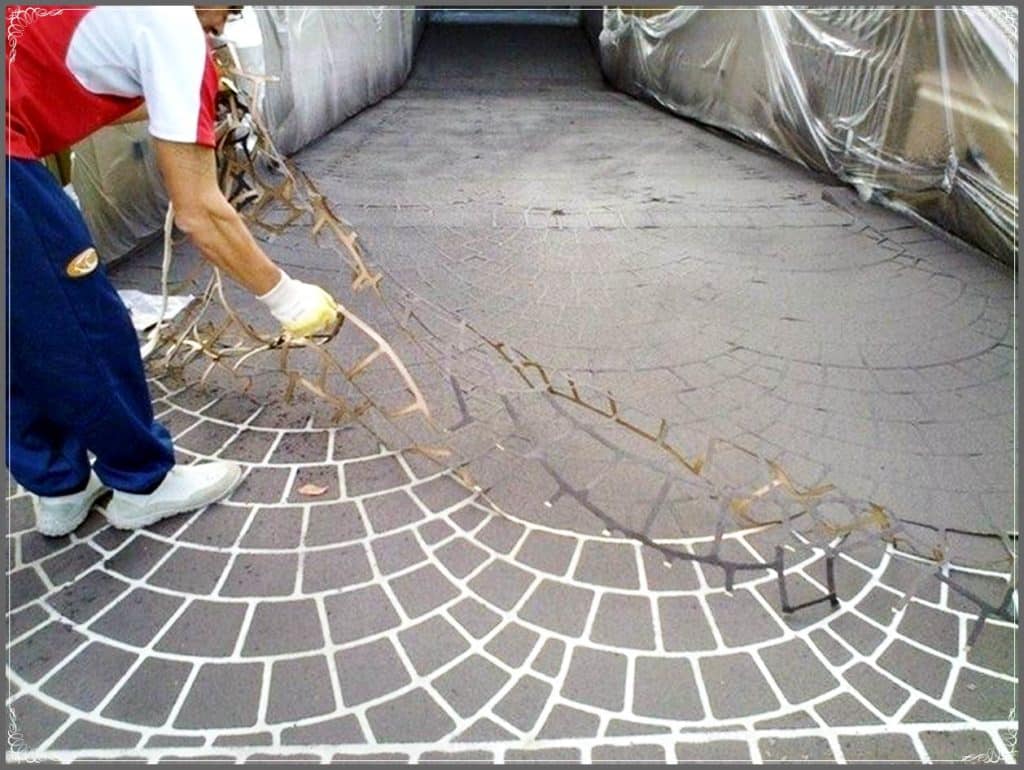
Step 2: Apply the Primer (If Required)
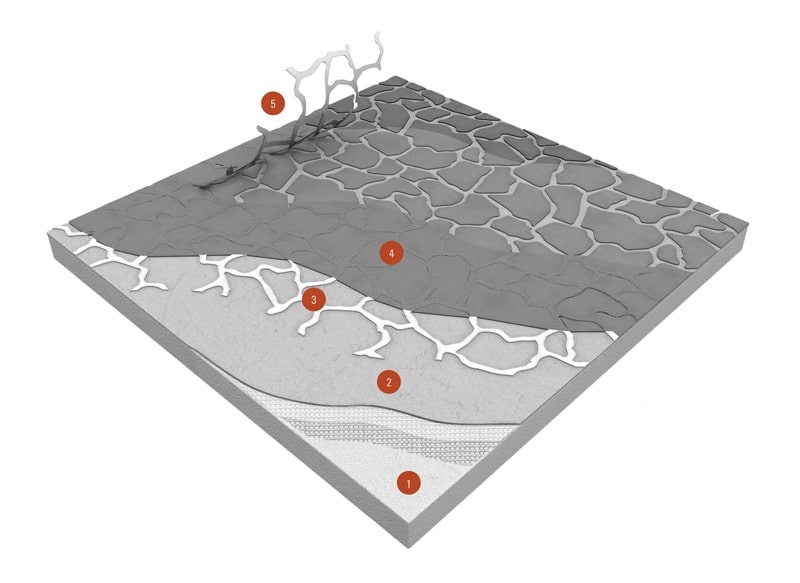
For maximum adhesion, especially if you will use an epoxy or polyurethane topcoat, apply a suitable primer. On porous or powdery surfaces, a primer like “Epoxyprimer” – Universal Water-Based Two-Component Epoxy Floor Primer delivers strong bonding and improves the longevity of your finish. Follow product instructions for mixing and application, usually by roller or brush in a thin, even layer. Allow enough curing time between layers—typically 24–48 hours for epoxy primers—before resin application.
Step 3: Mix and Apply the Resin
Before applying a resin layer, mask any areas you wish to protect using painter’s tape and sheets. Choose your resin type for the intended use—methacrylic resin for classic sealing, polyurethane for UV stability, or transparent epoxy for decorative effects. Mix components per manufacturer guidelines, working quickly but thoroughly.
“Resinstone” – One-Component Methacrylic Resin for Concrete Floors and Driveways can be applied by roller or brush, working in thin coats on absorbent concrete. “Prolux” – PU coating for tiles, concrete, plastic and metal – suitable for driveable surfaces requires mixing two pre-measured parts before rolling or brushing smoothly onto the concrete. Work in manageable sections for best results and overlap slightly to avoid missed patches.


Step 4: Special Effects or Decorative Options
To achieve a decorative pebble finish, dry-lay coloured aggregates across the primed surface, then blend with a specialised clear binder. “Trasparente” – Epoxy Binder for Coloured Pebbles and Grits should be mixed with the chosen pebbles prior to application, making sure all are encapsulated for best durability and a bubble-free look. Gently trowel the mixture onto the prepared substrate, observing maximum recommended thickness. Avoid working in very humid or cold weather, as this can affect resin performance and aesthetics.
Step 5: Curing and Protection
Once applied, ensure good ventilation and protect the area from foot or vehicle traffic as curing completes. Thin coats help avoid bubbles and ensure penetration—a common best practice for resin on concrete. Check manufacturer guidelines for full cure time, which may range from 12 hours for some methacrylic resins to several days for epoxy or PU. Before use, confirm the surface is no longer tacky and fully hardened. Remove all masking and carry out a gentle clean before regular use.
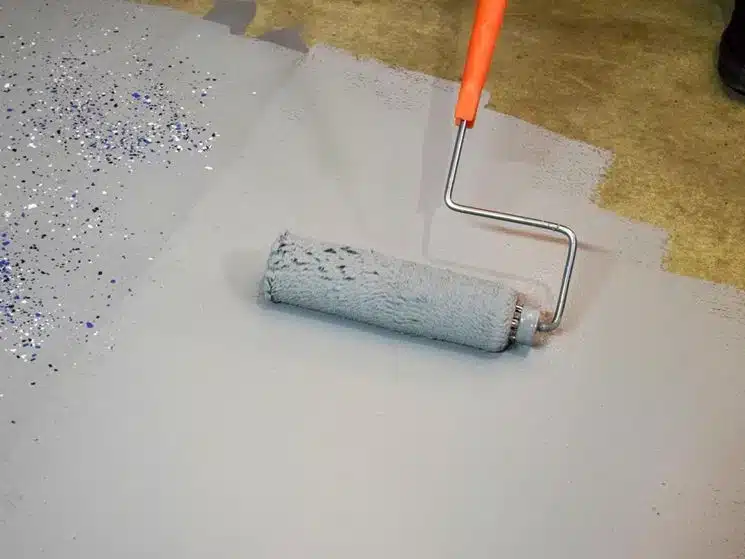
Tips and Common Mistakes to Avoid
Proper preparation and patience are essential. Rushing the drying or curing stage may result in adhesion failures or poor appearance. Always mix products thoroughly and follow specified ratios. Never apply resin to damp, oily, or poorly cleaned concrete. Temperature extremes and high humidity should also be avoided to prevent cloudiness or curing issues. For best results, plan the job during a period of mild, dry weather and give yourself plenty of time for each stage.
Finishing Touches: Showcase Results and Curing
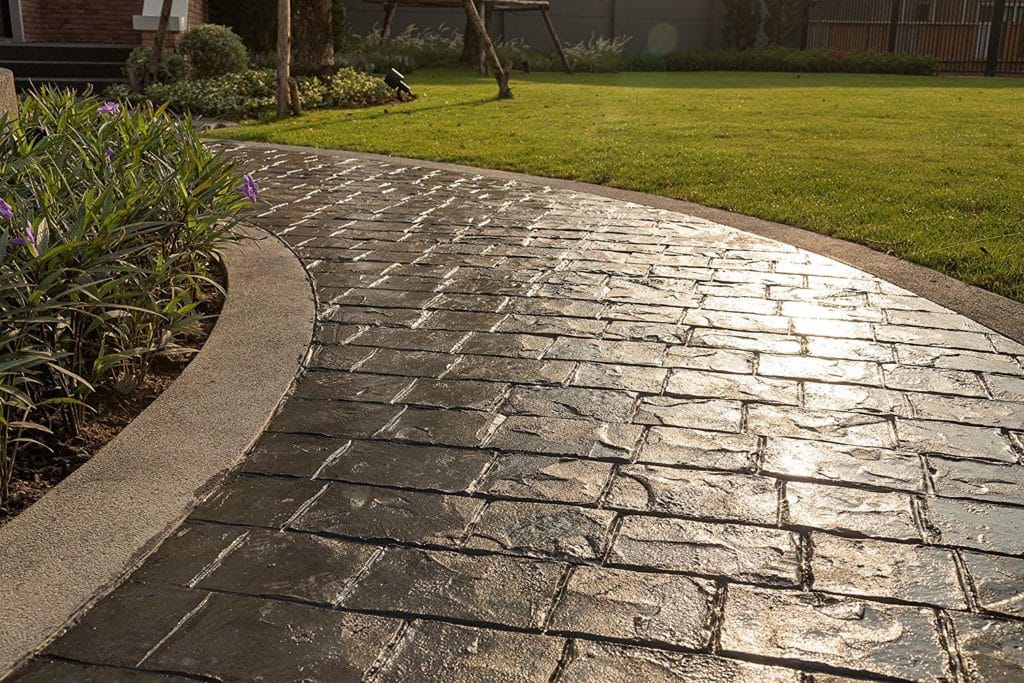
Let your newly resined concrete cure fully before use. Display the finished surface after removing masking for a sharp edge and uniform gloss. Well-cured resin provides years of protection and lasting appeal.
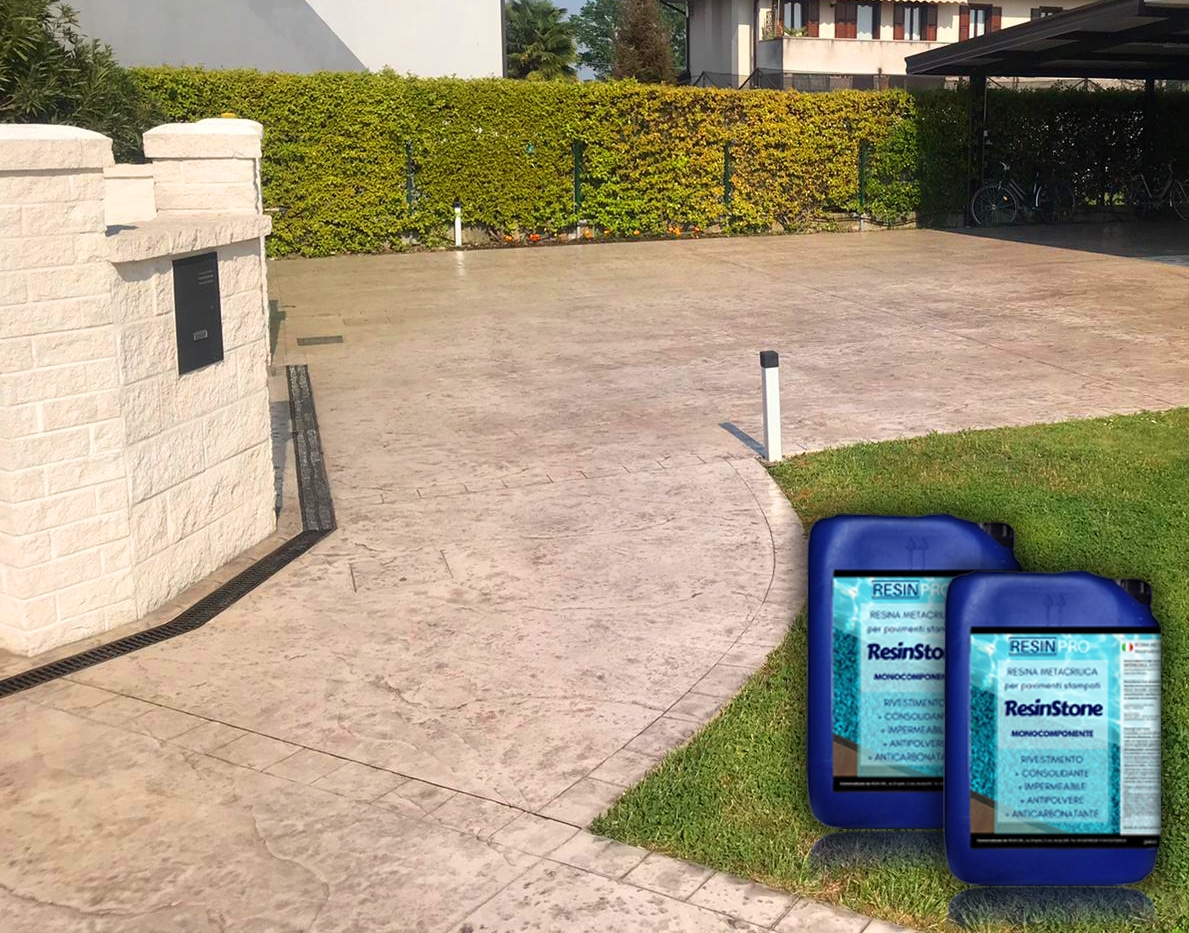
- "Resinstone" – One-Component Methacrylic Resin for Concrete Floors and DrivewaysPrice range: £36.71 through £336.48RESINSTONE is a one-component methacrylic resin for sealing concrete floors and driveways, offering durable, moisture-resistant protection.
- "Epoxyprimer" – Universal Water-Based Two-Component Epoxy Floor PrimerPrice range: £156.45 through £286.45"Epoxyprimer" is a water-based epoxy floor primer designed for reliable adhesion on concrete, tiles, screed and timber surfaces.
- "Prolux" – PU coating for tiles, concrete, plastic and metal – suitable for driveable surfacesPrice range: £44.85 through £494.85"Prolux" PU coating offers a versatile finish for concrete, tiles, plastic and metal surfaces, suitable for driveable areas in projects relating to…
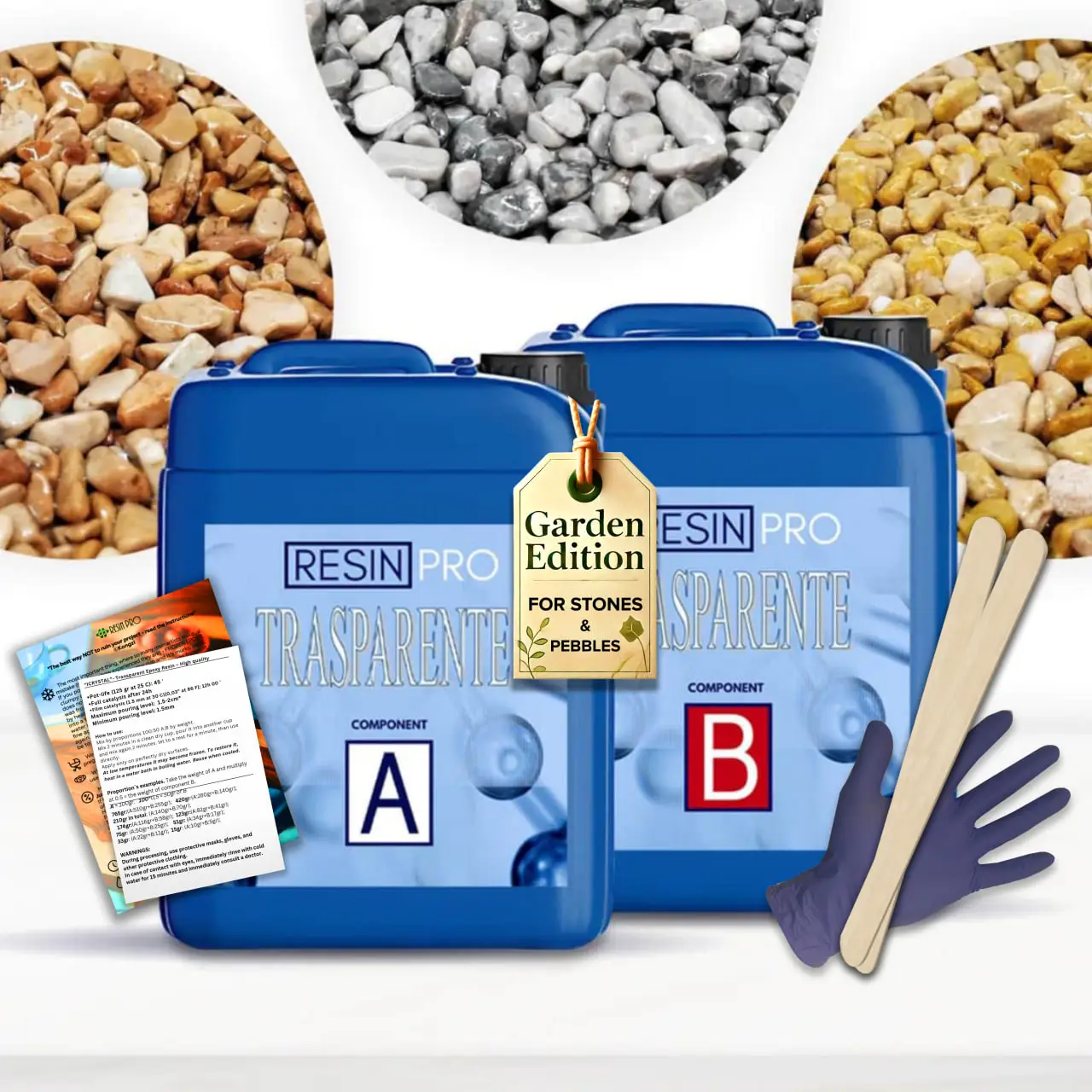 "Trasparente" – Epoxy Binder for Coloured Pebbles and GritsPrice range: £33.45 through £397.95"Trasparente" offers a clear, UV-stable epoxy binder for coloured pebbles and grits, suited to decorative and permeable floors under the theme 'How…
Frequently Asked Questions
What is the best resin for sealing concrete?
Methacrylic resins are popular for easy sealing and moisture resistance, while polyurethane offers superior durability and UV resistance.
How long does resin take to cure on concrete?
Cure times vary by product—some resins cure in 12 hours, while others take 24–48 hours. Always check the manufacturer’s instructions before using the area.
Can you apply resin to old or worn concrete?
Yes, but damaged areas must be repaired and the surface thoroughly cleaned for good adhesion and results.
Do you always need a primer when resining concrete?
Primers are strongly recommended for porous, powdery, or previously untreated concrete, especially before epoxy or PU topcoats.
Are resined concrete surfaces suitable for outdoors?
Yes, specialist resins are designed to withstand weather, UV, and moisture. Ensure the product chosen is rated for exterior use.
What tools are needed for resining concrete?
You’ll need rollers or brushes, mixing containers, protective gloves, and painter’s tape to achieve professional-looking results.