 Free shipping on orders over £29,85
  Shipping Tracking!


 Google
 Facebook
← Back to How to resin the concrete?
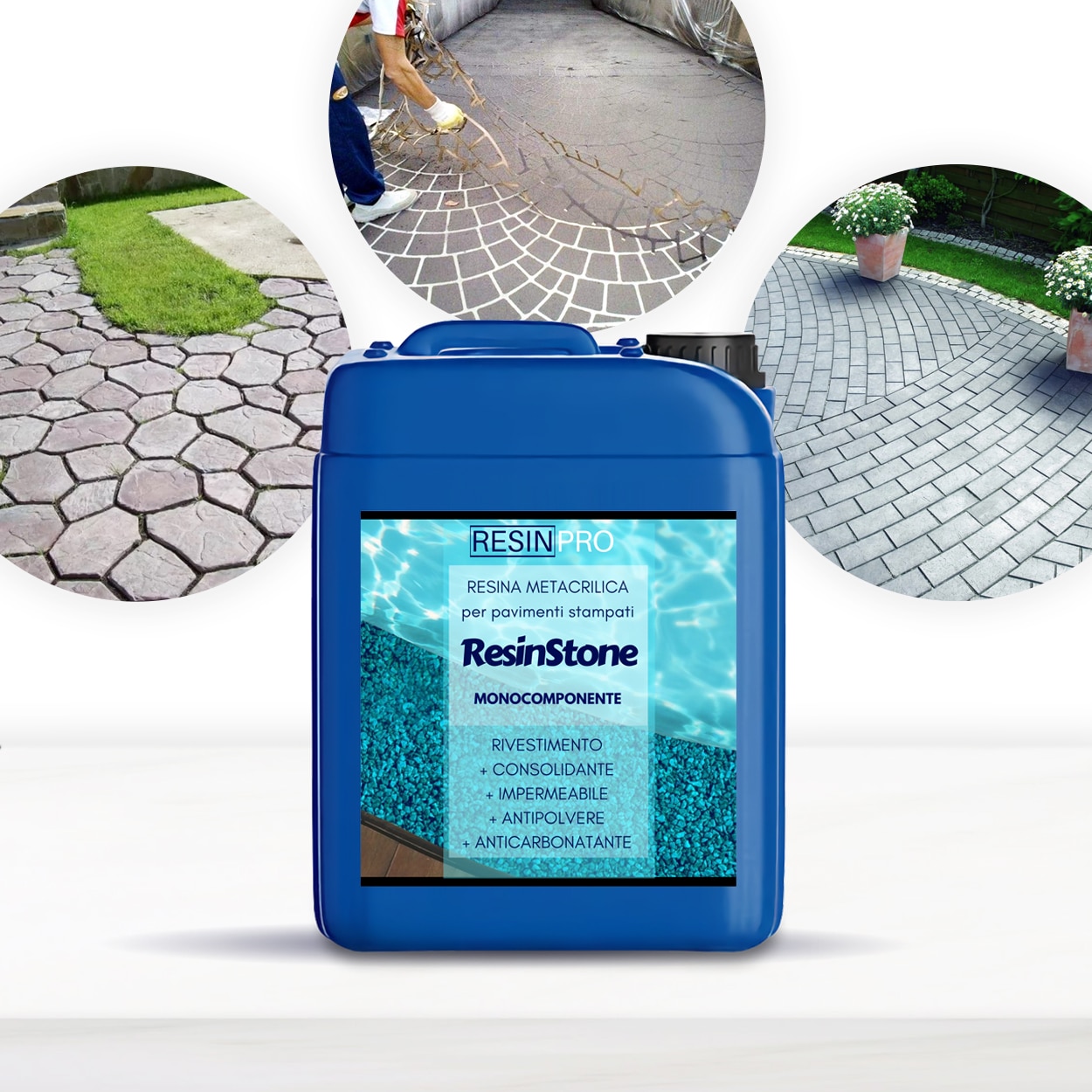

Applying resin to concrete surfaces can greatly enhance durability and appearance. One crucial tip for successful results: use thin coats to help avoid bubbles and ensure thorough penetration into the concrete.
How Thin Coats Minimise Bubbling
When resin is applied in thick layers, air trapped in the concrete’s pores is more likely to form bubbles as it rises. Thin coats allow trapped air to escape more easily before the resin sets, reducing the chance of unsightly bubbles and imperfections. This is especially important for decorative or high-traffic areas where a smooth, professional finish is desired.
Ensuring Deep Penetration for Lasting Protection
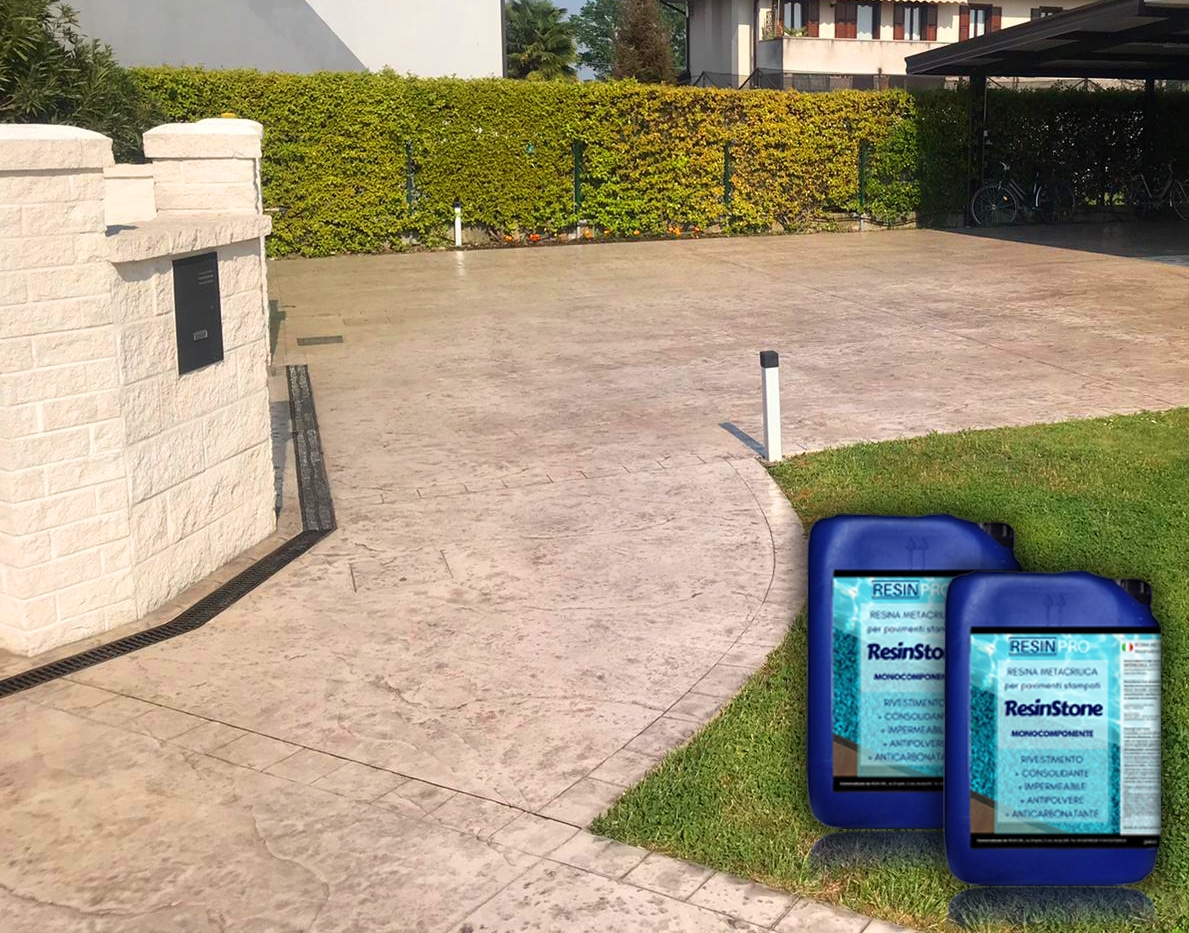
Thin resin layers can soak deeply into the tiny capillaries of concrete, improving adhesion and forming a durable, protective barrier against moisture, chemicals, and wear. Products such as Resinstone One-Component Methacrylic Resin are designed with deep penetration in mind, sealing the surface effectively for long-term protection.
Practical Tips for Application
- Use a brush or roller to apply a thin, even layer of resin to clean, dry concrete.
- Allow each coat to dry completely before adding another; this prevents trapping air and ensures the best bond.
- Follow product-specific guidance regarding waiting times and recommended number of coats, such as those for methacrylic or epoxy-based resins.
When Paying Attention to Thickness Matters Most
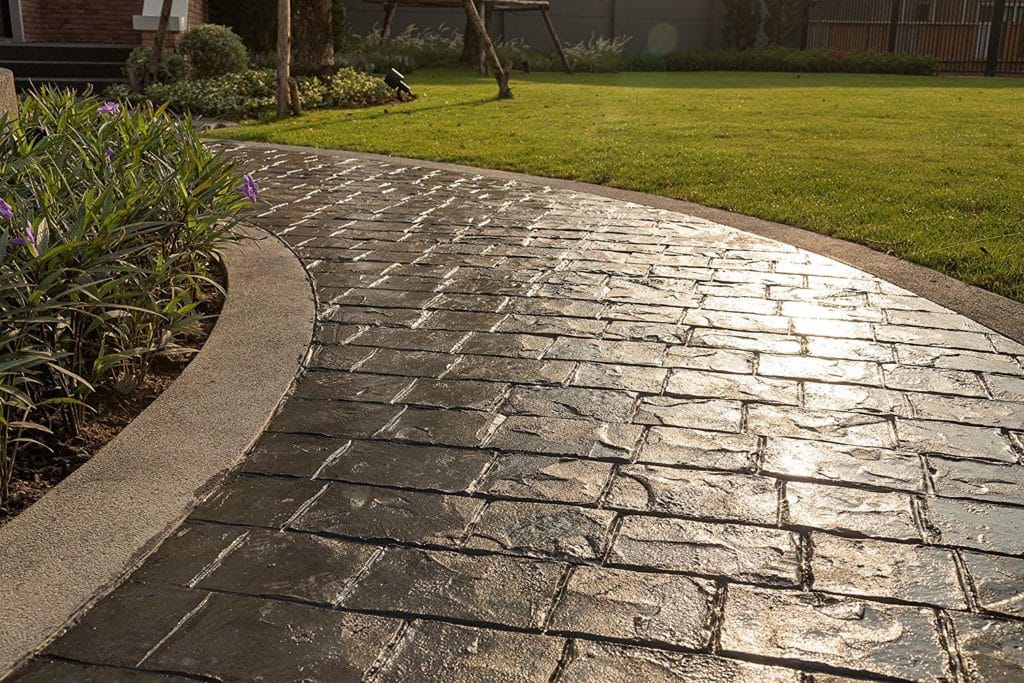
Applying thin coats is critical for porous, older concrete and in situations where appearance matters, such as garages, driveways, and paths. Proper technique ensures bubble-free, protective finishes that last longer and look better.
Related products
Related guides
Mastering the technique of applying thin resin coats is key to achieving a high-quality, resilient finish on concrete. For more on preparation and best practices, return to our guide on how to resin the concrete.