 Free shipping on orders over £29,85
  Shipping Tracking!


 Google
 Facebook
How to use epoxy glue?
Step-by-step guide for achieving strong, long-lasting joints


Epoxy glue is a powerful adhesive, ideal for precision repairs, crafts, and heavy-duty bonding across materials like metal, wood, plastic, stone, and more. This guide shows you the proven steps to use epoxy glue safely and effectively, boosting bond strength and minimising mess whatever your project.
What You’ll Need
- “Klebfix” – Two-Component Fast Epoxy Glue 2K, 25g Syringe – best for quick, professional-strength repair on plastic, metal, glass, and more.
- “FixExpress” – Two-Component Epoxy Glue 500g – for larger repairs or multi-material jobs around the home or workshop.
- “Mixer Nozzle” – For Mixing Epoxy Glue, 50ml, Araldite 2000 Series Compatible – for cartridge-based applications, ensuring thorough blending.
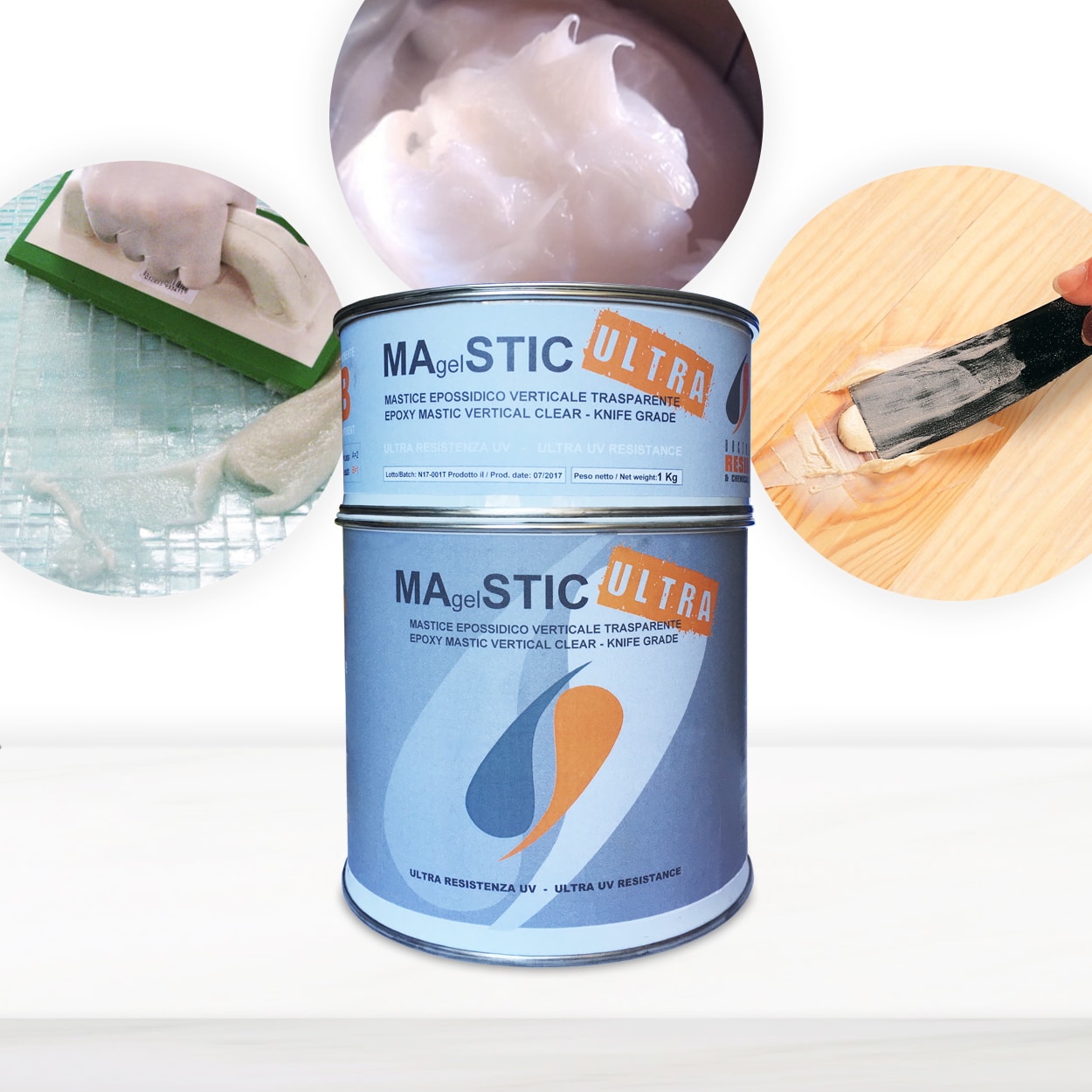
- “Magelstick” – Epoxy Mastic for Stone, Metal, and Cement Bonding and Grouting – ideal for stonework, vertical surfaces, or grouting repairs.
- Disposable gloves
- Sanding paper or abrasive pad
- Lint-free cloth
- Clamps or weights for holding pieces together

See Epoxy Glue in Action
Watch how a two-component epoxy glue is prepared, mixed, and applied using a double-chamber syringe. Notice how even, clean application delivers professional-strength results across plastics, metals, and more.

Step 1: Prepare and Clean All Surfaces
Achieving a reliable epoxy bond starts with preparation. Surfaces must be clean, dry, and slightly roughened. Remove grease, dust, and loose particles with a lint-free cloth and a suitable cleaner. For glossy or non-porous materials such as metal, glass, or ceramics, lightly sand the bonding area to improve adhesion. Any residue left behind can compromise strength, so wipe down with a clean, dry cloth just before glue application.
Cleanliness matters for a strong epoxy bond: spend extra moments making sure no dust or oil remains. Even small contaminants can cause the glue joint to fail.
Step 2: Measure and Mix the Epoxy Glue
Epoxy adhesives consist of two components: resin and hardener. For strongest results, dispense equal amounts (1:1 ratio) unless your product’s instructions state otherwise. If using syringe products like “Klebfix” – Two-Component Fast Epoxy Glue 2K, 25g Syringe, use the double-chamber design for precise, easy dosing. For larger jobs, “FixExpress” – Two-Component Epoxy Glue 500g is ideal, as it can be weighed or measured by volume.
If your glue is cartridge-based, attach a “Mixer Nozzle” – For Mixing Epoxy Glue to a 50ml Araldite cartridge to automatically blend the two parts as you dispense. Be sure to mix thoroughly: unmixed patches won’t cure properly.
Don’t rush mixing and application: Mix only the amount you can use within five minutes. Rapid-setting epoxies leave little time to adjust parts.
Step 3: Apply the Epoxy and Assemble
With the mixed epoxy ready, spread it evenly on one surface using a spatula, stick, or directly from the syringe. Apply a consistent layer—too little leaves gaps, too much causes squeeze-out. Join parts together within the adhesive’s working time (usually under five minutes). For gap filling or vertical repairs, a mastic like “Magelstick” – Epoxy Mastic stays in place without sagging and works brilliantly on stone or cement.
Press pieces firmly and use clamps or weights to hold them steady until set. Remove any excess glue with a cloth before it hardens for the neatest finish.

Step 4: Allow to Cure and Finish
Epoxy glue sets quickly but needs time for full strength. Most rapid formulas reach handling strength in about five minutes, but let the joint sit undisturbed for at least 30 minutes for maximum security. For best results, avoid moving or stressing the bond until after the full cure period specified by the manufacturer—typically a few hours.
Control curing environment and clamping: Room temperature and steady clamping make a noticeable difference in final bond quality. Check your epoxy’s label for specific curing temperatures and times.
Tips, Troubleshooting, and Common Mistakes
For invisible joints, choose a clear-drying epoxy and wipe away excess before it sets. If the glue cures sticky or fails to harden, likely causes are poor surface prep or incorrect mixing ratio. If bonding fails, check for contamination and re-clean both surfaces before trying again.
Do not try to force-set epoxy with excessive heat. For vertical or overhead work, always use a thixotropic or mastic epoxy like “Magelstick” to prevent drips or runs. Dispose of unmixed epoxy components safely and avoid skin contact.
Professional Finishes Made Simple
Real users demonstrate perfectly bonded repairs on wood, metal, and stone using top-rated epoxy adhesives. See how the right mixing and preparation ensure long-lasting strength and invisible joints for every project.

- "Klebfix" – Two-Component Fast Epoxy Glue 2K, 25g Syringe£24.00"Klebfix" is a two-component epoxy glue designed for fast, clear, strong bonding of various materials in demanding repairs.
- "FixExpress" – Two-Component Epoxy Glue 500g£26.95"FixExpress" two-component epoxy glue offers a quick-setting, strong adhesive suitable for a range of materials in repair tasks.
- "Mixer Nozzle" – For Mixing Epoxy Glue, 50ml, Araldite 2000 Series Compatible£1.52Mixer nozzles designed to support 50ml Araldite 2000 series epoxy glue cartridges for effective mixing.
- "Magelstick" – Epoxy Mastic for Stone, Metal, and Cement Bonding and GroutingMagelstick Epoxy Mastic is designed for expert bonding and repair of stone, metal, and cement surfaces following the theme How to use epoxy glue?
Frequently Asked Questions
Which materials does epoxy glue bond well?
Epoxy glue bonds wood, metal, glass, ceramics, stone, most plastics, and rubber. Surface preparation is key for strong adhesion.
What is the correct mixing ratio for epoxy glue?
Most epoxy adhesives are mixed 1:1 by weight or volume, but always check your specific product instructions before use.
How long does epoxy glue take to set?
Rapid-setting formulas typically become non-tacky within 5 minutes. For full strength, allow several hours of curing time.
Are there safety tips for using epoxy glue?
Wear gloves and protect skin and eyes. Work in a well-ventilated area and dispose of unused components responsibly.
How do I prevent epoxy glue failures?
Clean and dry surfaces thoroughly, mix carefully, and clamp parts until fully cured. Incorrect prep or ratio are common issues.
What’s the best way to remove excess epoxy glue?
Wipe away spills immediately with a cloth before it sets. Once hardened, gently scrape or sand the residue away.
Can epoxy glue be used outdoors?
Yes, provided the epoxy is both waterproof and weather-resistant. Check the label to confirm outdoor suitability.