 Free shipping on orders over £29,85
  Shipping Tracking!


 Google
 Facebook
How to use resin for floors?
A step-by-step approach for seamless, long-lasting surfaces
If you are seeking a durable, attractive floor for your garage, driveway, patio, or a modern interior, resin flooring is an excellent solution. This guide walks you through the professional approach to using resin for floors, ensuring you achieve a seamless, robust surface that stands the test of time—whether you are a seasoned contractor or a DIY enthusiast exploring a new project.
What You’ll Need
- “Epoxyprimer” – Universal Water-Based Two-Component Epoxy Floor Primer: For superior adhesion on concrete, tile, timber or screed.
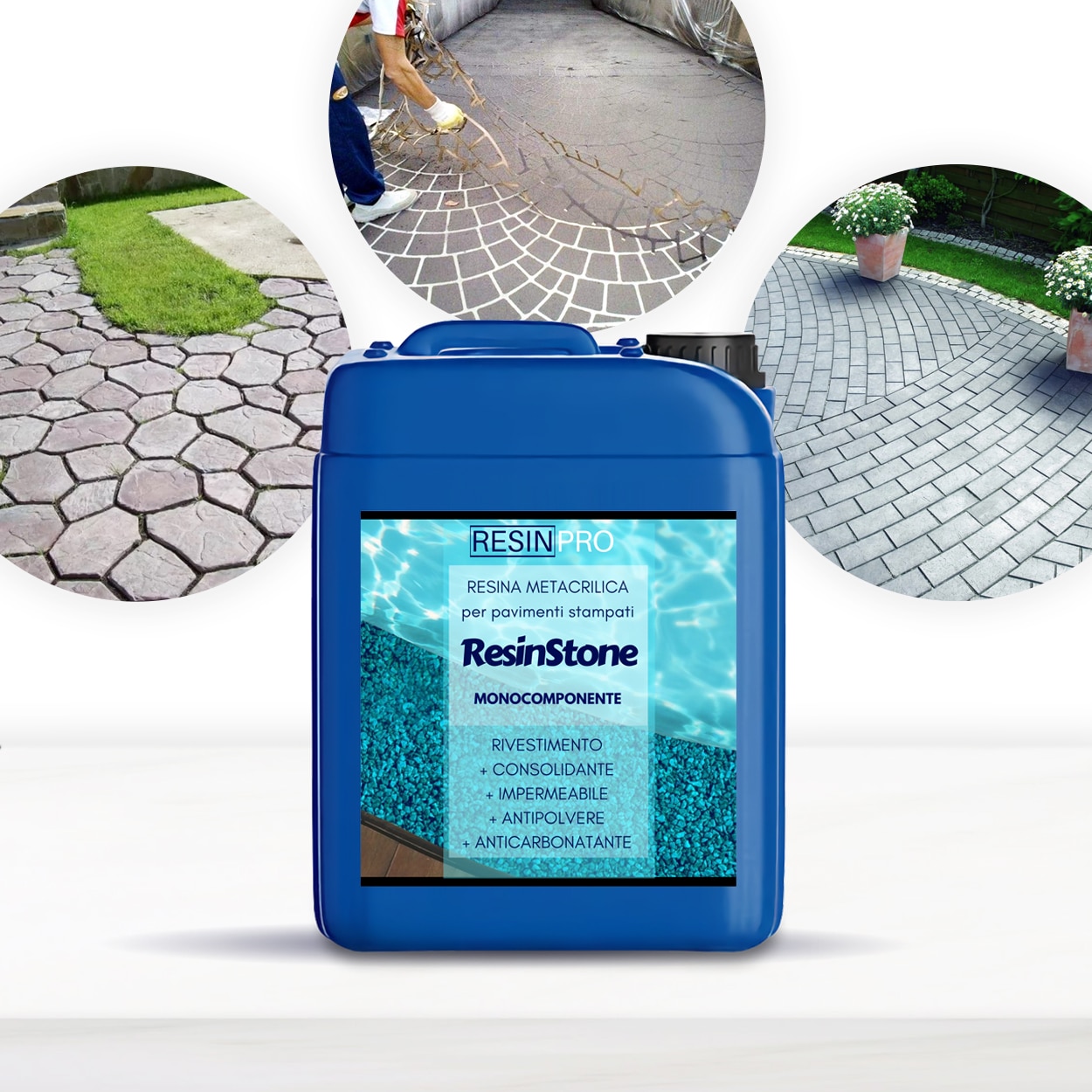
- “Resinstone” – One-Component Methacrylic Resin for Concrete Floors and Driveways: Ideal for sealing and protecting absorbent concrete surfaces, garages, and patios.
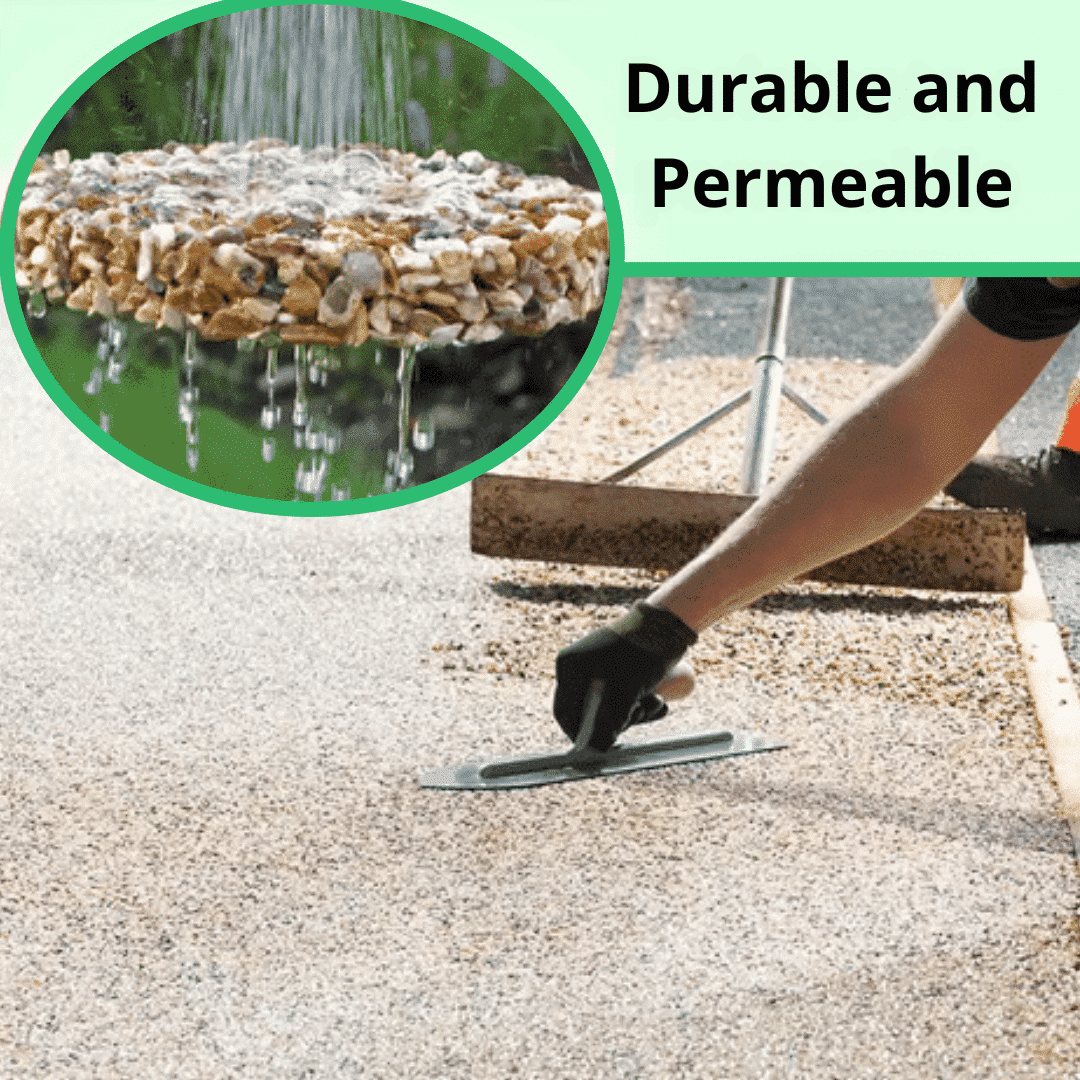
- “Flowstone” – Complete Permeable Floor Kit with Pebbles and Resin: Suited for creating permeable outdoor spaces, driveways, and walkways.
- “Trasparente” – Epoxy Binder for Coloured Pebbles and Grits: For binding and finishing pebble or aggregate-based surfaces needing a clear and UV-resistant finish.
- Protective gloves, mask, and eye protection
- Rollers, brushes, or spatulas for application
- Cleaning materials (vacuum, detergent)

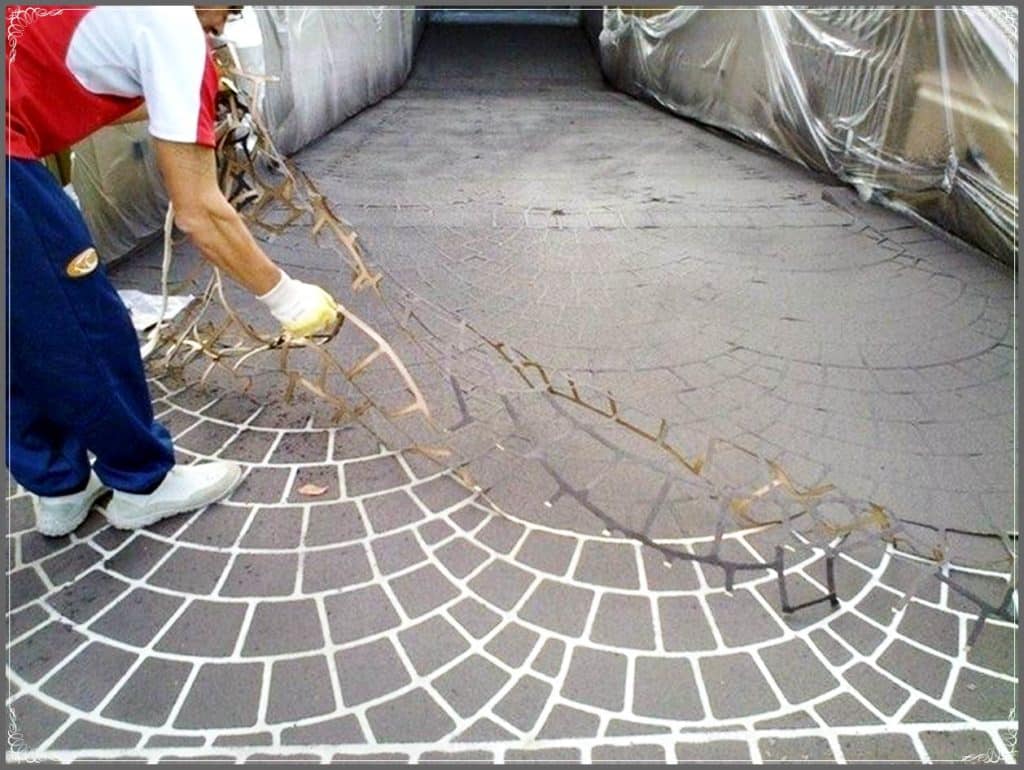
See Step-by-Step Resin Flooring in Action
Explore visuals of the full resin flooring process—from substrate preparation to final finish. Notice the even coverage of primer and how aggregates are mixed and set for a professional, durable look. Well-prepared bases and correct resin systems ensure seamless results every time.
Step 1: Prepare the Surface
The longevity and beauty of your resin floor rely on meticulous substrate preparation. Begin by removing all debris, dust, grease, and oil stains from the surface, whether it is concrete, tile, screed, or timber. Fill any cracks or holes, and allow the area to dry completely. A thoroughly cleaned and dry foundation ensures optimal resin bonding and prevents adhesion failures.
Where the substrate is highly absorbent or porous (such as concrete, screed, or timber), applying “Epoxyprimer” – Universal Water-Based Two-Component Epoxy Floor Primer will further enhance adhesion and create a uniform surface. Use a roller or brush to apply the primer, ensuring full coverage, and let it cure for 24–48 hours as recommended.
Step 2: Choose and Mix Your Resin System
Selecting the correct resin is critical for both aesthetics and durability. For solid or sealed concrete floors requiring robust protection—such as garages, driveways or patios—opt for a one-component resin designed for deep penetration. For decorative, permeable surfaces, particularly outdoors, consider specialised kits combining resin binders and pebbles or coloured aggregates.
Carefully follow manufacturer instructions when mixing two-component systems, such as epoxy binders. Accurate ratios and thorough mixing minimise bubbles and unreacted resin areas. For aggregate systems, ensure pebbles or stones are dry before mixing to guarantee even encapsulation by the binder.
Step 3: Apply the Resin Layer
Pour or spread your resin using a trowel, roller, or squeegee, working in manageable sections to maintain wet edges and achieve a smooth, consistent finish. For pebble or aggregate floors, evenly distribute the resin-stone mixture to the desired thickness and use a trowel to firmly compact the layer. Maintain an even application rate to avoid puddling or thin patches.
If working with “Resinstone” – One-Component Methacrylic Resin for Concrete Floors and Driveways, apply by airless spray, roller, or brush according to the surface. For creating permeable pebble finishes, use the “Flowstone” – Complete Permeable Floor Kit with Pebbles and Resin or “Trasparente” – Epoxy Binder for Coloured Pebbles and Grits in combination with your preferred aggregates.
Step 4: Allow to Cure and Finish
Once applied, protect the surface from dust, moisture, and traffic. Resin floors require specific curing periods, typically from 12 hours (for fast systems) up to 48 hours. Avoid walking or placing objects on the area until full cure is achieved.
Some resin systems may benefit from an additional topcoat to enhance durability, UV-resistance, or slip resistance. Always read product recommendations—adding a transparent protective layer can help prolong floor life and maintain its appearance, particularly for outdoor or high-stress settings.
Tips, Common Mistakes, and Troubleshooting
Thorough surface preparation ensures a strong resin bond. Do not underestimate cleaning and priming—skipping this step results in poor adhesion or delamination. Correct resin selection matches the floor type and environment; always confirm the intended use and compatibility for your product. Avoid moisture, dust, and low temperatures for best curing; monitor weather and indoor conditions closely during and after application. Do not rush application or skip recommended curing times.
If air bubbles or cloudy areas appear, check for substrate moisture or improper mixing. For uneven finishes, sand the surface lightly then add an additional coat or top layer. Using the right product for your substrate and application is key to achieving a flawless and long-lasting resin floor.
Real Results: Completed Resin Floor Projects
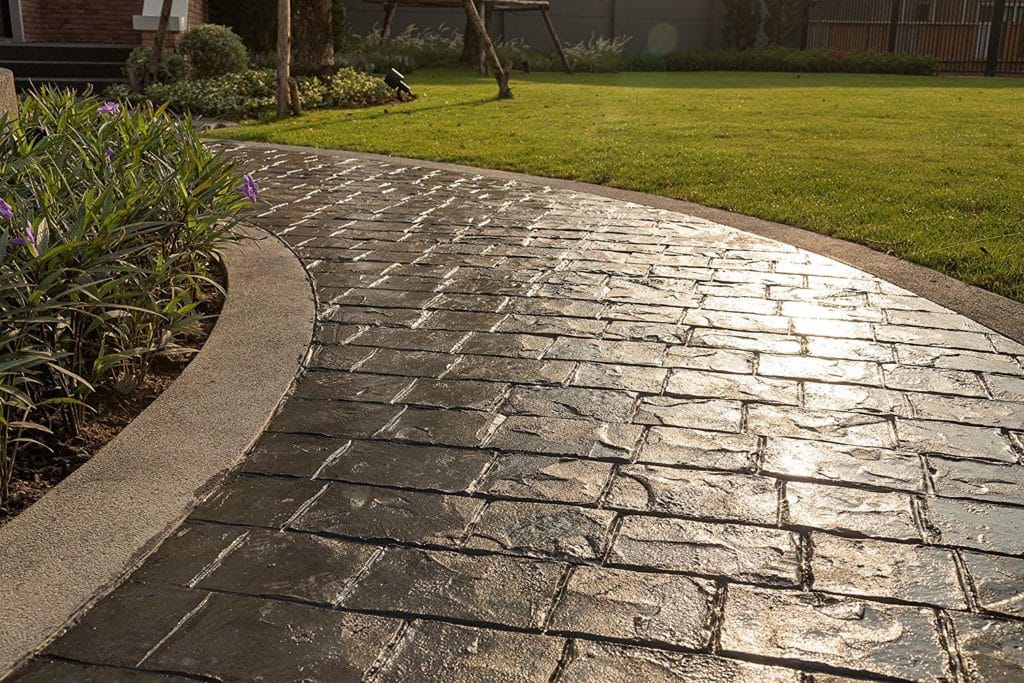
View finishes on concrete and permeable pebble floors using recommended resins and binders. Quality application delivers not only beauty but also outstanding longevity under heavy use. These examples show how proper technique and product choice pay off.
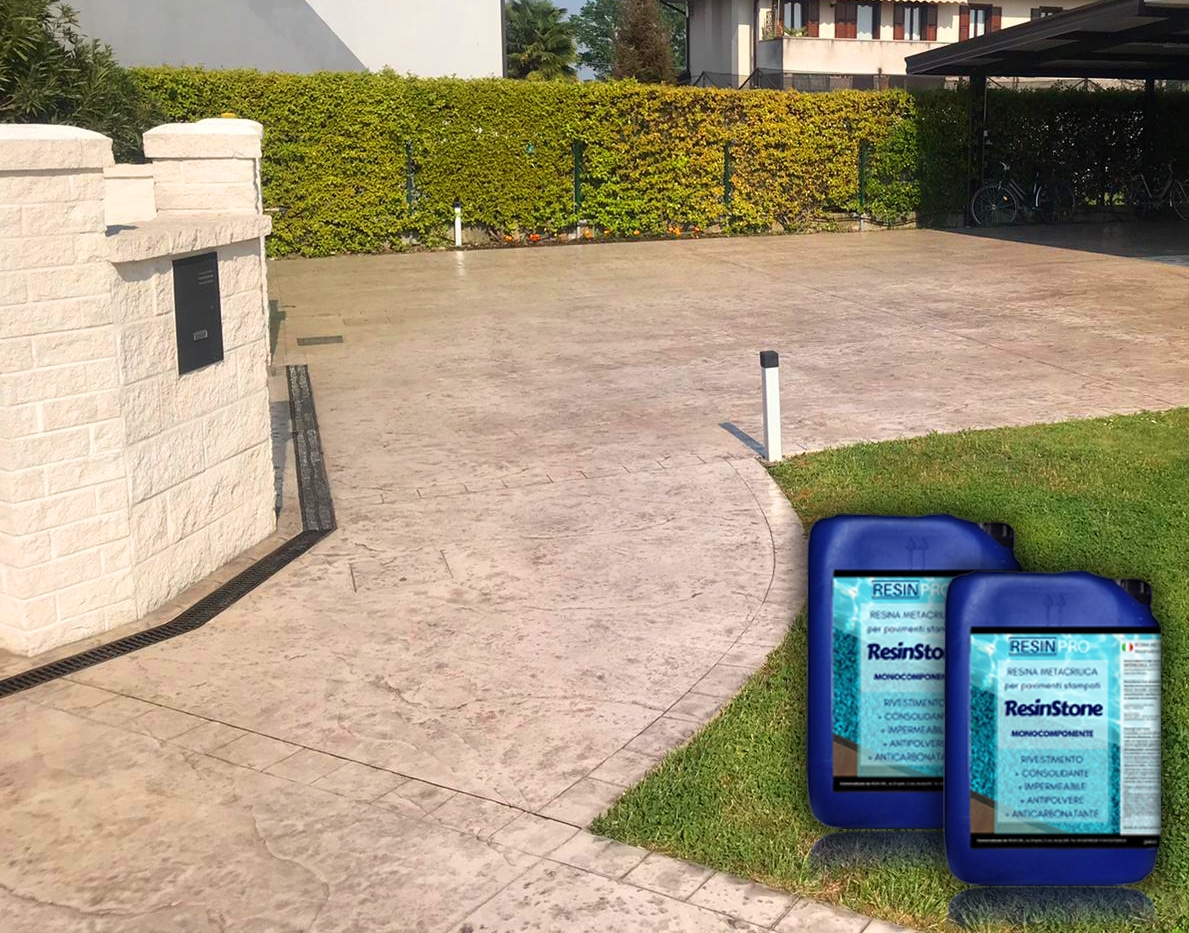
- "Resinstone" – One-Component Methacrylic Resin for Concrete Floors and DrivewaysPrice range: £36.71 through £336.48RESINSTONE is a one-component methacrylic resin designed for sealing and protecting concrete floors and driveways with durable, waterproof protection.
- "Flowstone" – Complete Permeable Floor Kit with Pebbles and ResinPrice range: £49.95 through £3,915.45The Flowstone kit offers a permeable pebble and resin flooring system for outdoor spaces with easy application and various colour options.
 "Epoxyprimer" – Universal Water-Based Two-Component Epoxy Floor PrimerPrice range: £156.45 through £286.45"Epoxyprimer" is a water-based two-part epoxy primer designed for adhesion on concrete, timber, tiles, and screeds within the floor resin theme.
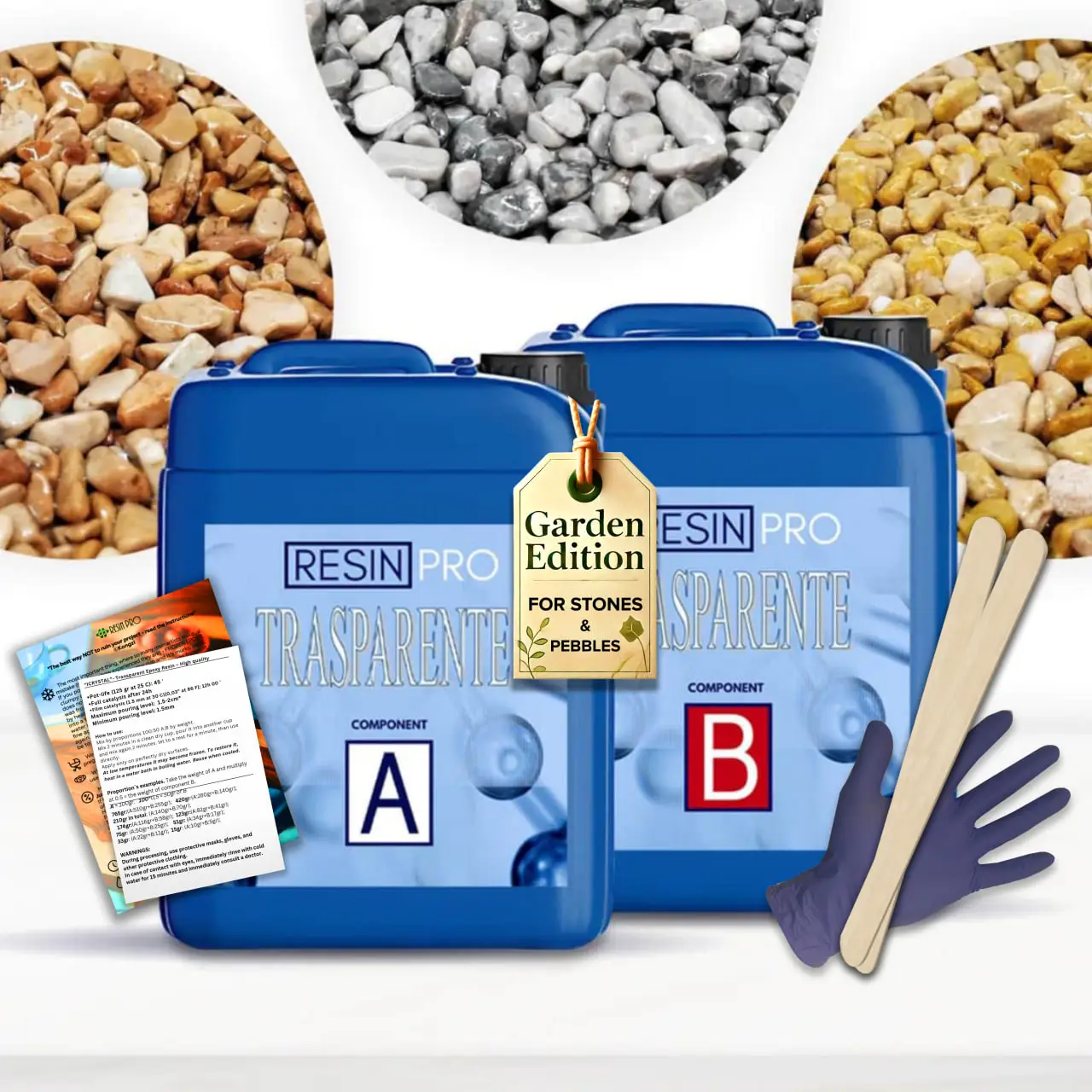 "Trasparente" – Epoxy Binder for Coloured Pebbles and GritsPrice range: £33.45 through £397.95"Trasparente" is a transparent epoxy binder designed for coloured pebbles and grits, providing a clear, UV-resistant finish suitable for floor…
Frequently Asked Questions
How do I choose the right resin for my floor type?
Select methacrylic or epoxy resins for concrete protection, and permeable resin kits for outdoor pebble floors. Match the product to your substrate and environmental needs.
How long does a resin floor take to cure?
Curing typically ranges from 12 to 48 hours, depending on product type and ambient conditions. Always wait for full cure before using the surface.
Is surface preparation essential before resin application?
Yes. Clean, dry, and primed surfaces ensure strong adhesion and lasting results with any resin floor system.
Can resin floors be installed as a DIY project?
Many resin floor systems are suitable for DIYers, provided instructions are followed carefully and surfaces are properly prepared.
Do I need different resins for indoor and outdoor floors?
Yes. Use UV-resistant and permeable systems outdoors, while indoor floors benefit from epoxy or methacrylic resins depending on substrate.
How do I maintain my resin floor's appearance?
Sweep regularly and clean with mild detergent and water. Avoid harsh abrasives to keep the surface looking fresh.