 Free shipping on orders over £29,85
  Shipping Tracking!


 Google
 Facebook
How to use resin with wood?
Step-by-step guide for beginners and experienced woodworkers alike
Combining resin with wood opens the door to stunning creative projects—whether you’re sealing, restoring, or building exceptional tables and art pieces. This guide covers all the essential steps, ensuring durable, flawless results whether you’re a beginner or are looking to expand your woodworking skills with resin techniques.
What You’ll Need
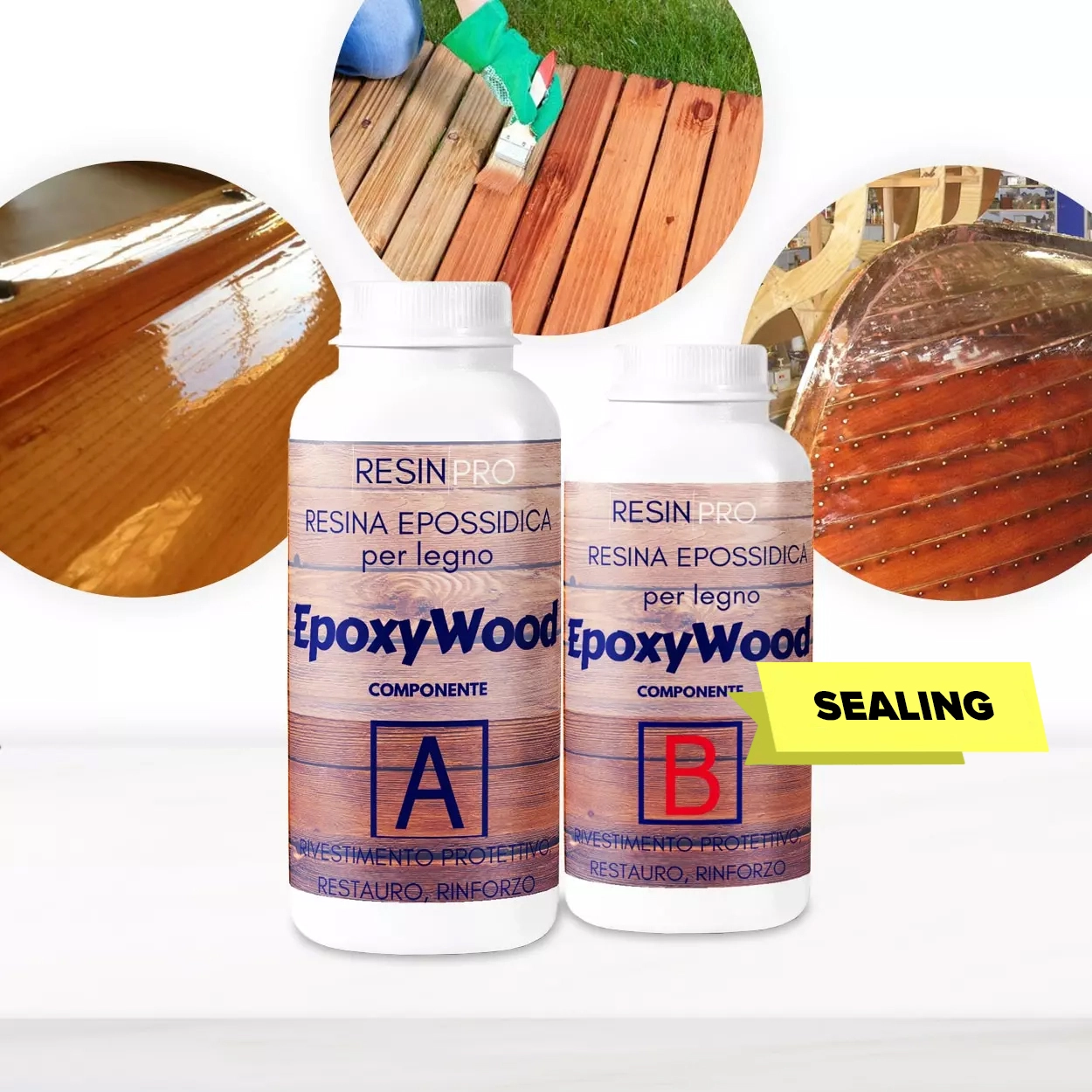
- “EpoxyWood” – Wood Restoration Epoxy Resin for Deep Penetration and Waterproofing: Deep penetrating resin ideal for sealing and reinforcing wood.
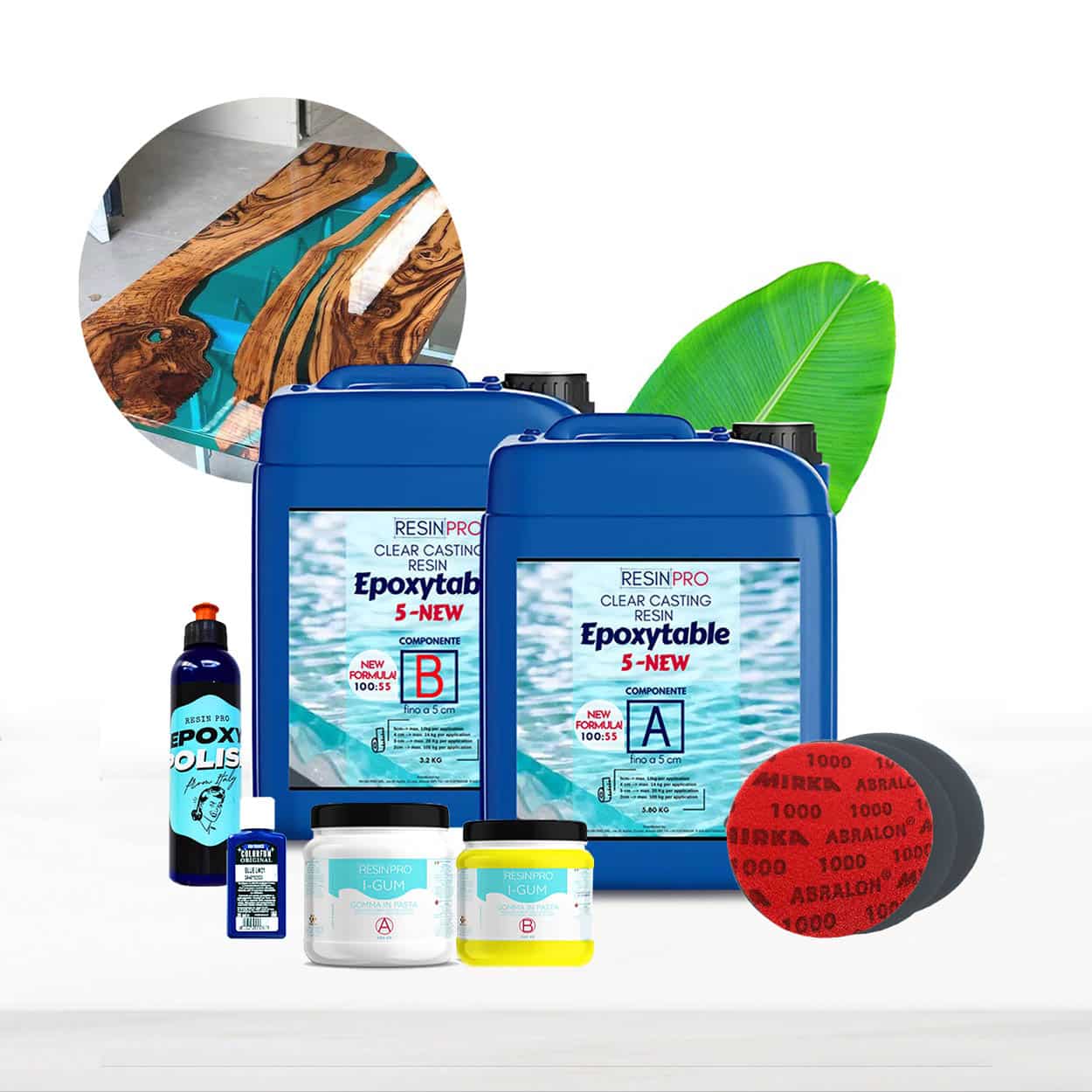
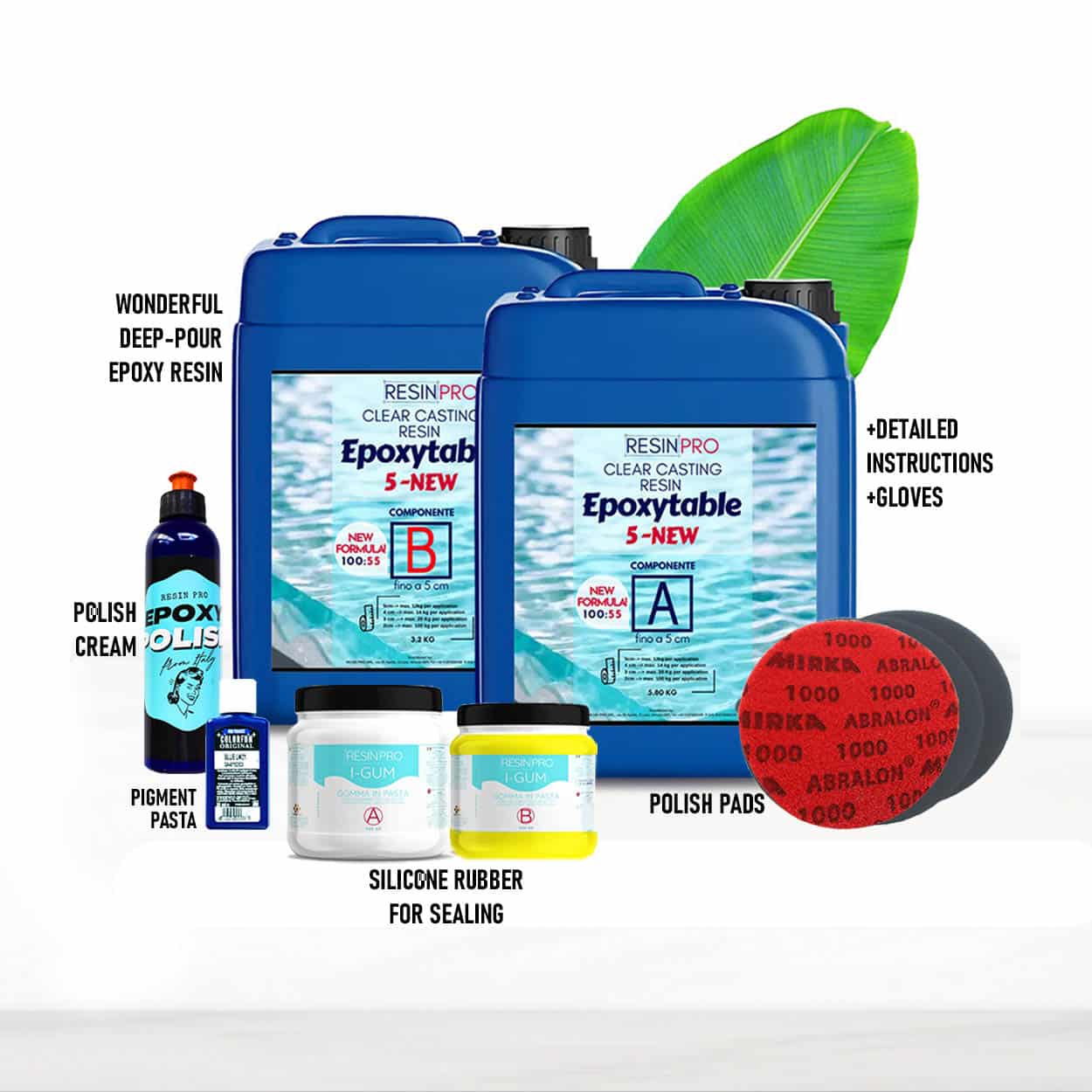
- “River-Table” – Complete Kit for Creating Your First Epoxy Resin Table: All-in-one solution, especially useful for table and art projects.
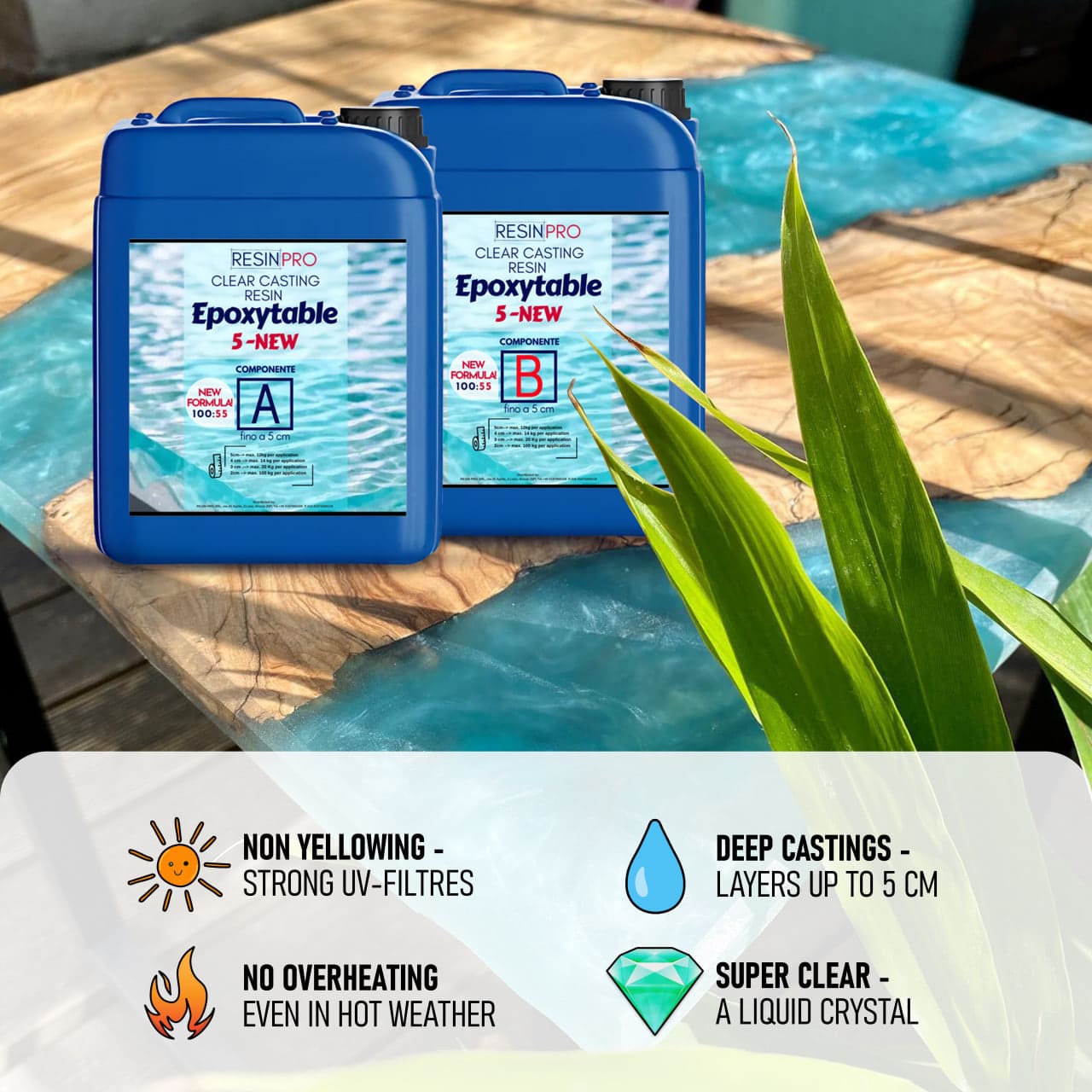
- “EpoxyTable 5-Five” – Deep Pour Epoxy Resin for Tables and Large Projects – Up to 5cm: Ideal for deep pours and larger projects with wood.
- Resin Class – 3D Effects Coasters Masterclass, 120 Minutes: Recommended for gaining resin technique experience before starting your own project.
- Protective equipment (gloves, mask, goggles).
- Mixing buckets, stirring sticks, and measuring scales.
- Sanding tools and clean cloths.
- Silicone moulds or formwork (for casting projects).
See Resin and Wood in Action
Explore inspiration and real project results showing how resin blends perfectly with wood, from river tables to artistic restoration. Projects use a range of ResinPro solutions to achieve beautiful, lasting results.

Step 1: Prepare the Wooden Surface
Start by selecting a clean, dry piece of wood. Remove any dust, oil, or loose debris by sanding the surface thoroughly. Ensure the surface is even and free from cracks that might later affect the finish or cause leaks. Proper preparation is crucial for optimal adhesion and prevents blemishes in the final result.
After sanding, wipe down the wood with a clean, lint-free cloth to remove all residue. Allow it to fully dry in a dust-free environment before proceeding to resin application.
Step 2: Seal and Reinforce the Wood
For wooden surfaces prone to absorbing moisture or needing structural reinforcement, apply a thin coat of deep penetrating epoxy resin. This helps prevent bubbles and ensures a durable bond between wood and resin. Use a brush or spatula to apply the resin evenly across the surface, paying extra attention to edges and joins.
If sealing and restoring timber is your aim, “EpoxyWood” – Wood Restoration Epoxy Resin for Deep Penetration and Waterproofing is formulated for soaking deeply into the wood, providing waterproofing and a warm finish ideal for both restoration and new projects.
Step 3: Set Up Moulds or Formwork (for Casting)
If you plan on creating a resin river table or casting a large section of resin with wood, carefully construct your formwork using silicone or plastic to prevent leaks. Make sure it is level to avoid uneven pours and secure any openings with silicone sealant. Double-check all joints—unintentional leaks can waste resin and damage your workspace.
For beginners, the “River-Table” – Complete Kit for Creating Your First Epoxy Resin Table includes all the essentials (resin, pigments, silicone sealant, polishing pads) as well as instructions, making this step far more straightforward.

Step 4: Mix and Pour the Resin
Carefully measure each component of your chosen resin (see product instructions for ratios) and mix thoroughly until the mixture is fully combined. To reduce bubbles, mix slowly and deliberately, scraping the sides and bottom of your mixing container.
Pour the resin gently onto the prepared wood or into the mould, working in thin layers—especially for deep projects. Pour resin in thin layers to prevent overheating and to control the exothermic reaction. If using a deep pour resin such as “EpoxyTable 5-Five” – Deep Pour Epoxy Resin for Tables and Large Projects – Up to 5cm, follow guide limits (do not exceed 5cm depth per pour) and wait the recommended cure time between layers for best clarity and bonding.
Step 5: Curing and Finishing
After pouring, protect your work from dust while the resin cures – this process usually takes between 24–72 hours depending on the product and ambient conditions. Allow proper curing between layers for a flawless finish. Avoid disturbing or moving the project during this critical stage.
Once cured, sanding and polishing may be required for a smooth finish. Begin with coarse sandpaper, working through finer grits, and make sure not to overheat the surface while sanding. Use a polishing compound for the final shine if needed.
If you want to learn hands-on resin finishing and effect techniques, consider enrolling in the Resin Class – 3D Effects Coasters Masterclass, 120 Minutes for professional guidance and practice.
Tips and Common Mistakes When Using Resin with Wood
Choose the right resin for your project: Match the resin’s pour depth and features to your outcome—use deep pour resin for tables, sealing resin for restoration, and all-in-one kits for first attempts.
Always prepare the wood thoroughly before application: Dust, oil or even minor moisture can prevent resin from adhering and cause unsightly bubbles or cloudiness.
Avoid pouring thick layers if you’re using a standard epoxy—follow each product’s guidelines carefully. Ensure your workspace is clean, level, and well-ventilated. Finally, wear gloves and a mask to protect yourself from fumes and skin irritation throughout the process.
Examples and Creative Uses
Review examples of different finishes, colour effect techniques, and casting projects with wood and resin. Each highlights a different approach to integrating these two versatile materials for outstanding results.
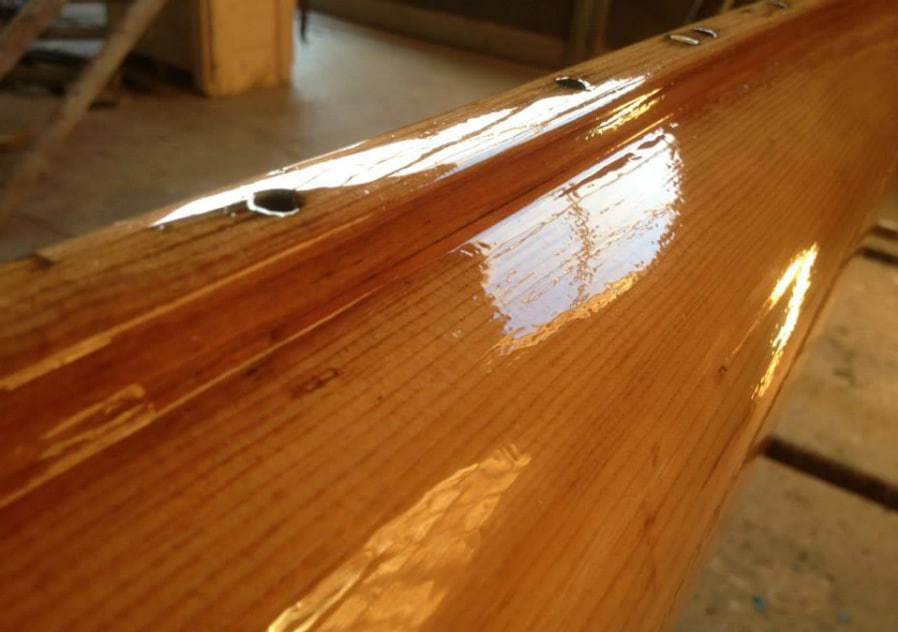
- "EpoxyWood" – Wood Restoration Epoxy Resin for Deep Penetration and WaterproofingPrice range: £27.95 through £41.95"EpoxyWood" is designed for repairing and waterproofing wood, suitable for restoration with an aesthetic straw-yellow finish.
- "River-Table" – Complete Kit for Creating Your First Epoxy Resin TablePrice range: £198.45 through £467.45"River-Table" kit provides materials and instructions to create a wood and resin table, suitable for different experience levels.
 "EpoxyTable 5-Five" – Deep Pour Epoxy Resin for Tables and Large Projects – Up to 5cmPrice range: £17.95 through £1,154.95"EpoxyTable 5-Five" is suitable for deep pouring applications, designed for wooden surfaces and tables within the theme of resin use with wood.
 Resin Class – 3D Effects Coasters Masterclass, 120 MinutesThis course covers working with resin to create coasters and decorative items, focusing on resin techniques relevant to wood projects.
Frequently Asked Questions
What resin is best for pouring deep layers with wood?
For deep pour projects such as tables up to 5cm thick, choose a product like EpoxyTable 5-Five for safe, clear casting and smooth curing.
How can I minimise bubbles when using resin with wood?
Seal the wood with a thin resin layer before final pouring, mix resin slowly, and pour in thin layers to reduce air entrapment.
Is it necessary to seal wood before applying resin?
Yes, sealing prevents bubbles and ensures the resin bonds securely with the wood surface, giving a better overall finish.
How long should I leave resin to cure on wood?
Typical curing takes 24–72 hours, but follow each resin's instructions for best results, especially before sanding or handling.
What temperature is recommended when working with resin and wood?
Work in a clean environment at 18–25°C. Too cold or too hot can slow curing or increase bubbles, affecting final results.
Can I use resin to protect outdoor wooden surfaces?
Many resins, such as EpoxyWood, offer waterproofing suitable for outdoor restoration, as long as the wood is dry and prepared first.