 Free shipping on orders over £29,85
  Shipping Tracking!


 Google
 Facebook
How to work with synthetic resins
Step-by-step techniques for moulds, casting, and finishing


If you’re interested in creating stunning art, jewellery, or even furniture with synthetic resins, mastering a few core techniques is essential. This guide will walk you through the entire process – from preparation to finishing touches – so you can confidently and safely work with synthetic resins for casting, mould making, and decorative projects.
What You’ll Need
- “One-2-One” – Epoxy Resin for Handcraft, 1:1 Mixing Ratio: Perfect for beginning crafters or small decorative pieces due to its easy mixing and clarity.
- “Trasparente” – Multipurpose Clear Epoxy Resin for Casting – Up to 2cm: Ideal for slightly thicker pours, such as art projects, tables, and restoration work.
- “Pure Mould” – Translucent Liquid Silicone Rubber for Mould Making: For crafting custom moulds used in resin casting work.
- “ICreation” – Fast Epoxy Resin, 6h Demoulding, Transparent Gloss Finish: Best suited when you need rapid results for jewellery, art, or small objects.
- Protective gloves, mixing cups, sticks/spatulas, accurate scales/measuring jugs, and level surfaces.
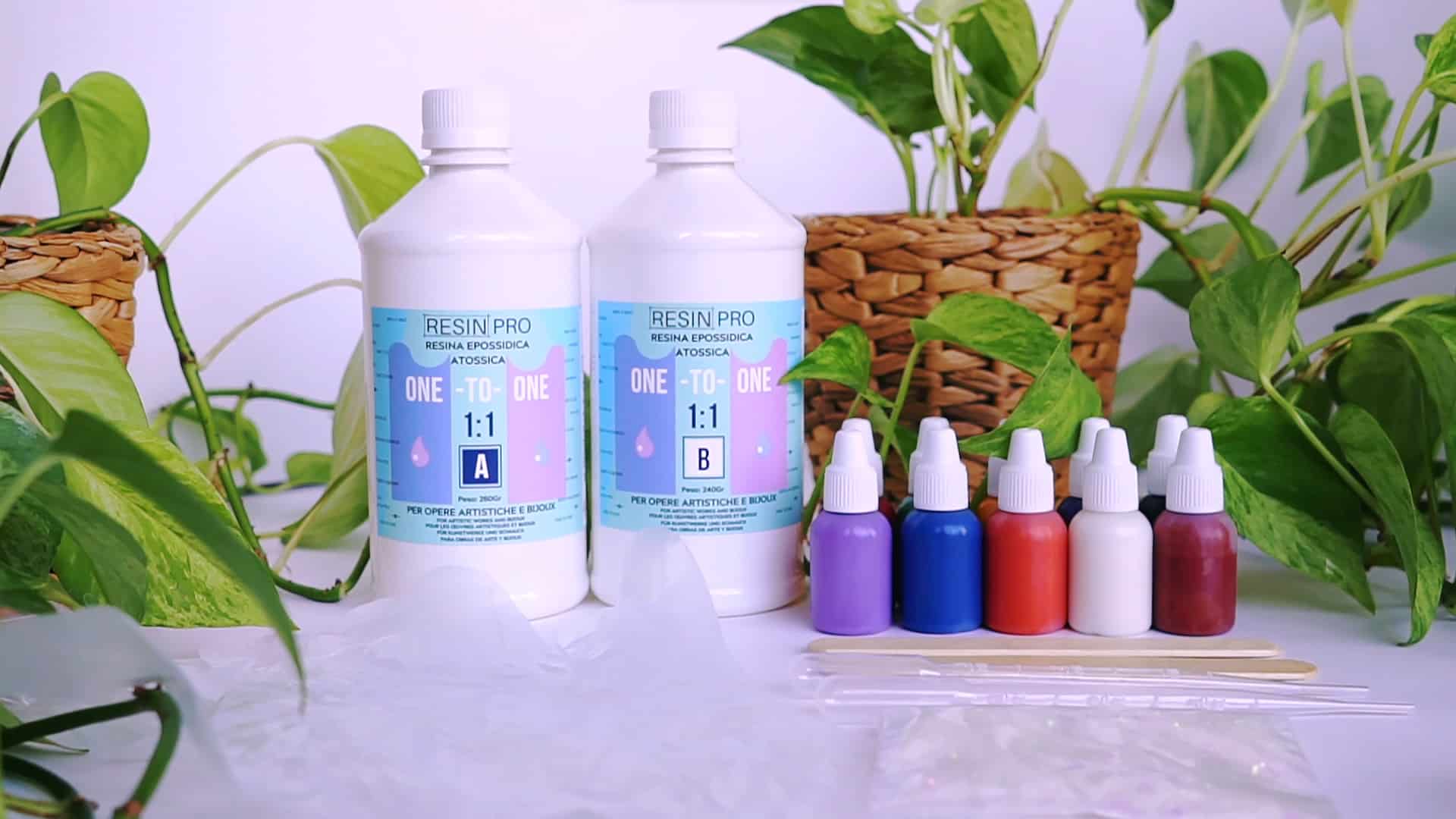
See Synthetic Resins in Action
Explore project inspiration and real-world examples of synthetic resin techniques for casting, demoulding, and detailed mould making. Notice the clarity and finish achievable with the right method and product choice.
Step 1: Prepare Your Workspace and Safety Gear
Always wear gloves and work in a ventilated area when handling synthetic resin materials. Lay down protective sheets to guard against spills and set your project on a perfectly level surface. Organise your tools—mixing containers, spatulas, and moulds—before starting. Clean all items to avoid dust or residue contaminating your resin. Adequate lighting and a calm environment help you spot air bubbles or imperfections early on.

Step 2: Measure and Mix Resin and Hardener Accurately
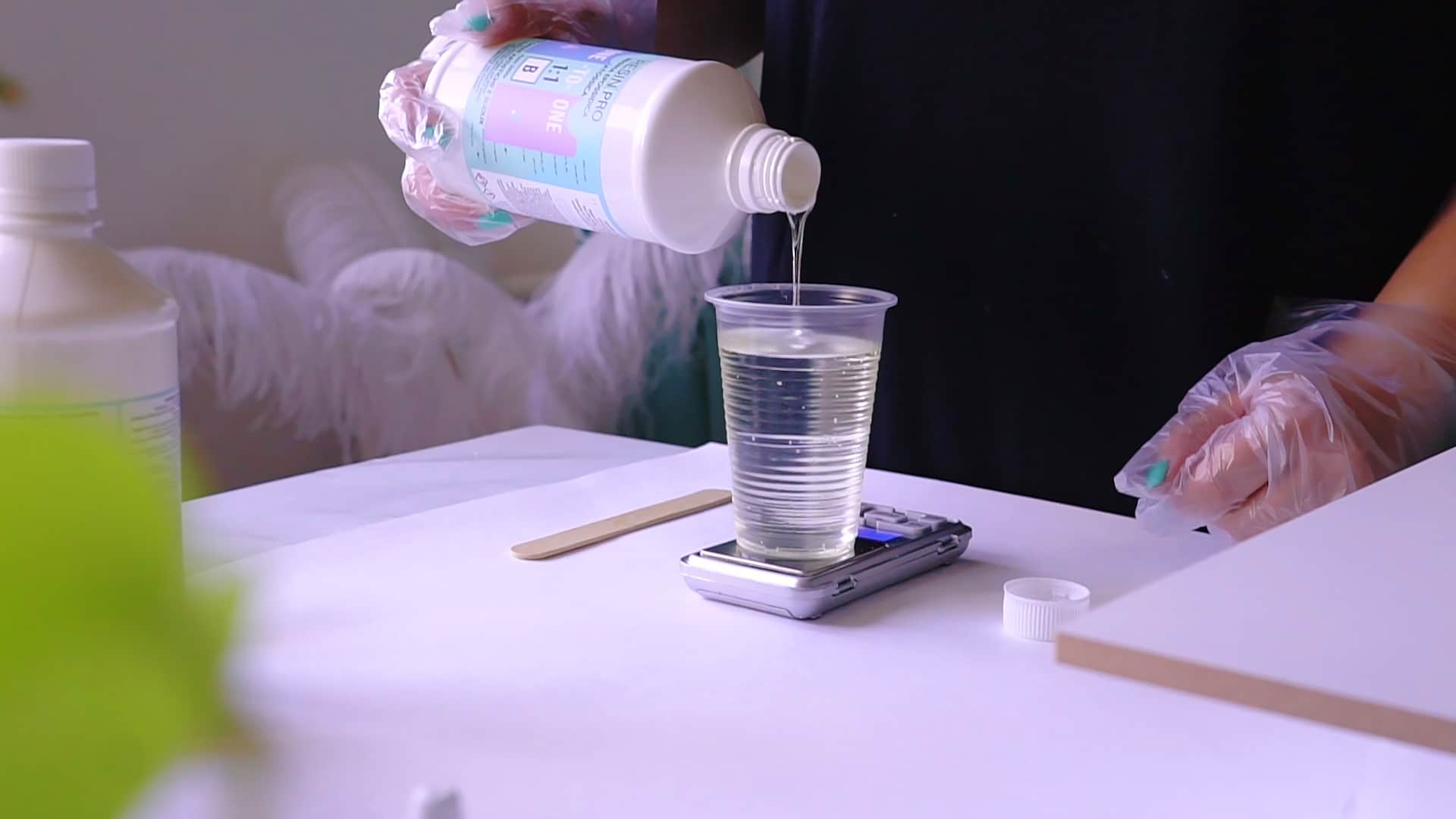
Accuracy at this stage prevents sticky, uncured, or cloudy outcomes. Check the instructions for your chosen product—mixing ratios differ: for example, the “One-2-One” – Epoxy Resin uses a 1:1 volume ratio, while the “ICreation” Fast Epoxy Resin requires a 2:1 ratio. Accurate measurement is crucial. Pour the required amount of resin and hardener into a clean mixing container.
Mix thoroughly but avoid whipping air into the solution. Stir slowly, scraping the sides and bottom of the jug. Incomplete mixing is the most common cause of tacky finishes. For larger pours, consider splitting the batch to prevent premature curing.
Step 3: Mould Making and Pouring Techniques
If your project involves casting into shapes, start by creating a mould. The “Pure Mould” – Translucent Liquid Silicone Rubber allows you to fashion custom, detailed, and reusable moulds. Pour silicone carefully around your model object, let it cure fully, then demould for use.
Once your mould is ready (or if working directly onto other surfaces), slowly pour your mixed resin. Pour in thin layers for larger pieces to minimise heat buildup and bubbles—especially for projects above 1cm thick. The “Trasparente” Epoxy Resin works well for clear layers up to 2cm, thanks to its low bubble formation and self-levelling finish.
Use a toothpick, heat gun, or a gentle torch to coax bubbles to the surface and remove them. Work methodically to avoid overflow and to catch any flaws before curing begins.
Step 4: Curing and Demoulding
After pouring, cover your project with a clean box or tub to prevent dust contamination. Room temperature (18–22°C) is ideal for a good cure. Demoulding time varies—ultra-fast systems like ICreation Fast Epoxy Resin offer a 6-hour demould, while deeper-pour resins may take from 12 to 24 hours or longer depending on thickness. Let the resin cure fully; handling too early can damage your work.
If you encounter resistance when demoulding, gently flex the mould without force. For silicone rubber moulds, their flexibility helps release even delicate items with ease.
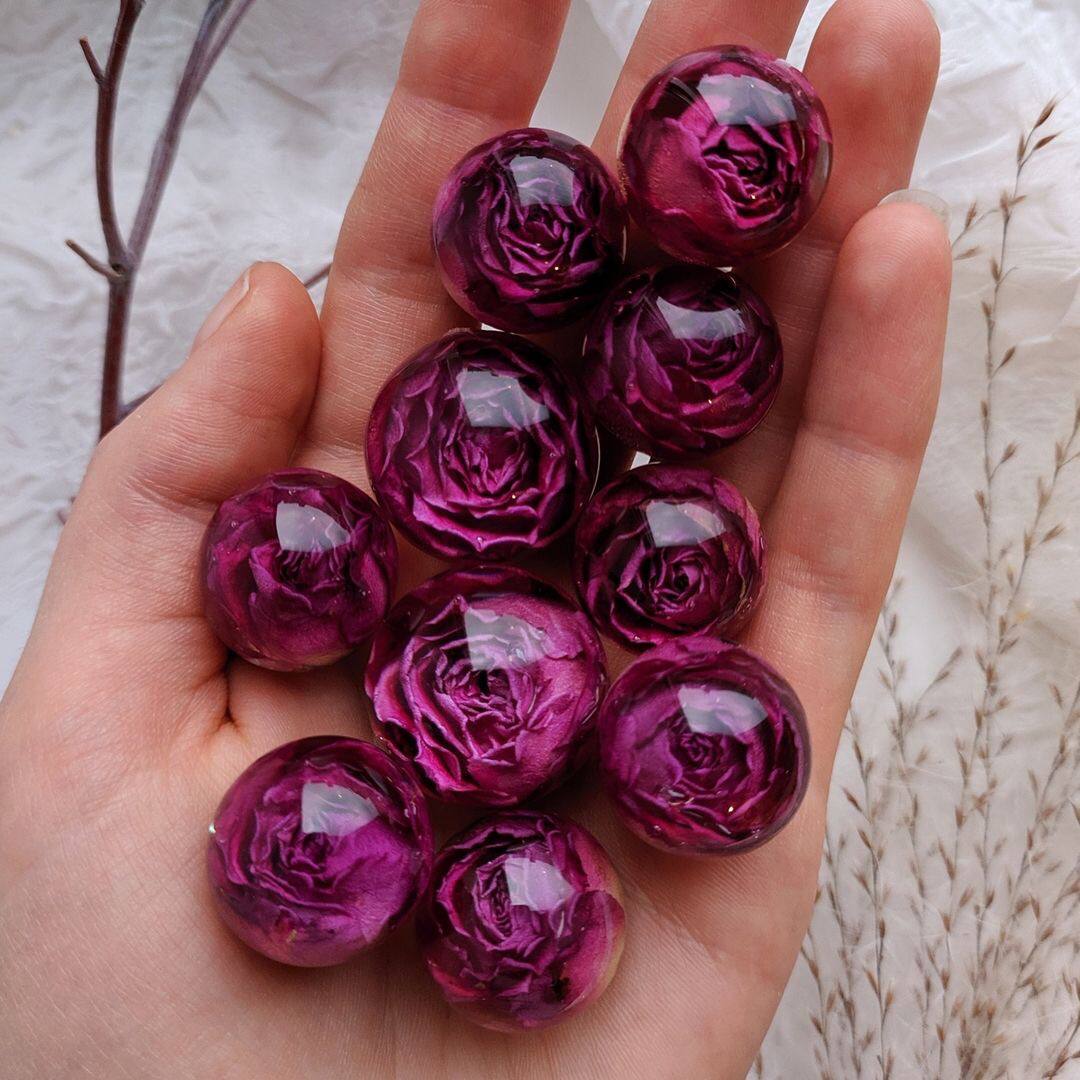
Step 5: Finishing and Polishing Your Resin Creation
Once cured, trim any sharp edges with a craft knife or sandpaper. Polish surfaces gently with fine abrasive pads or a dedicated polishing compound for a glass-like shine. Clean your work area and tools promptly with warm, soapy water or suitable resin cleaning wipes. Finished resin art can often be handled immediately, but maximum hardness forms after several days.
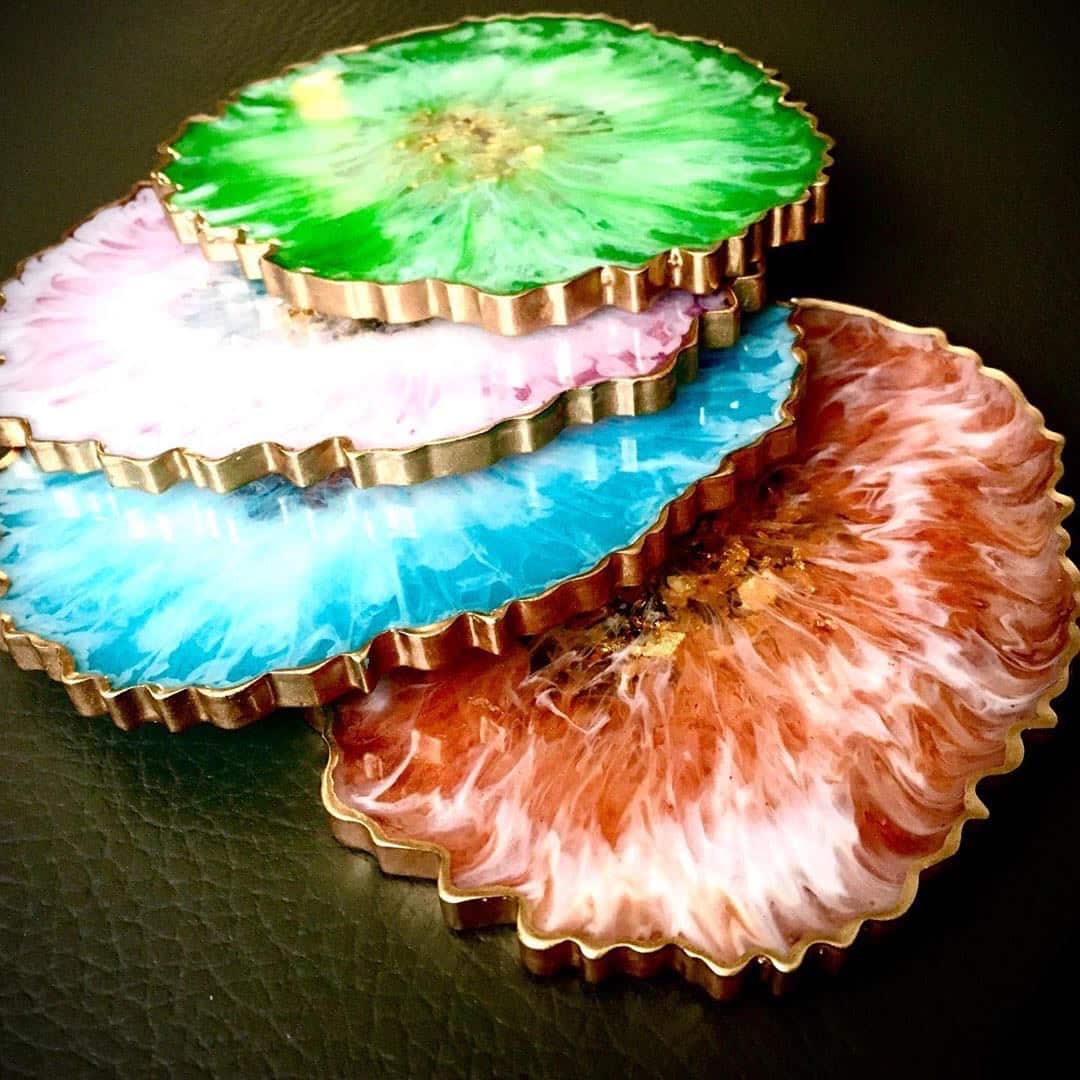
Tips, Common Mistakes, and Troubleshooting
Work at consistent temperatures to reduce curing issues and air bubbles. Avoid excess humidity, as this can cause hazing or blushing on the surface. Measure and mix with precision, and always follow the product instructions—different resins and silicones have unique working times and techniques. If bubbles persist, use a heat source sparingly. Sticky surfaces usually mean an incorrect ratio or incomplete mixing; scraping and re-coating with fresh product is often the remedy.
Store all your resin products in tightly closed containers away from direct sunlight to preserve shelf life and quality. Patience during the curing process leads to superior clarity and strength in your finished piece.
Solving Common Synthetic Resin Issues
Reference photos and advice for typical resin mistakes such as bubbles, tacky surfaces, or poor mould detail. Review quick fixes, and learn how the right product selection and process lead to beautiful outcomes.
- "One-2-One" – Epoxy Resin for Handcraft, 1:1 Mixing RatioPrice range: £14.85 through £56.85"One-2-One" epoxy resin is a medium viscosity formula designed for precise 1:1 volume mixing in jewellery and decorative projects.
 "Trasparente" – Multipurpose Clear Epoxy Resin for Casting – Up to 2cmPrice range: £8.45 through £948.85"Trasparente" is a clear multipurpose epoxy resin suited for precise casting up to 2cm, used in woodworking, art, and restoration projects.
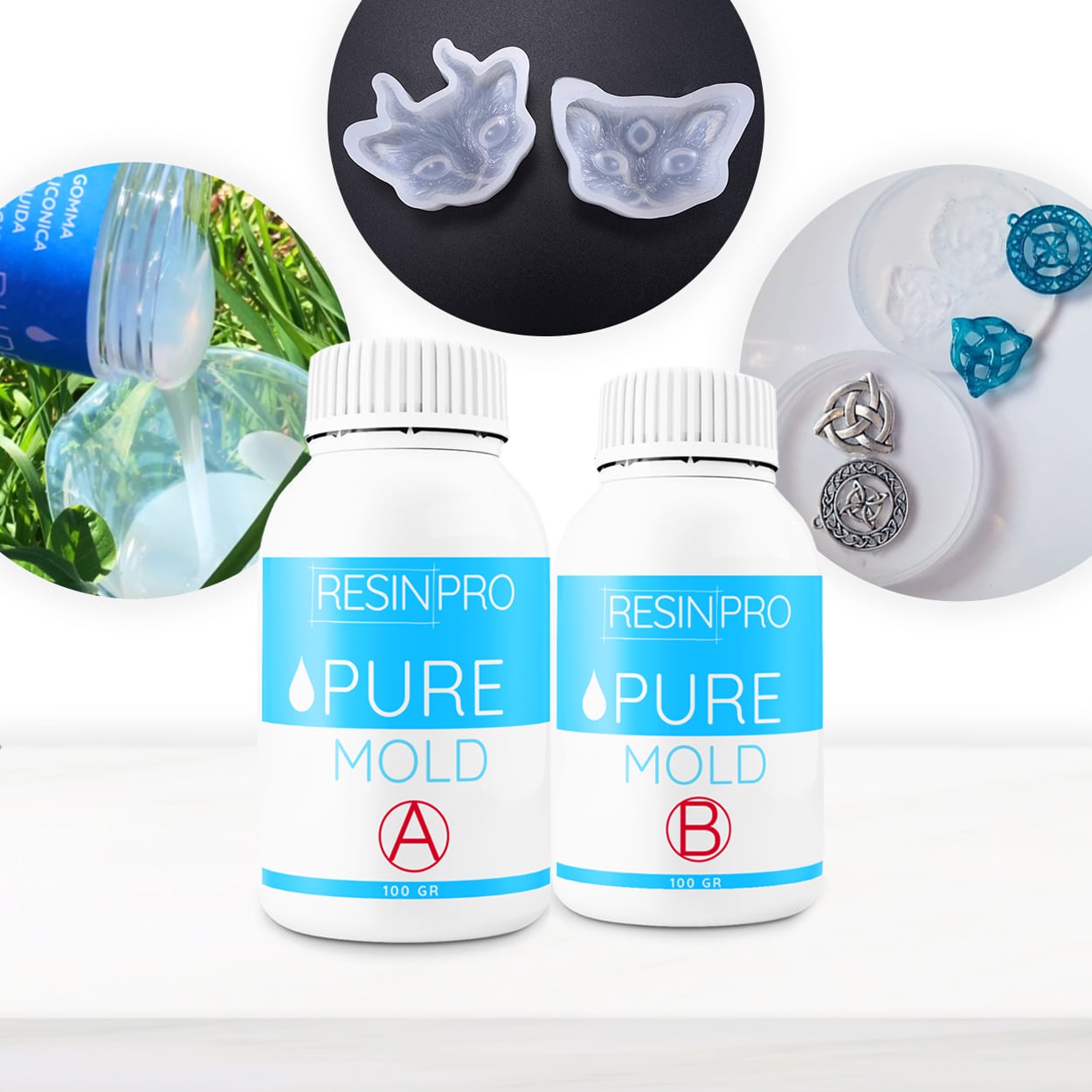 "Pure Mould" – Translucent Liquid Silicone Rubber for Mould MakingPrice range: £22.85 through £158.85"Pure Mould" is a translucent liquid silicone rubber suitable for mould making compatible with various materials including resins and plasters.
 "ICreation" – Fast Epoxy Resin, 6h Demoulding, Transparent Gloss FinishPrice range: £19.40 through £52.85ICreation Fast Epoxy Resin is suited for art and jewellery projects needing quick, transparent, glossy finishes under the theme How to work with…
Frequently Asked Questions
How do I know the correct mixing ratio for my resin or silicone?
Always check the product instructions, as mixing ratios vary: some use 1:1 by volume, others 2:1 or measured by weight.
How long should I wait before demoulding my resin project?
Demoulding times range from 6 hours for fast resins to over 24 hours for thicker pours; refer to your specific product guidelines.
What’s the best way to avoid bubbles in resin casting?
Mix slowly, pour in thin layers, and use a heat gun or torch for surface bubbles. Always start with clean, dust-free tools.
Why is my resin sticky or not curing properly?
This is often due to incorrect mixing ratios or incomplete mixing. Scrape off sticky layers and re-coat with fresh resin if needed.
Which resin works best for jewellery, art, or tables?
"One-2-One" is suited for jewellery, "Trasparente" for 2cm castings, and "ICreation" for fast projects. Read labels for ideal use cases.
How do I create a mould for resin projects?
Use dedicated silicone rubber like "Pure Mould" to create detailed and reusable moulds. Follow mixing and curing instructions closely.
How should I store resin and silicone products?
Keep all containers tightly closed in a cool, dark place. Store away from direct sunlight and moisture for best shelf life.