 Free shipping on orders over £29,85
  Shipping Tracking!


 Google
 Facebook
← Back to Epoxy resin: what are the recommended ambient temperature and humidity levels?
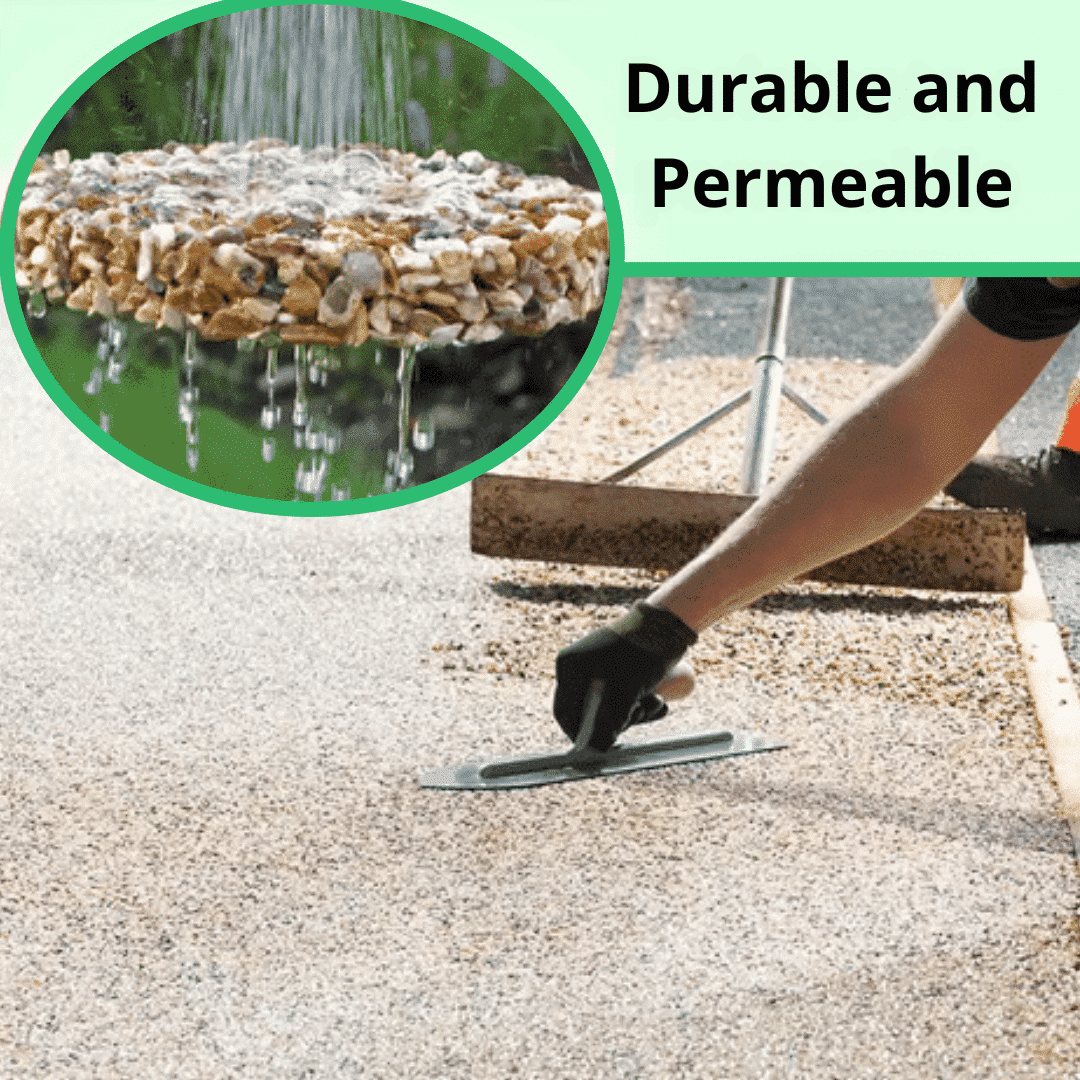
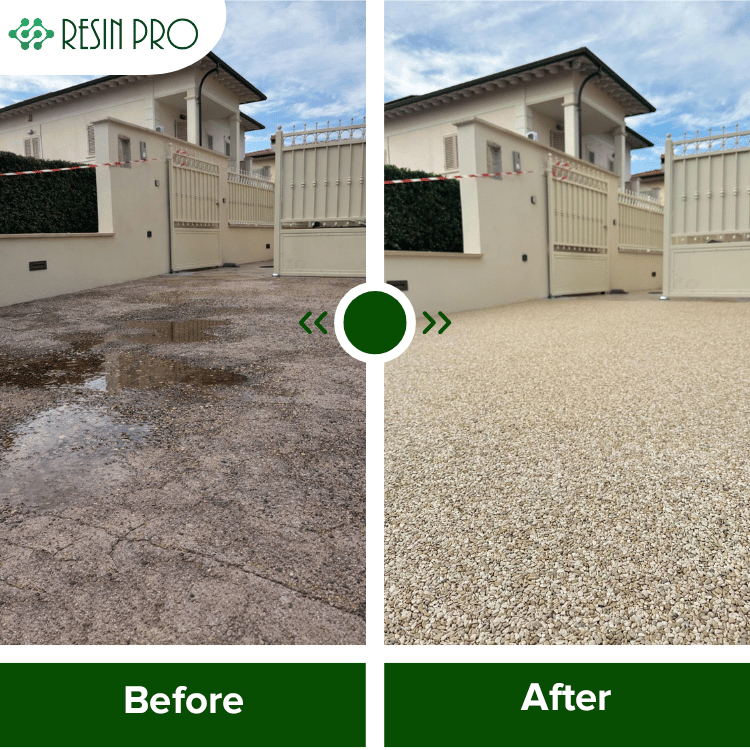
Applying epoxy resin in an environment with excessive humidity can ruin an otherwise promising project. Understanding why humidity control matters is crucial for achieving smooth, durable resin finishes both indoors and outdoors.
Common Problems Caused by High Humidity
When humidity levels are above recommended standards during application, moisture in the air interacts with uncured resin. This often leads to unwanted surface effects such as blushing (a cloudy, milky finish), tackiness, and weak adhesion to the substrate. In severe cases, beads of moisture can become trapped within the resin, causing surface pitting or dull spots after curing.
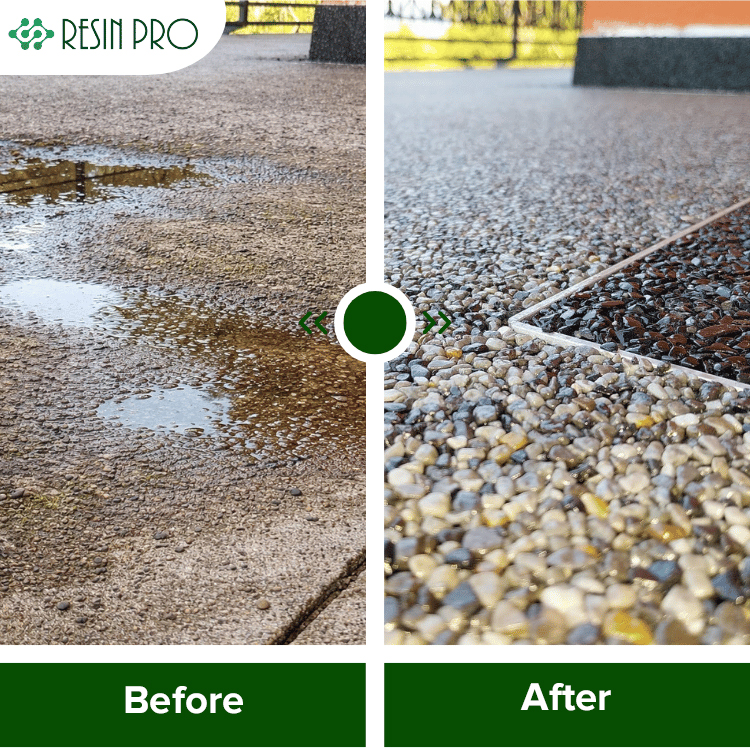
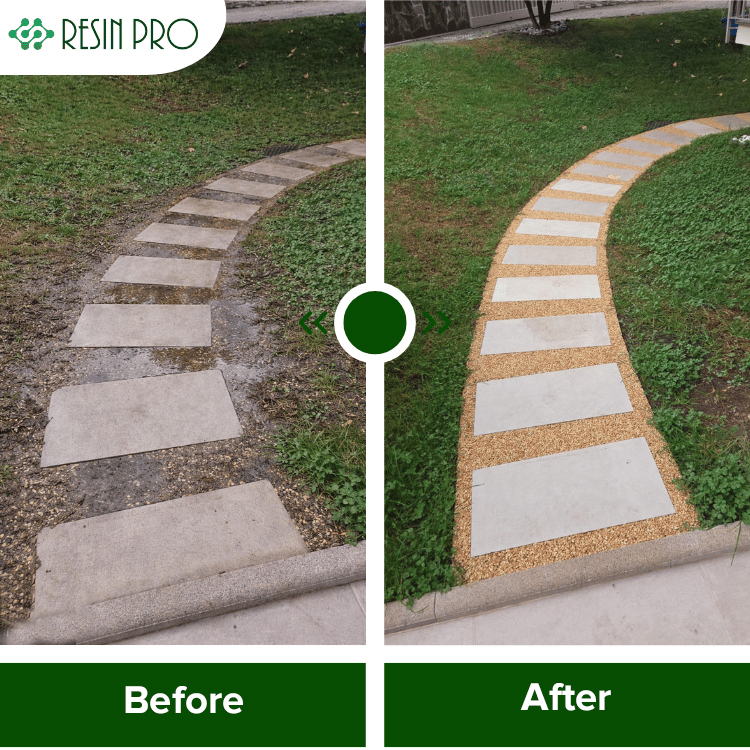
How to Avoid Resin Issues in Humid Conditions
- Wait for suitable conditions: The most reliable approach is to postpone any resin work until the humidity drops within the recommended range—typically below 70% for most resin systems.
- Prepare the workspace: Indoors, use a dehumidifier or a dedicated heater like the “Rhino” 2kW Fan Heater to reduce moisture and speed up evaporation.
- Monitor surfaces: Both the substrate and aggregates should be free from damp before resin application. Surface dampness greatly increases the risk of resin defects.
When Humidity Control Matters Most
Managing humidity is essential for both decorative and practical applications, from driveways using the Flowstone Complete Kit to small craft pieces. Atmospheric moisture is usually highest after rain, in the early morning, or in unventilated indoor spaces—these times should be avoided for resin work wherever possible.
Related products
Related guides
Recognising the impact of excess humidity on epoxy resin projects enables you to time your work for the best possible results. For further guidance on ideal conditions and ambient temperature tips, explore our full FAQ on recommended ambient temperature and humidity levels.