 Free shipping on orders over £29,85
  Shipping Tracking!


 Google
 Facebook
Epoxy resin: what are the recommended ambient temperature and humidity levels?
Mastering climate control for flawless epoxy resin application
Achieving professional results with epoxy resin is closely tied to the ambient conditions during application, particularly temperature and humidity. Whether you are resurfacing outdoor paths, casting decorative objects, or sealing tables, understanding the correct setting for your environment helps ensure strong curing, clear finishes, and long-lasting durability. This guide compares top ResinPro products designed for reliable outcomes in the UK climate, making it easier to select the right product and tools for all kinds of resin applications.
Overview: Epoxy Resin, Temperature, and Humidity Essentials
Epoxy resin performance is highly sensitive to the temperature and humidity of your workspace. Most epoxy systems require a minimum ambient temperature of around 10°C for curing, while optimal results are often achieved at 20°C or higher. High humidity can cause cloudiness, incomplete curing, or adhesion problems. On the other hand, cold or wet conditions can slow reactions, increase viscosity, or even halt the curing process altogether. Controlling these factors ensures every application, from permeable floors to glossy coatings, hardens as intended with maximum strength and clarity.
Visual Guidance: Perfecting Ambient Conditions
Temperature and humidity directly impact epoxy resin results. Use thermometers and humidity meters to monitor your environment. Consider tools like the Rhino Fan Heater for temperature control to set yourself up for a flawless application.
“Flowstone” – Complete Permeable Floor Kit with Pebbles and Resin
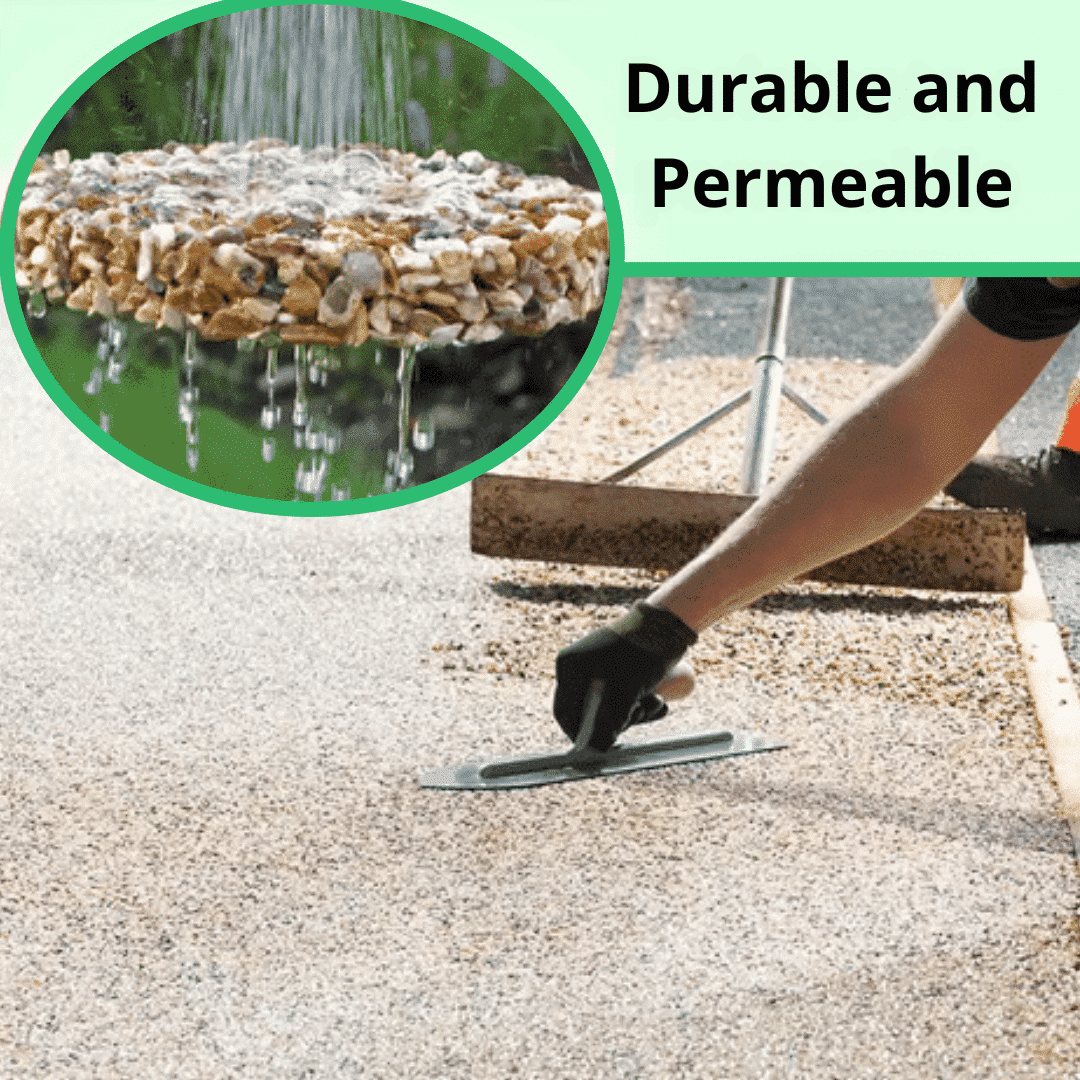
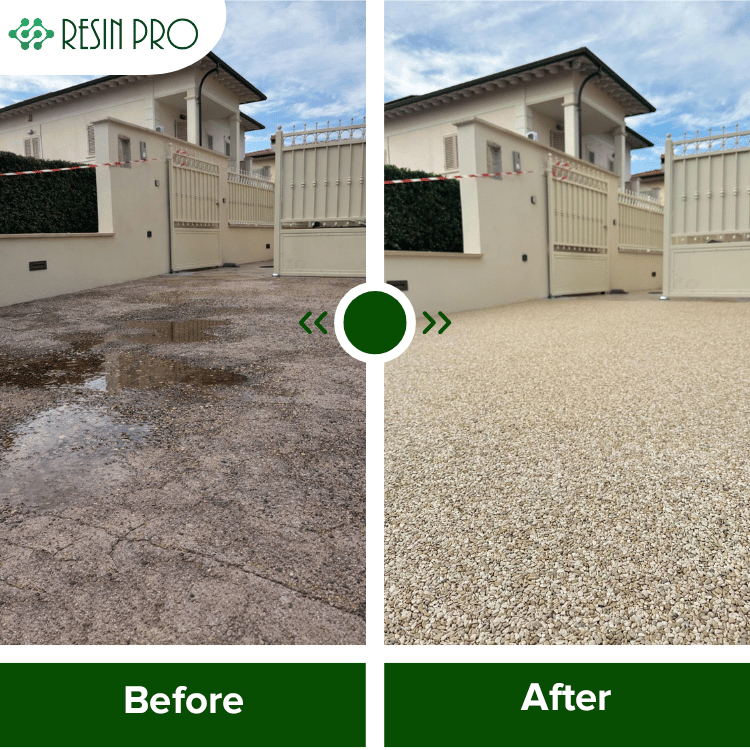
The “Flowstone” – Complete Permeable Floor Kit with Pebbles and Resin is engineered for UK driveways, patios, and paths, providing not just durability but also a solution to water drainage. Crucially, Flowstone kits come with precise application guidance: apply only when the ambient temperature is above 10°C and avoid damp or wet environments. This prevents failed adhesion and ensures a long-lasting, vibrant finish. Users are also advised to select the correct resin (polyurethane or low-yellowing epoxy) depending on aggregate colour, further protecting against temperature and sunlight risks. See more options in Pebble Floors.
“Heat Pro” – Flexible Heat-Resistant Glossy Coating
For small to medium projects where gloss, heat resistance, and UV stability are key (like coasters or trays), “Heat Pro” – Flexible Heat-Resistant Glossy Coating excels. This polyurethane-based system needs a product and room temperature of at least 20°C throughout use to maintain its unique curing profile and superior heat tolerance. High humidity is to be avoided, ensuring a clear, smooth finish on suitably dry surfaces. For other multi-function resins, browse Multipurpose Epoxy Resins.
“Trasparente” – Epoxy Binder for Coloured Pebbles and Grits
If you’re after UV-resistant results on coloured permeable floors, “Trasparente” – Epoxy Binder for Coloured Pebbles and Grits offers a crystal-clear, non-yellowing finish for decorative aggregates. This binder performs best in ambient conditions suited to standard epoxy resin curing: above 10°C, low humidity, and with dry, clean pebbles. Optimal climate control is especially important for outdoor installations, where weather can fluctuate unpredictably. Explore further options for pebble surfaces on our Pebble Floors page.
“Rhino” – 2kW Fan Heater for Epoxy Resin Projects
The “Rhino” – 2kW Fan Heater for Epoxy Resin Projects is designed for crafters and DIYers who need reliable workspace heating. Quickly raising your environment above the critical curing threshold, its adjustable thermostat lets you dial in precise conditions for your resin, helping to avoid the many pitfalls of temperature-related curing issues. It is an essential accessory when working in the variable climate of UK garages, studios, or sheds. Find more helpful tools with our full range of Accessories for Resin.
Climate Control Tips for Epoxy Resin Success
Mastering your climate is vital for resin work. Always check both temperature and humidity in your workspace before starting, aiming for above 10°C (ideally 20°C+) and keeping humidity low. Cover projects during curing to protect them from sudden weather shifts or moisture. Avoid working in rain, fog, or unventilated settings. If necessary, pre-heat both your room and your resin materials using devices such as the Rhino Fan Heater. Good air movement can lower humidity, but avoid direct breezes over open resin surfaces. Curing times and product appearance may vary outside recommended ranges, so always follow individual product instructions for best results.
Project Examples: Real-Life Resin Results
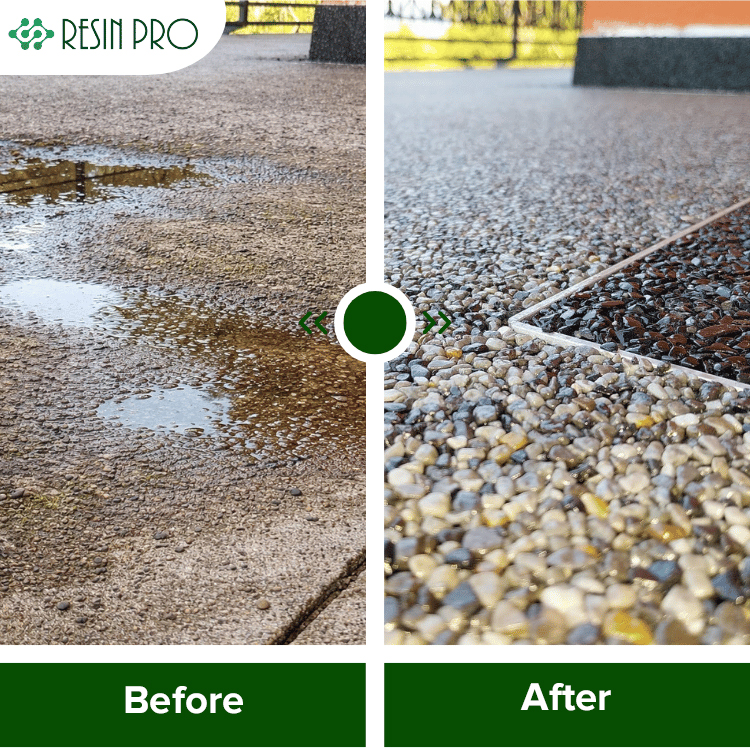
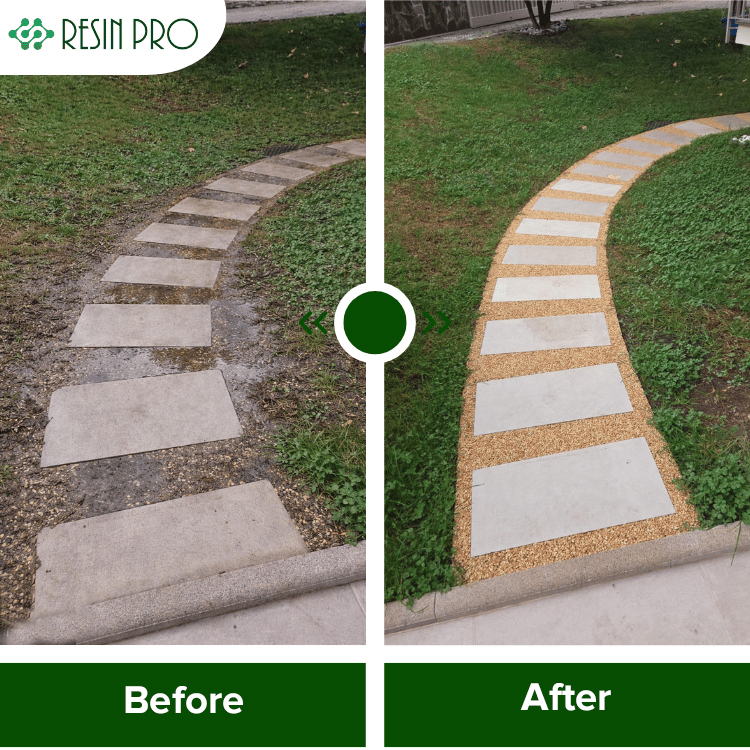
See the transformative effect of correct climate control. From crystal-clear coated art to durable, colour-rich pebble walkways, achieving the right temperature and humidity makes a world of difference to your finished epoxy resin projects.
- "Flowstone" – Complete Permeable Floor Kit with Pebbles and ResinPrice range: £49.95 through £3,915.45Flowstone provides a durable permeable pebble and resin floor kit for outdoor areas with simple application and detailed resin guidance.
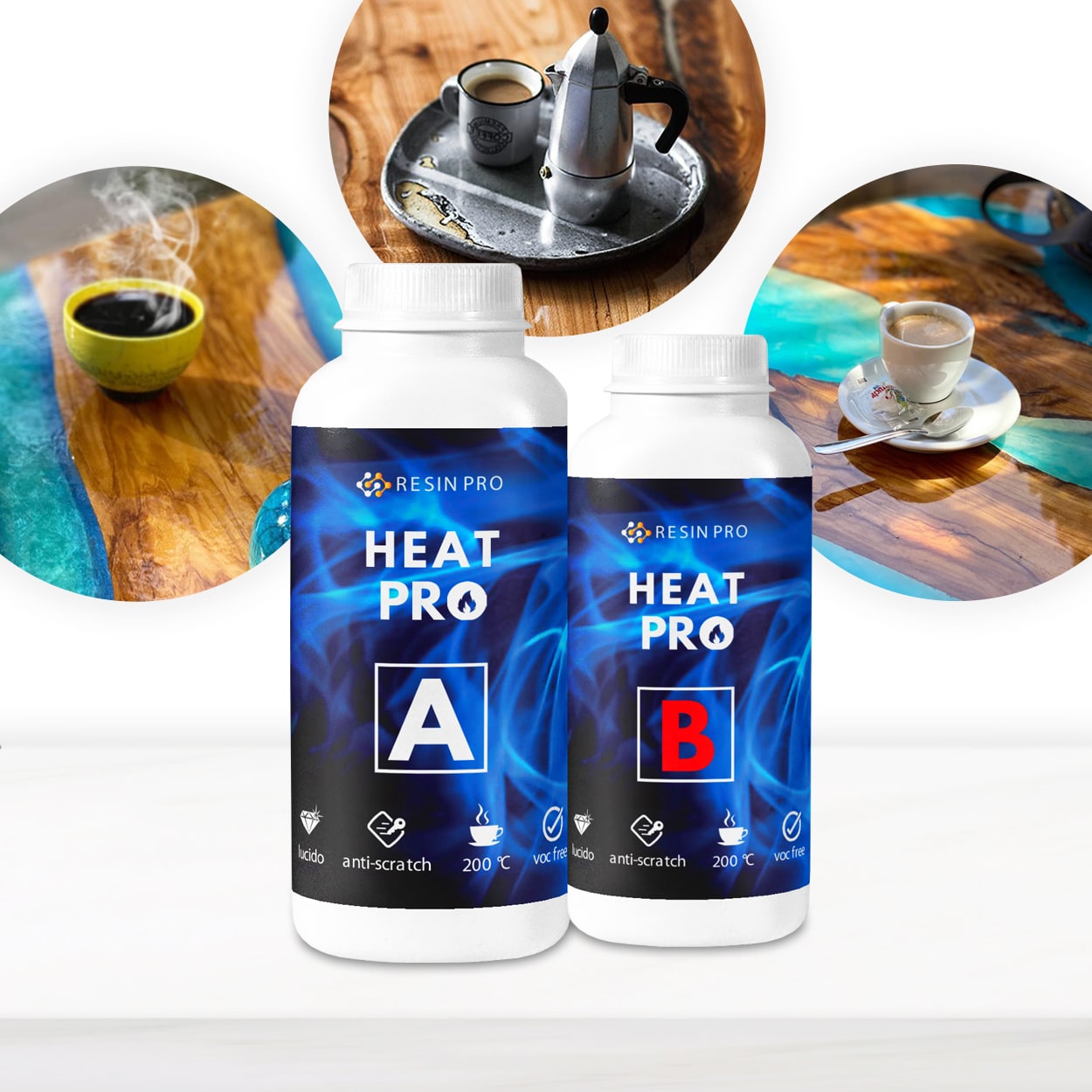 "Heat Pro" – Flexible Heat-Resistant Glossy CoatingPrice range: £26.45 through £185.45"Heat Pro" is a flexible polyurethane coating for epoxy projects, designed for heat resistance and a glossy finish suitable for small surfaces.
 "Trasparente" – Epoxy Binder for Coloured Pebbles and GritsPrice range: £33.45 through £397.95"Trasparente" epoxy binder is suitable for coloured pebbles and grits, offering a clear, UV-stable, and bubble-free finish for permeable floors.
 "Rhino" – 2kW Fan Heater for Epoxy Resin Projects£20.95"Rhino" 2kW Fan Heater provides rapid heating and precise temperature control, suitable for epoxy resin workspaces.
Frequently Asked Questions
What is the minimum temperature for epoxy resin application?
Most epoxy resins require a minimum ambient temperature of 10°C for proper curing, but 20°C or higher is often preferred for best results.
How does humidity affect epoxy resin performance?
High humidity can cause cloudiness, poor adhesion, or incomplete curing in epoxy resin. Always apply in low to moderate humidity.
Why use a fan heater for resin projects?
A fan heater helps maintain the optimal temperature in your workspace, ensuring predictable curing and clear, strong results for epoxy projects.
What climate is best for applying permeable resin floors?
Mild, dry conditions above 10°C are ideal. Avoid days with expected rain or high humidity to ensure the resin properly cures and bonds.
What happens if humidity is too high during resin application?
Excess humidity can result in surface defects or cloudy resin. Always delay application until humidity drops to recommended levels.
Can I use epoxy resin in cold weather?
Cold environments slow down curing or may prevent it entirely. Use heating solutions to raise ambient temperature for successful application.
What are some tips for keeping resin at the right temperature?
Store resin in a warm space before use, preheat your work area, and consider a fan heater to maintain stable curing conditions throughout the project.