 Free shipping on orders over £29,85
  Shipping Tracking!


 Google
 Facebook
← Back to Which is better for stones: acrylic or epoxy?
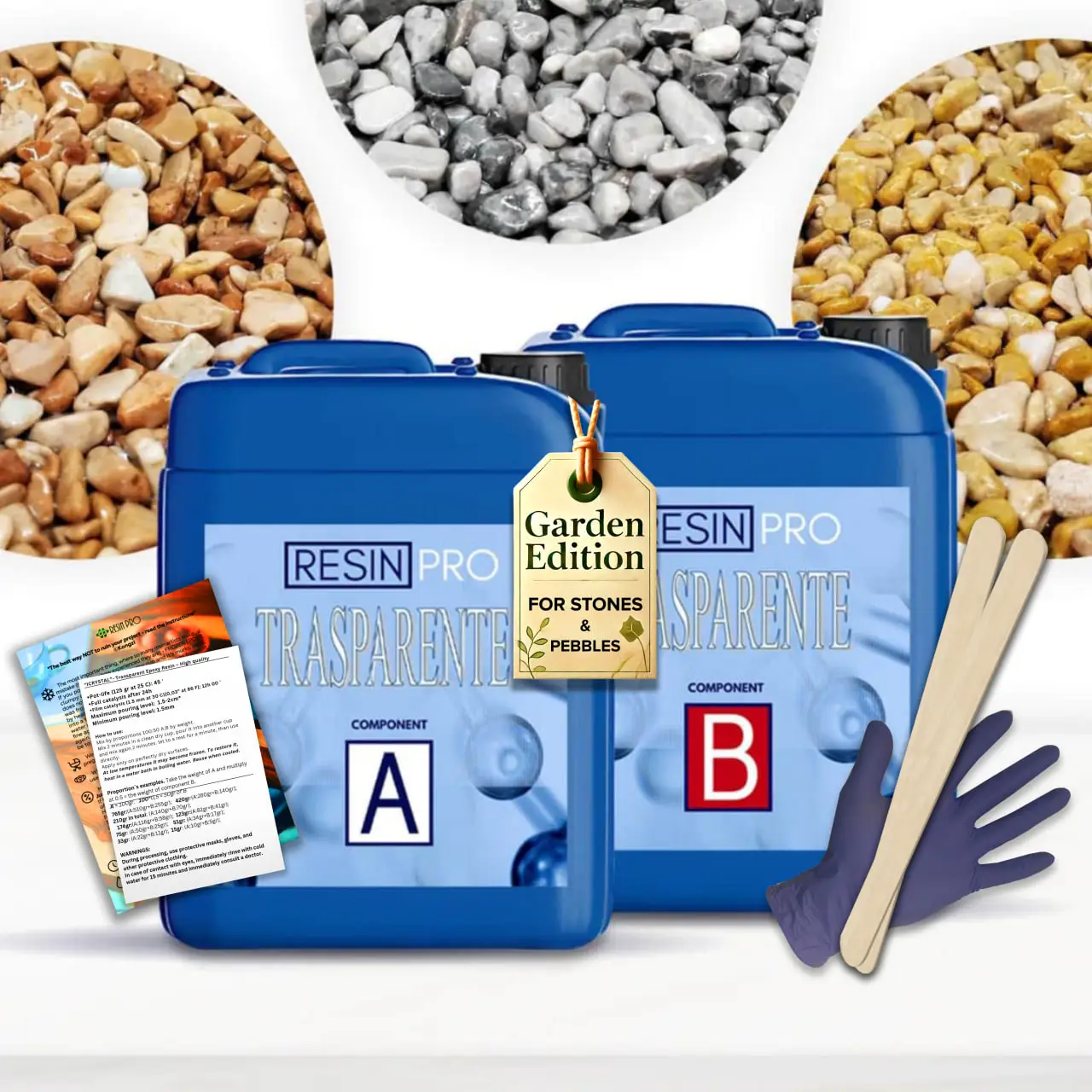

Choosing the right resin binder for pebble and stone flooring makes a significant difference in the floor’s longevity, appearance, and resilience. Many wonder whether epoxy or acrylic performs better for such surfaces, especially when it comes to heavy-traffic areas or outdoor spaces.
Durability and Appearance
Epoxy stands out for its superior durability on stone floors. When compared to acrylic, epoxy forms a tougher bond with stones, helping the floor resist wear from regular foot and vehicle traffic. Epoxy binders also deliver excellent clarity and a bubble-free finish, allowing the natural colours of pebbles and grits to shine through—perfect for decorative outdoor and indoor surfaces.
For long-term visual quality, epoxy is also more UV-resistant than traditional acrylics. This means surfaces bound with products like “Trasparente” Epoxy Binder are less likely to yellow or fade when exposed to sunlight, making them ideal for coloured aggregates.


Application Guidance for Resin-Bound Stone Floors
For best results, always mix resin binder and stones together prior to laying. This ensures that each stone is fully coated, creating a strong and stable layer that will last. Pouring resin directly over loose pebbles is not recommended, as it can lead to poor bonding and reduced floor integrity.
- Follow a typical binder-to-stone ratio of around 3% resin to the weight of stones, but check the guidance for your chosen aggregate size.
- Low-viscosity epoxy binders ensure rapid impregnation and thorough encapsulation, reducing voids or weak spots.
- Work in manageable sections for even coverage and finish before the resin begins to cure.
When Epoxy Is Especially Beneficial
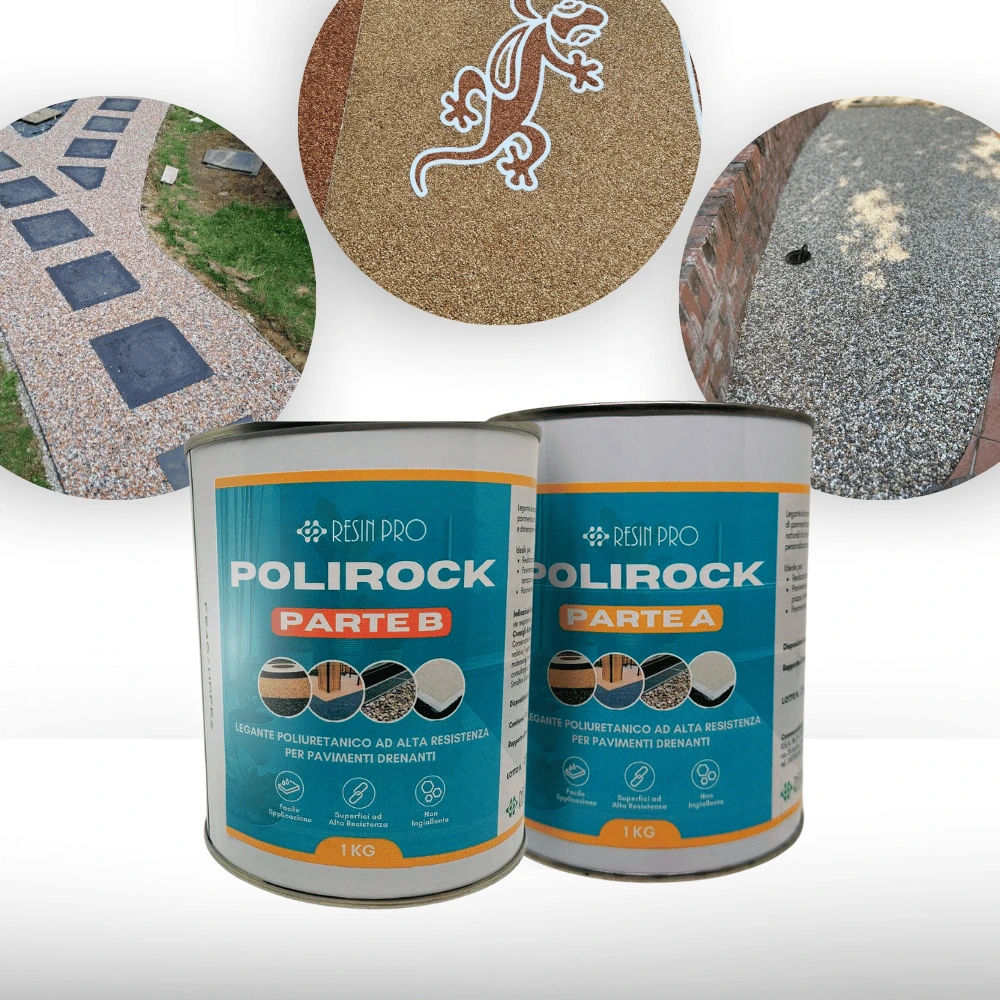
Opt for epoxy when you want a resin-bound surface that must stay clear, strong, and stable, especially if using coloured or dark aggregates. For white aggregates, consider polyurethane binders, as they offer optimal clarity and anti-yellowing properties. Epoxy is particularly valued for paths, driveways, patios, or functional interiors that demand resilience against weather and use.
Related products
Related guides
In summary, epoxy offers clear advantages over acrylic for most pebble and stone flooring projects—offering enhanced strength, visual clarity, and protection against UV. When planning your resin-bound installation, reviewing the comparison of acrylic vs. epoxy for stone floors will help you make the best decision for your application and setting.