 Free shipping on orders over £29,85
  Shipping Tracking!


 Google
 Facebook
Which is better for stones: acrylic or epoxy?
Find the right resin for stone, pebbles, and aggregate work

If you are planning to create a pebble floor, bond decorative stones, or repair existing stonework, the choice between acrylic and epoxy resins is crucial for long-lasting, attractive results. This guide is tailored for homeowners, DIY enthusiasts, and professionals looking to compare resin types and select the best product for stone, aggregate, or pebble installations and repairs. We will break down the differences, typical applications, and which modern resin options work best for specific stonework projects.
Epoxy, Polyurethane, or Acrylic for Stones: Key Differences
The three major resin choices when working with stones and aggregates are acrylic, epoxy, and polyurethane. While acrylic resins are sometimes used in craft or simple protective coatings, epoxy and polyurethane binders offer significant advantages for outdoor and heavy-duty applications:
- Epoxy resins deliver clear, durable, and UV-resistant finishes. They excel for decorative pebble flooring and are especially effective on coloured aggregates where clarity and colour stability matter.
- Polyurethane binders are preferred for white or very light stones, providing excellent weather and UV resistance without yellowing over time.
- Acrylic solutions tend to lack the long-term durability, UV stability, and strength required for most stone flooring or bonding applications.
Ultimately, the best choice will depend on your surface colour, outdoor exposure, intended use (e.g. driveways, paths, restoration) and mechanical demands. Below, explore top-performing resin products for stonework to help you choose with confidence.
Visual Comparison: Resin Finishes for Stone Applications
See the difference between clear epoxy, polyurethane, and acrylic binders used with pebbles, white stones, and custom aggregates. Note the clarity, colour retention, and surface texture offered by each product, providing better insight for your flooring or repair project choices. The gallery demonstrates real applications to help appreciate the result of selecting the right resin.
Epoxy Binders for Decorative Pebble and Stone Flooring
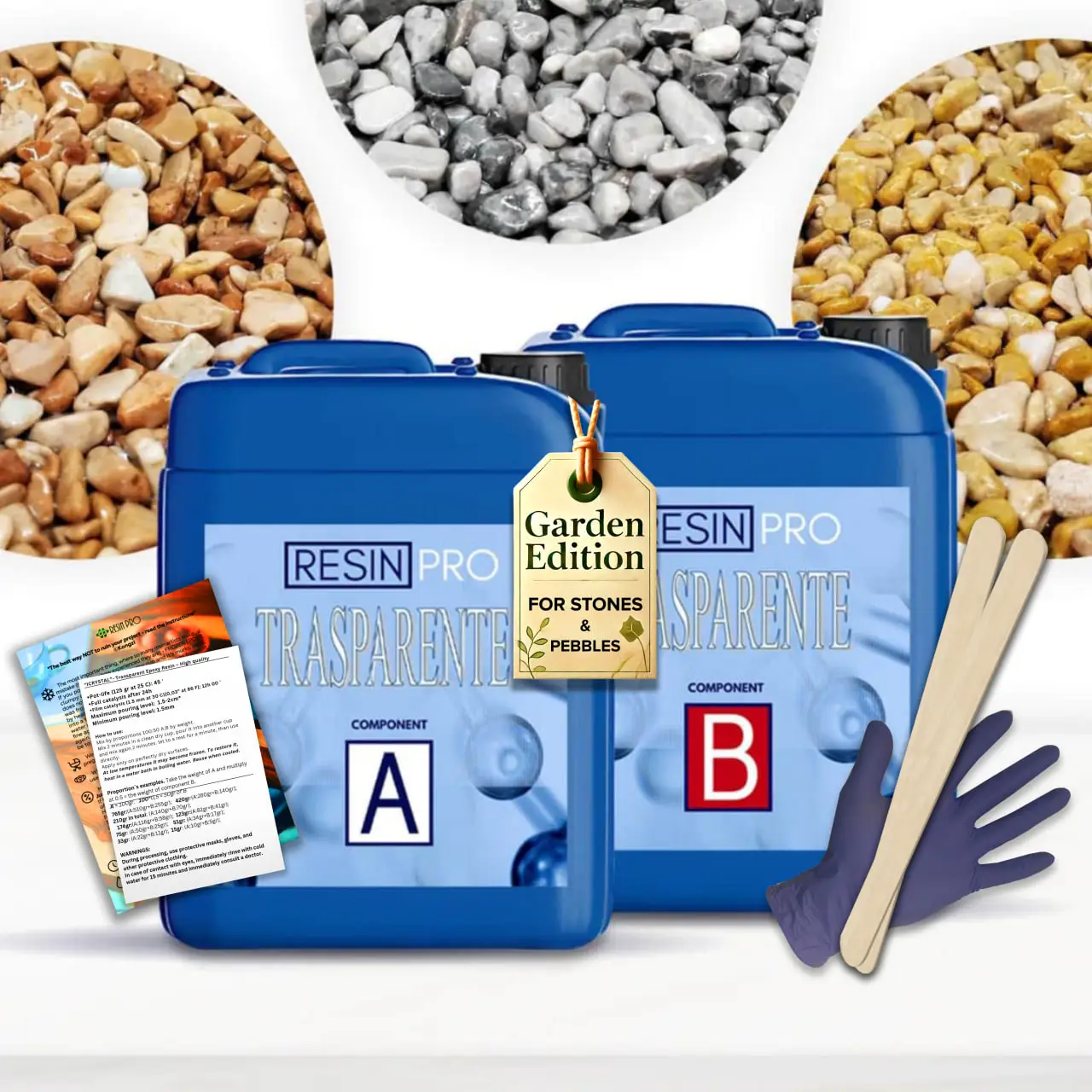
If your project involves coloured pebbles or decorative aggregates, “Trasparente” – Epoxy Binder for Coloured Pebbles and Grits offers a purpose-formulated two-part system. This crystal-clear epoxy resin is ideal for permeable stone flooring on driveways, entrances, and even patios. Its exceptionally low viscosity ensures thorough impregnation of aggregates, while its UV-resistant and non-yellowing formulation keeps both warm and dark coloured stones looking vibrant. Perfect for both DIYers and professionals, it provides a safe, certified non-toxic finish after curing, so it’s suitable for frequent touch or even barefoot walkways.
For anyone working on pebble floors intending to enhance colour and achieve long-lasting clarity, epoxy is typically superior to acrylic for bonding and sealing.
Polyurethane Binders: The Solution for White or Light Stones
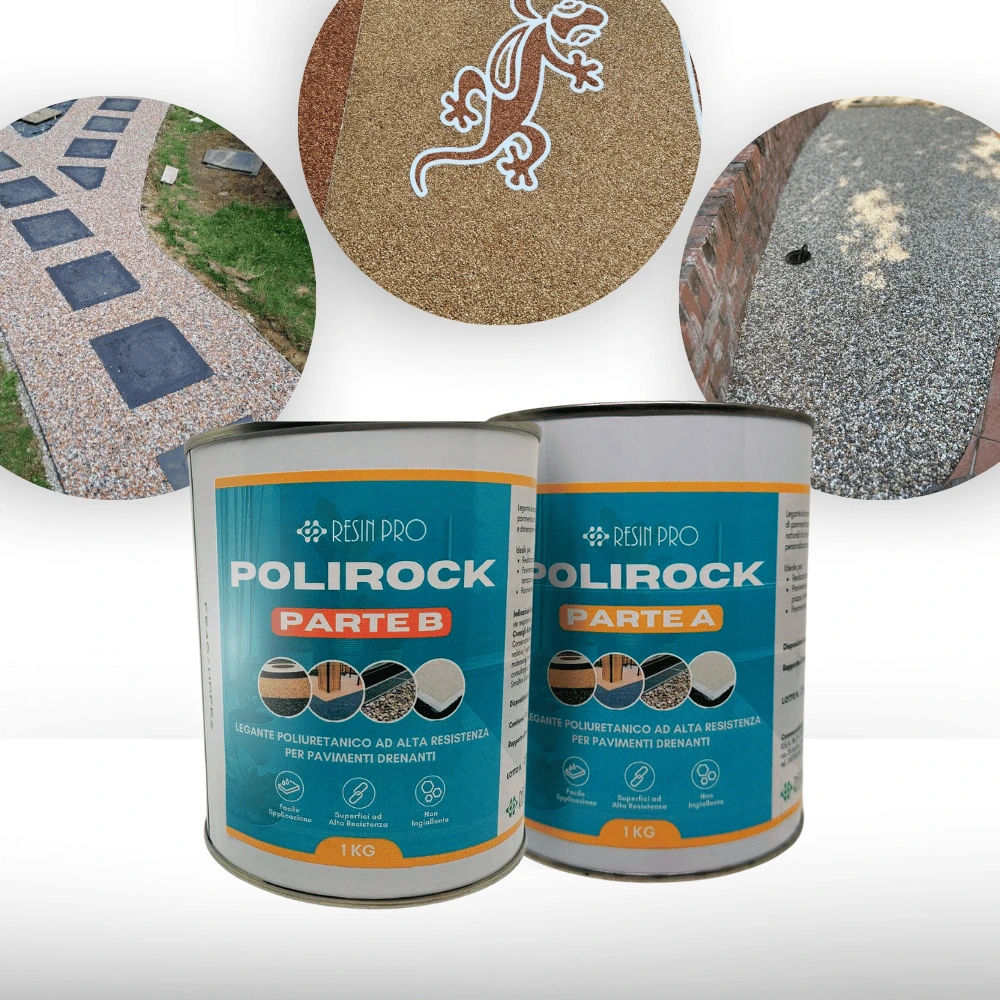
When installing decorative floors using white or light natural aggregates, UV-stability becomes essential. “Polirock” – Polyurethane Binder for White Stones, 2kg Two-Component Kit is designed specifically to avoid the yellowing that can sometimes affect epoxy or acrylic binders on light stones. Its weather-resistant and anti-slip finish make it ideal for pedestrian crossings, patios, and decorative driveways. Plus, it remains clear and is compatible with various aggregate colours and sizes for fully customisable design choices.
While acrylics may seem suitable for crafts or temporary solutions, a proper polyurethane binder delivers a truly lasting, professional finish for white aggregate stonework outdoors.
All-in-One Kits for Permeable, Durable Stone Surfaces
If you are renovating pathways, patios, or driveways and want an easy, all-inclusive solution, the “Flowstone” – Complete Permeable Floor Kit with Pebbles and Resin combines top-quality resin (choose between polyurethane for white stones or epoxy for coloured) with UK-sourced aggregates. The kit delivers permeable solutions to reduce puddling, high mechanical strength, and customisable finishes to suit any outdoor décor. It is cost-effective, simple to apply, and includes expert guidance—ideal for both professionals and ambitious DIYers.
Remember: use polyurethane resin with white Carrara gravel, and select epoxy resin for darker, coloured aggregates to maintain colour brilliance and translucency.
Epoxy Mastic for Stone Repairs, Bonding, and Grouting
For professional-grade bonding and repair of stone, metal, or cement, “Magelstick” – Epoxy Mastic for Stone, Metal, and Cement Bonding and Grouting delivers exceptional mechanical strength and resistance to both weather and UV. Ideal for restoration or grouting tasks in masonry, its thixotropic formula prevents sagging on vertical applications, while minimal shrinkage helps ensure a flawless finish. This dedicated epoxy mastic is suitable indoors and outdoors whenever durable repair or bonding is needed—much stronger and longer-lasting than acrylic alternatives.
Matching Resin to Stone and Project Type
Choosing between acrylic, epoxy, and polyurethane comes down to the specifics of your stones and use-case. For vibrant, coloured stones—especially in permeable outdoor applications—epoxy binders such as “Trasparente” provide clarity and UV protection. For white or light aggregate surfaces, the “Polirock” polyurethane binder prevents yellowing due to sunlight. For those wanting an all-in-one approach, “Flowstone” offers kits that ensure you get the ideal resin for your chosen stone. And for restoration or intricate stone repairs, “Magelstick” Epoxy Mastic ensures professional, long-lasting results.
Tips for Choosing and Using Stone Resins
Always match the resin type to the colour and location of your aggregate—use polyurethane for white stones and epoxy for coloured pebbles. Our pebble floors range offers dedicated solutions for different surfaces. For best results, always mix resin and stones before installation and follow provided curing and safety instructions. For repair or adhesion tasks, opt for epoxy mastics that offer both strength and weather resistance.

- "Trasparente" – Epoxy Binder for Coloured Pebbles and GritsPrice range: £33.45 through £397.95"Trasparente" is a transparent epoxy binder designed for coloured pebbles and grits, providing durable, UV-resistant finishes suitable for various…
- "Polirock" – Polyurethane Binder for White Stones, 2kg Two-Component Kit£61.95"Polirock" is a polyurethane binder kit designed for creating durable, decorative outdoor surfaces with white stones, suited to the theme.
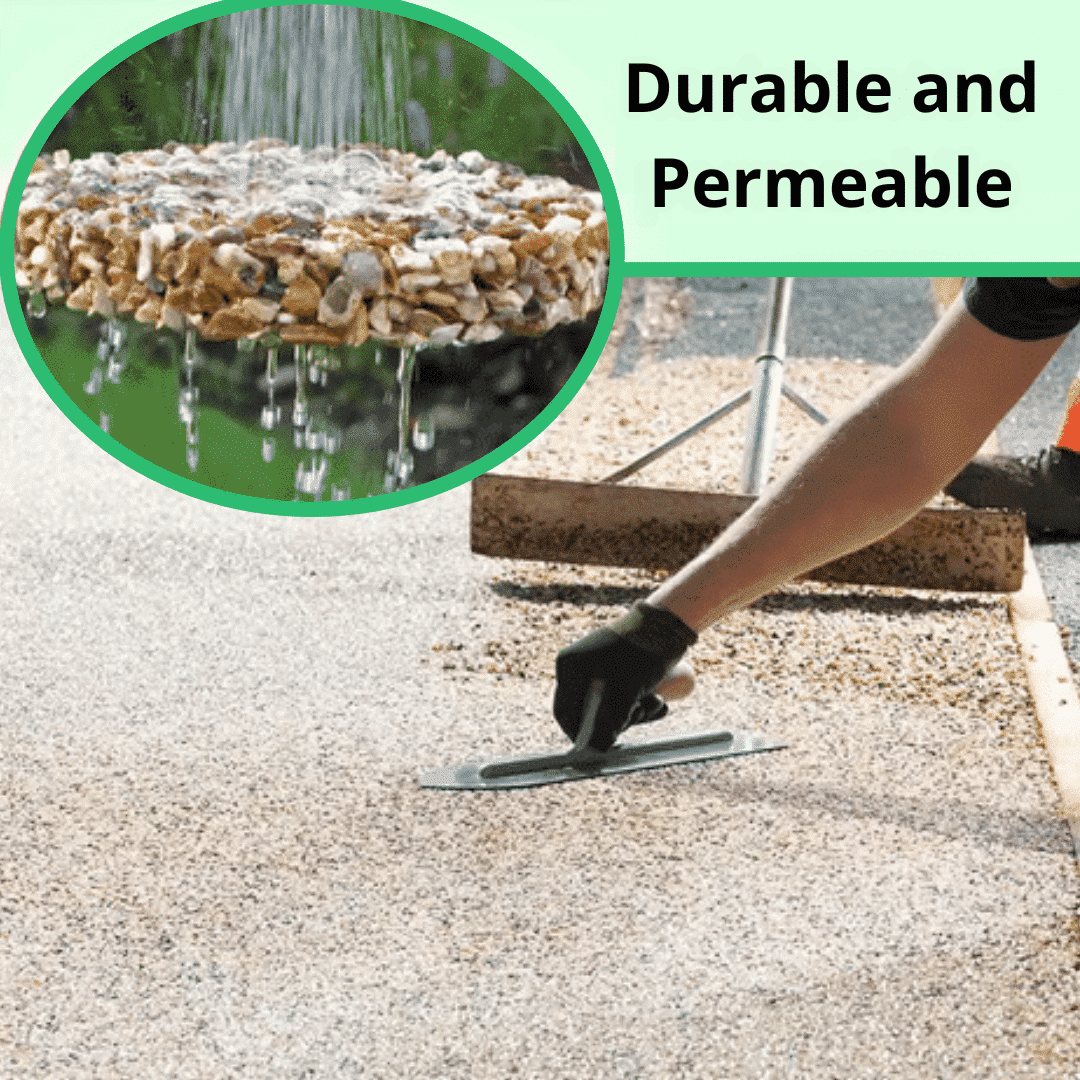 "Flowstone" – Complete Permeable Floor Kit with Pebbles and ResinPrice range: £49.95 through £3,915.45The Flowstone kit offers a permeable pebble and resin system suitable for drainage and custom finishes in outdoor spaces like driveways and patios.
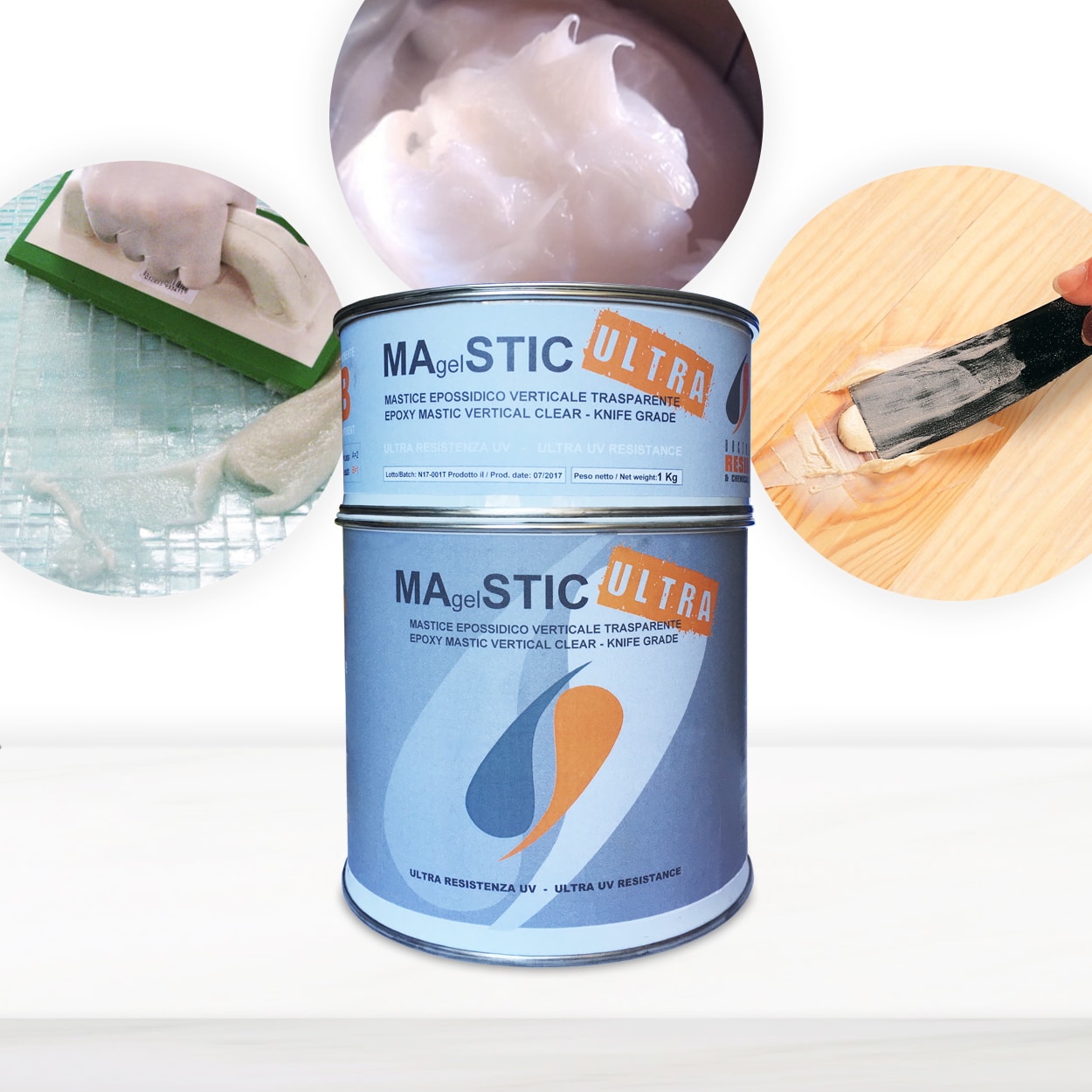 "Magelstick" – Epoxy Mastic for Stone, Metal, and Cement Bonding and Grouting"Magelstick" Epoxy Mastic is designed for professional repair of stone, metal, and cement with strong mechanical properties and weather resistance.
Frequently Asked Questions
Should I use epoxy or polyurethane for white stones?
Polyurethane binders like Polirock are best for white stones to avoid yellowing and ensure a clear finish.
Is epoxy better than acrylic for pebble and stone floors?
Epoxy resins provide superior durability, clarity, and UV-resistance for stone floors compared to acrylic.
What colour stones work well with epoxy resin?
Epoxy is ideal for coloured, dark, or warm-toned stones where high clarity and colour brilliance are desired.
Can I repair damaged or loose stones with epoxy mastic?
Yes, epoxy mastics like Magelstick are suitable for bonding and restoring natural and artificial stone surfaces.
Are acrylic binders recommended for outdoor stone or aggregate surfaces?
Acrylic is generally less suitable than epoxy or polyurethane due to lower weather resistance and strength.
Which binder is suitable for pebble floors in the UK climate?
Select high-quality epoxy for coloured stones or polyurethane for white stones for durable, weather-resistant results.