 Free shipping on orders over £29,85
  Shipping Tracking!


 Google
 Facebook
← Back to Which silicone is best for use with both steel and rubber?
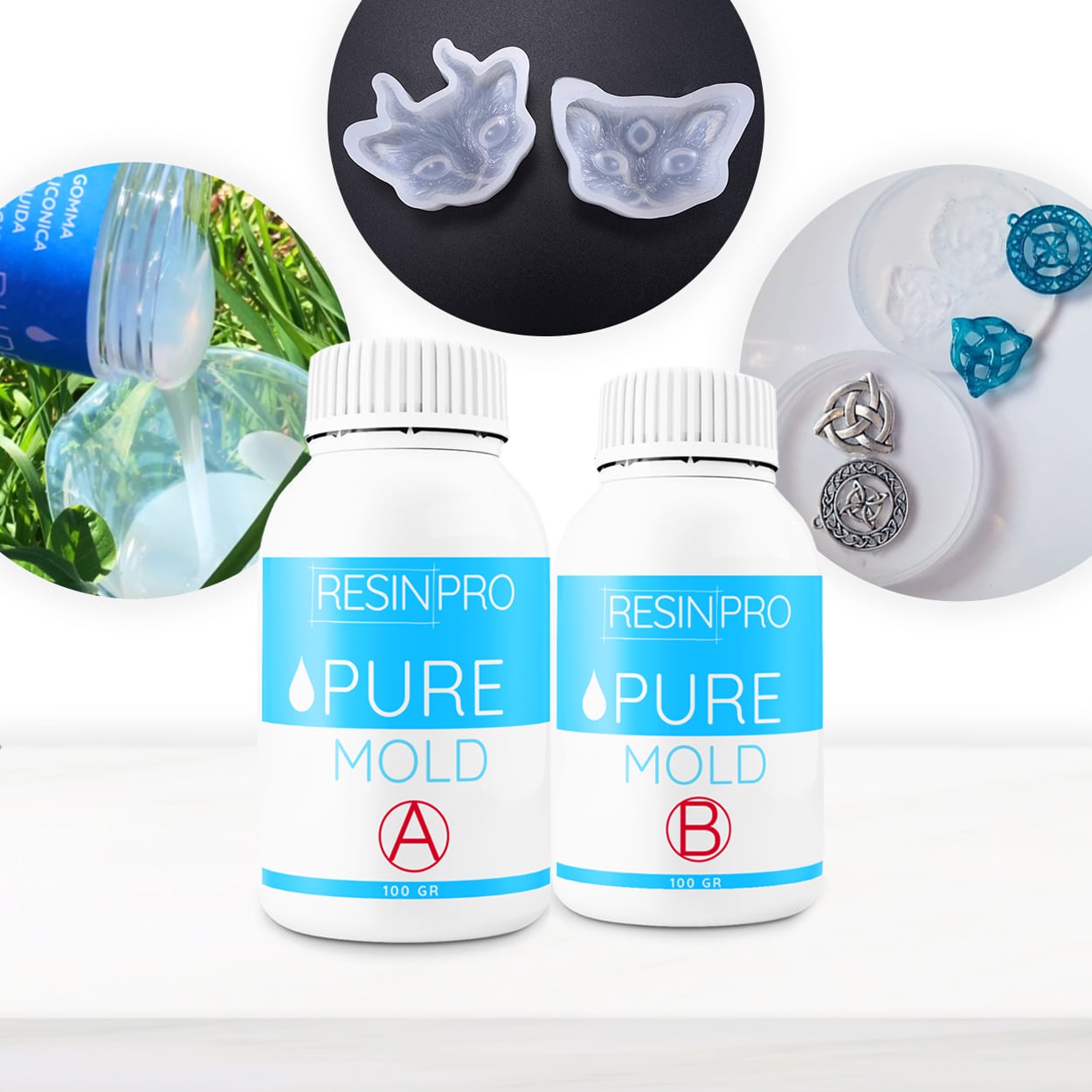
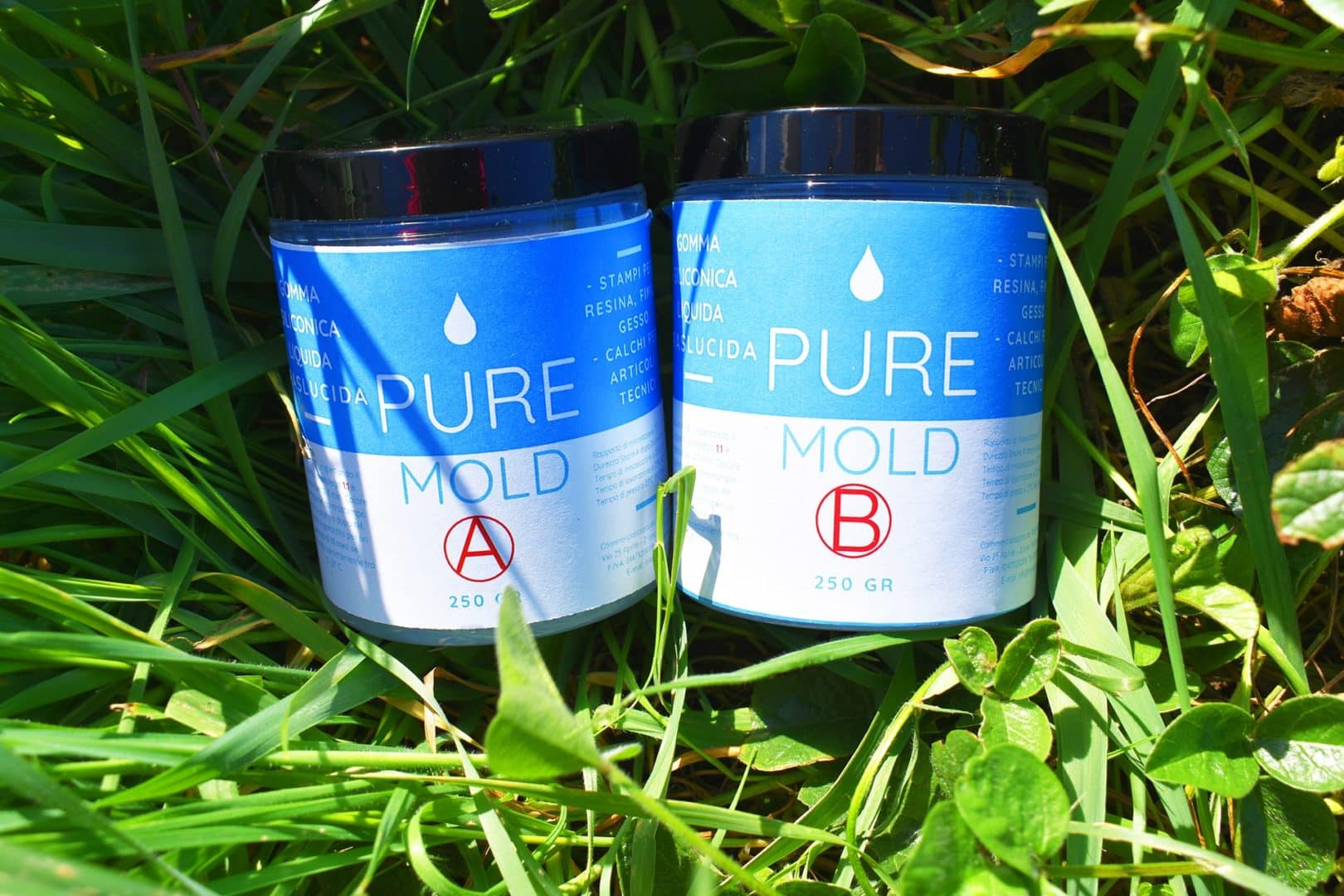
When working on moulds involving both hard and flexible materials, such as steel and rubber, it is important to choose a silicone that offers broad compatibility. Platinum-based silicones are often considered for these complex, mixed-material applications.
What Makes Platinum-Based Silicone Versatile?
Platinum-cure silicones, like “Pure Mould”, stand out for their ability to perform reliably with a wide array of casting substances. These silicones are well-suited to moulds where you may be casting epoxies, working alongside steel inserts, or using flexible components such as rubber. Their stability, clarity, and excellent mechanical properties make them adaptable across different project types, from decorative items to industrial uses.
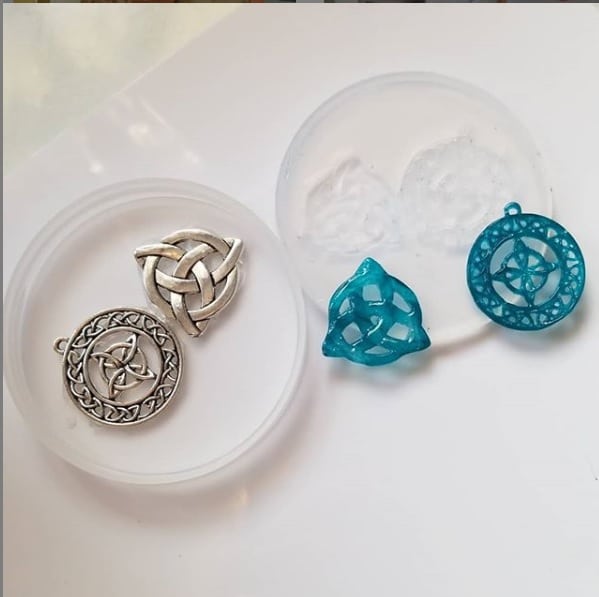
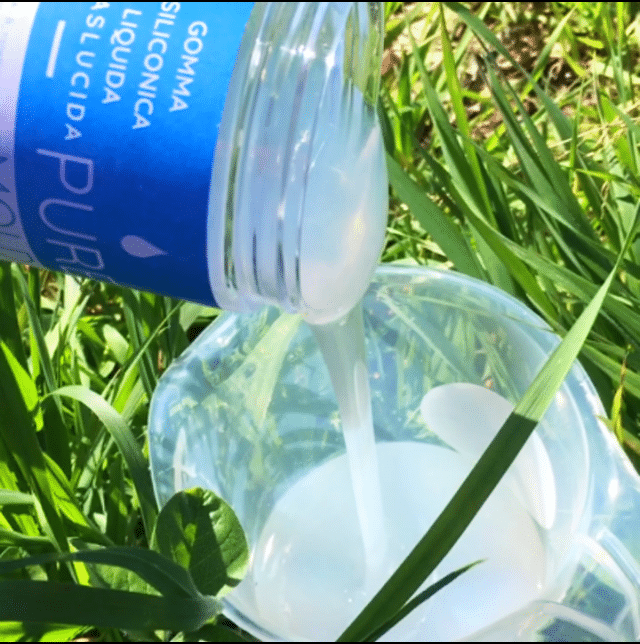
Practical Tips for Mixed-Material Moulding
When using platinum-based silicones for moulds that combine steel, rubber, or resins, pay attention to surface cleanliness and compatibility. Ensure all materials are free from contaminants and select a silicone grade suitable for your intended detail and flexibility. Products like “Pure Mould” offer a straightforward 1:1 mixing ratio and fast curing, which is helpful when working on detailed or layered moulds. For maximum detail replication, consider using a bi-component liquid silicone rubber if your items feature fine patterns or undercuts.
When This Matters
- Combining materials such as steel rods and rubber forms within a single mould
- Switching between rigid and flexible casting resins
- Producing detailed or multi-material artistic objects
Related products
Related guides
If your project calls for seamless integration of materials like steel, rubber, and resin, platinum-cure silicones are an excellent starting point. For a more comprehensive comparison of suitable silicones for mixed-material moulds, return to our main guide on silicones for use with both steel and rubber.