 Free shipping on orders over £29,85
  Shipping Tracking!


 Google
 Facebook
← Back to What are the main thermoplastic and thermosetting resins?

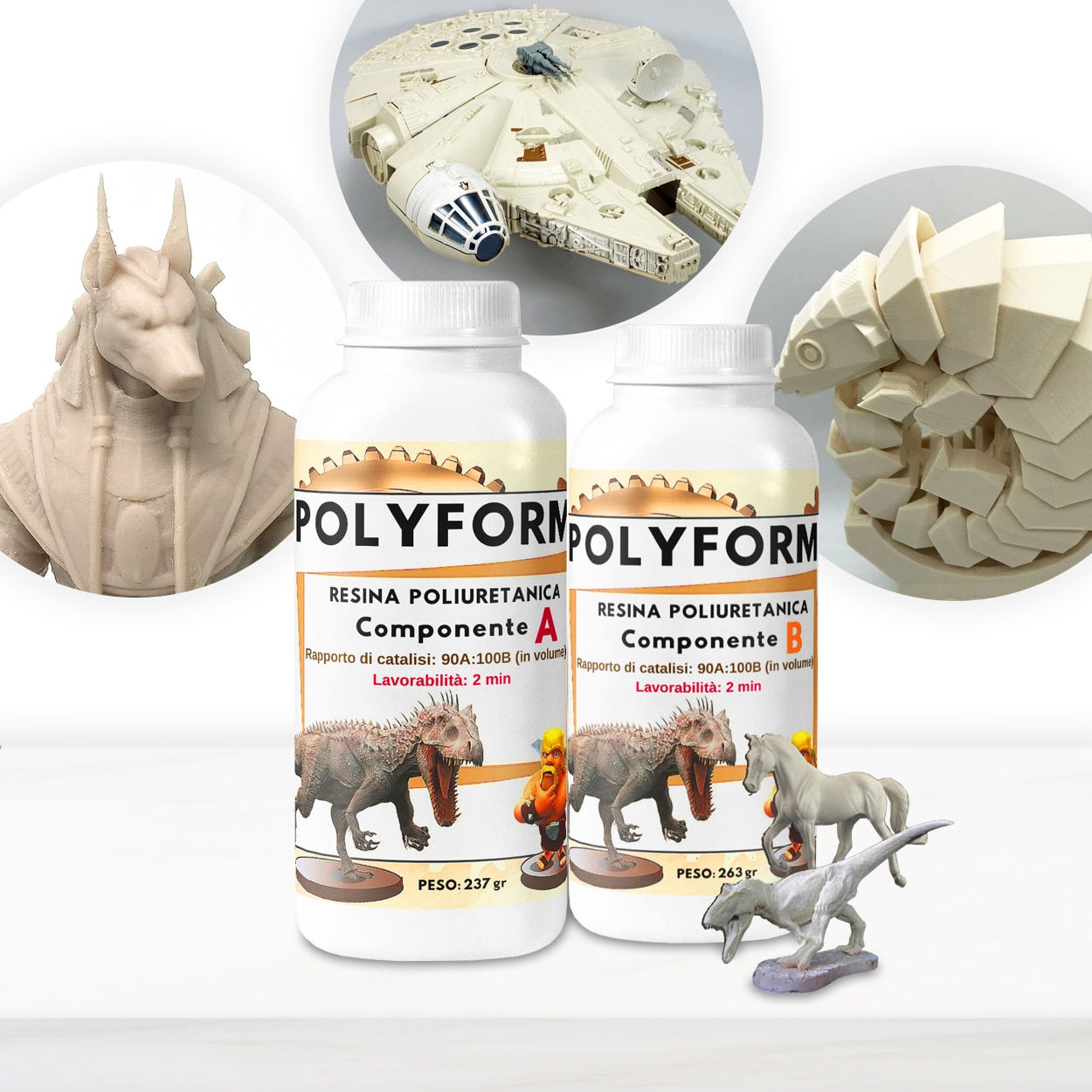
Understanding the flexibility of different resins is crucial when choosing the right product for your repair or casting tasks. Many wonder if polyester resin can be used for flexible repairs—let’s explore this in detail.
Why Polyester Resin is Not Flexible
Polyester resin, commonly used in fibreglass repairs, cures to form a rigid and hard structure. This inflexible finish provides strength and durability, making it excellent for restoring and reinforcing solid surfaces like boats, pools, and pressure pipes. However, if your repair requires any degree of flexibility or movement once cured, polyester resin is not the best choice, as it will not bend or stretch without cracking.
What to Use When Flexibility is Needed
If your project involves parts or repairs that need to maintain flexibility, consider opting for a silicone rubber instead. For instance, “Pure Mould” translucent liquid silicone rubber is a reliable alternative. Once cured, silicone rubber offers the elasticity and give needed for flexible applications, such as mould making, cushioning, seals, or pieces that need to withstand regular movement.
When This Matters Most
- Repairing items subject to constant vibration or bending, such as rubber components or gaskets.
- Creating flexible moulds for casting resin, wax, or plaster.
- Craft applications like jewellery, where a bit of give prevents cracking or breakage.
Related products
Related guides
While polyester resin is an outstanding choice for long-lasting, rigid fixes, it is not suitable if flexibility is your priority. For flexible repairs or creative applications, investing in a high-quality silicone rubber like ‘Pure Mould’ ensures the durability and movement your project demands. Learn more about resin choices and their uses on our main resin guide.