 Free shipping on orders over £29,85
  Shipping Tracking!


 Google
 Facebook
← Back to How does silicone rubber dry?

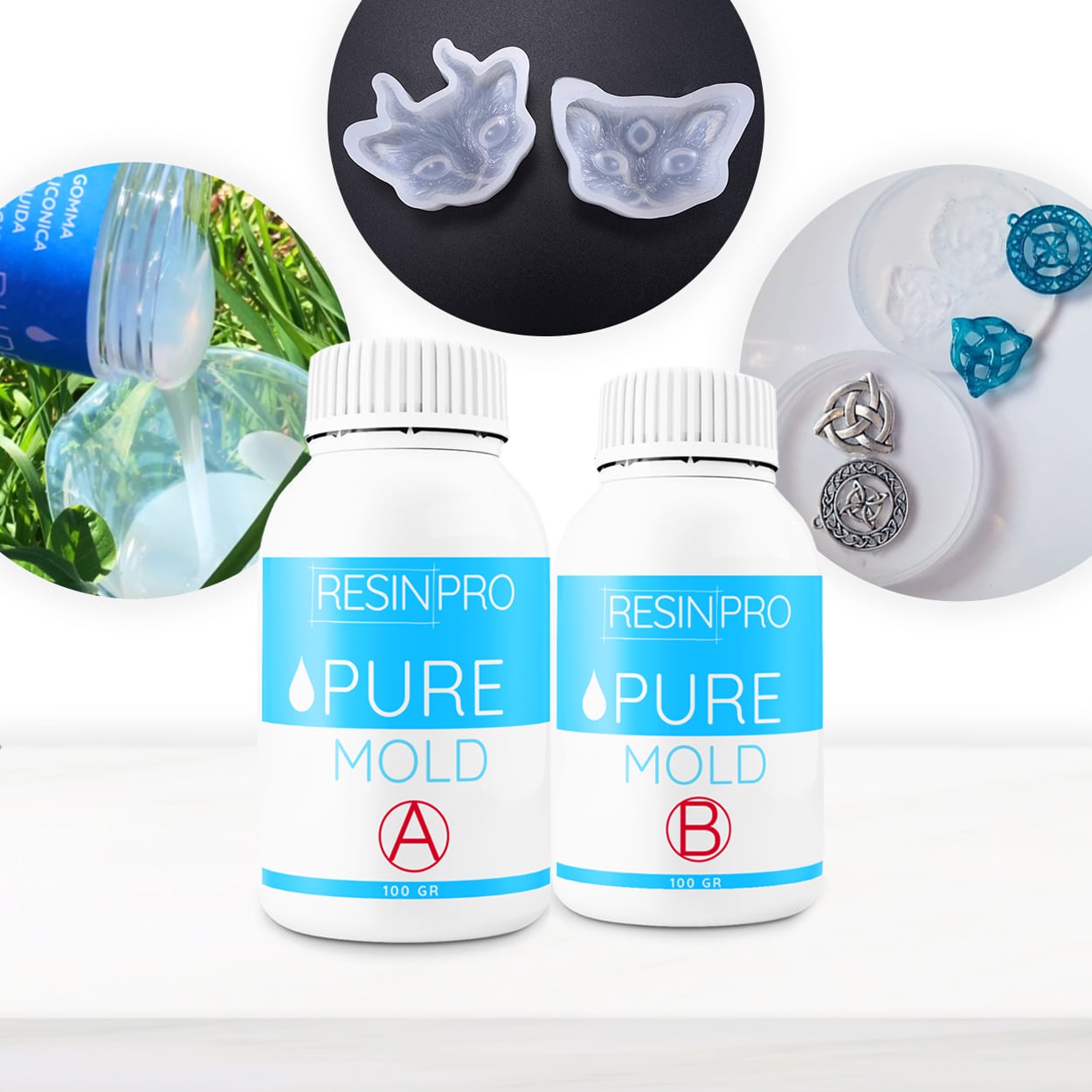
When using silicone rubber for mould making, whether a release agent is required depends on the type of silicone and what you intend to cast into the mould. Understanding this can simplify your moulding process and save time on preparation and clean-up.
Silicone Putty: Usually Release Agent Free
Silicone putties, such as “I–Gum”, are formulated to be non-stick and easy to use for most applications. Their inherent non-stick quality means a release agent is generally not necessary, especially when working with resin, polyurethane, wax, and similar materials. This makes silicone putty ideal for quick, hassle-free mould making with minimal preparation and easy demoulding.

Liquid Silicone Rubber: Sometimes a Release Agent Is Needed
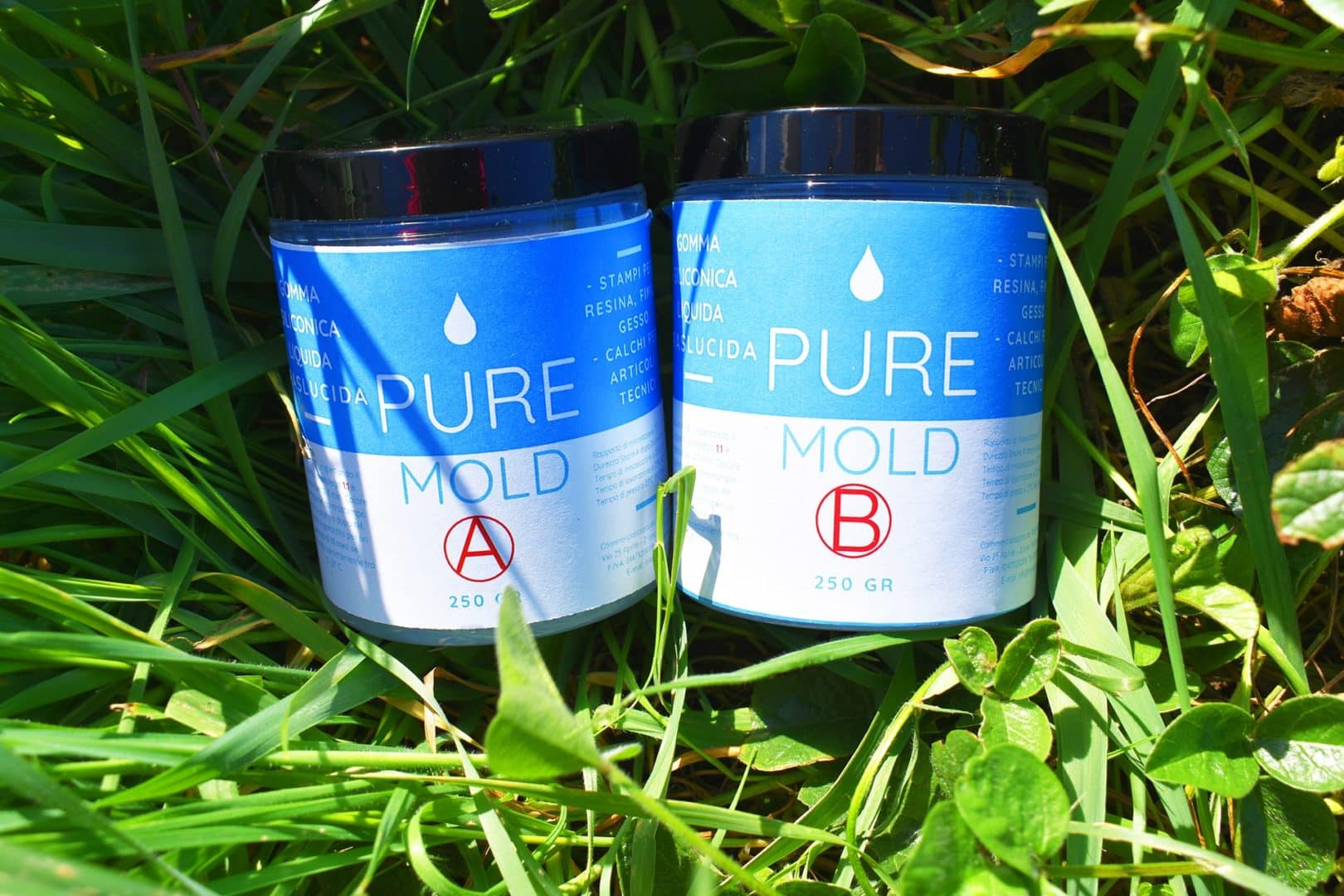
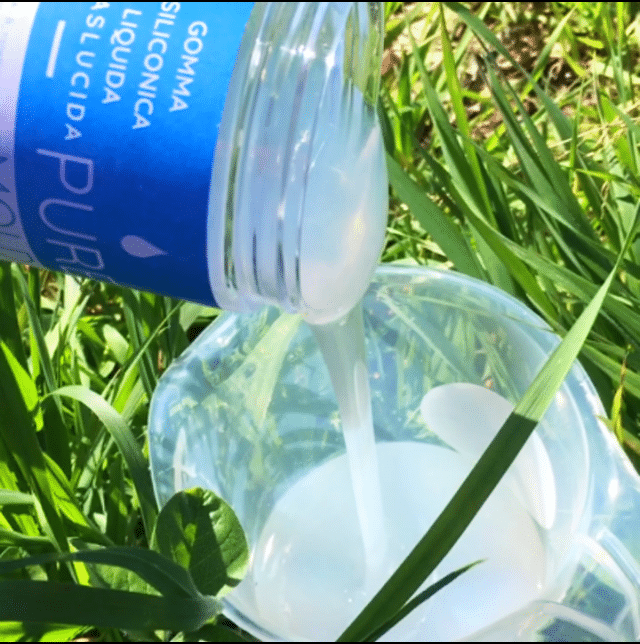
Liquid silicone rubbers, like “Pure Mould” or “Liquid Mould”, may occasionally require a release agent. This depends on both the silicone’s formulation and the type of material you’re casting. For most resin, plaster, or wax castings, the silicone’s natural non-stick properties are often sufficient. However, if using sticky or particularly reactive casting materials, a release agent can help prevent the mould and cast from adhering, preserving mould life and ensuring clean release.
When This Matters Most
- Reusable Moulds: If you plan to reuse your silicone mould multiple times, a release agent may extend its lifespan.
- Complex Castings: For objects with deep undercuts or intricate shapes, release agents can help ensure trouble-free demoulding.
Related products
Related guides
Knowing whether or not to use a release agent with your silicone rubber saves effort, maintains mould quality, and leads to better results. For further guidance on silicone drying behaviour and practical tips, see our main guide on how silicone rubber dries.