 Free shipping on orders over £29,85
  Shipping Tracking!


 Google
 Facebook
← Back to Is there a difference between resin and enamel for covering tiles?


When renovating bathrooms or kitchens, choosing the right coating for tiles is important for both appearance and longevity. The decision between resin and enamel will affect durability, water resistance, and ease of maintenance.
The Key Differences: Resin vs. Enamel
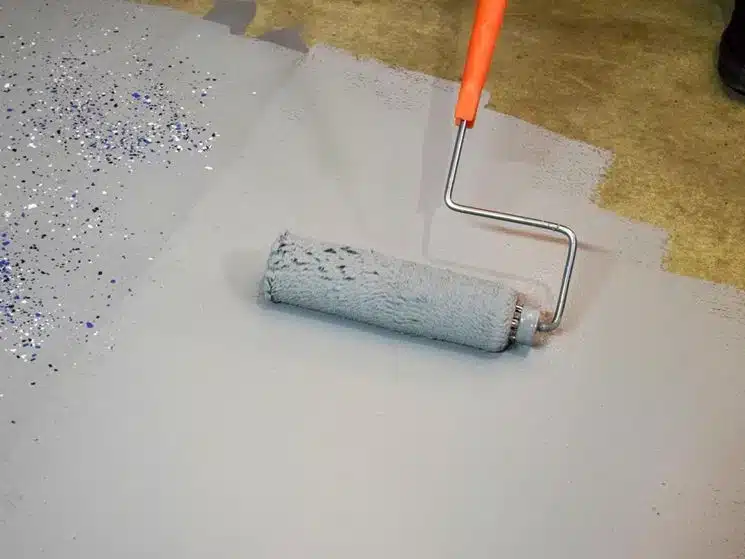
Epoxy resin products are valued for their robust, waterproof finish, making them ideal for areas exposed to frequent moisture, such as bathroom or kitchen floors. Resin creates a seamless, durable surface that can withstand daily wear, footfall, and occasional spills.
By contrast, enamel coatings are best suited to light decorative updates, especially on wall tiles that don’t endure heavy use. While enamels impart a quick refresh and a glossy look, they do not match resin for resilience or long-term protection against water ingress.
Practical Guidance: Where Each Works Best
- Floors: For tiling on surfaces like bathroom or kitchen floors, resin coatings such as “Epoxyprimer” provide excellent adhesion, high durability, and an easy-to-clean, water-resistant finish. These features are especially beneficial in rooms that are cleaned frequently or subject to splashes and spills.
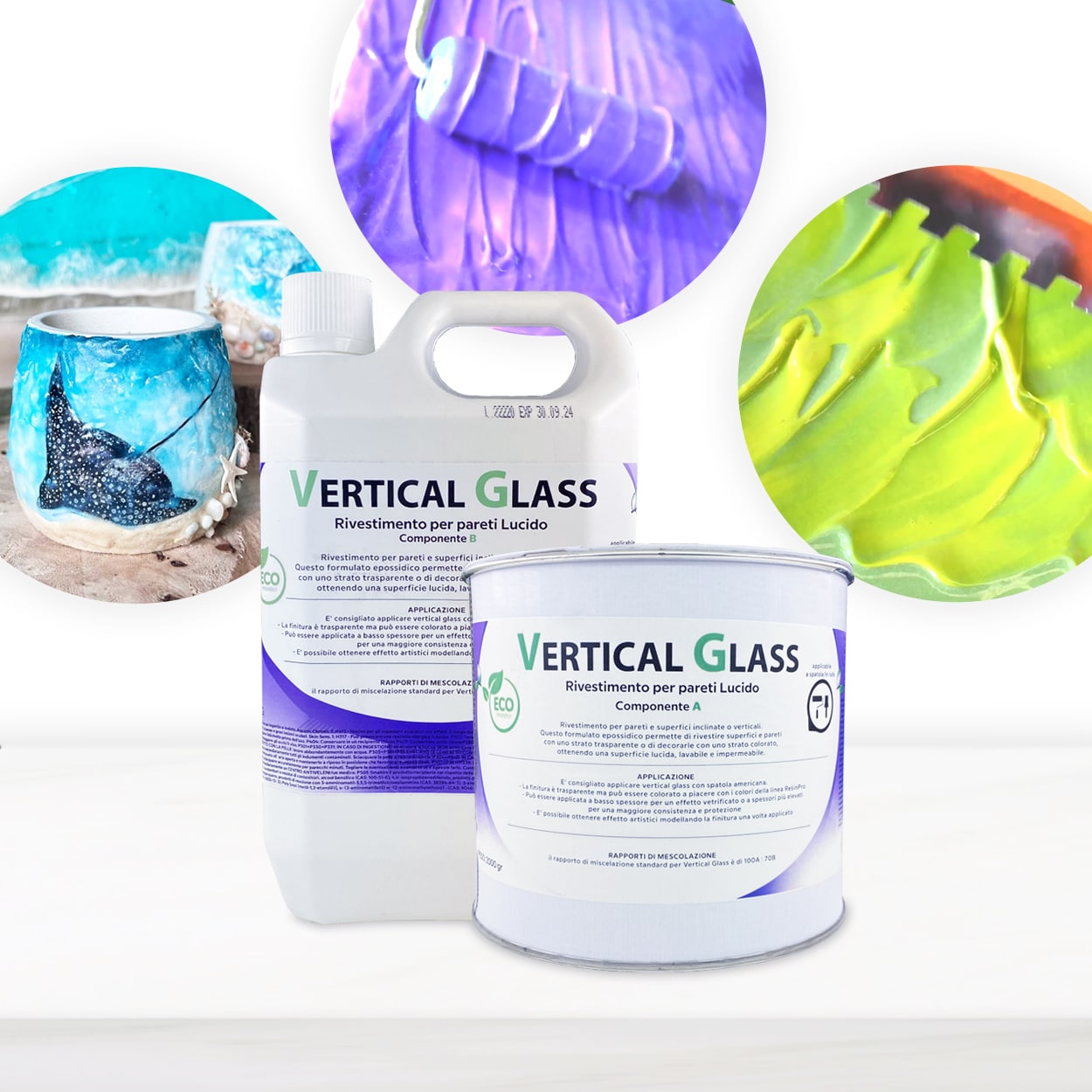
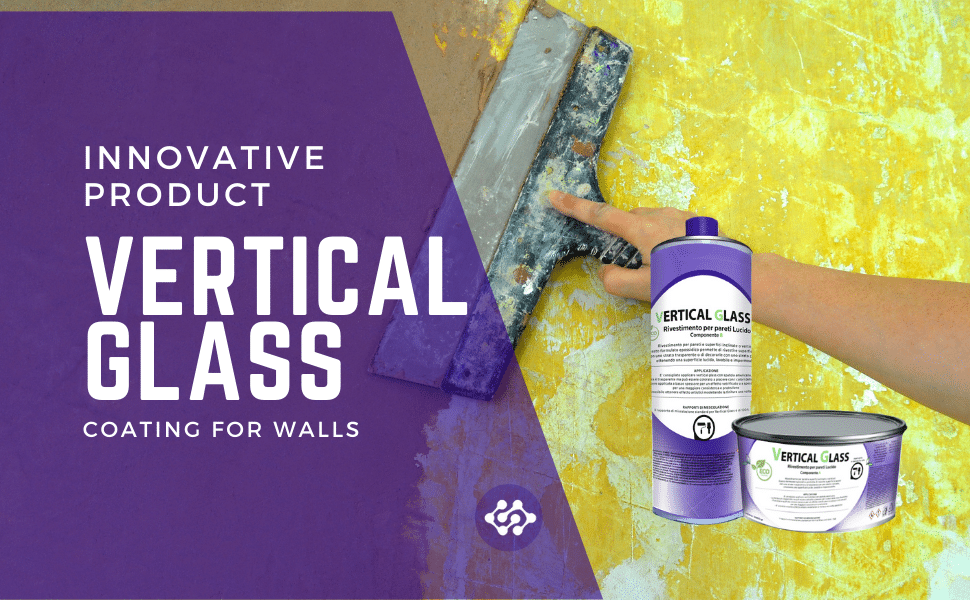
- Walls: For vertical or decorative tiled surfaces, a thick resin coating like “Vertical Glass” offers a customisable, protective layer. While some homeowners opt for enamel paint to quickly brighten up wall tiles, resin gives greater protection and longer-lasting results, particularly in shower or splashback zones.
When This Choice Matters Most
If your main goal is to protect against water damage and ensure durability—especially on floors or high-traffic areas—resin is recommended. For quick, cost-effective updates on low-contact wall tiles, enamel may suffice, but it won’t hold up as robustly in wet environments.
Related products
Related guides
Understanding whether resin or enamel is best for your bathroom or kitchen tiles will help you make a successful, lasting upgrade. For more insight into how resin compares with enamel for covering tiles, see our full guide on the differences between these two finishes.