 Free shipping on orders over £29,85
  Shipping Tracking!


 Google
 Facebook
Is Resin Bound Gravel Really Permeable?
Discover drainage, product options and the best binders for UK weather.

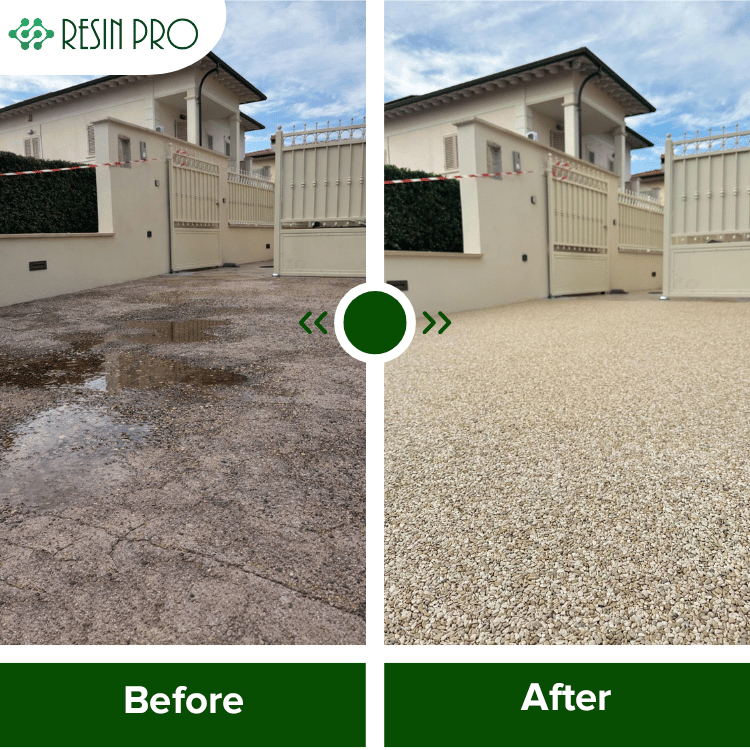
Resin bound gravel has quickly become the go-to choice for driveways, patios, paths, and public spaces across the UK thanks to its sleek look and vital ability to allow water to drain through the surface. If you’re wondering is resin bound gravel permeable, you’re in the right place—especially with British rainfall! This page explores exactly how permeability works, what makes a floor genuinely draining, and which UK-ready product solutions are available to ensure your outdoor surfaces stay free from puddles and compliant with sustainable drainage regulations (SuDS).
We’ll introduce the leading ResinPro solutions, compare their strengths, suggest where to use each type of resin and aggregate, and clarify which materials ensure true permeability for your next project.
What Makes Resin Bound Gravel Permeable?
Unlike solid concrete or tarmac, a truly permeable resin bound surface is created by thoroughly mixing clean, dry, graded gravel or pebbles with a quality resin binder. Once applied, this mixture forms a robust but porous structure, allowing rainfall and water to flow directly through the small voids between the stones, dispersing naturally into the subsoil below. Not all resin surfaces are permeable—traditional “resin bonded” or solid resin overlays will not provide proper drainage.
Key factors in achieving permeability include:
- Use of washed pebbles for permeable floors, like our Washed Pebbles for Permeable Floors 25kg – Outdoor Resin-Bound Surfaces, which ensure no dust or clay blocks water movement.
- A resin system supporting a fully mixed application, such as the “Flowstone” – Complete Permeable Floor Kit with Pebbles and Resin, which comes with step-by-step instructions.
- Selection of dependable binders tailored for different stone types: epoxy for coloured stones (“Trasparente” – Epoxy Binder for Coloured Pebbles and Grits) and polyurethane for white stones (“Polirock” – Polyurethane Binder for White Stones, 2kg Two-Component Kit).
By following these guidelines and using the right combinations, resin bound gravel systems provide beautiful, durable, and—most importantly—genuinely permeable surfaces suited for UK outdoor spaces.
Compare Top Resin Bound and Permeable Solutions
Choosing the right resin and aggregate for your gravel project doesn’t just affect the look—it’s crucial to the long-term performance and drainage capacity. See how the best-known options from ResinPro stack up for permeability, weather resistance, and colour retention.
- “Flowstone” – Complete Permeable Floor Kit with Pebbles and Resin: A user-friendly, all-in-one kit for durable permeable surfaces, with tailored guidance for both white and coloured stones. Excellent for driveways, patios, and shopping centre environments.
- “Trasparente” – Epoxy Binder for Coloured Pebbles and Grits: Provides a crystal-clear, UV-resistant finish—ideal for decorative and functional permeable floors using coloured or dark aggregates.
- “Polirock” – Polyurethane Binder for White Stones, 2kg Two-Component Kit: Especially formulated for white and light-coloured aggregates, ensuring no yellowing under UV and continuous clarity for decorative applications.
- Washed Pebbles for Permeable Floors 25kg – Outdoor Resin-Bound Surfaces: Clean, natural stone aggregates prepped for reliable permeability, compatible with both epoxy and polyurethane resin systems.
- “Resinstone” – One-Component Methacrylic Resin for Concrete Floors and Driveways: A sealing resin for concrete floors—waterproof but breathable—not used for binding gravel, but ideal protection for underlying concrete on permeable builds.
Need help choosing the right materials? See our specialist Pebble Floors category and multipurpose epoxy resins for the full range.
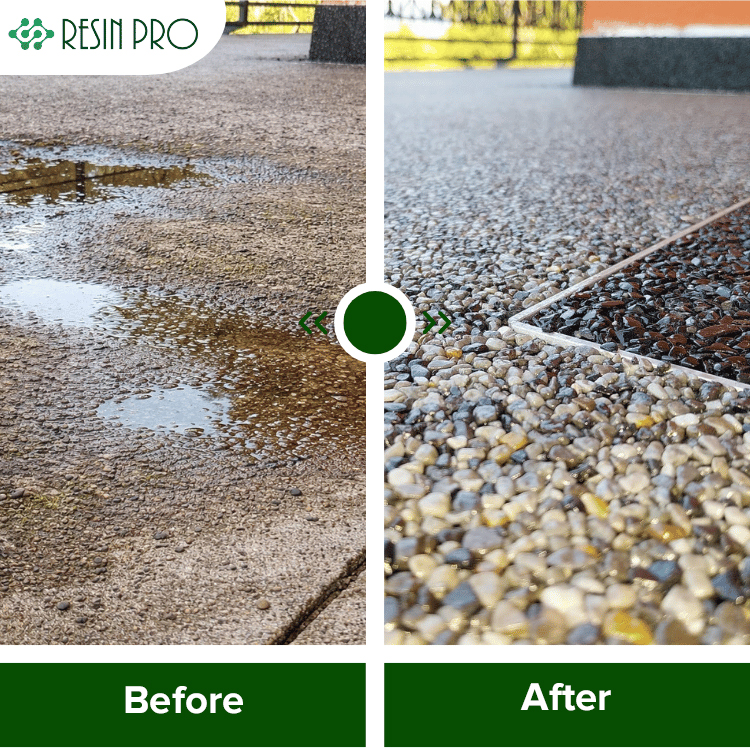
Why Choose Permeable Floors for UK Weather?
Heavy rainfall and waterlogging are common throughout the UK, making reliable permeability essential for driveways, patios and public spaces. Choosing a resin bound system with proven water drainage, such as Flowstone, means less risk of puddling, reduced surface run-off, and greater compliance with local drainage requirements.
Properly installed permeable resin gravel flooring contributes to sustainable landscaping while maintaining an attractive, low-maintenance space.
Where and Why Use Permeable Resin Bound Gravel?
Permeable resin-bound systems are now preferred for UK outdoor installations thanks to stricter drainage rules and environmental awareness. They support groundwater recharge, prevent puddling and flooding, and keep public and private paths safe. Ideal places to specify a permeable system include:
- Driveways and car parks where surface run-off could overwhelm drains.
- Paths and patios in domestic gardens seeking low-maintenance drainage.
- Urban developments, shopping centres, and schools aiming for sustainability compliance.
All-in-one kits like “Flowstone” are designed for British climate conditions, supporting a wide range of public and private uses. Combine them with Washed Pebbles for Permeable Floors 25kg for immediate, low-disruption upgrades in gardens, terraces, and more. When working with coloured aggregates, “Trasparente” epoxy is recommended, while “Polirock” is the preferred option for classic, non-yellowing white stone finishes.
Binder Types: Epoxy, Polyurethane, and Alternatives
Your choice of resin binder affects not only the longevity and appearance of your surface, but also its permeability and resistance to UK weather. Here’s how to decide:
- Epoxy binders like “Trasparente” – Epoxy Binder for Coloured Pebbles and Grits offer best results for dark, coloured, or decorative stones. Their clarity and UV resistance keep surfaces bright and fresh.
- Polyurethane binders such as “Polirock” – Polyurethane Binder for White Stones are formulated to prevent yellowing on light and white stones, maintaining a beautiful, clean finish for longer.
- All-in-one solutions, like the Flowstone kit, offer guidance to help select your optimal binder for the chosen aggregate colour and are paired with simple step-by-step applications.
- For concrete underlayers or as a final sealer, options like “Resinstone” – One-Component Methacrylic Resin provide deep penetration, waterproofing, and protection, but are not intended as binders for loose gravel surfaces.
No matter which option you select, choosing the right system is essential for achieving long-lasting, permeable, and visually appealing outdoor surfaces in the UK climate.
Tips for Maintaining Permeable Resin Gravel Surfaces
Periodic cleaning with gentle sweeping and occasional jet washing will help maintain permeability by preventing debris from blocking the stone voids. Avoid harsh sealers not recommended by your product specification, as these can reduce drainage performance. For ultimate ease, opt for ready-made solutions like the Flowstone kit with washed pebbles and expert resin advice included.
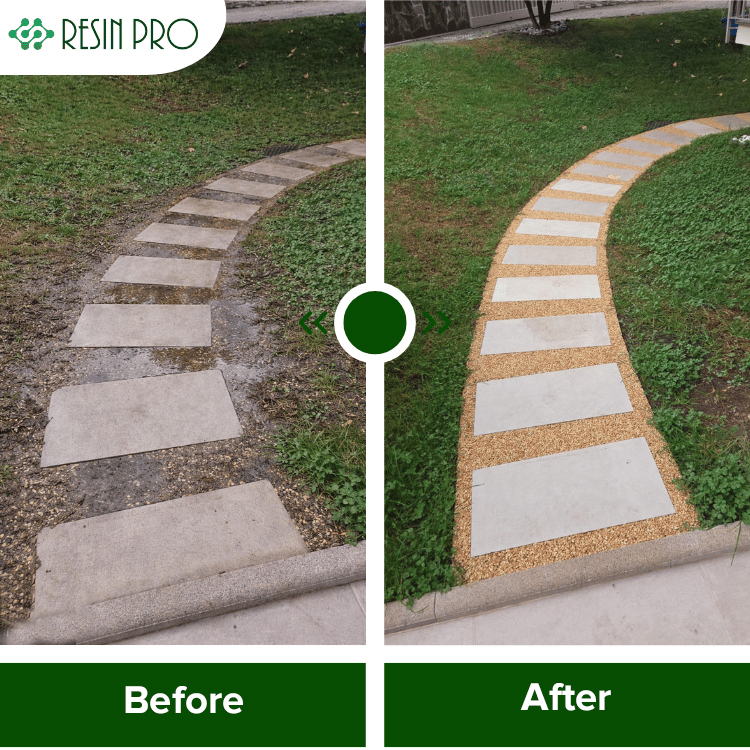
How to Install a Permeable Resin Bound Gravel Surface
Installing a permeable gravelling system is simpler than many expect. The key steps are:
- Prepare a stable, well-drained sub-base—permeable tarmac or crushed stone is preferred.
- Choose washed, dust-free aggregates like our Washed Pebbles for Permeable Floors 25kg for best drainage.
- Thoroughly mix pebbles and resin binder (“Trasparente” for coloured stone, or “Polirock” for white) in a suitable mixer.
- Apply evenly with trowels, ensuring an open, void-filled finish. Avoid compaction that could block permeability.
- Allow to cure fully before use. Kits like Flowstone include cure times and full application guidance.
Always avoid applying any sealing resin over the permeable surface unless specifically recommended, as this can reduce or eliminate drainage. For protection of surrounding concrete bases, Resinstone is ideal before laying the resin-bound system.
- "Flowstone" – Complete Permeable Floor Kit with Pebbles and ResinPrice range: £42.85 through £3,389.85The Flowstone kit offers a permeable pebble and resin flooring system with step-by-step guidance, suitable for UK outdoor spaces.
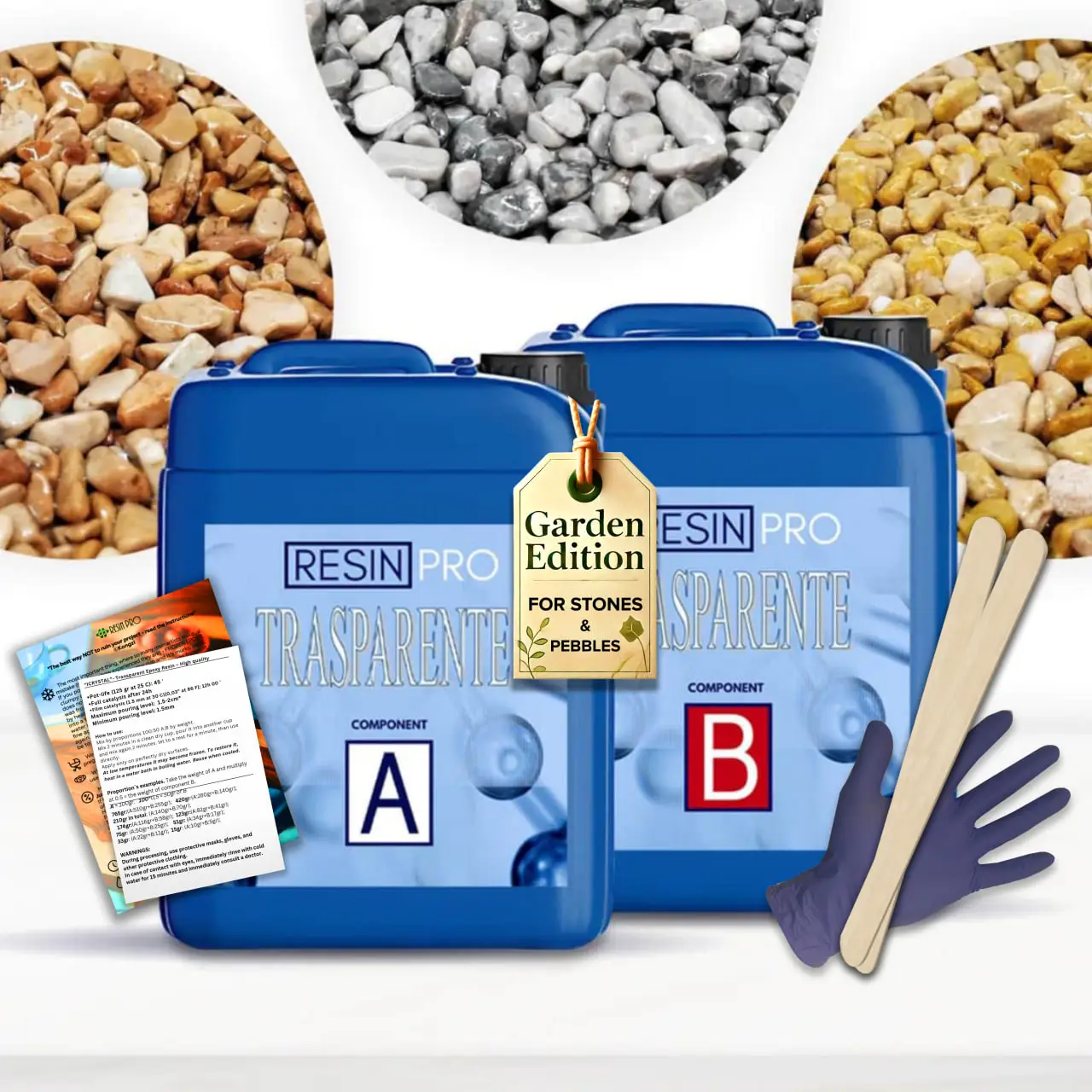 "Trasparente" – Epoxy Binder for Coloured Pebbles and GritsPrice range: £31.85 through £948.85"Trasparente" epoxy binder is designed for coloured pebbles and grits, providing a clear, UV-resistant finish suited to permeable floor projects.
 Washed Pebbles for Permeable Floors 25kg – Outdoor Resin-Bound Surfaces£26.85Washed Pebbles for Permeable Floors 25kg are pre-washed stone aggregates designed for permeable outdoor resin-bound surfaces.
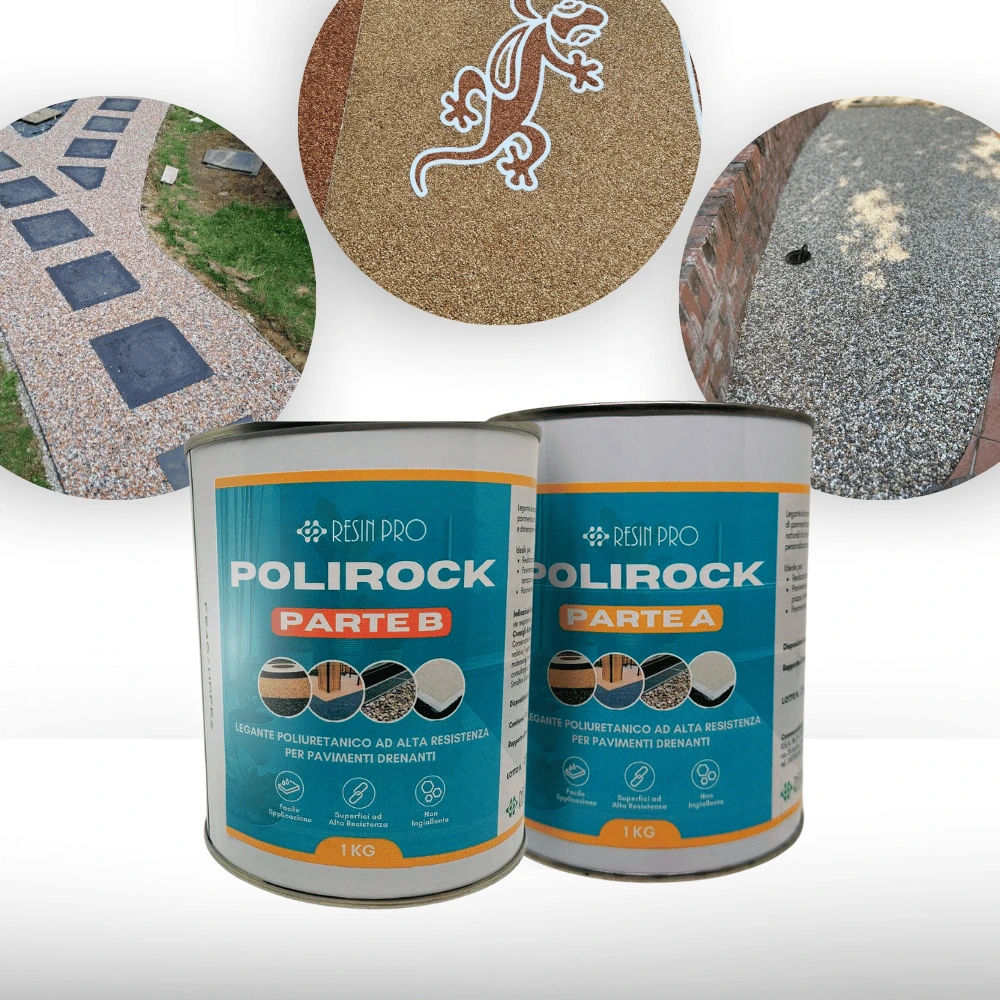 "Polirock" – Polyurethane Binder for White Stones, 2kg Two-Component Kit£58.85Polirock polyurethane binder is designed for permeable and decorative stone surfaces, supporting outdoor use with white stones.
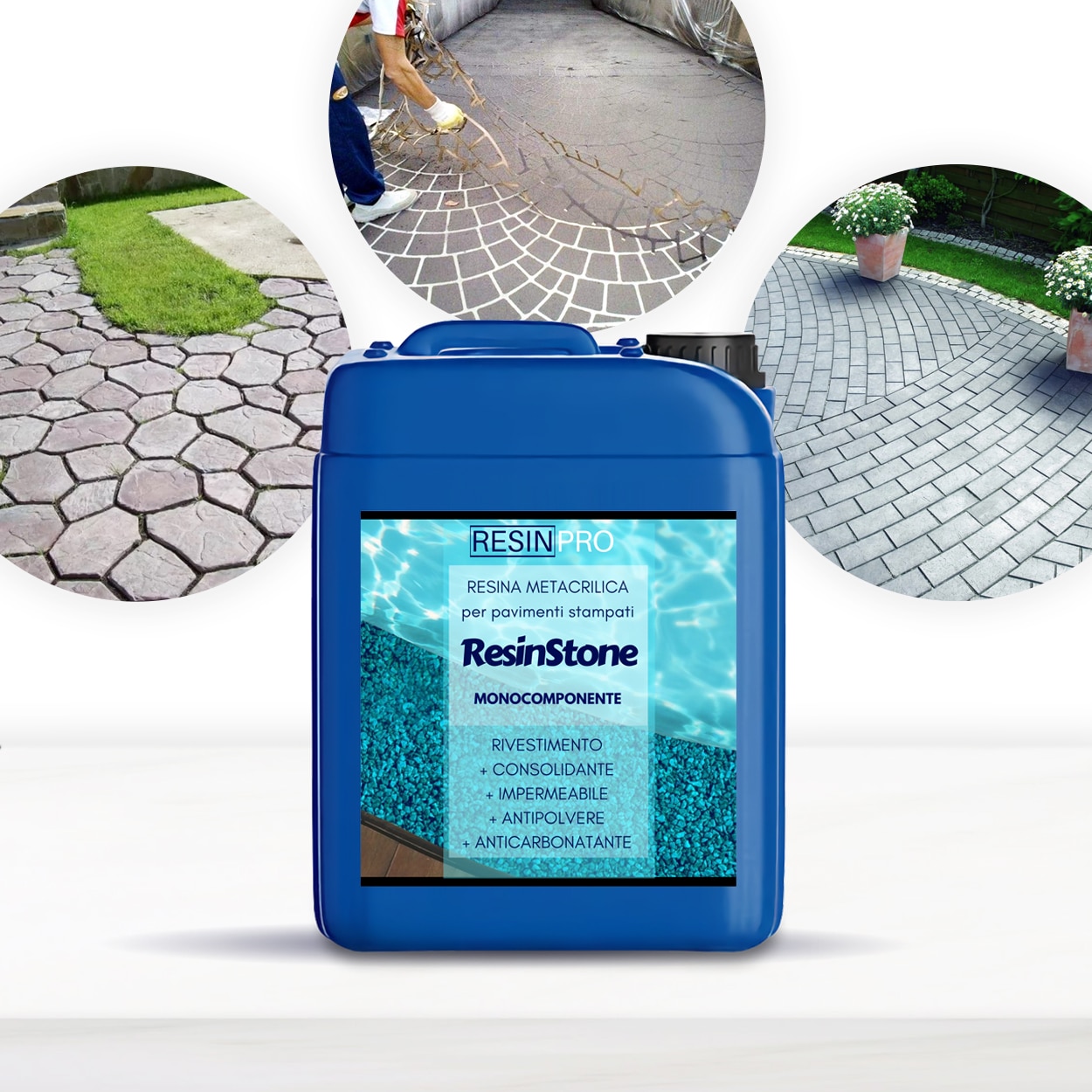 "Resinstone" – One-Component Methacrylic Resin for Concrete Floors and DrivewaysPrice range: £29.85 through £59.85Resinstone is a one-component methacrylic resin designed for sealing concrete floors with durable mechanical resistance, suitable for the theme of…
Frequently Asked Questions
How do I choose the right binder for permeable resin gravel?
Select an epoxy binder for coloured stones, such as “Trasparente”. For white or pale stone aggregates, polyurethane like “Polirock” prevents discolouration. Kits like Flowstone simplify this by advising binders based on chosen aggregate colour.
Why are washed pebbles important for permeable resin floors?
Washed pebbles ensure no dust, clay or contaminants block the important drainage voids between stones. This is critical for allowing water to permeate the surface as intended.
Can I install permeable resin bound gravel myself?
Yes. DIY application is possible with proper preparation. Kits such as Flowstone offer full step-by-step instructions. For larger projects, a cement mixer streamlines mixing. Adhere to guide recommendations for best results.
Epoxy vs polyurethane for resin gravel: What's the difference?
Epoxy systems like “Trasparente” are best for coloured stones and high clarity, while polyurethane blends such as “Polirock” excel for white or very light aggregates by resisting yellowing from sunlight exposure.
Can RESINSTONE methacrylic resin be used for resin gravel?
RESINSTONE is intended as a sealer for concrete or similar substrates, not as a binder for loose gravel. Use it to protect the underlying concrete, not for binding pebbles together.
Are permeable resin bound surfaces suitable for driveways and public spaces?
Yes, with proper installation and choice of system, permeable resin bound stone floors are robust enough for vehicle and pedestrian traffic. Always follow product recommendations for base and binder selection.