 Free shipping on orders over £29,85
  Shipping Tracking!


 Google
 Facebook
← Back to How to Thin Epoxy Resin
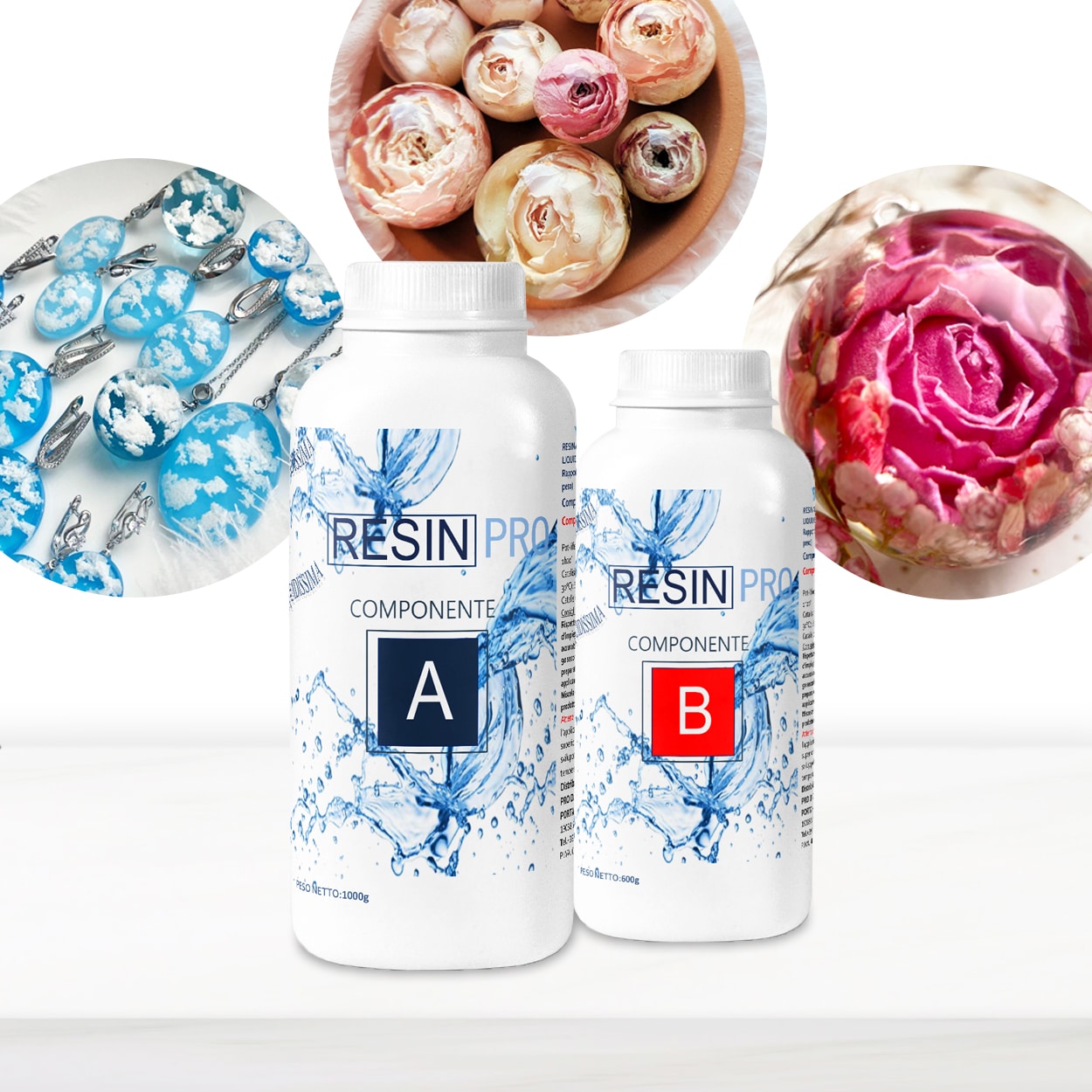

If you’re seeking a flawless finish in your resin work, knowing when to select a purpose-made low viscosity epoxy rather than just adding thinners can make a world of difference. This concise guide will help you decide which approach best suits your project.
Why Opt for Low Viscosity Epoxy Resin?
Low viscosity epoxy is specially formulated to flow easily and level itself, delivering high clarity and smooth results. Unlike adding thinners or solvents to standard resin—which can compromise strength and appearance—these blends are designed to retain optimal bonding and long-term durability. For delicate projects like jewellery or situations where deep penetration is key, using a true low viscosity product ensures fewer bubbles and a clearer end result.
- Preserves resin’s original strength
- Delivers superior optical clarity
- Reduces risks of bubbles or incomplete curing

When to Choose Low Viscosity Over Thinners
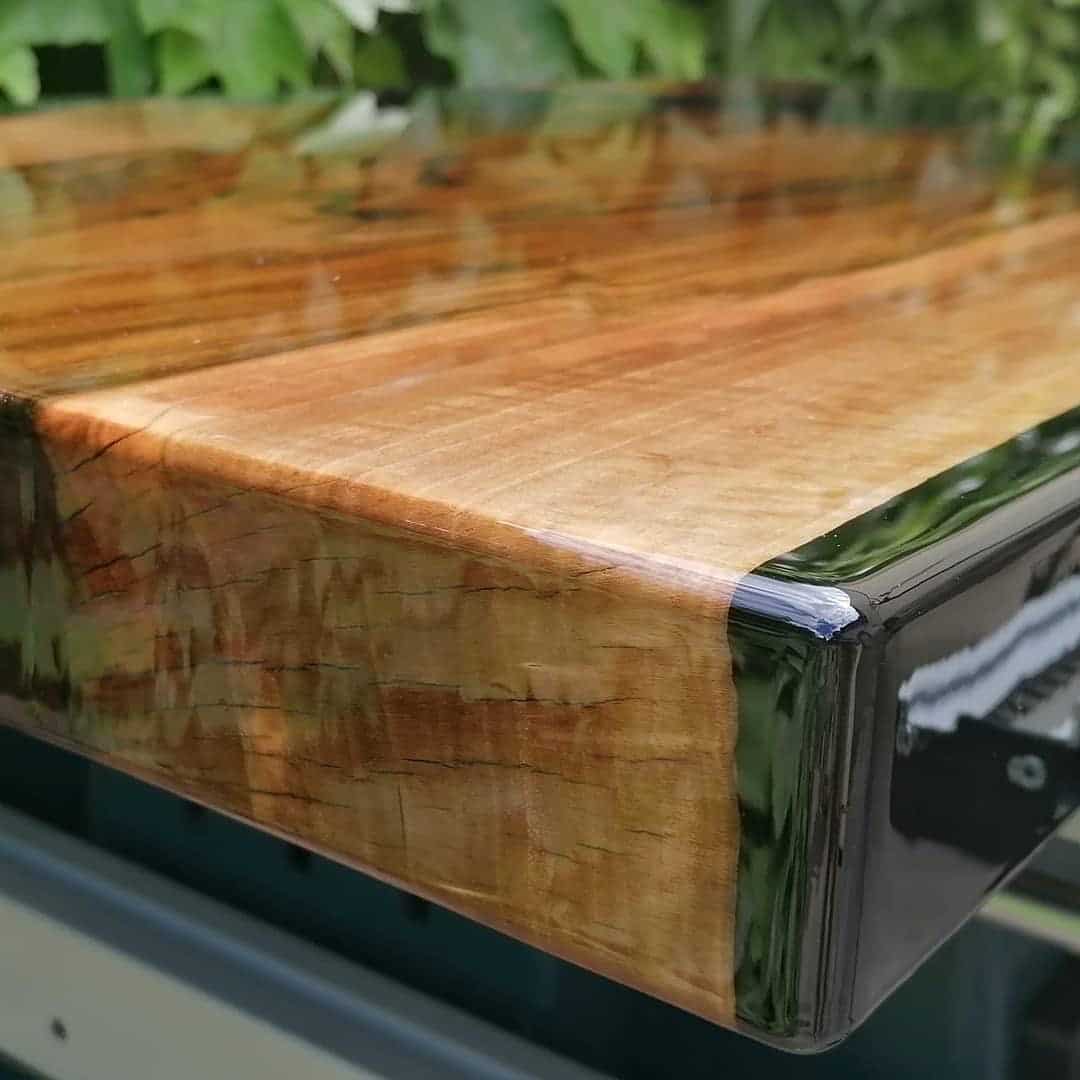
Select a dedicated low viscosity epoxy whenever the look and structural integrity of your project are critical. For instance, Liquidissima – Epoxy Resin For Creations & Jewellery is ideal for pouring into tiny or complex moulds, while EpoxyWood excels at restoring and sealing timber where deep penetration is required. Adding thinners might only be considered for very specific technical needs, but it often leads to weaker results and cloudy finishes.
Practical Tips for Artists and Makers
To achieve a bubble-free, even surface in artistic or wood restoration projects, always use a product formulated for your purpose. Mix carefully to minimise the introduction of air, and pour slowly to encourage flow. Working in a dust-free, controlled temperature environment also helps maintain clarity. For large volume pours, a resin such as Epoxytable 10-Ten lets you achieve deep layers without resorting to risky thinning techniques.

When This Matters Most
Using a genuine low viscosity epoxy really counts in jewellery, artistic creations with intricate details, and restoration tasks demanding deep timber impregnation. These applications benefit most from reliable flow and long-term clarity.
Related products
Related guides
Choosing the right resin from the outset not only saves time, but also ensures a polished and lasting outcome. For further tips and a complete guide on managing resin flow, explore our main resource on how to thin epoxy resin.