 Free shipping on orders over £29,85
  Shipping Tracking!


 Google
 Facebook
← Back to What are the differences between epoxy and polyurethane resin?
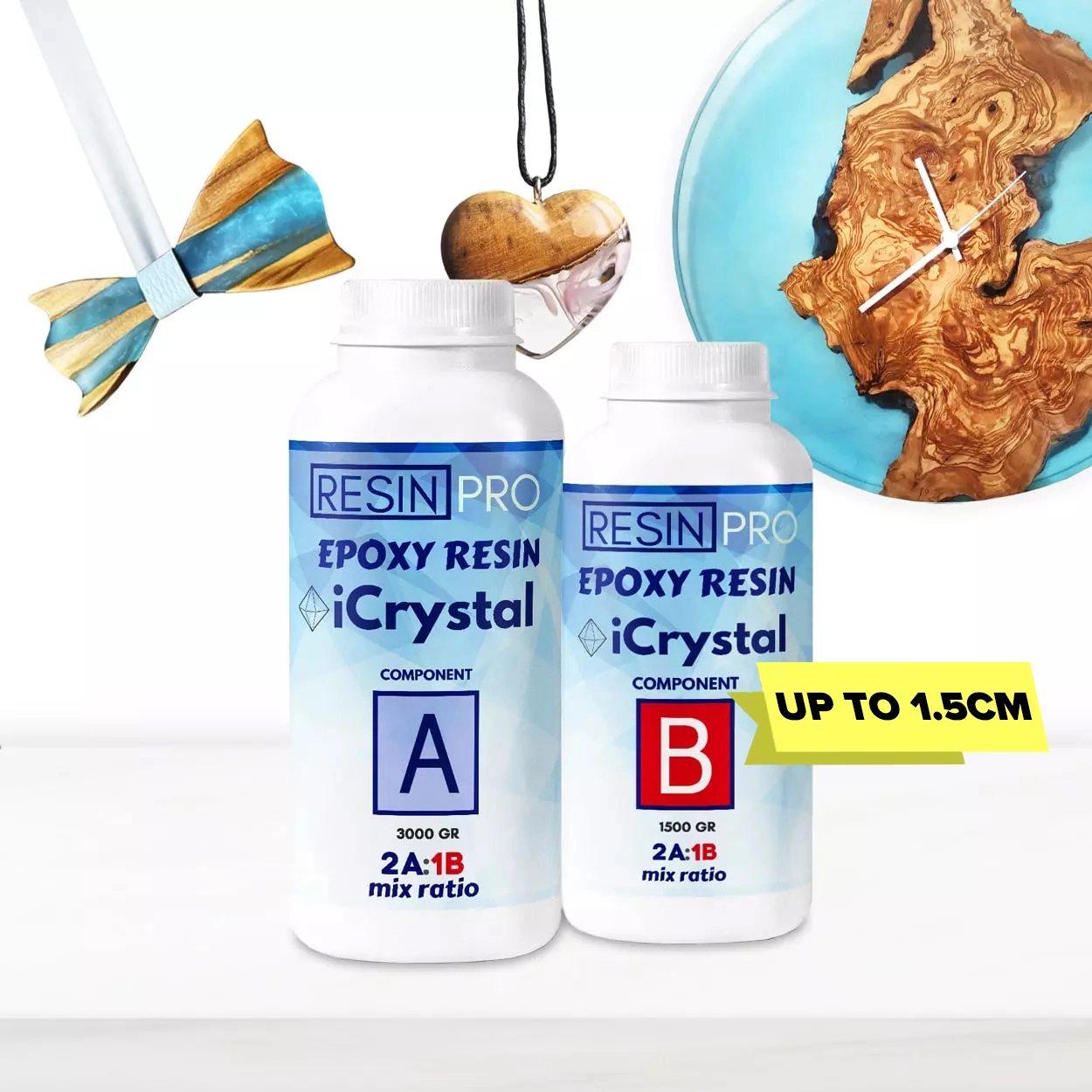
When choosing between epoxy and polyurethane resin, it’s important to understand their unique qualities. Each resin has distinct advantages, making one a better fit for specific projects than the other.
What Sets Epoxy and Polyurethane Apart?
Epoxy resin is well known for its strength, clarity, and long-lasting surface. It’s readily used in woodworking, coatings, and crafts where a hard, glass-like finish is desired. In contrast, polyurethane resin is characterised by its flexibility and resistance to UV exposure, making it an excellent choice for outdoor applications or projects requiring a more resilient, scratch-resistant finish.
Project Suitability and Application Tips
- Epoxy resins like Icrystal or One-2-One are ideal for surfaces where high clarity and hardness are valued, such as tabletops, art pieces, or jewellery. They’re generally mixed in a specified ratio and applied in layers up to a recommended thickness.
- Polyurethane resins, such as Be Flex, excel in applications where flexibility, weather resistance, and a self-healing surface are needed—like domed badges, outdoor labels, or flexible coatings.
When This Matters Most
Choosing the right resin becomes crucial if your project will face outdoor conditions, frequent handling, or requires a glossy, perfectly clear finish. Polyurethane stands up to sunlight and flexing, whereas epoxy provides superior clarity and surface hardness.
Related products
Related guides
Understanding these key differences helps ensure your finished project not only looks right but lasts. To explore more details and further compare your options, visit our main guide on the differences between epoxy and polyurethane resin.