 Free shipping on orders over £29,85
  Shipping Tracking!


 Google
 Facebook
← Back to Silicone Putty for Mould Making Guide
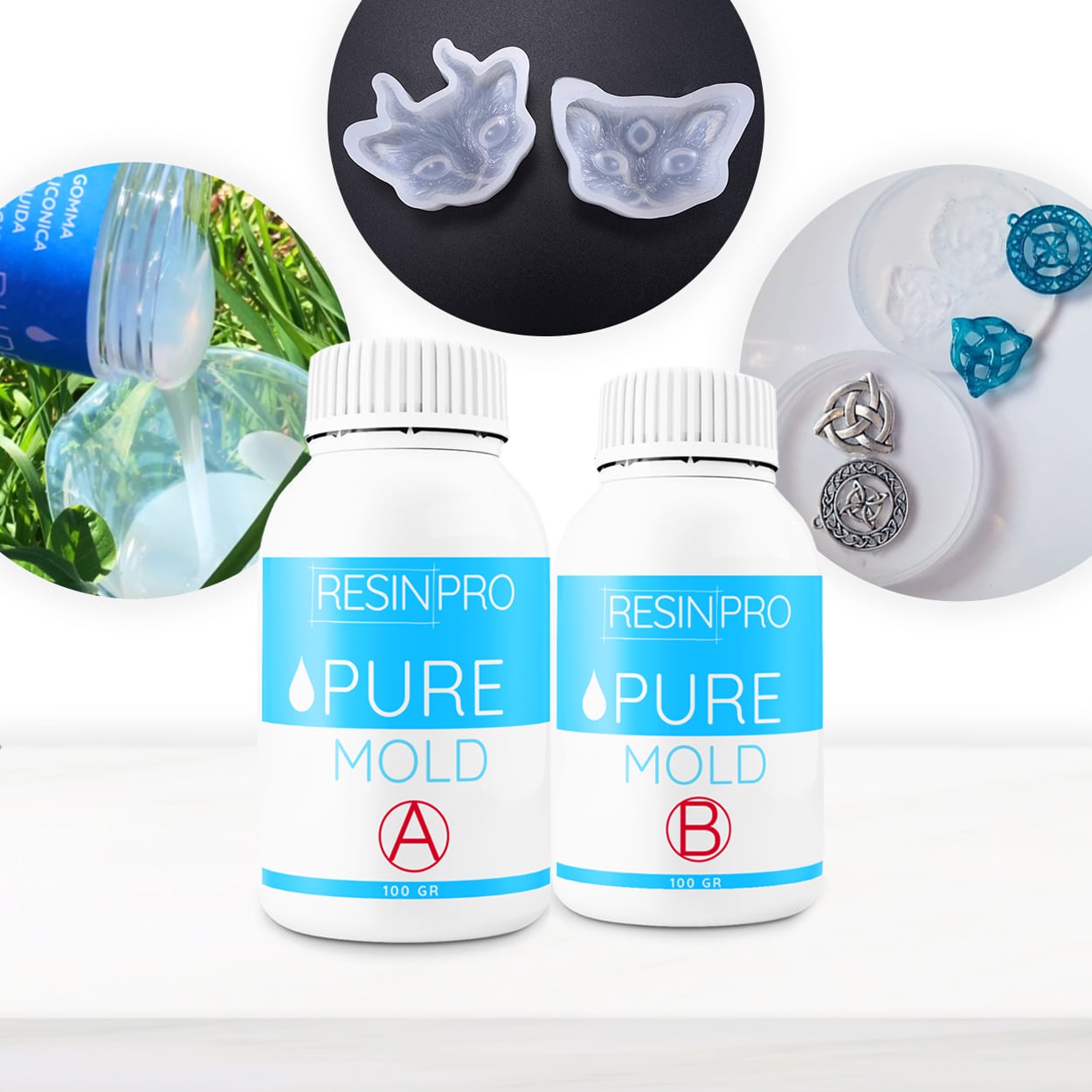
Ensuring your silicone moulds maintain their original shape and dimensions is crucial, especially for projects where precision and repeatability matter. Over time, some moulds may exhibit shrinkage, but choosing the right materials and techniques can minimise this risk.
Why Does Silicone Mould Shrinkage Occur?
Shrinkage in silicone moulds typically results from the curing process, where a slight reduction in volume can occur as the silicone sets. While often barely noticeable in small or thin moulds, this effect can become more pronounced in larger or detailed casts, potentially affecting the final outcome. Factors such as the type of silicone used, mixing accuracy, and curing conditions all play a part.
Tips for Achieving Minimal Shrinkage
- Select premium, low-shrinkage silicone: Choose products designed for reduced shrinkage, like “Pure Mould” liquid silicone rubber, which specifically notes less mould shrinkage over time and extended mould life.
- Mix thoroughly and accurately: Always respect the manufacturer’s recommended mix ratios (commonly 1:1 for most hobbyist silicones) to avoid incomplete curing or dimensional change.
- Cure at stable temperatures: Allow the mould to set in a consistent, moderate temperature setting to ensure optimal results, as excess heat or cold can affect the final properties.
When Less Shrinkage Matters
Minimal shrinkage is particularly important for intricate designs, professional prototypes, or when you need to make several identical casts from the same mould. It’s worth investing in quality liquid or putty silicones for these applications to keep mould degradation to a minimum over repeated use.
Related products
Related guides
By understanding and managing shrinkage, your silicone moulds can deliver consistent results project after project. For a complete guide on choosing and working with silicone putty for mould making, visit our main Silicone Putty for Mould Making Guide.