 Free shipping on orders over £29,85
  Shipping Tracking!


 Google
 Facebook
← Back to How do you fill resin pieces?
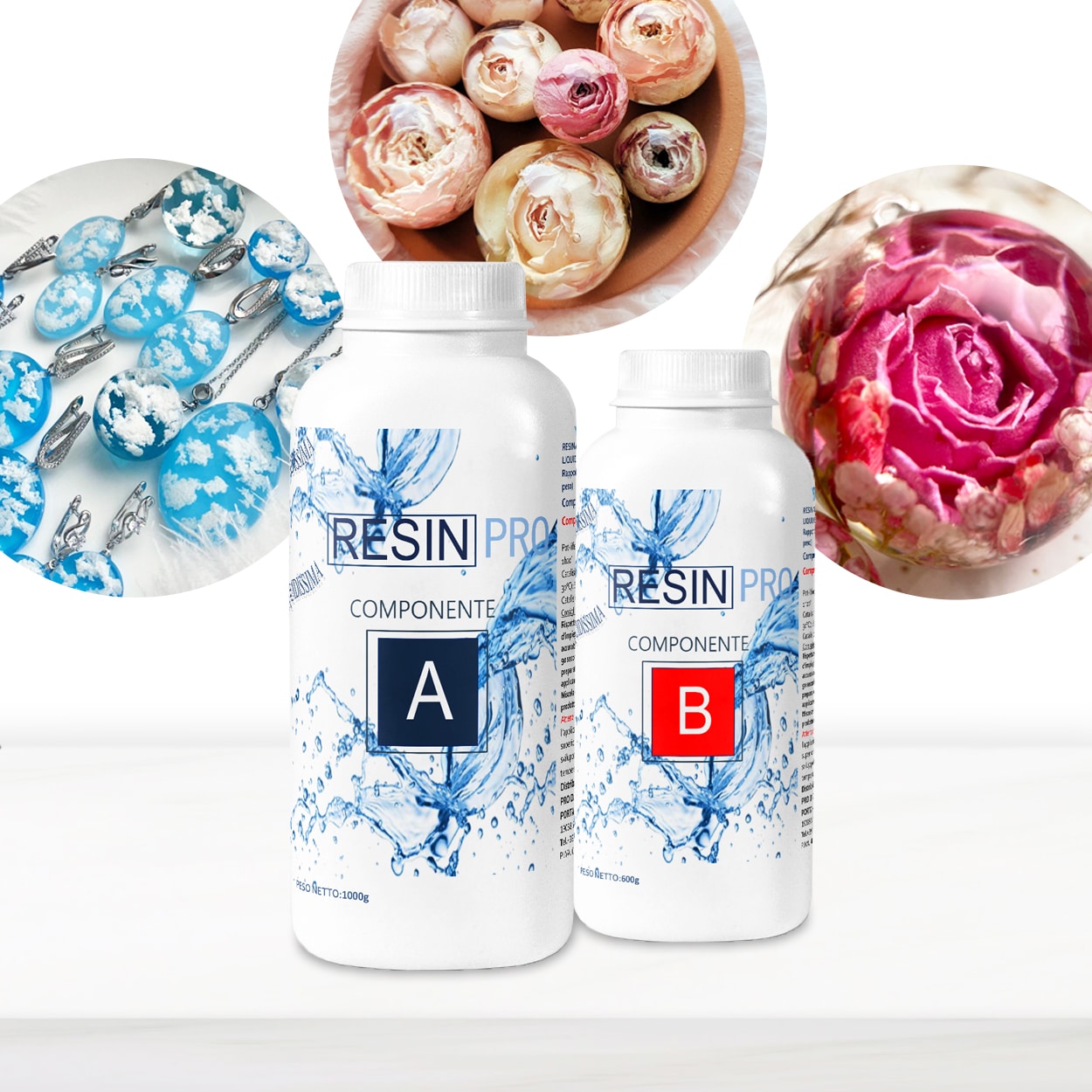
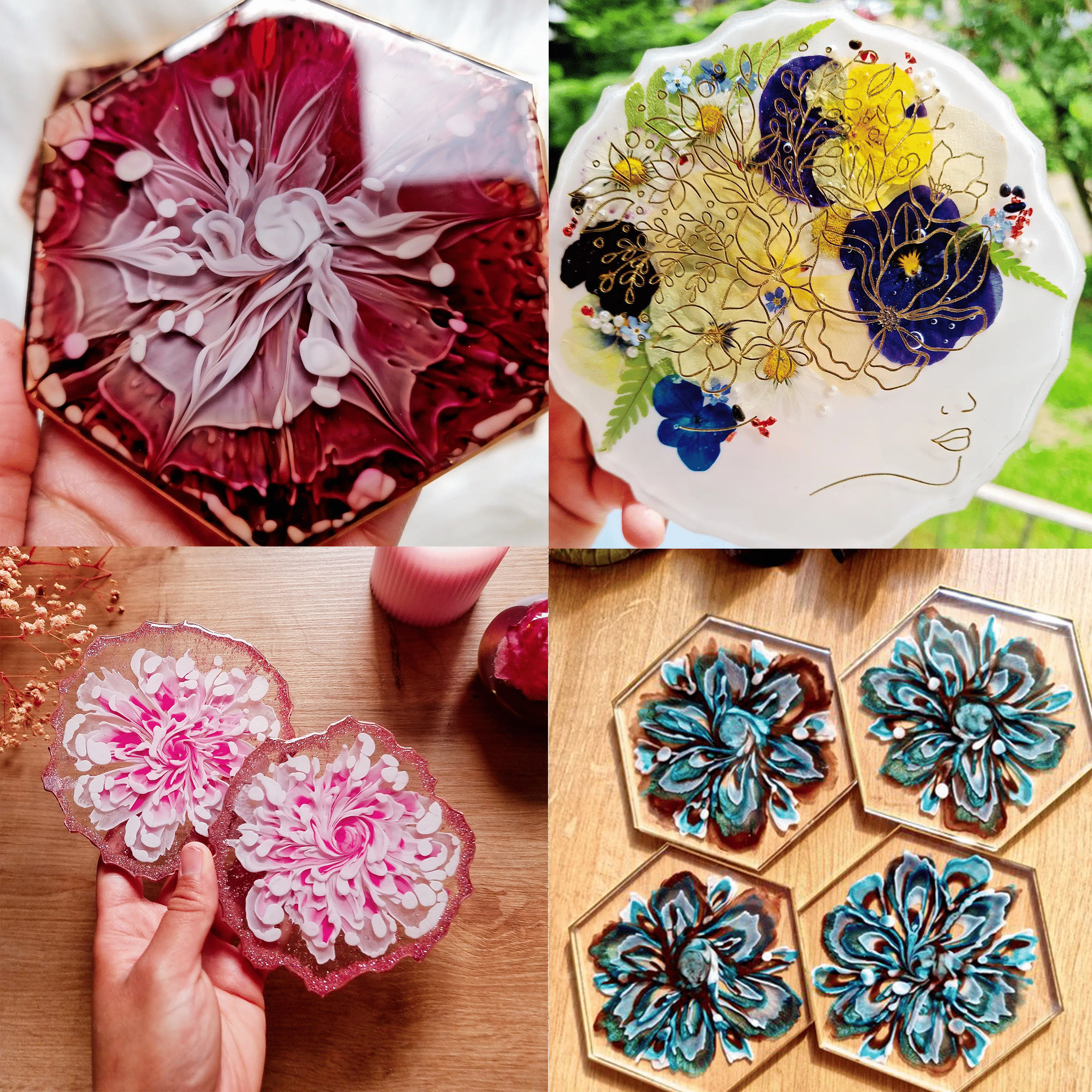
If you craft resin art, jewellery, or small functional pieces, you might have come across the term ‘low viscosity.’ Understanding its importance can help you achieve precise detail and clarity in your creations.
What Does Low Viscosity Mean?
Viscosity describes how easily a liquid flows. ‘Low viscosity’ epoxy resin feels runnier and pours smoothly, making it perfect for filling fine, detailed or complex moulds. This property allows the resin to reach tiny spaces and sharp edges, reducing the risk of trapped air bubbles in your piece. For example, Liquidissima Epoxy Resin is specifically formulated with low viscosity, making it an excellent option for jewellery and miniature art projects.
Benefits and Application Tips
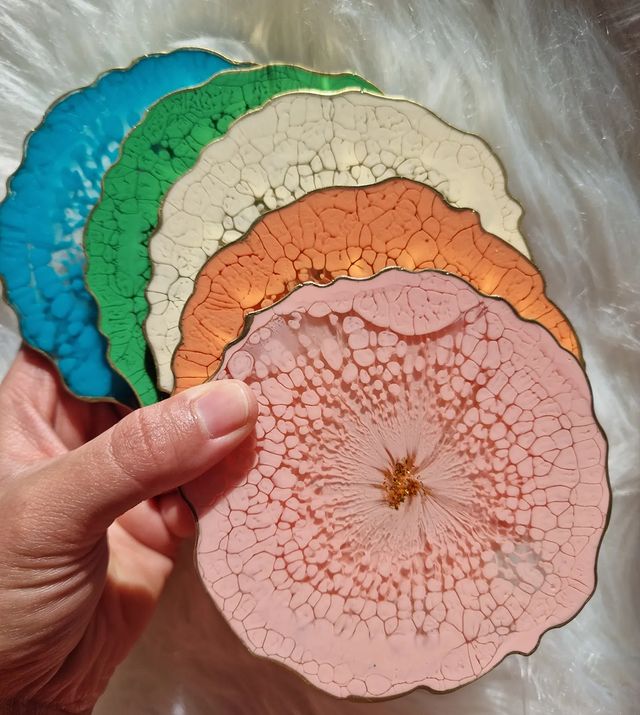
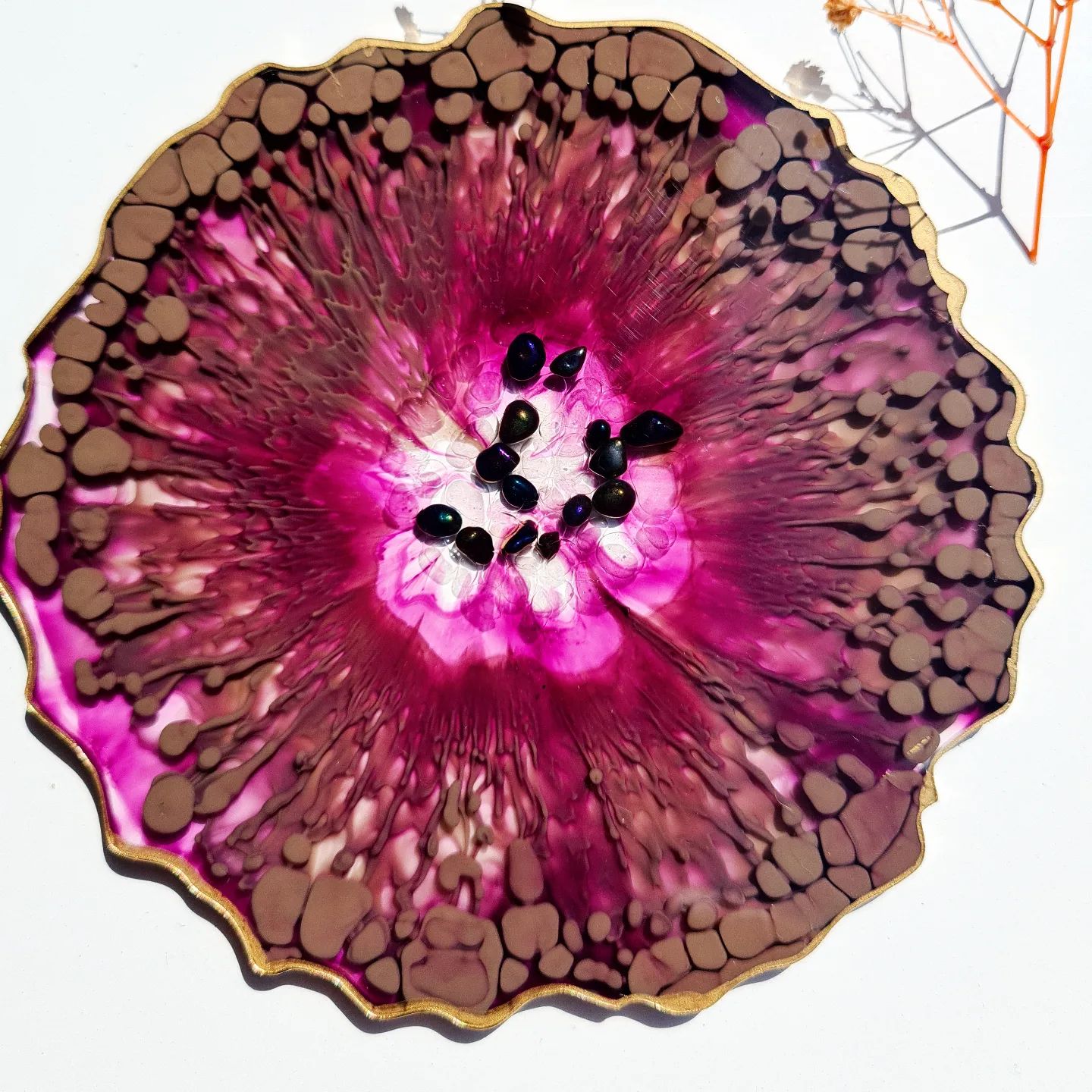
Choosing a low viscosity resin ensures your designs come out with crisp details. It flows easily into intricate designs, minimising bubbles and producing a level, glossy surface once cured. For best results:
- Pour slowly to avoid introducing bubbles.
- Select moulds appropriate for thin or delicate items, such as pendants and small coasters.
- Consider resins with longer working times if your design is highly detailed, giving you time to adjust before curing begins.
When Does Low Viscosity Matter Most?
Low viscosity resins are most beneficial when making detailed jewellery, charms, or anything requiring the resin to penetrate tiny spaces. For broader projects, such as tabletops, a medium viscosity resin can still be suitable, but finer work truly shines with a low viscosity choice.
Related products
Related guides
Selecting the right viscosity in your resin is key to successful results in intricate mould work. To explore more tips and guidance on resin casting for artistic pieces, see our main advice on how to fill resin pieces.