 Free shipping on orders over £29,85
  Shipping Tracking!


 Google
 Facebook
← Back to Which resin should be used to varnish Fimo?
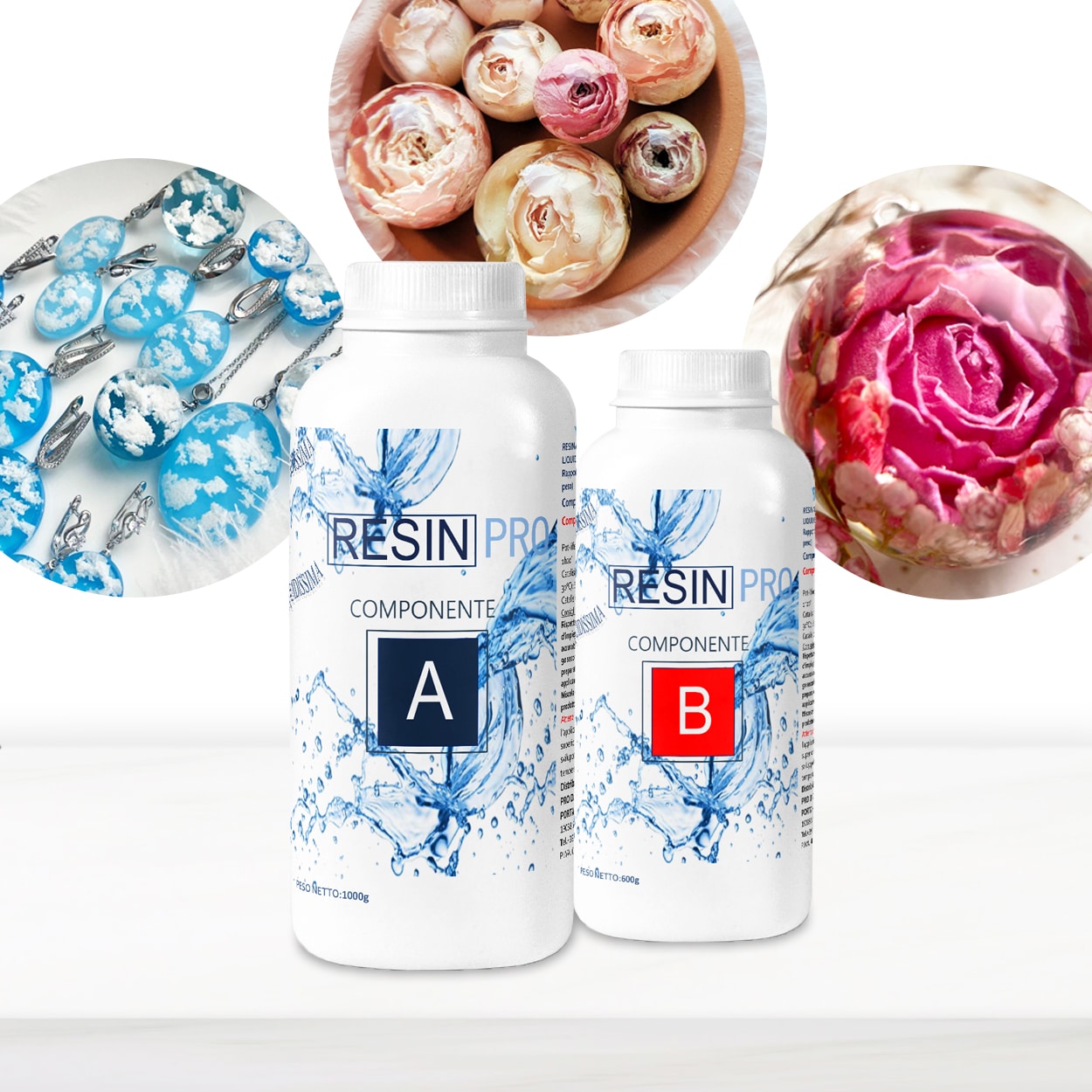
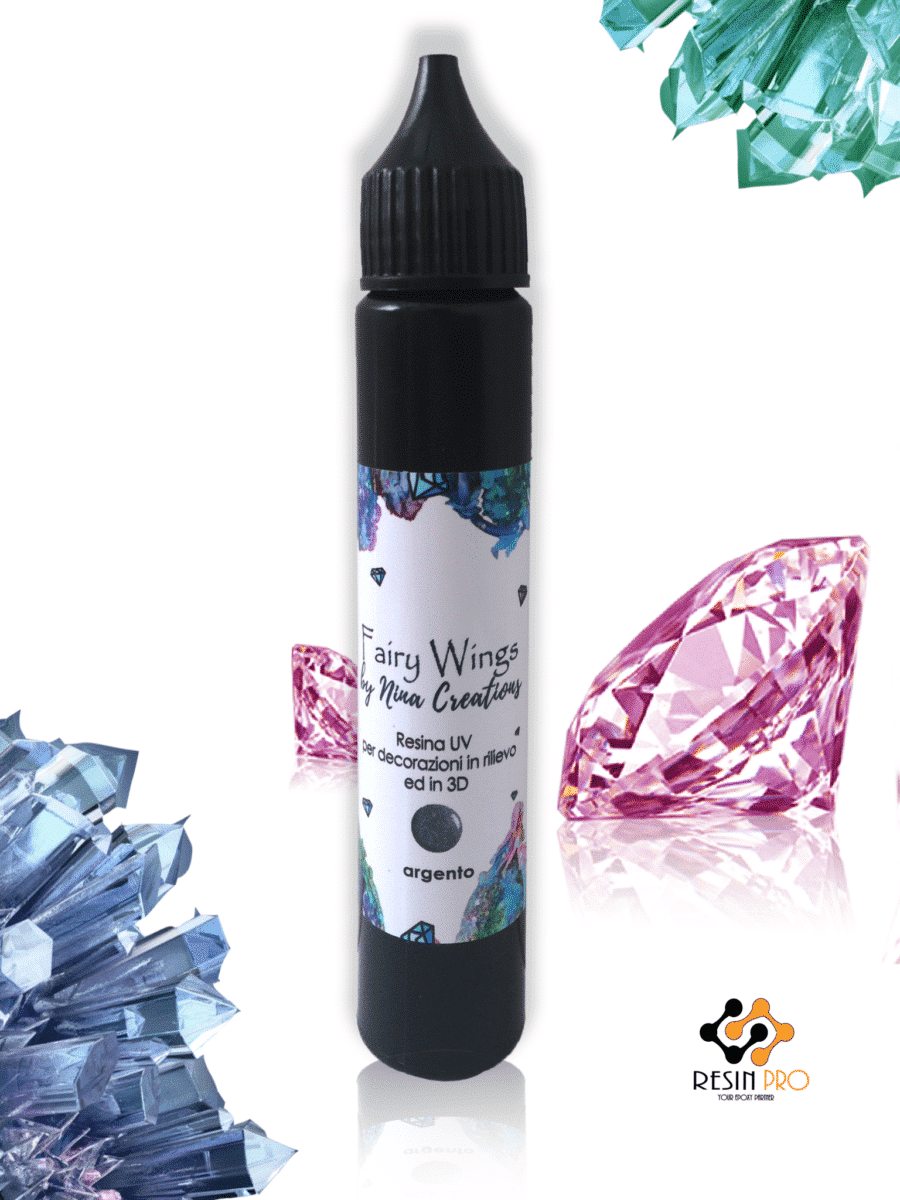
When working with intricate designs or highly detailed projects, choosing a low viscosity resin can make all the difference. Its ability to flow easily into every nook and cranny ensures excellent results, especially with complex moulds and fine Fimo creations.
Benefits of Low Viscosity in Resin Projects
Resins with low viscosity have a thinner, more fluid consistency, allowing them to move smoothly into even the smallest spaces within a mould. This is particularly advantageous for jewellery, miniature art, or polymer clay projects where detail is crucial. By minimising air pockets, low viscosity resins help achieve a cleaner, more professional appearance.
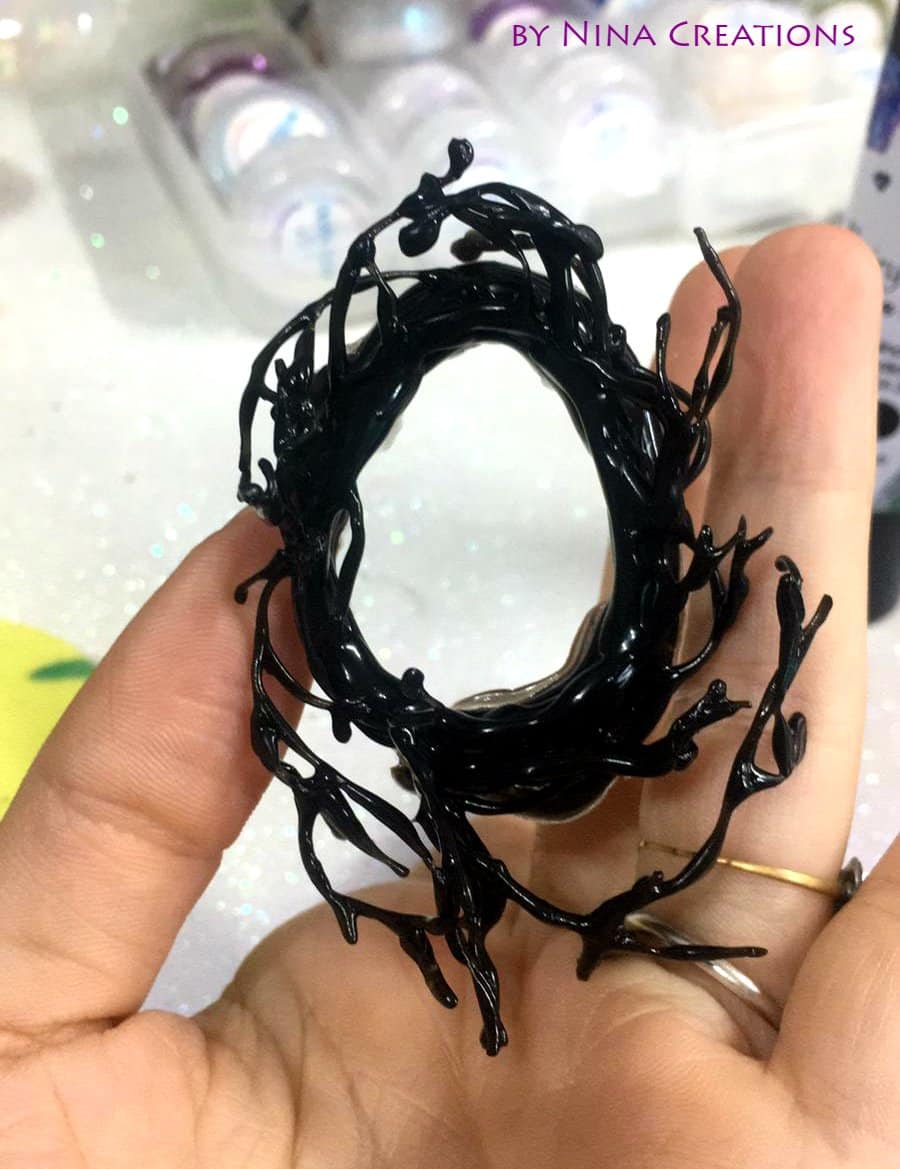
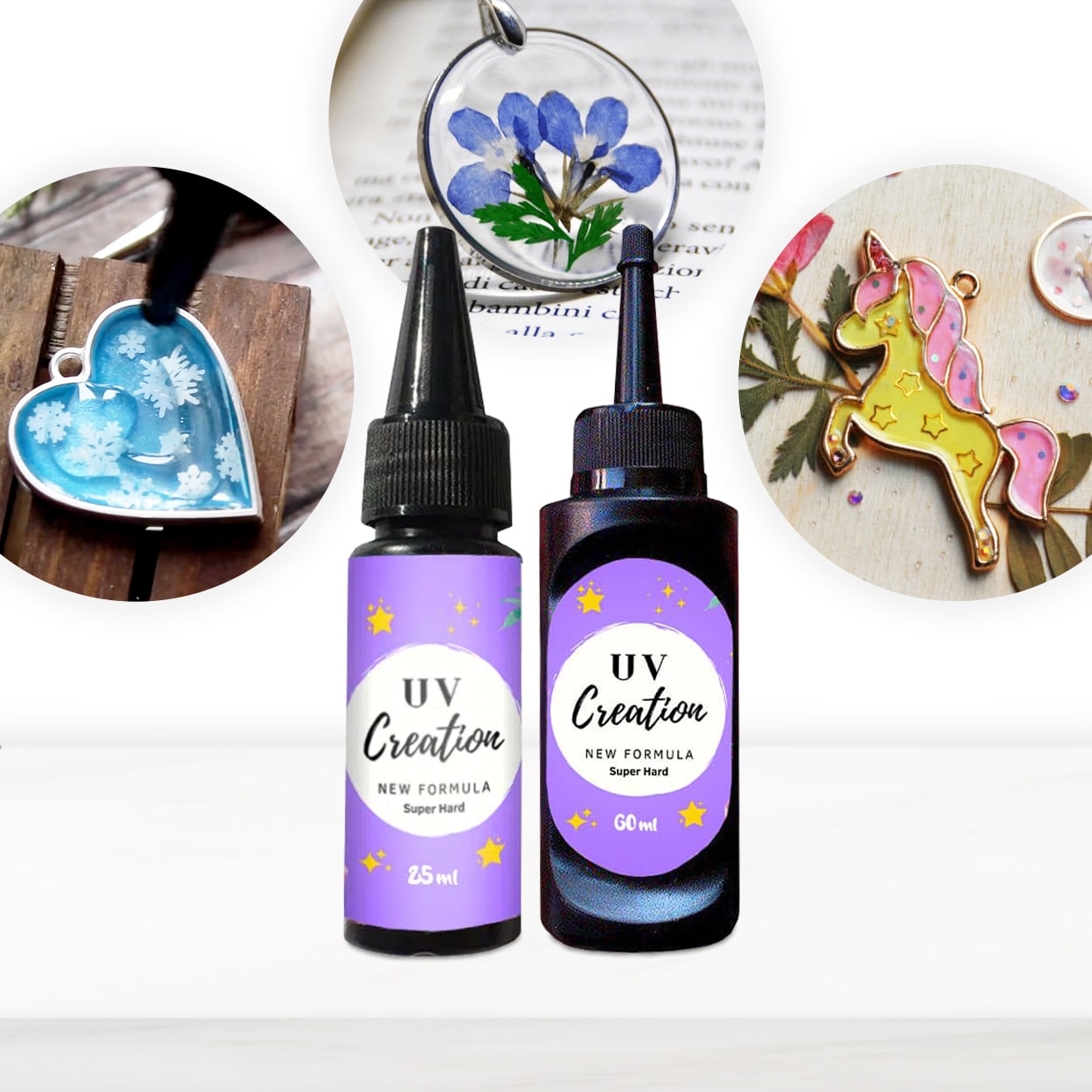
How to Choose and Use Low Viscosity Resin
When selecting a resin for detailed work, look for one specifically formulated with low viscosity, such as “Liquidissima” epoxy resin. These resins offer longer working times, making it easier to fill complex or delicate moulds without rushing. To use, carefully mix according to the product instructions and pour slowly, allowing the resin to self-level. For best results, use a fine tool to nudge resin into fine details and tap the mould gently to release trapped air.
When Does Low Viscosity Matter Most?
Low viscosity is especially important when casting items with fine reliefs, lettering, or complex shapes—where thicker resins might not reach or could trap bubbles. Crafters working on Fimo embellishments or intricate jewellery pieces will benefit most from these resins, gaining reliable flow and a smooth surface finish.

Related products
Related guides
Understanding the advantages of low viscosity resin helps you achieve impressive results with your Fimo and delicate casting projects. Learn more about choosing the right resin for varnishing Fimo by visiting our main guide.