 Free shipping on orders over £29,85
  Shipping Tracking!


 Google
 Facebook
← Back to How to use epoxy paint?


When working with epoxy paint, getting the environment right is just as crucial as using the correct products. Temperature and humidity can make all the difference to the end result, helping to prevent defects and ensure a long-lasting finish.
Why Temperature and Humidity Matter
Epoxy paint reacts to the conditions around it. If the room is too cold or too humid, the paint can cure unevenly, resulting in surfaces that are sticky, patchy, or have a dull appearance. Consistent room temperature and steady humidity levels support even curing, adhesion, and overall durability of the coating.
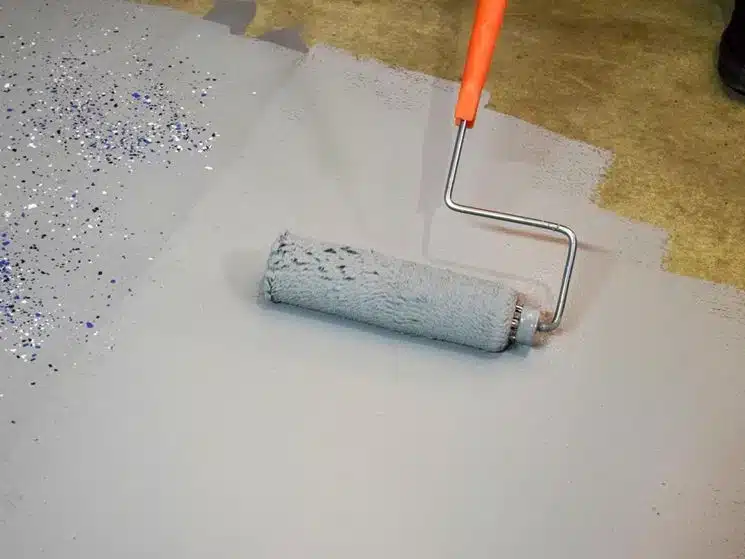

Recommended Conditions and Practical Steps
- Temperature: Aim for a steady room temperature, typically in the range recommended on your epoxy product’s label. Avoid painting in cold, damp spaces, as this can delay curing.
- Humidity: Moderate humidity is best. Excess moisture in the air may cause blushing or imperfections. Use a dehumidifier if working in a naturally damp area.
- Preparation: Always acclimatise your materials and surfaces to the workspace before starting. Use quality primers like Epoxyprimer to maximise bonding and support even curing.
When This Matters Most
Controlling temperature and humidity is vital when painting larger areas, working in basements, or during cooler seasons. It’s especially important if your surface is concrete, tile, screed, or wood—materials that can react to excess moisture or chill.

Related products
Related guides
Maintaining the right environment throughout your project is key to a reliable, professional epoxy paint finish. For more guidance on successful epoxy paint use, explore our complete epoxy paint guide.