 Free shipping on orders over £29,85
  Shipping Tracking!


 Google
 Facebook
← Back to How to produce epoxy resin?
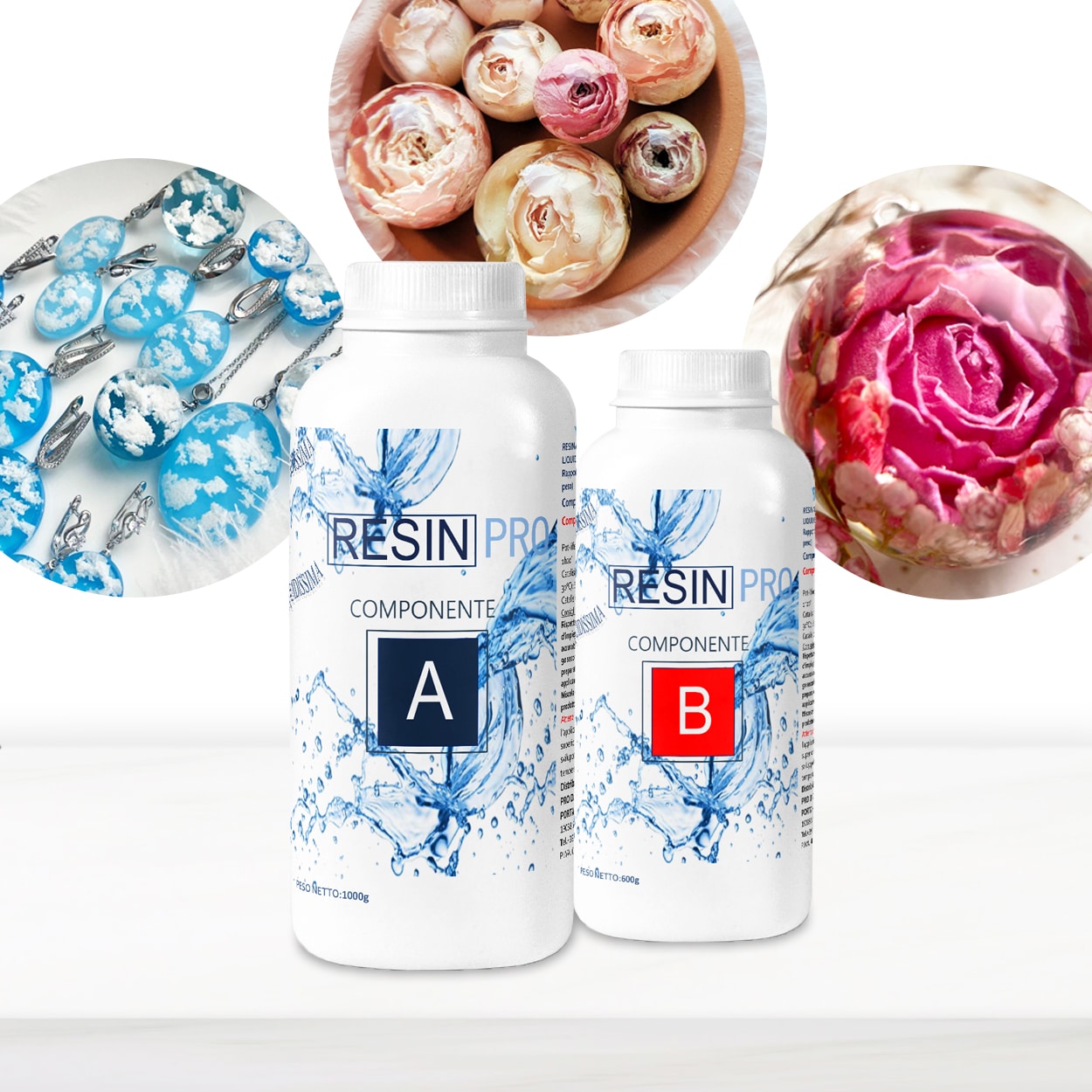
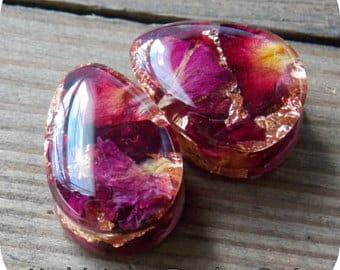
Air bubbles can spoil the look and quality of your resin projects, leading to unsightly marks or weak spots. Whether you’re casting jewellery, art, or decorative pieces, keeping bubbles out is key to a flawless finish.
Why Do Air Bubbles Form in Epoxy Resin?
Air bubbles naturally appear during mixing or pouring of epoxy resin, especially if the resin is thick, the mixing process is rushed, or the mould shape is intricate. Trapped air tries to escape as the resin settles, but improper handling can lock bubbles beneath the surface.
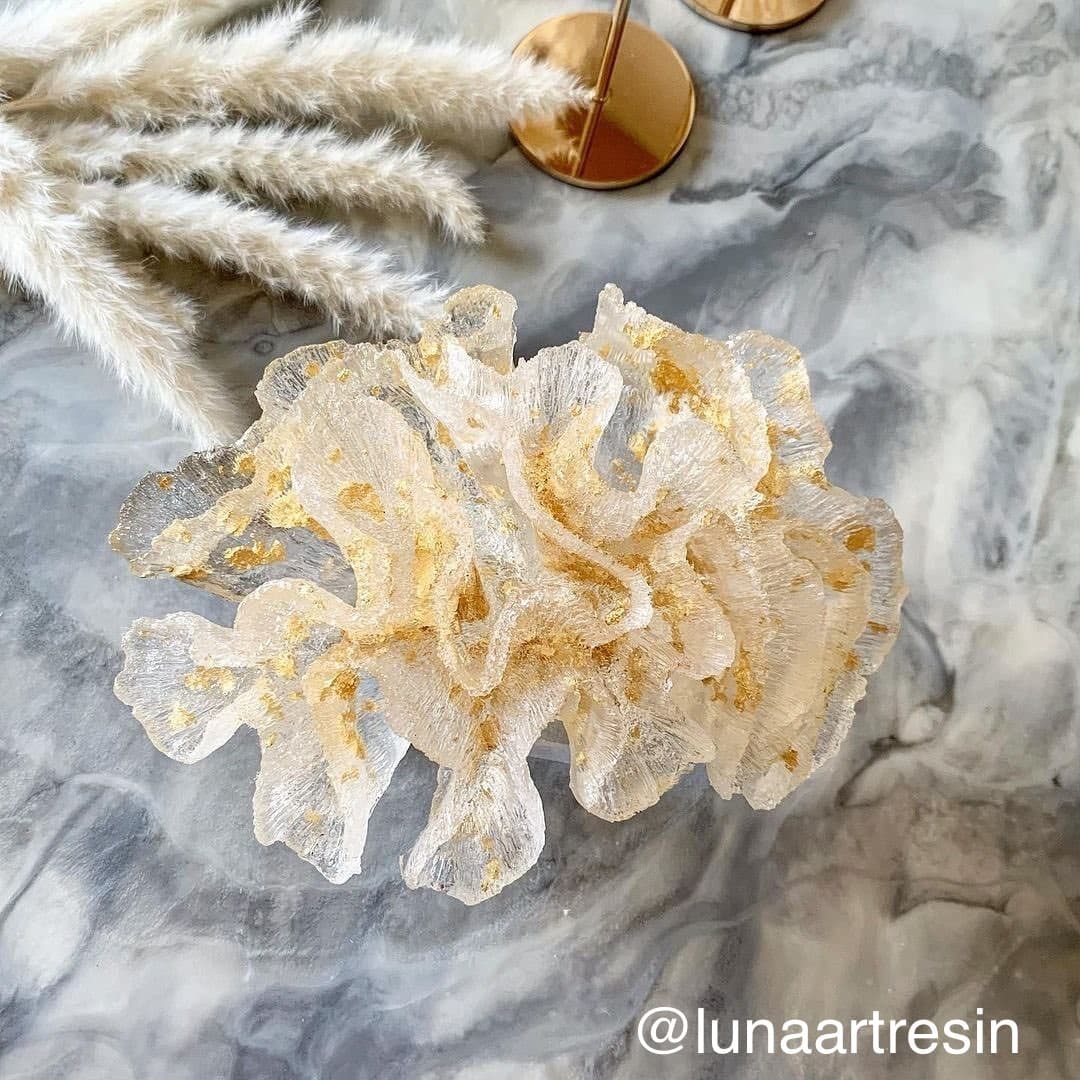
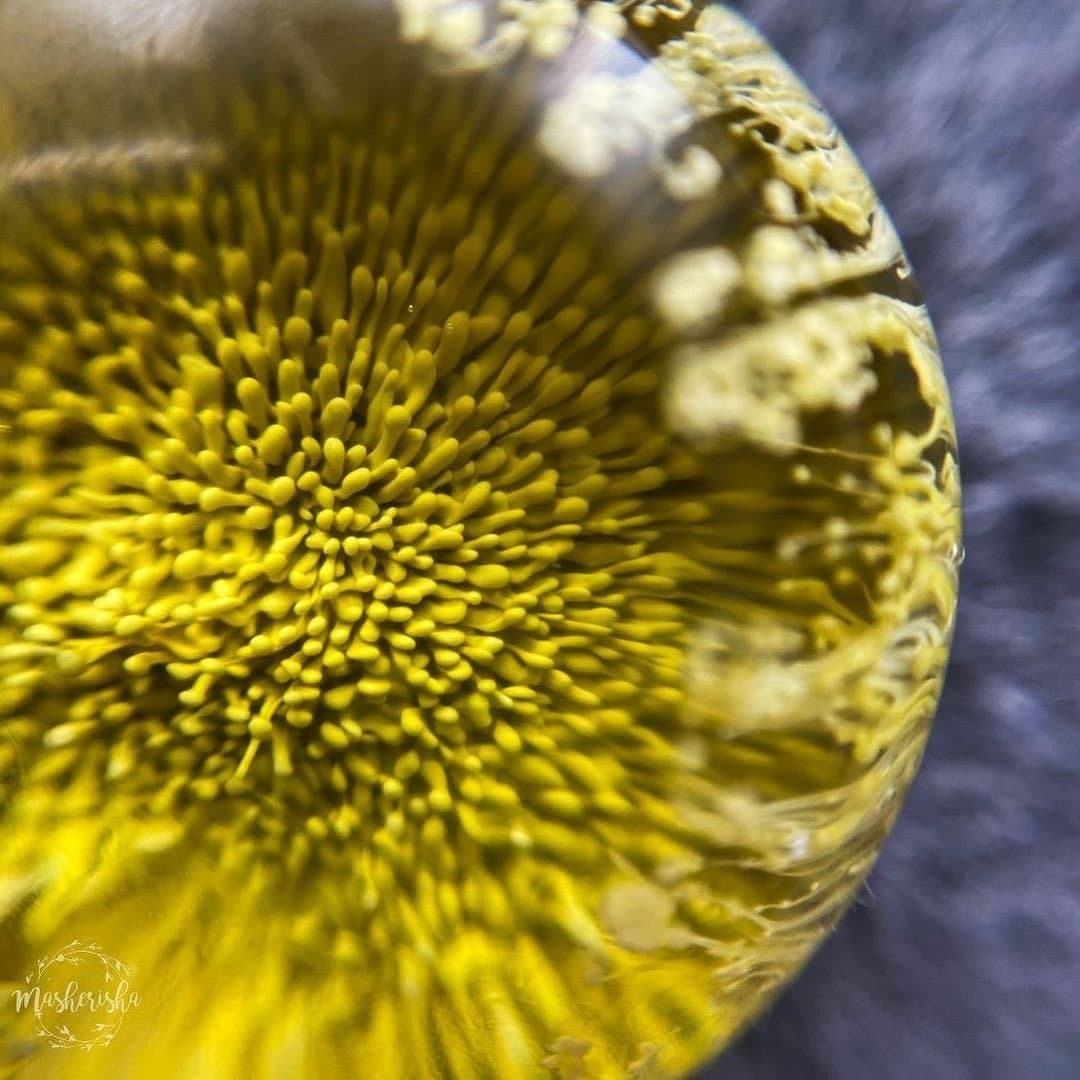
Practical Ways to Reduce Air Bubbles
- Slow, steady mixing: Blend resin and hardener gently for several minutes to avoid whipping in excess air.
- Use low-viscosity resin: Products like Liquidissima Epoxy Resin flow easily into detailed moulds, releasing air more effectively.
- Warm the components slightly: Bringing resin and hardener to room temperature before use helps lower viscosity and allows bubbles to rise and pop.
- Pour in thin layers: Shallow pours make it easier for bubbles to reach the surface and escape.
- Pop surface bubbles: After pouring, use a cocktail stick or gently wave a heat source (like a craft torch) just above the surface to eliminate residual bubbles.
When This Matters Most
Minimising air bubbles is crucial when working on fine jewellery, clear coatings, or any detailed creative art. Clean, transparent results are especially valued in professional jewellery making and decorative crafts where the finish is in full view.

Related products
Related guides
Understanding how to avoid air bubbles will help you get the best from your resin projects. For more tips and techniques on producing beautiful epoxy creations, see our full guide at How to produce epoxy resin?.