 Free shipping on orders over £29,85
  Shipping Tracking!


 Google
 Facebook
← Back to How do you work crystal resin?
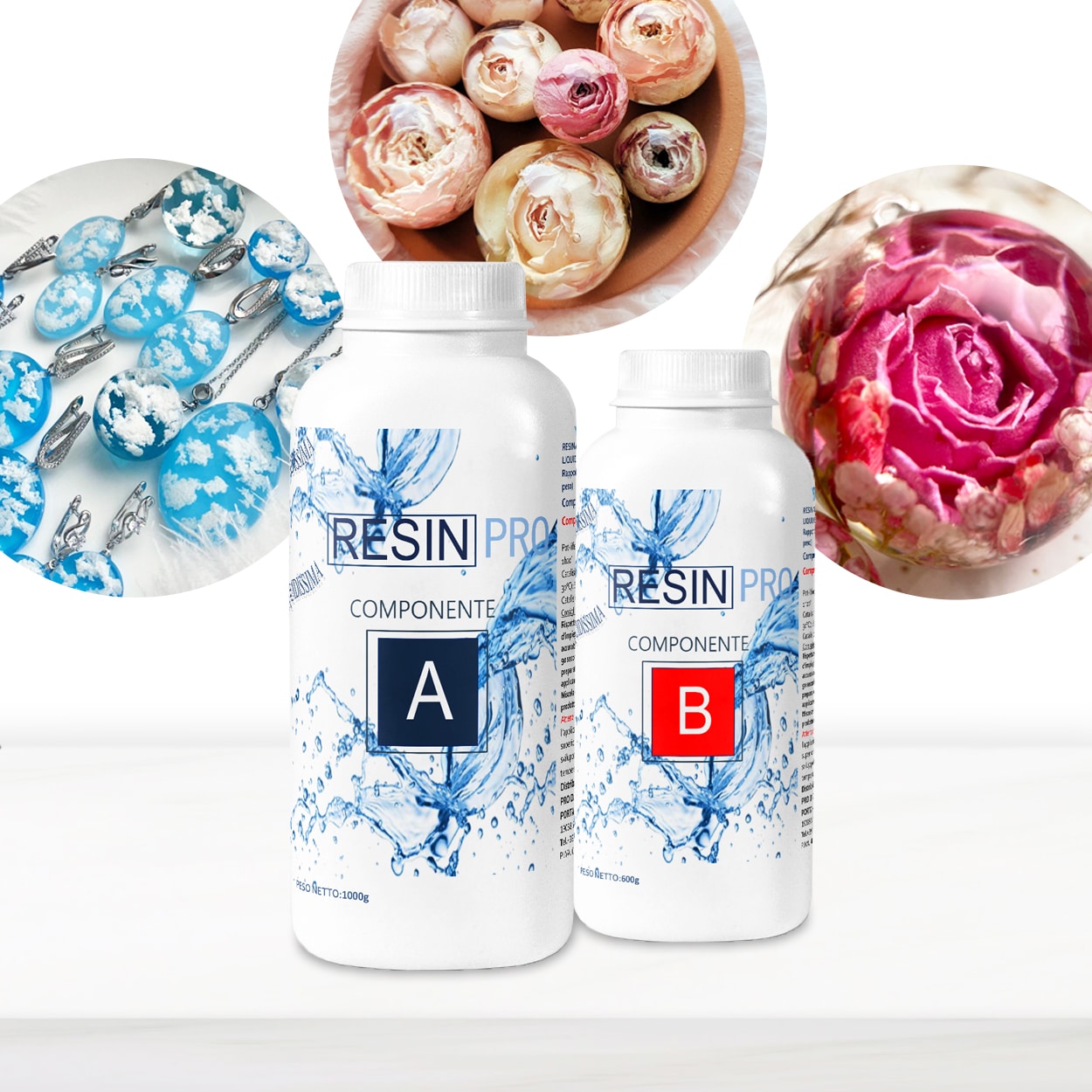
Achieving a beautifully clear finish in resin creations often depends on avoiding unwanted air bubbles. Here, you’ll find practical tips focused on minimising bubbles for flawless results, particularly when working with crystal resin.
Why Air Bubbles Form in Resin
Air bubbles can appear in resin due to mixing, pouring, or introducing materials into your moulds. High-viscosity resins and hurried mixing techniques can trap air, leading to imperfections in your finished piece.
Tips for Reducing Bubbles
- Mix Slowly and Steadily: Stir the resin and hardener together in a gentle, circular motion to minimise the chance of trapping air.
- Use Low Viscosity Formulas: Products like Liquidissima Epoxy Resin are formulated specifically for intricate moulds and offer easy flow for fewer bubbles.
- Pre-Warm Your Resin: Slightly warming the resin before mixing can help it flow better and release bubbles more easily.
- Allow Rest Time: After mixing, let the resin sit briefly to allow air bubbles to rise to the surface before pouring.
When Minimising Bubbles Matters Most
If you’re crafting detailed jewellery or using transparent moulds, even tiny bubbles can impact the final appearance. Choosing a resin with a special formulation for minimal bubbles is crucial; look for those advertised as low viscosity and self-levelling, ideal for precise decorative work.
Related products
Related guides
By understanding the causes and employing simple techniques, it’s possible to keep your crystal resin creations clear and smooth. For more advice, explore our main guide on how to work with crystal resin.