 Free shipping on orders over £29,85
  Shipping Tracking!


 Google
 Facebook
← Back to How do you coat polymer clay with resin?
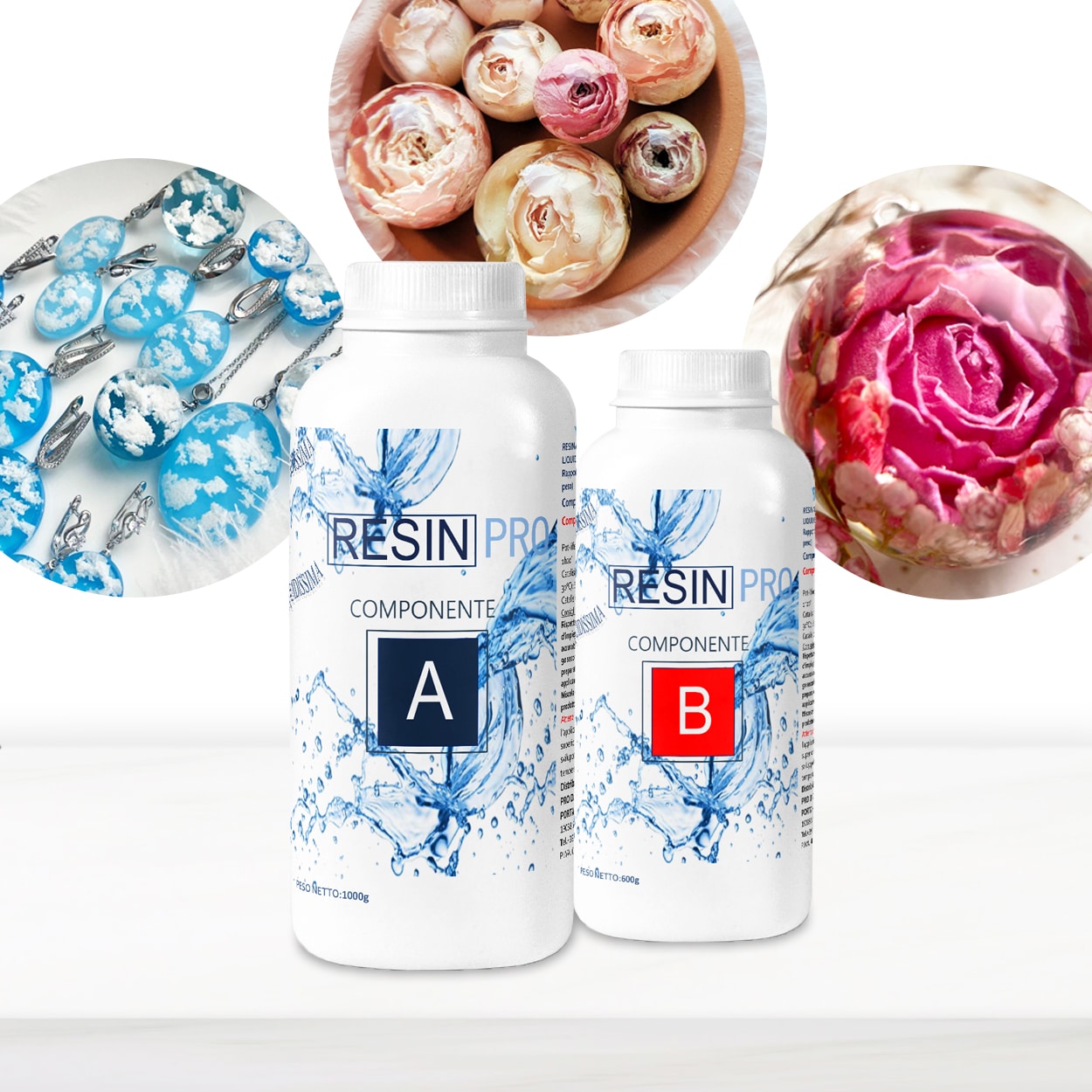
Achieving a professional resin finish on polymer clay relies on more than just the right product—it begins by mixing and pouring your resin with care. By learning how to avoid over-mixing, you can prevent trapped bubbles and guarantee an even, flawless coat.
Why Careful Mixing Matters
Thoroughly mixing your resin and hardener is crucial for consistent results. However, over-mixing introduces excess air, creating bubbles that may mar the surface. To achieve a clear, glassy finish when coating polymer clay, stir your components together slowly and deliberately until the mixture is uniform, taking care not to whip or agitate vigorously.
- Use a flat, wide mixing utensil, not a whisk.
- Scrape the sides and bottom of your container regularly.
- Follow the recommended mixing ratio—measured by weight or volume, depending on your chosen resin.
Pouring Techniques for Flawless Results
Pouring resin over polymer clay should be done in a slow, controlled stream. This helps minimise bubbles and allows the resin to settle evenly. Self-levelling resins like Liquidissima or user-friendly options like One-2-One make the process more forgiving. Consider these tips:
- Let your mixed resin sit for a minute before pouring, so surface bubbles rise and pop.
- If coating a small or detailed piece, work in thin layers.
- Pop any bubbles at the surface with a fine needle or gentle heat.
When This Matters Most
Careful mixing and pouring is especially essential when working on translucent pieces, intricate jewellery, or thin layers where imperfections are easily visible. These steps ensure your coated polymer clay projects look their best, every time.
Related products
Related guides
Mastering the delicate process of mixing and pouring resin lays the foundation for stunning polymer clay coatings. For a full breakdown of resin application techniques, see our guide on how to coat polymer clay with resin.