 Free shipping on orders over £29,85
  Shipping Tracking!


 Google
 Facebook
← Back to How do you restore the old resin on the terrace?
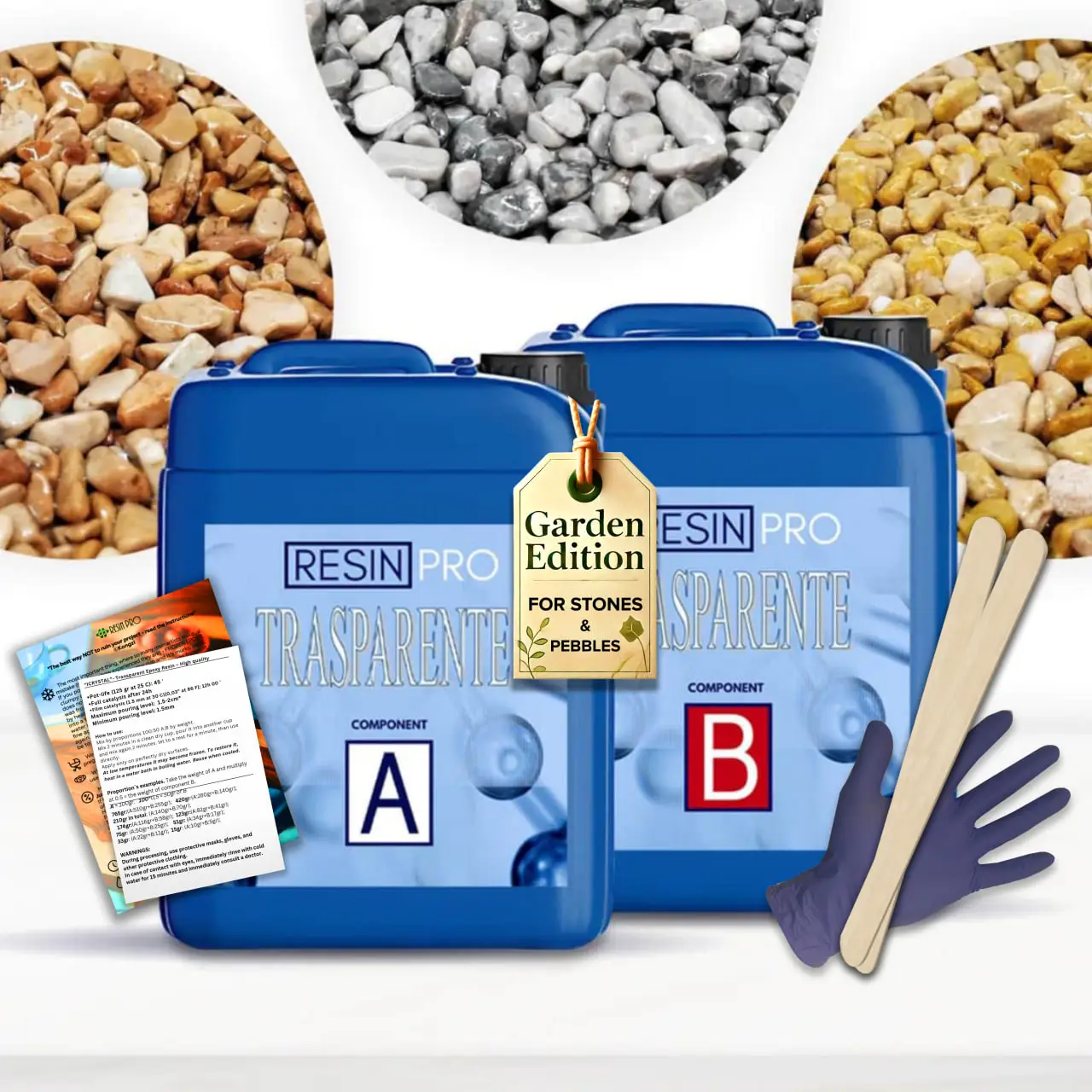
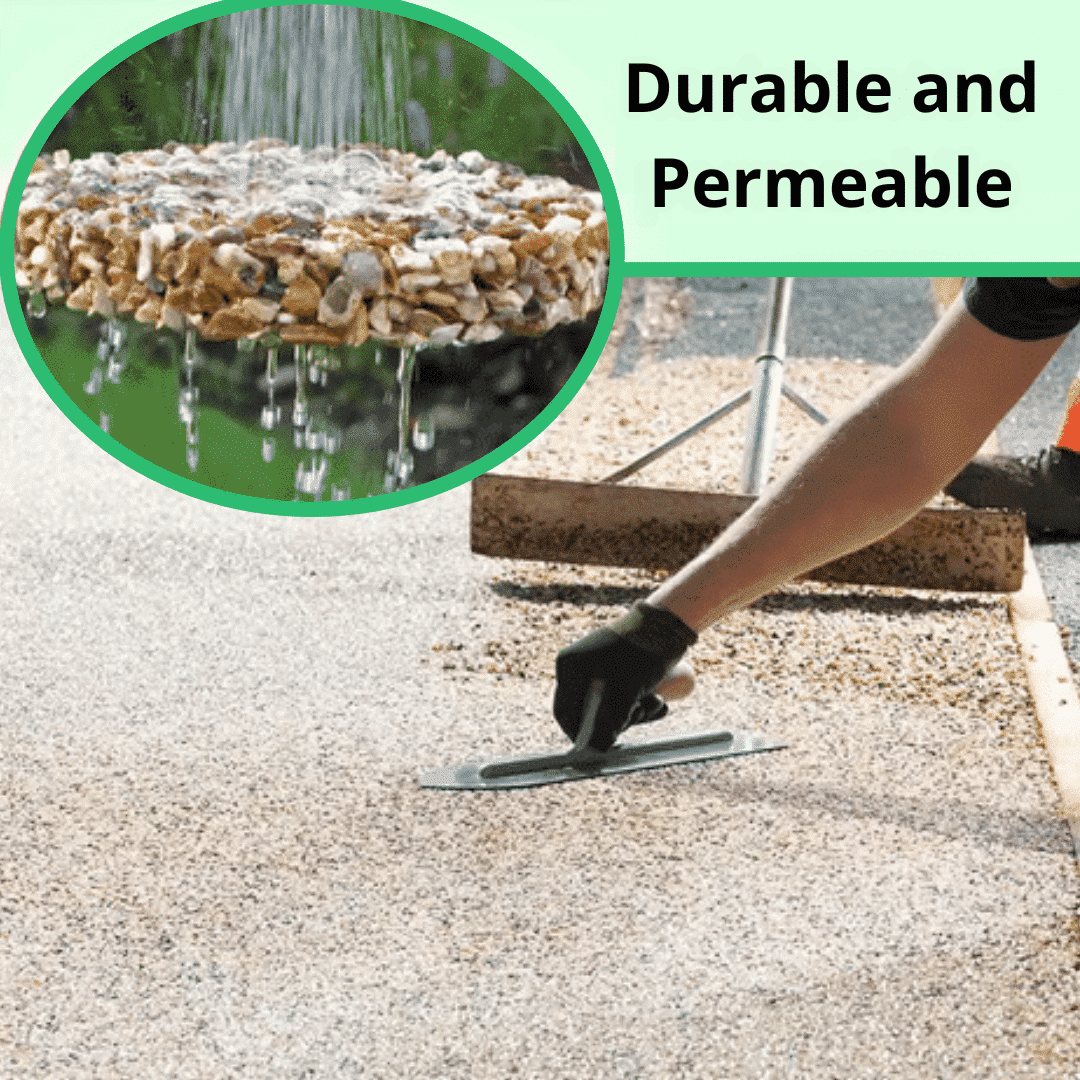
If you’re looking to reinforce or restore a gravel terrace or outdoor surface with a resin binder, it’s vital to use the correct method—never simply pour binder over loose gravel. Here’s why this step is crucial for longevity and performance.
The Problem with Pouring Binder onto Loose Gravel
Piling resin binder straight over an existing bed of loose gravel or stones won’t provide a strong or stable surface. The binder cannot reach and adhere to each stone effectively, which leads to poor bonding, uneven coverage, and rapid breakdown under foot or vehicle traffic. Over time, this method results in loosened patches and possible safety hazards.
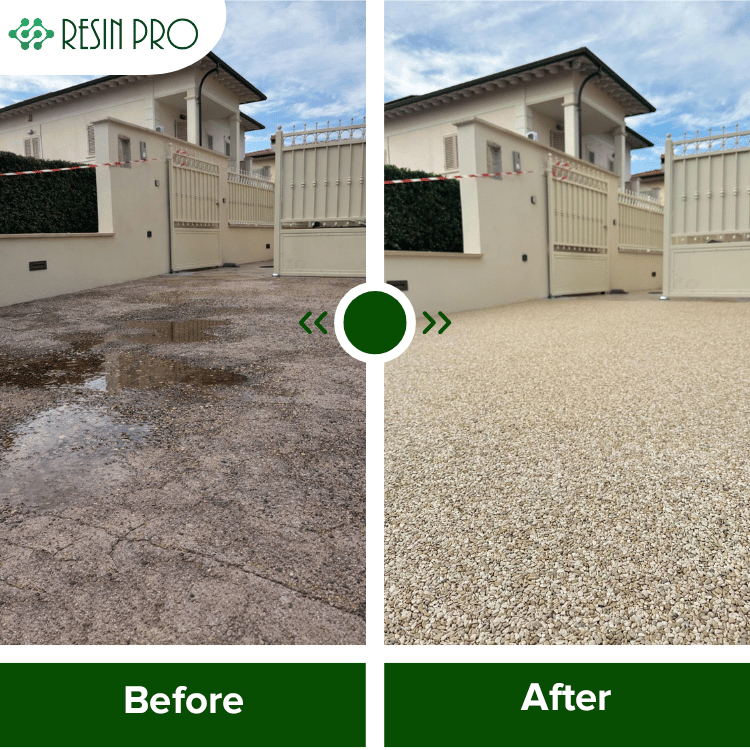
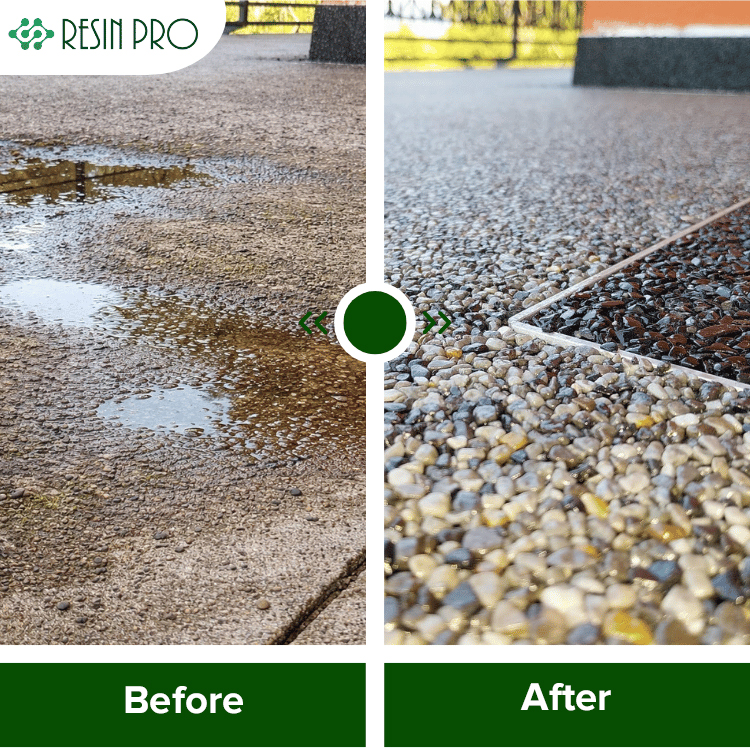
Correct Preparation: Mixing Binder and Stones
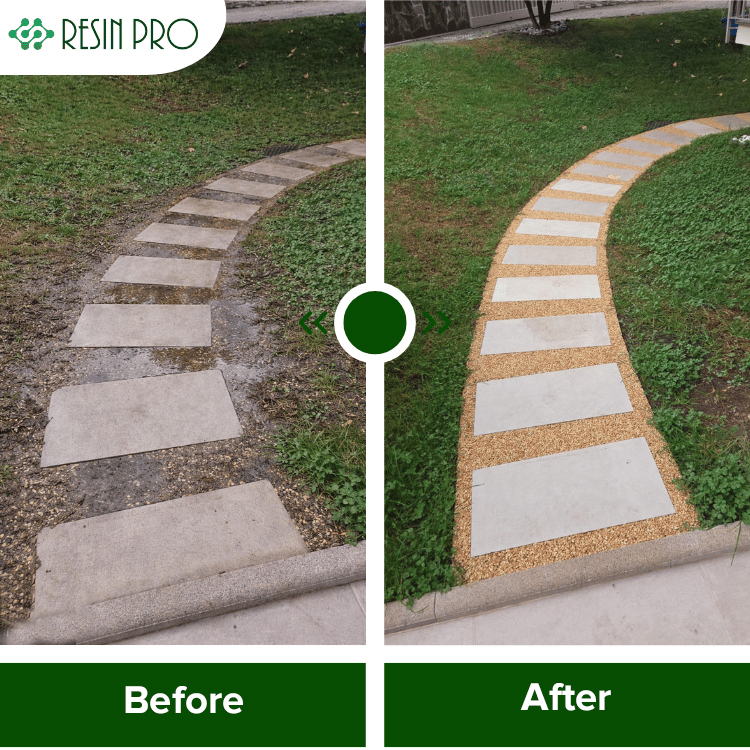
For lasting strength and a uniform finish, always remove the loose top layer of gravel. Mix the clean, dry stones thoroughly with the appropriate resin binder before re-laying them on your terrace or pathway. This ensures every stone is coated and integrated, resulting in a stable, continuous surface that resists wear and weathering. Need an easy solution for full restoration? Our Flowstone Complete Permeable Floor Kit provides all materials and instructions for durable results.
When This Advice Matters Most
This guidance is essential if your terrace, drive, or pathway sees regular footfall, needs to drain rainwater, or you want an attractive low-maintenance finish. Mixing before application supports the drainage and anti-slip features modern pebble resin systems are designed for.
Related products
Related guides
By following proper preparation and avoiding shortcuts with resin binders on gravel, your terrace renewal projects will be safer, longer-lasting, and truly effective. For more tips on successful outdoor surface restoration, visit our main terrace restoration guide.