 Free shipping on orders over £29,85
  Shipping Tracking!


 Google
 Facebook
← Back to How to decalcify drinking water using resins?
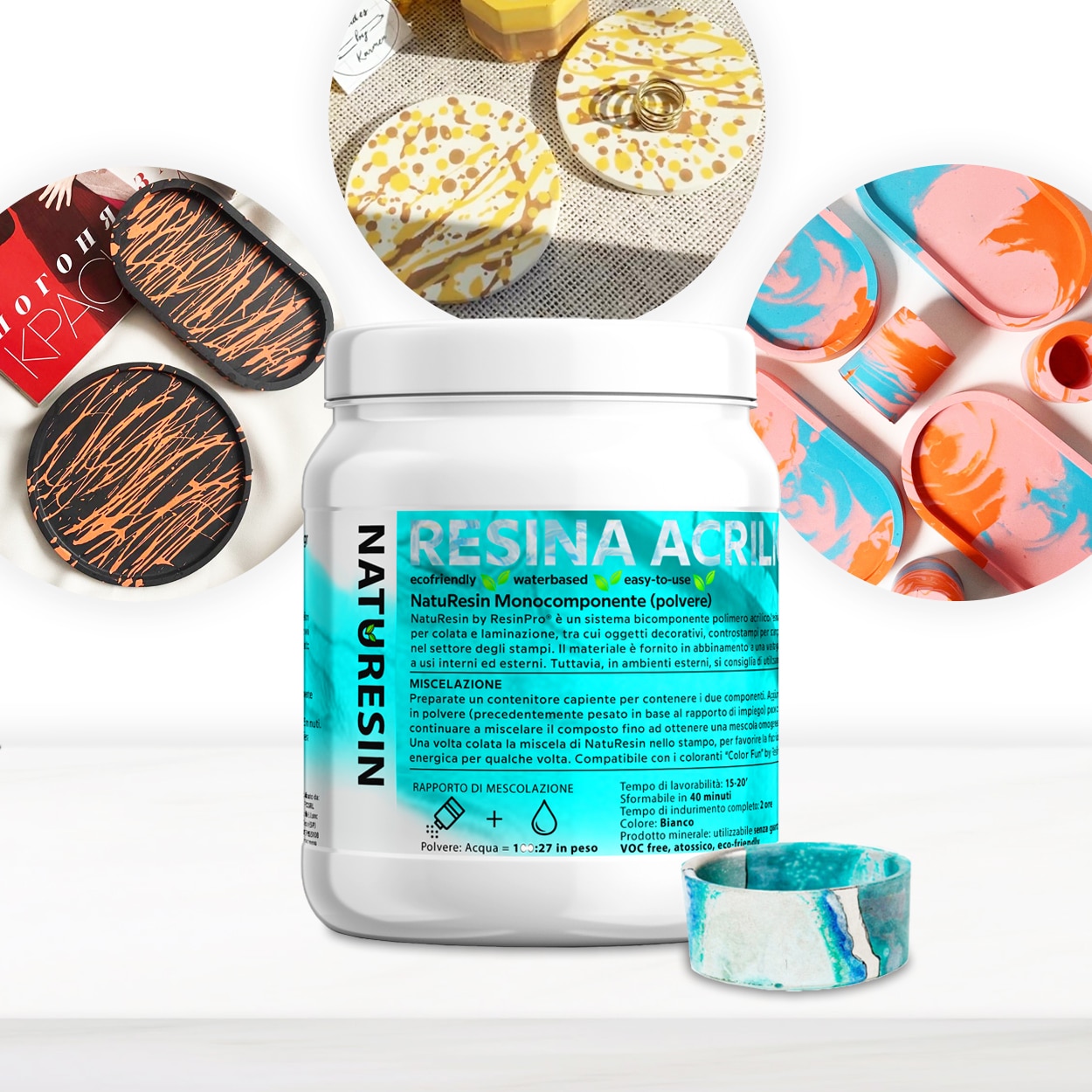
It might seem tempting to use casting or decorative resins for water filtration or decalcification, but this practice is strongly advised against. Here’s why these materials are not fit for water treatment and what to use instead.
Why Decorative Casting Resins Are Unsuitable for Water Purification
Casting and decorative resins are engineered specifically for creative projects and surface finishes—like coasters, trays, and artwork—not for filtering or softening drinking water. These resins do not possess the chemical structure necessary for ion exchange or water purification. Using them in water treatment can introduce substances that are not intended for consumption, as their safety has not been tested for food or potable applications.
Safer Options for Water Decalcification
If you need to address hard water or limescale in your drinking water, always look for food-grade ion-exchange resins or certified filtration media designed for water treatment. Such specialised products are developed with safety, performance, and health standards in mind—qualities not mirrored by typical decorative resins. Avoid using products like NatuResin or polyurethane systems for any application that involves producing water for drinking or cooking.
When This Matters Most
If water quality and safety are among your top concerns—like when you’re working on filtration for the household or for aquariums—using the correct type of resin is not just important, it’s essential to prevent health risks.
Related products
Related guides
For all creative, crafting, or surface-coating projects, decorative resins such as “NatuResin” and “Icrystal” offer beautiful results. However, for advice on genuine water decalcification using resins, turn to specialist products only—find out more in our main guide on how to decalcify drinking water using resins.