 Free shipping on orders over £29,85
  Shipping Tracking!


 Google
 Facebook
← Back to Permeable Gravel vs Resin Bound Gravel Outdoor Solutions
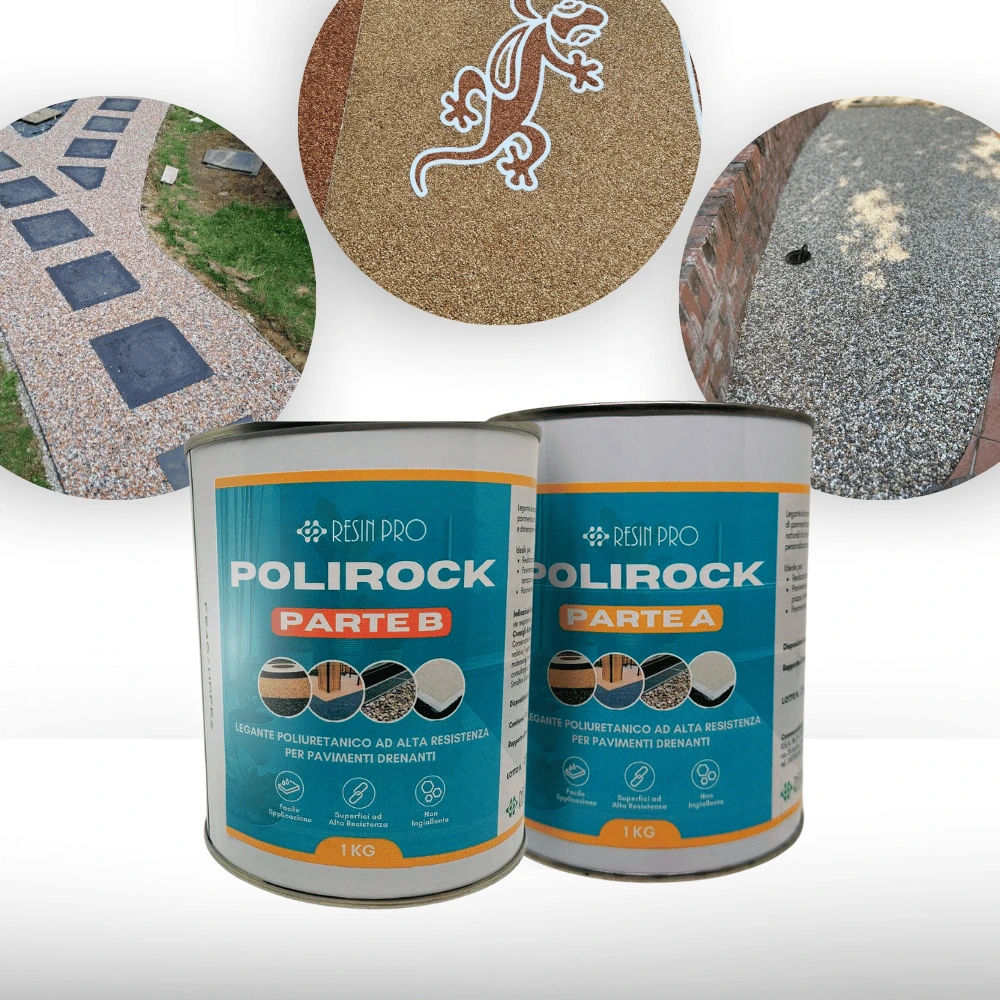
Non-yellowing polyurethane is a crucial factor when selecting a resin binder for outdoor stone and gravel installations—especially with light or white aggregates. Its UV-stable properties ensure you maintain a clear, attractive surface over time, protecting your investment from discolouration caused by sunlight.
Why Choose Non-Yellowing Polyurethane?
Outdoor surfaces are continuously exposed to sun and changing weather, which can lead to resin yellowing—most noticeable on white stones. Non-yellowing polyurethane resins, such as those specially formulated for light-coloured or white aggregates, help preserve the original appearance by remaining clear and resistant to UV rays. This makes them a preferred choice for decorative pathways, driveways, and patios where visual quality matters.
Practical Tips for Installation
Select a dedicated polyurethane binder, like the Polirock two-component kit, for white or natural stones. For best results, thoroughly mix the resin with clean, dry stones—typically using a ratio of around 3% resin by weight. Ensure the sub-base is dry, and avoid application in overly hot, cold, or humid conditions to achieve a strong, even finish. Follow all manufacturer guidelines for application and curing.
When to Prioritise Non-Yellowing Resin
- Decorative needs: When installation features white or light aggregates.
- High UV exposure: South-facing or unsheltered outdoor areas.
- Long-term clarity: Projects where long-lasting surface aesthetics are a key requirement.
Related products
Related guides
Choosing non-yellowing polyurethane is key to ensuring your permeable or resin bound gravel installation remains bright and clean over time. For more guidance comparing different outdoor surface solutions, explore our main hub on Permeable Gravel vs Resin Bound Gravel Outdoor Solutions.