 Free shipping on orders over £29,85
  Shipping Tracking!


 Google
 Facebook
← Back to Can resin bound gravel replace concrete?
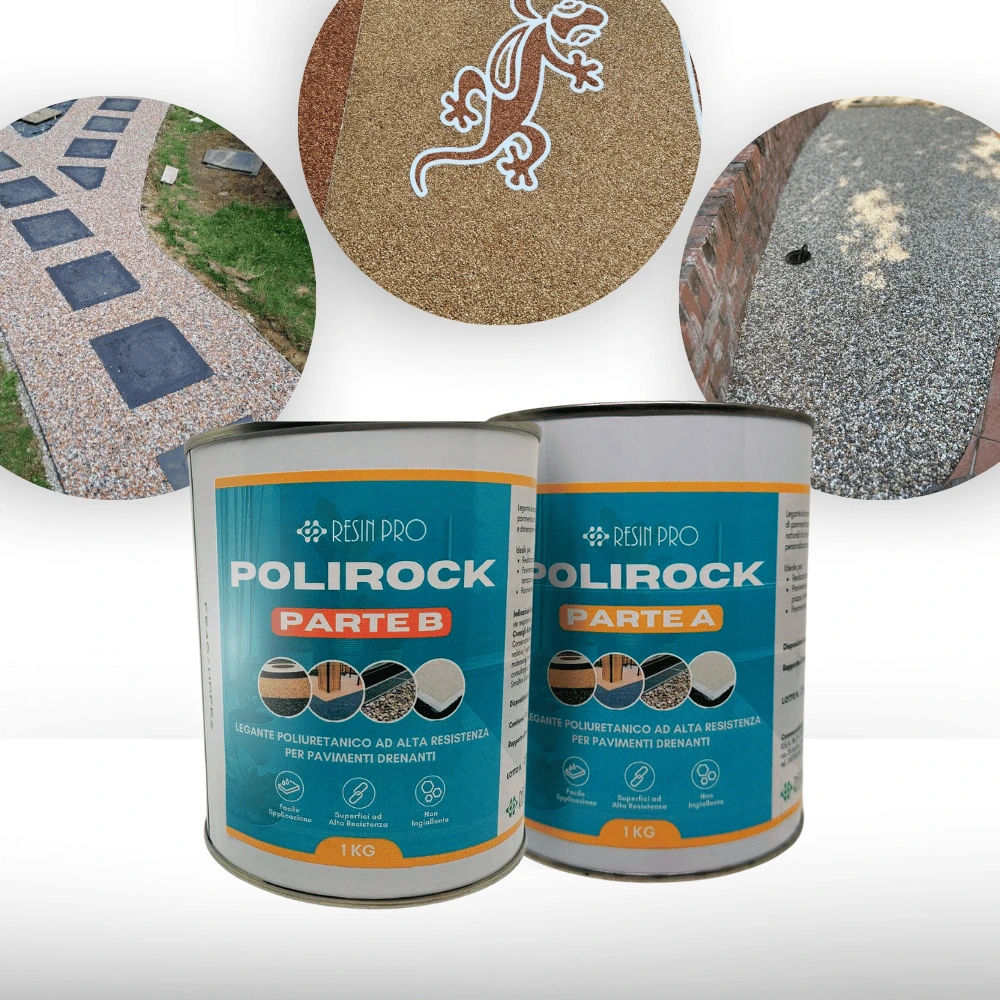
When laying resin-bound gravel, especially with pale or white aggregates, the choice of resin binder is crucial for a surface that keeps its original look. Non-yellowing polyurethane is designed specifically to maintain clarity and resist discolouration from sunlight and weather exposure over time.
What Makes Polyurethane Non-Yellowing?
Standard household or commercial polyurethane can develop a yellow tint when exposed to UV rays, which is a concern for visible outdoor surfaces. Non-yellowing polyurethane for resin-bound applications is formulated with enhanced UV resistance, ensuring the binder stays clear and does not discolour, especially against white or light-coloured stones where any shift would be obvious.
This specialised binder helps outdoor resin installations remain bright and true-to-colour, reducing the risk of ageing prematurely or losing kerb appeal.
Choosing the Right Binder for Resin-Bound Gravel
If you’re using white or light marble stones, a non-yellowing polyurethane like Polirock is typically recommended over traditional epoxy binders, which may be better suited for coloured or darker aggregates. Always check if the binder has specific non-yellowing properties and select one matched for your chosen aggregate to achieve lasting results.
When Non-Yellowing Polyurethane Really Matters
- Pale and white stone driveways or patios: To preserve their pristine look over time.
- Sunny or exposed locations: Where prolonged sunlight quickly reveals any hint of discolouration.
- Decorative and feature areas: Where appearance is as important as function.
Related products
Related guides
Opting for non-yellowing polyurethane is a practical way to protect your resin-bound surface investment and keep it visually appealing for years. To explore more about resin-bound gravel and alternatives to traditional concrete, visit our main FAQ page.