 Free shipping on orders over £29,85
  Shipping Tracking!


 Google
 Facebook
← Back to How much does a permeable pool surround cost?
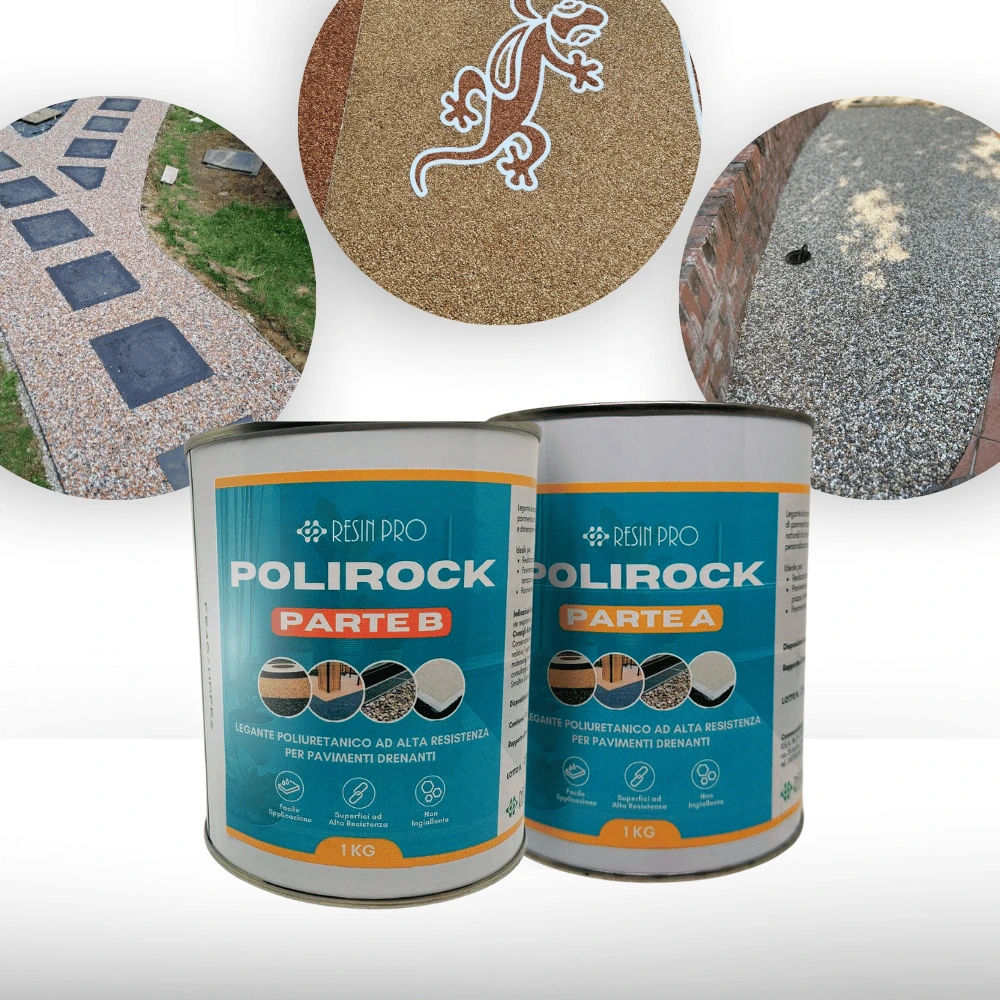
When installing outdoor resin-bound surfaces, especially with white or light stones, choosing a resin that resists yellowing is essential for maintaining a pristine, long-lasting appearance.
What Makes Polyurethane Non-Yellowing?
Non-yellowing polyurethane is designed to withstand prolonged outdoor exposure, providing a clear finish that doesn’t discolour over time. Its chemical makeup resists the effects of UV rays and weather, making it particularly suitable for white, pale, or natural aggregates. Unlike some binders that can turn yellow under sunlight, a specialist polyurethane maintains its clarity and aesthetic even in challenging outdoor conditions.
When to Use Non-Yellowing Polyurethane
If you’re planning a decorative and permeable surface—like a pool surround, driveway, or garden path—using non-yellowing polyurethane is highly recommended with white stones or any application where colour preservation is important. Products such as Polirock Polyurethane Binder are formulated to stay clear and durable in outdoor environments, ensuring your surface keeps its fresh look for longer.
Practical Guidance for Buying and Application
When purchasing resin binders for a pale or white aggregate, always opt for a dedicated non-yellowing polyurethane to avoid unwanted discolouration. Kits like the Flowstone Complete Permeable Floor Kit include specific guidance—use a polyurethane binder for light stones and epoxy for coloured stones. For best results, ensure surfaces are clean and dry before application, and follow all mixing ratios provided by the manufacturer.
When This Matters Most
Non-yellowing polyurethane is especially valuable for pool surrounds or garden paths with white or light-coloured stones, where both looks and durability are priorities.
Related products
Related guides
Selecting the right binder helps your permeable pool surround or outdoor space retain its brilliance over time. For more tips on durability and cost-effective solutions, explore our main guide on permeable pool surrounds.