 Free shipping on orders over £29,85
  Shipping Tracking!


 Google
 Facebook
← Back to Is Permeable Flooring UV Resistant in the UK?
Non-yellowing polyurethane is specially formulated to resist the common problem of yellowing caused by exposure to UV rays. This makes it a trusted choice for surfaces that need to stay clear and attractive for as long as possible, even outdoors. If you’re considering it for your project, understanding how it works and its uses can help you get the best result.
How Non-Yellowing Polyurethane Protects Surfaces
Polyurethane resins are known for their durability and flexibility, but traditional versions may yellow over time when exposed to sunlight. Non-yellowing polyurethane is designed with improved UV stability, offering a clear, protective finish that maintains its appearance. This makes it ideal for items and surfaces where colour integrity matters, such as decorative outdoor labels, signage, and pale stone aggregates in resin-bound flooring.
Practical Uses and Buying Tips
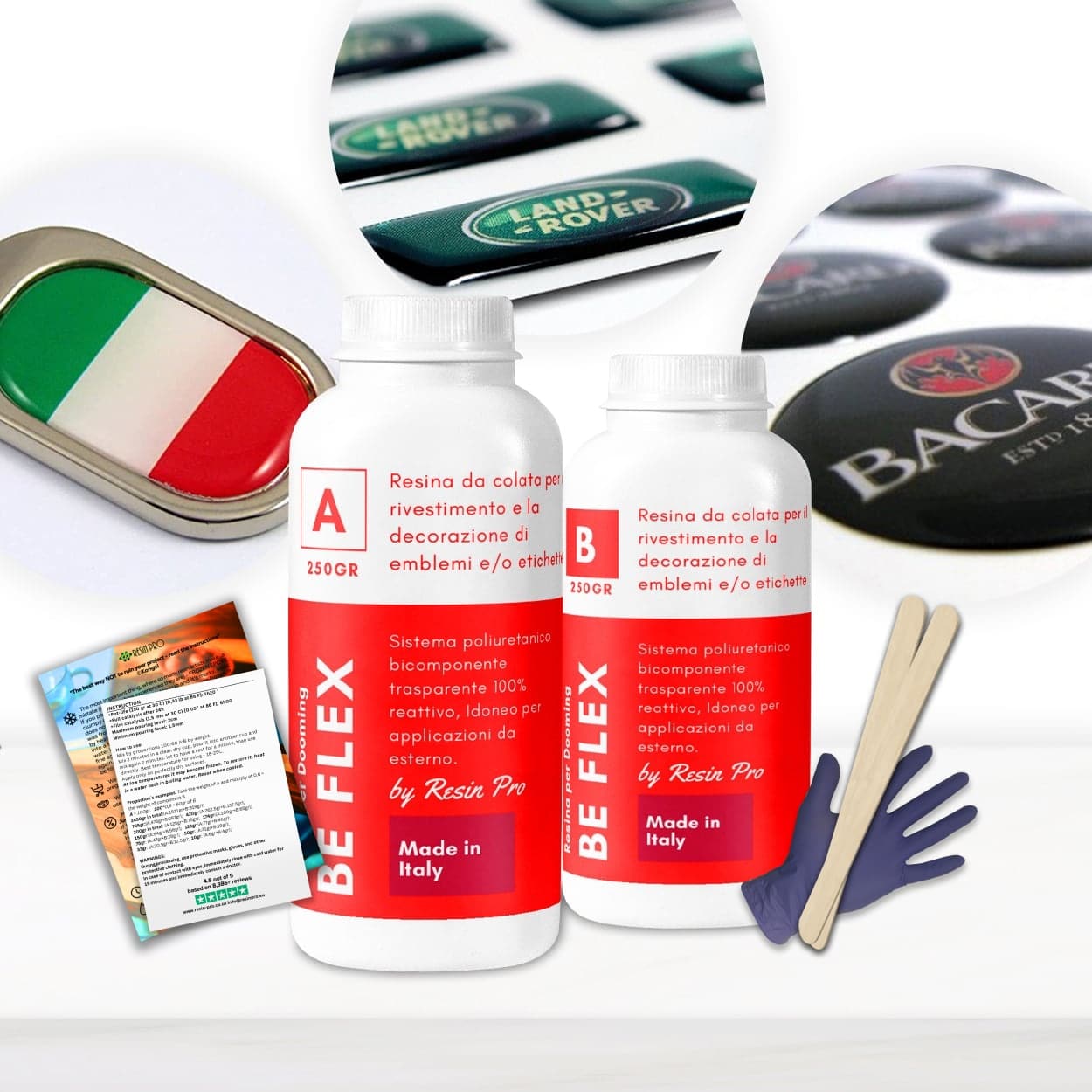
If you’re creating stickers, badges, or signage, a product like Be Flex Transparent Polyurethane Doming Resin provides both a flexible finish and protection from UV-induced yellowing. For external flooring using white aggregates, a specialised polyurethane binder helps keep the original brightness intact despite the UK’s changing weather conditions. When shopping, always check the product notes for mention of UV resistance and suitability for outdoor applications.
When This Matters Most
Opting for non-yellowing polyurethane is especially important if your surfaces face frequent sunlight, whether in open gardens, on exposed driveways, or anywhere outdoors where crispness and clarity are vital. Decorative features, pale finishes, and professional signage risk aesthetic damage without proper protection. Choosing the right resin helps avoid discolouration and prolongs the life of your project.
Related products
Related guides
For long-lasting results on outdoor surfaces, selecting products with non-yellowing polyurethane is key—especially when UV resistance is important. This approach underpins a quality finish and directly relates to broader concerns about the UV resistance of permeable flooring discussed in our main FAQ.