 Free shipping on orders over £29,85
  Shipping Tracking!


 Google
 Facebook
← Back to How to repair an aluminum oil pan with resins?
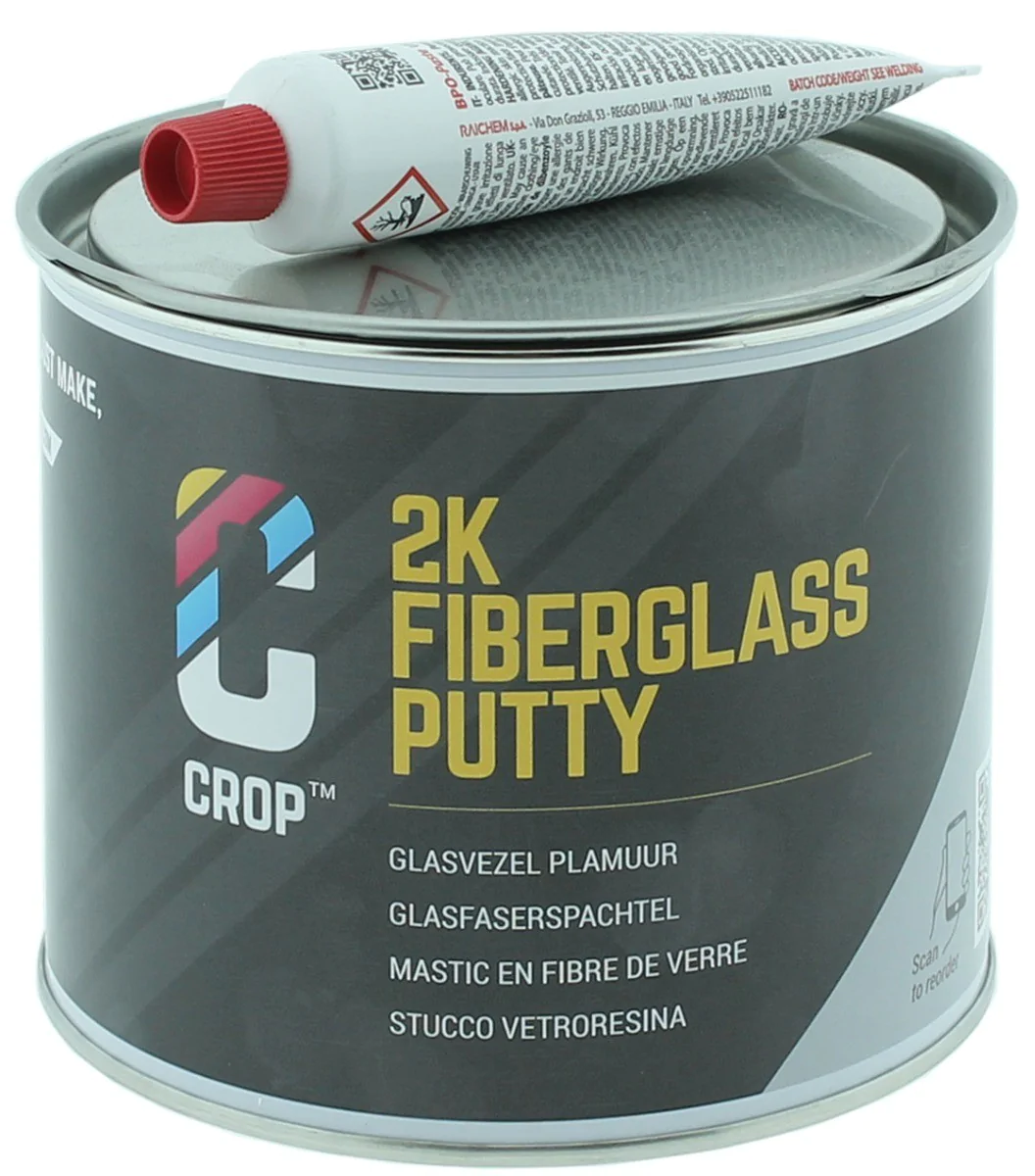
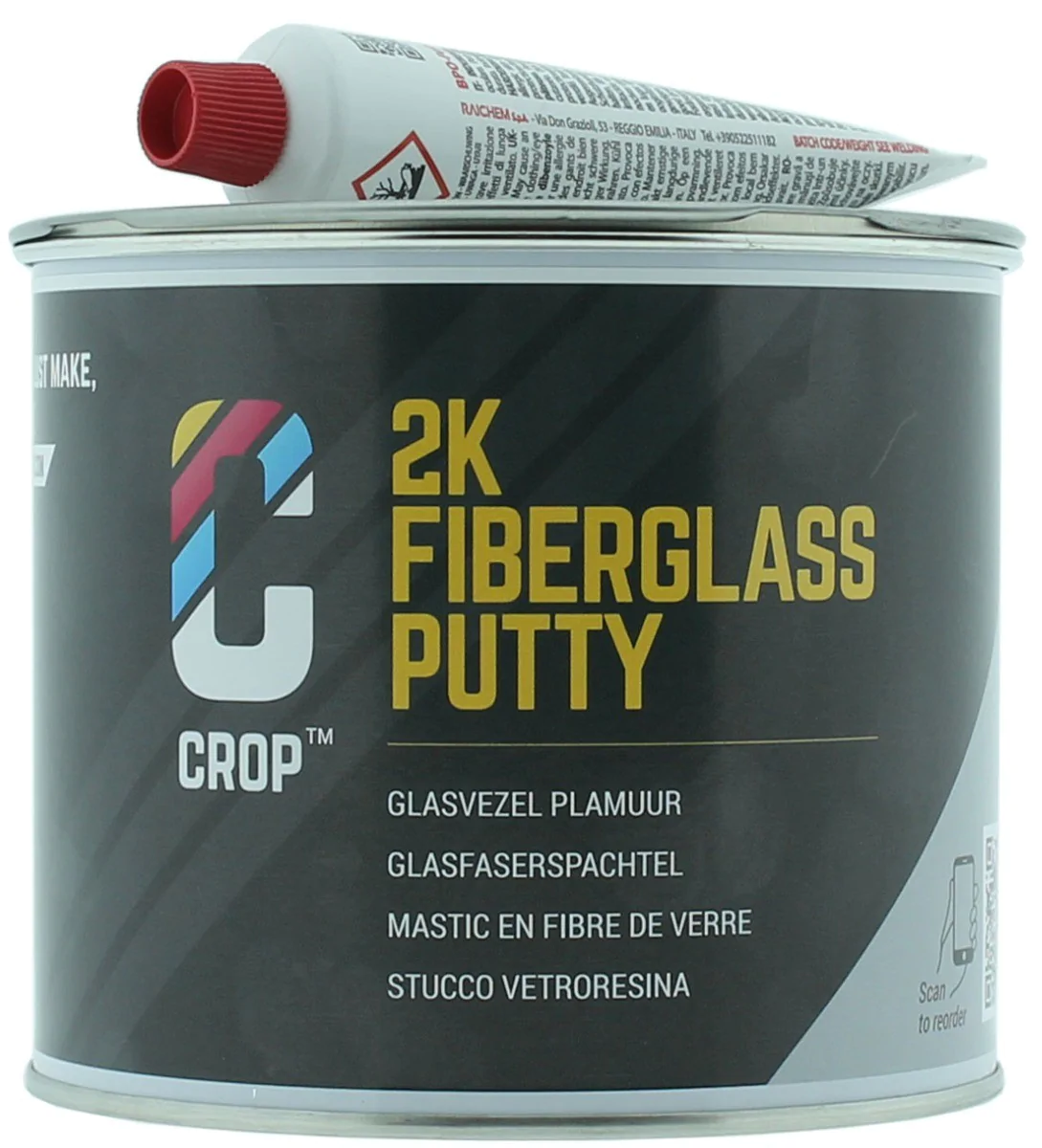
If you’ve repaired an aluminium oil pan, ensuring lasting leak prevention is essential for both engine health and road safety. Taking several careful steps post-repair can help you achieve a robust, watertight seal and avoid future issues.
Preparing the Oil Pan Surface
Thorough preparation forms the basis of a reliable repair. Start by cleaning the area around the damage, removing old oil, dirt, and any previous sealant. Abrade the surface gently with sandpaper to give fresh resin or putty a strong grip, ensuring all debris is cleared away before starting the application. This minimises the chance of bonding issues that could cause future leaks.

Applying Resin or Putty for Lasting Results
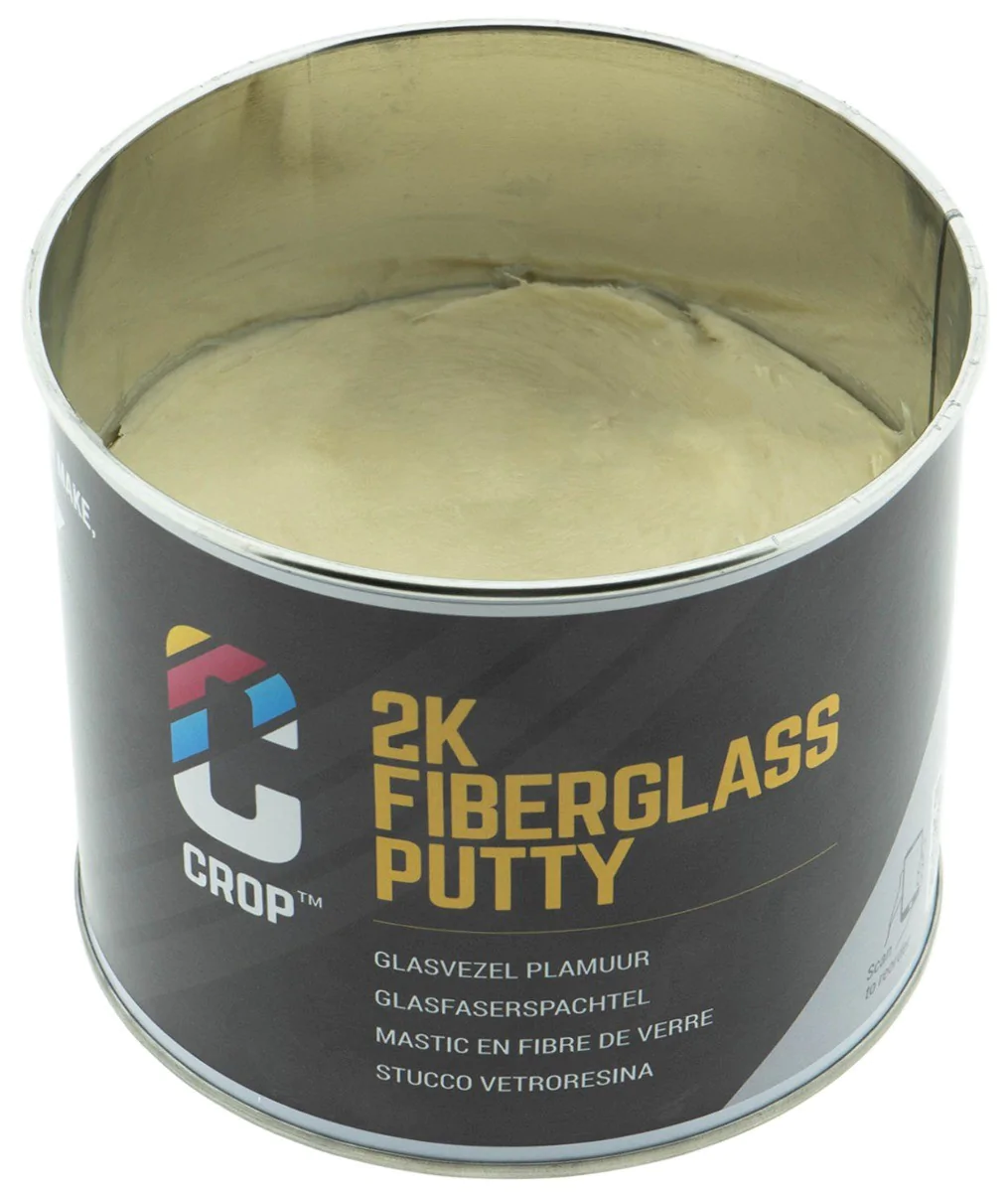
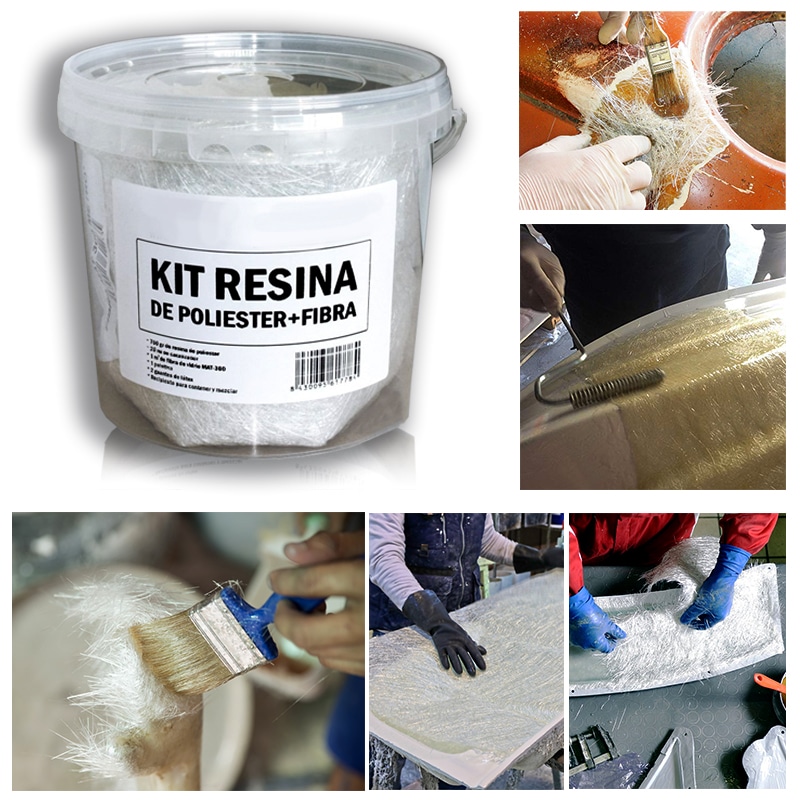
Choose a suitable product for your oil pan material, such as CROP 2K Fiberglass Putty or a fibreglass repair kit for larger cracks. Mix and apply according to the manufacturer’s instructions, covering the damaged area and feathering the edges for a smooth transition. Allow the resin or putty to cure fully—rushing this step risks integrity, so follow recommended drying times before handling or resuming use.
Leak Testing Before Refitting
Before reinstalling your oil pan, it’s wise to check for leaks. This can be done by filling the repaired section with a small amount of water (never oil at this stage) and inspecting for drips. Alternatively, leave the area dry and watch for seepage overnight. Only reinstall and refill with oil once you are confident the repair is fully sealed.
When This Matters
Preventing leaks is particularly crucial if your vehicle is used regularly or covers long distances, as small repair failures can lead to severe engine damage. The right approach helps avoid costly repeat repairs.
Related products
Related guides
Reliable oil pan repairs keep engines safe and efficient. For a step-by-step overview on the full aluminium oil pan resin repair process, see our main guide on how to repair an aluminium oil pan with resins.