 Free shipping on orders over £29,85
  Shipping Tracking!


 Google
 Facebook
← Back to How to repair an aluminum oil pan with resins?
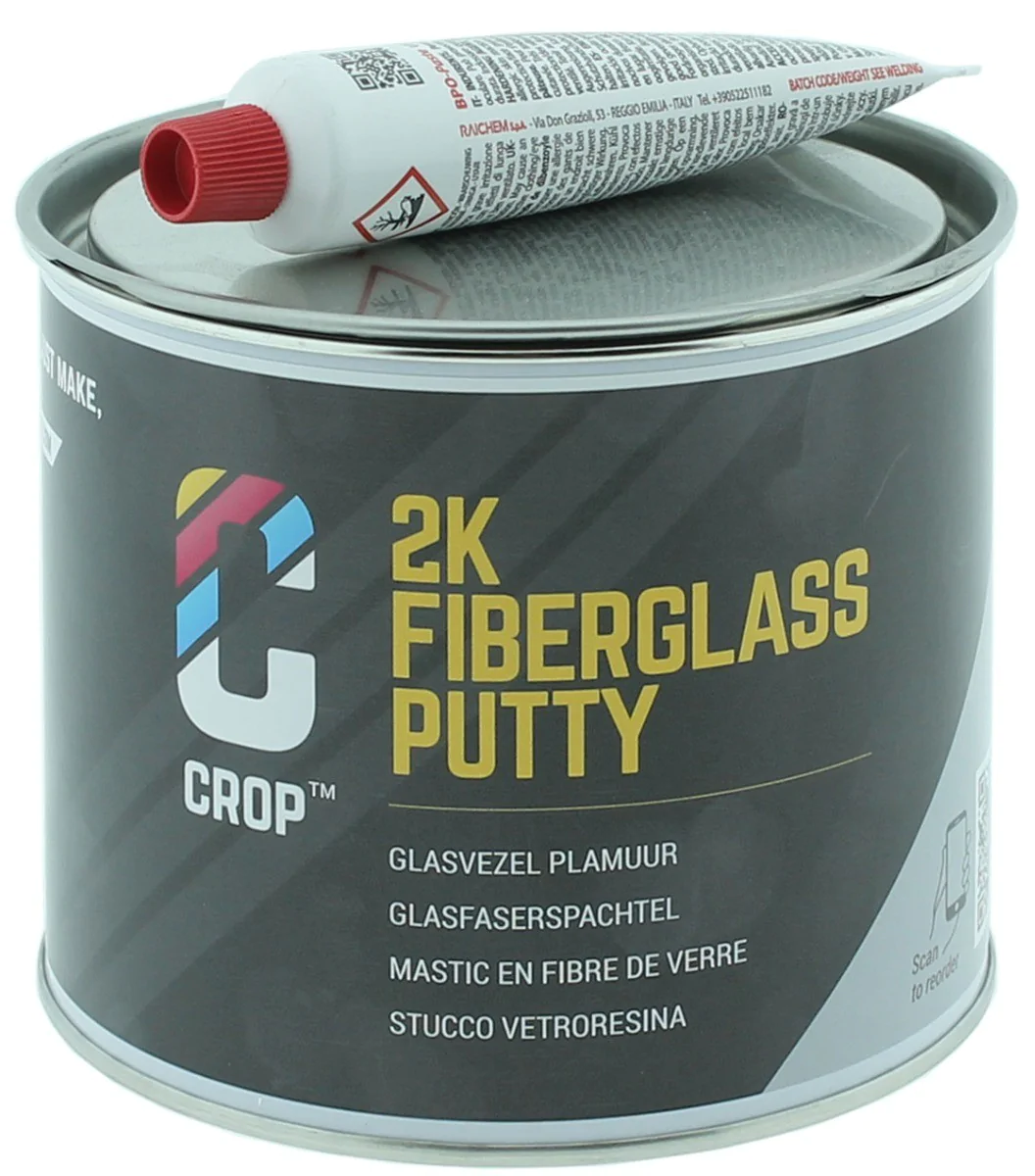
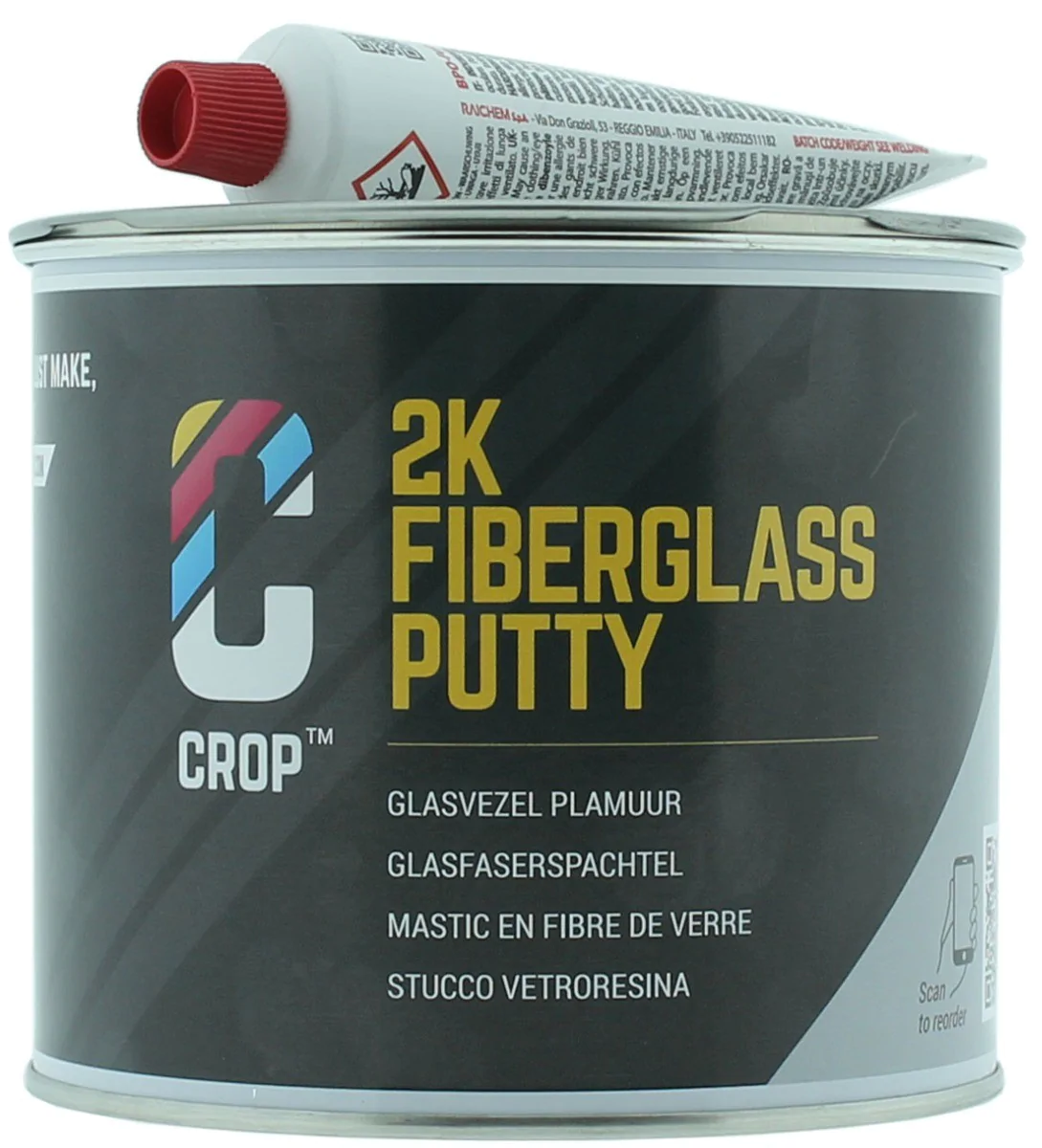
If you are planning to repair an aluminium oil pan with resins or fibreglass putties, surface preparation is the single most critical step for ensuring the durability and strength of your repair. Skipping or rushing this stage often leads to poor adhesion and recurring leaks.
Why Cleaning and Sanding Matter
Any resin, putty, or composite product used for repairing an oil pan requires a pristine surface to adhere securely. Oil residue, dirt, corrosion, or old paint left behind can prevent proper bonding, leading to weak spots and even failure under pressure. Thorough cleaning removes oils and grime, while sanding roughens the aluminium to provide a strong mechanical key for the repair material. Consistent surface prep can mean the difference between a lasting seal and a short-lived patch.

Steps for Effective Surface Preparation
- Degreasing: Use an automotive degreaser or suitable solvent to eliminate oil and contaminants from the repair area.
- Sanding: Abrade the damaged zone with coarse sandpaper (usually 80–120 grit) to remove corrosion and create a roughened profile.
- Final Cleaning: Remove all sanding dust and ensure the surface is completely dry before applying your repair resin or putty.
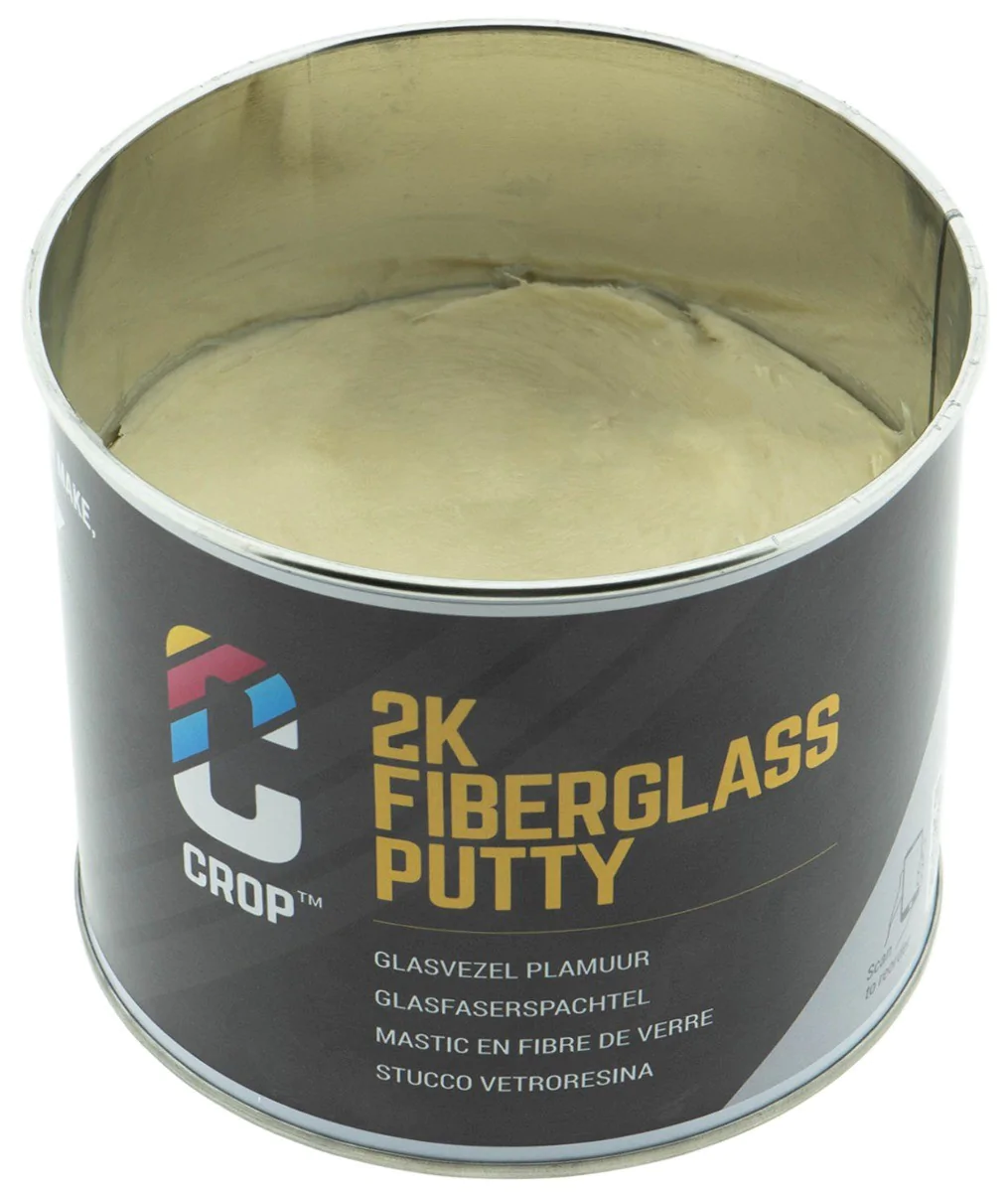
For best results, consider using a product designed for adhesion to metals, such as CROP 2K Fiberglass Putty. Proper prep enables these products to fully lock onto the aluminium, maximising strength and moisture resistance.
When This Matters Most
Surface preparation becomes even more crucial when the oil pan is exposed to vibrations, heat cycles, or the risk of chemical contamination. In engine components, any shortcut in prep can quickly undermine your repair, leading to leaks or separation.
Related products
Related guides
Attending to surface preparation ensures that your resin repair on an aluminium oil pan stands the test of time. For more detailed guidance on the repair process and suitable repair products, return to our main oil pan repair guide.