 Free shipping on orders over £29,85
  Shipping Tracking!


 Google
 Facebook
← Back to Where can plant resin be extracted?
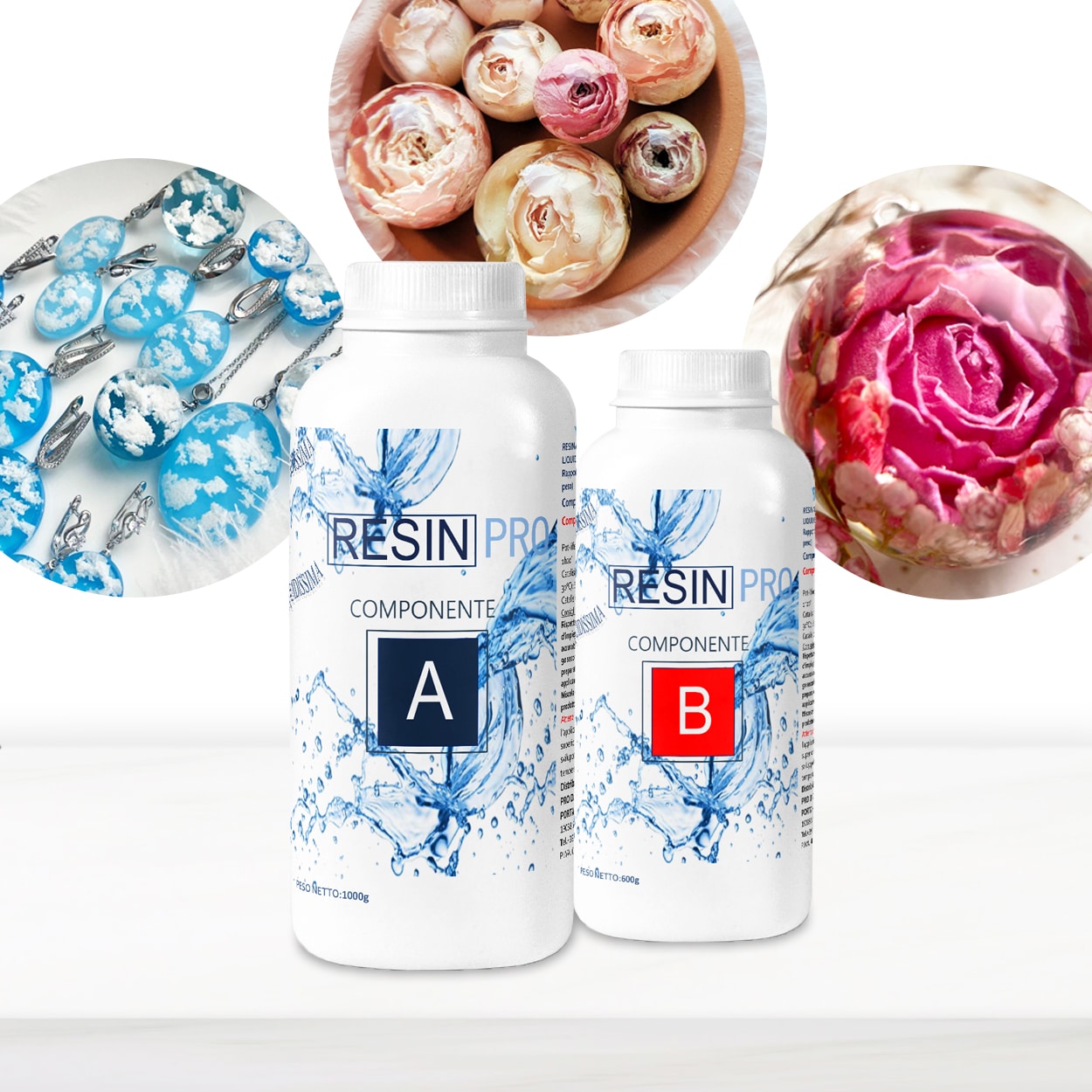
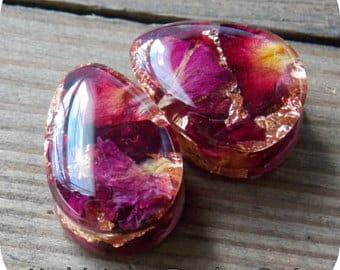
Choosing between natural plant resin and synthetic epoxy can make a real difference to your creative results. Both have distinct qualities that suit particular projects and user needs.
Nature & Practical Qualities
Natural plant resin is an organic substance harvested from trees, valued historically for its fragrance and traditional appearance. While eco-friendly in origin, it tends to be brittle and may not offer much clarity or durability for modern crafting needs. By contrast, synthetic epoxy is a laboratory-produced resin formulated for clarity, strength, and stability. This makes it a popular choice for crafts, jewellery, and functional art pieces where reliability and finish are important.
Performance & Creative Flexibility
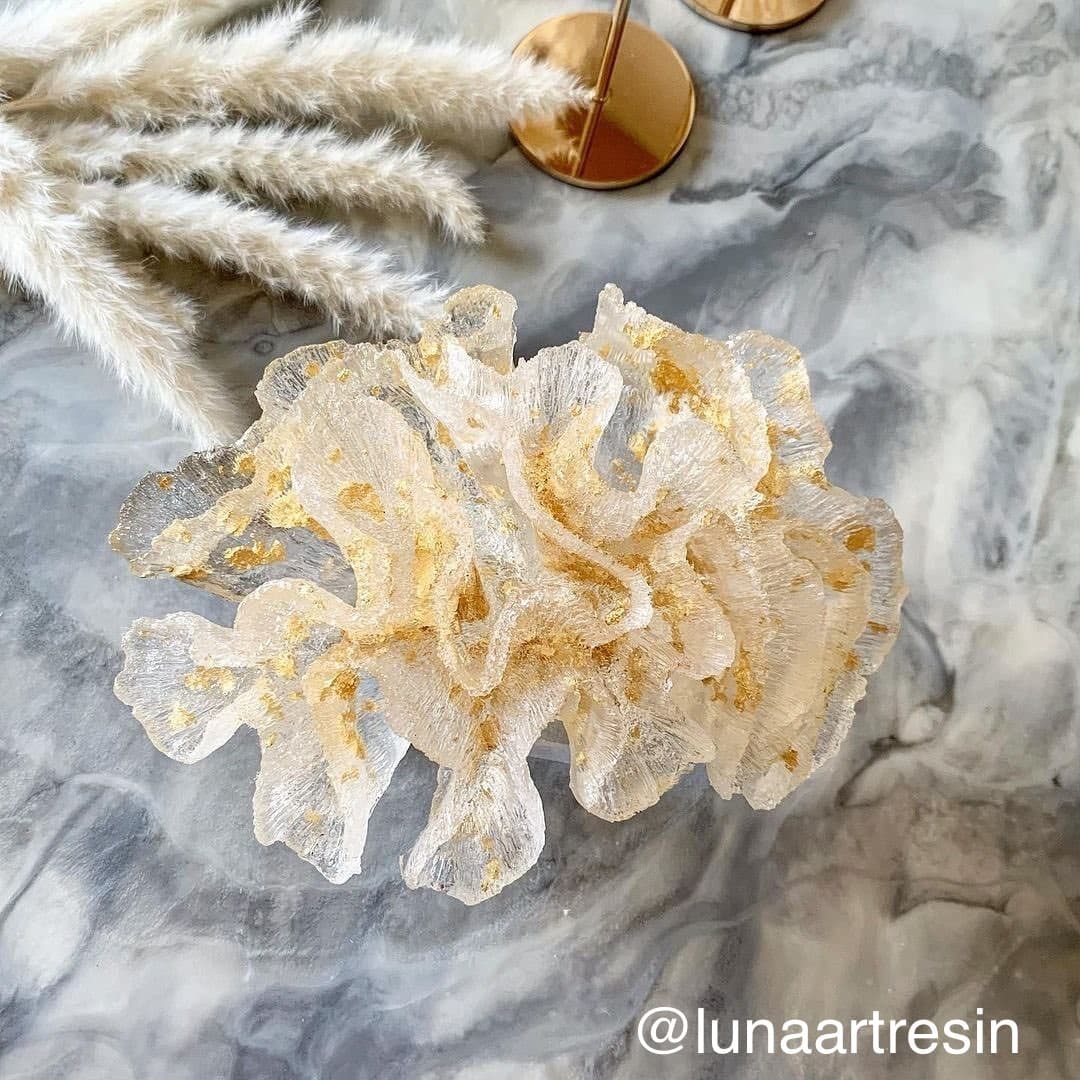
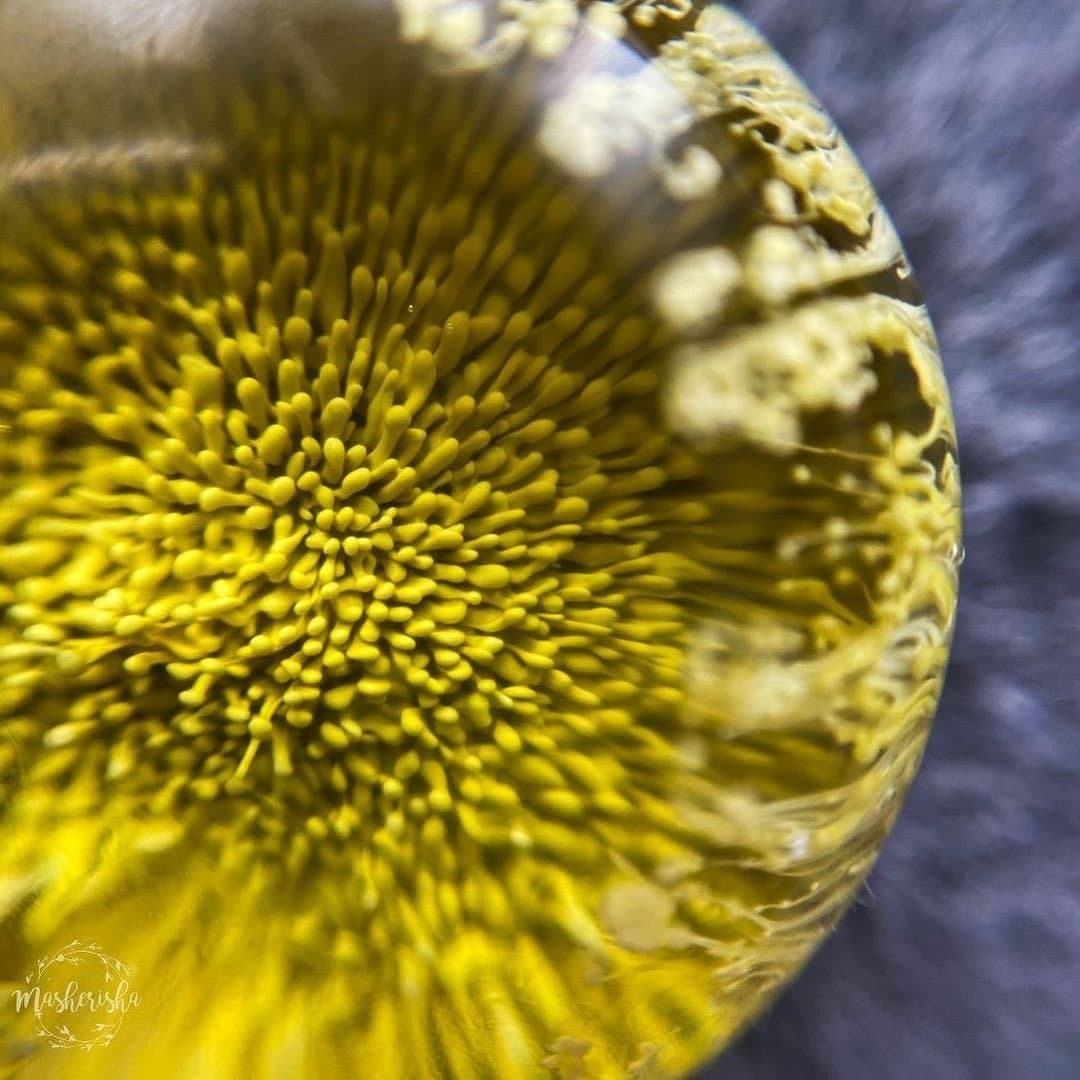
The superior clarity and versatility of synthetic epoxies make them ideal for projects demanding a crystal-clear finish and intricate detail. For instance, a product like “Liquidissima” epoxy resin is specially designed for jewellery moulds and creative works, offering long working times and reduced bubbles—advantages typically not seen with natural plant resin. Natural resin tends to be more suitable for simple, non-structural decorative items.
When Clarity, Thickness, or Eco Values Matter
- For thick pours or robust projects: Synthetic epoxies like “Trasparente” allow casting up to 2cm in a single layer, maintaining gloss and structure. Plant resins usually can’t achieve this without cracking.
- For sustainability or sensitive environments: Water-based mineral resins, such as “NatuResin”, offer a safe and eco-friendly alternative for decorative casting without the brittleness of pure plant resin.

Related products
Related guides
Understanding the core differences between plant and synthetic resins means you can choose the best option for your craft or art. To further explore where to source, use, and make the most of plant-based and synthetic resins, visit our main guide.