 Free shipping on orders over £29,85
  Shipping Tracking!


 Google
 Facebook
← Back to How do you make resin?
One of the most important steps when working with epoxy resin is pouring in thin, controlled layers. This simple but effective technique ensures your craft, furniture, or art comes out crystal clear and evenly cured, avoiding disappointment from bubbles, cracking, or tackiness.
Why Thin Layers Make a Difference
Resin cures as a result of a chemical reaction between the resin and hardener. When the mix is poured too thickly, heat can build up quickly, leading to uneven curing, trapped air bubbles, warping, or even cracks. Pouring in thin layers allows the resin to release air bubbles naturally and cure at a steadier rate, resulting in a smooth, hard finish.
- Reduces risk of bubbles and imperfections
- Minimises surface tackiness
- Promotes clarity and a high-gloss finish
How to Pour Resin in Layers
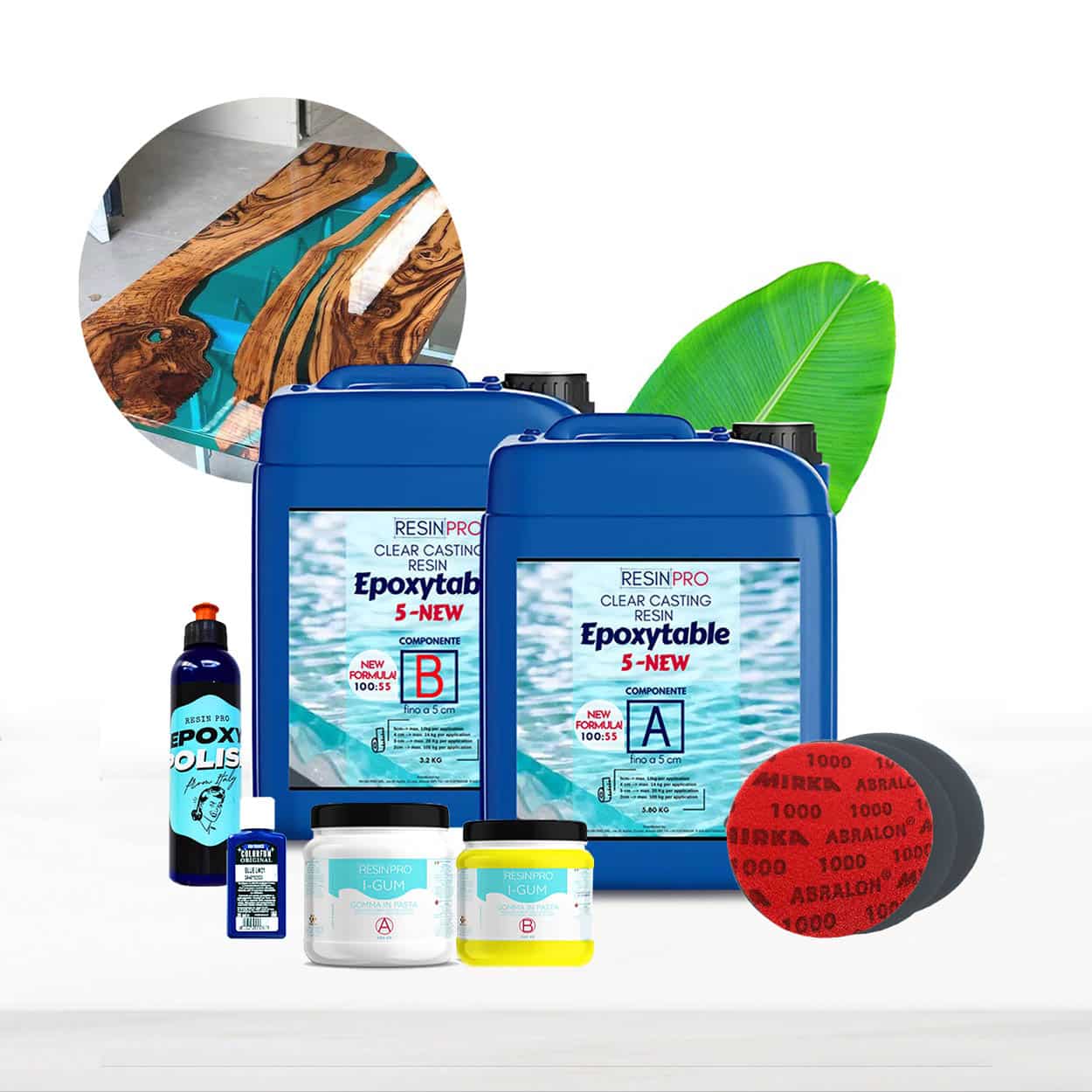
Start by checking your resin’s specifications for the maximum recommended pour depth—many beginner kits, such as the River-Table Kit, guide you on safe depths (often 2–5 cm per layer). Pour your first layer, let it partially cure until it is tacky (usually a few hours), then add the next layer. Repeat until you reach the desired thickness.
- Work in a well-ventilated area at an even temperature
- Use a torch or toothpick to pop emerging bubbles after each layer
- Patience pays off—a rush can ruin the final result
When This Matters Most
Pouring in thin layers is particularly crucial for deep castings like tables, jewellery, and coasters. Larger pours generate more heat and can be prone to curing issues if not managed carefully. Thin layers can also help when embedding decorative items or achieving intricate colour effects, giving you more control over each stage of the design.
Related products
Related guides
Perfecting the technique of pouring resin in thin layers will elevate your results, whether you’re making a river table, a sparkling coaster, or unique jewellery. For more tips on resin preparation and crafting, head back to our main guide on making resin.