 Free shipping on orders over £29,85
  Shipping Tracking!


 Google
 Facebook
How do you make resin?
Essential guide for mixing, pouring, and curing resin projects.
Whether you are a beginner or hobbyist, mastering how to make resin is a rewarding skill that opens up creative possibilities—from jewellery and coasters to home décor and tables. This detailed guide walks you through the fundamental steps, emphasising safety, technique, and finishing touches, so your first resin project is a success.
What You’ll Need
- “One-2-One” – Epoxy Resin for Handcraft, 1:1 Mixing Ratio: Medium viscosity resin ideal for beginners and handcraft projects.
- “Evershine Collection” – Artisan Jewellery Epoxy Resin Kit with 100+ Accessories: All-in-one kit for jewellery and crafts, perfect for beginners wanting simplicity.
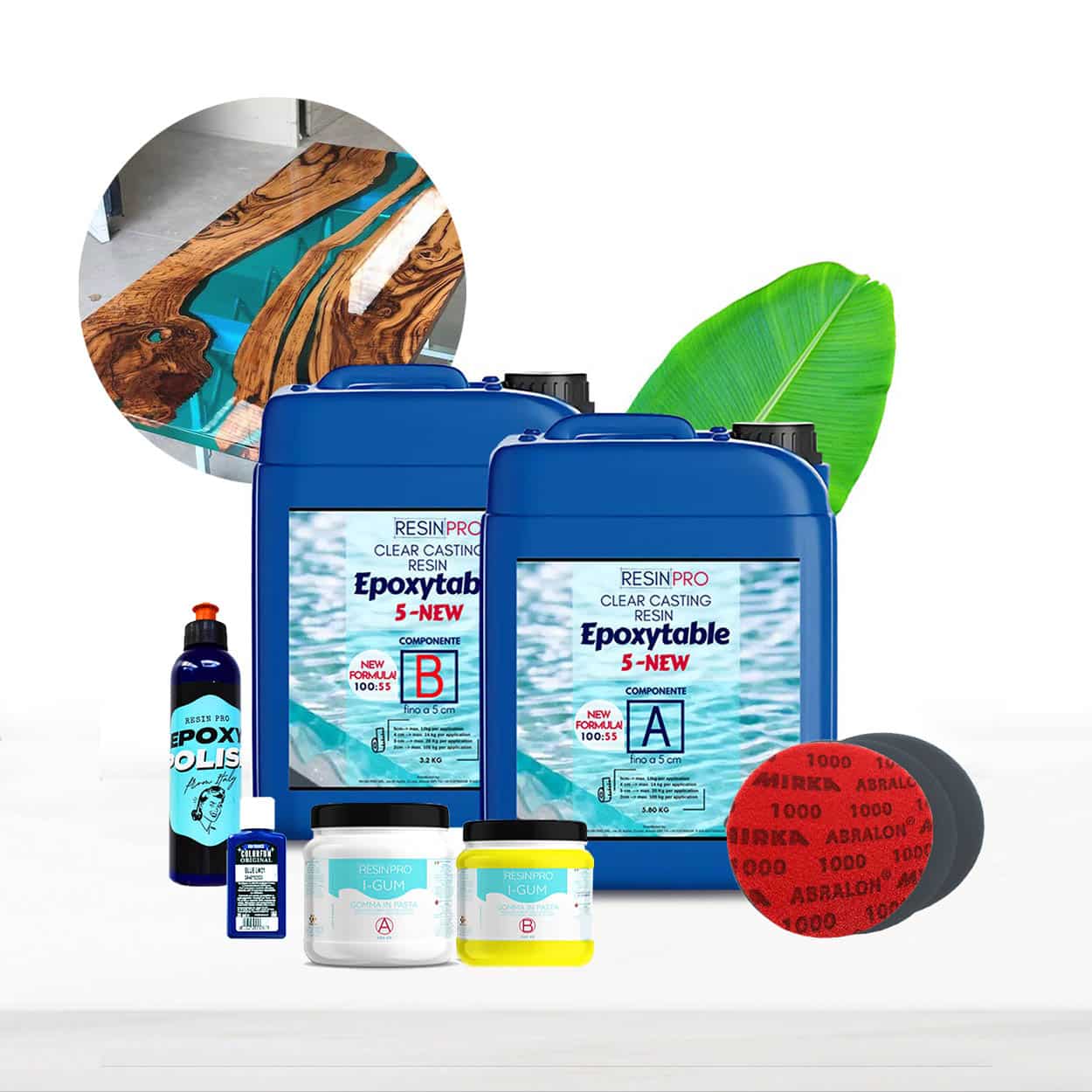
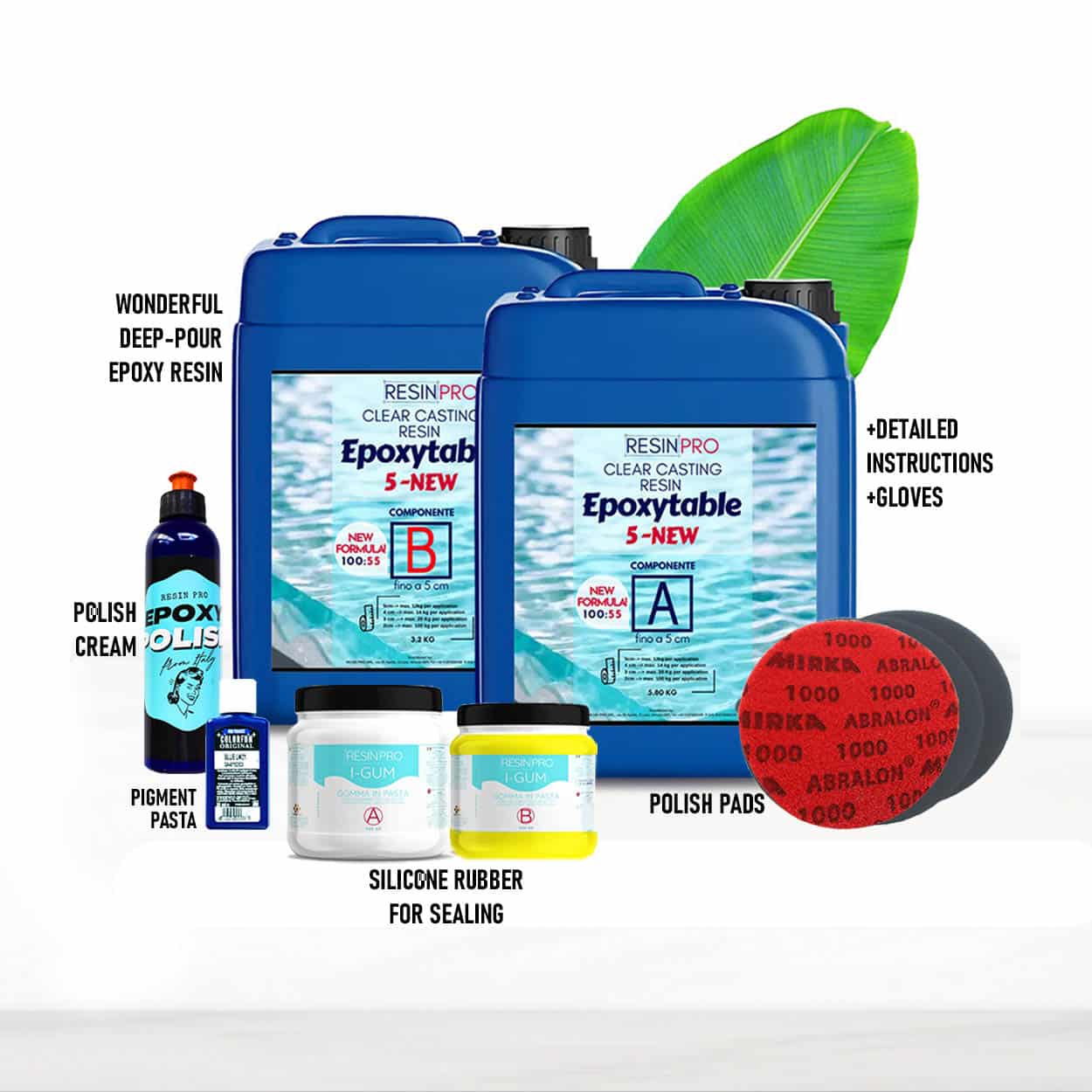
- “River-Table” – Complete Kit for Creating Your First Epoxy Resin Table: Contains everything needed for larger resin-wood projects.
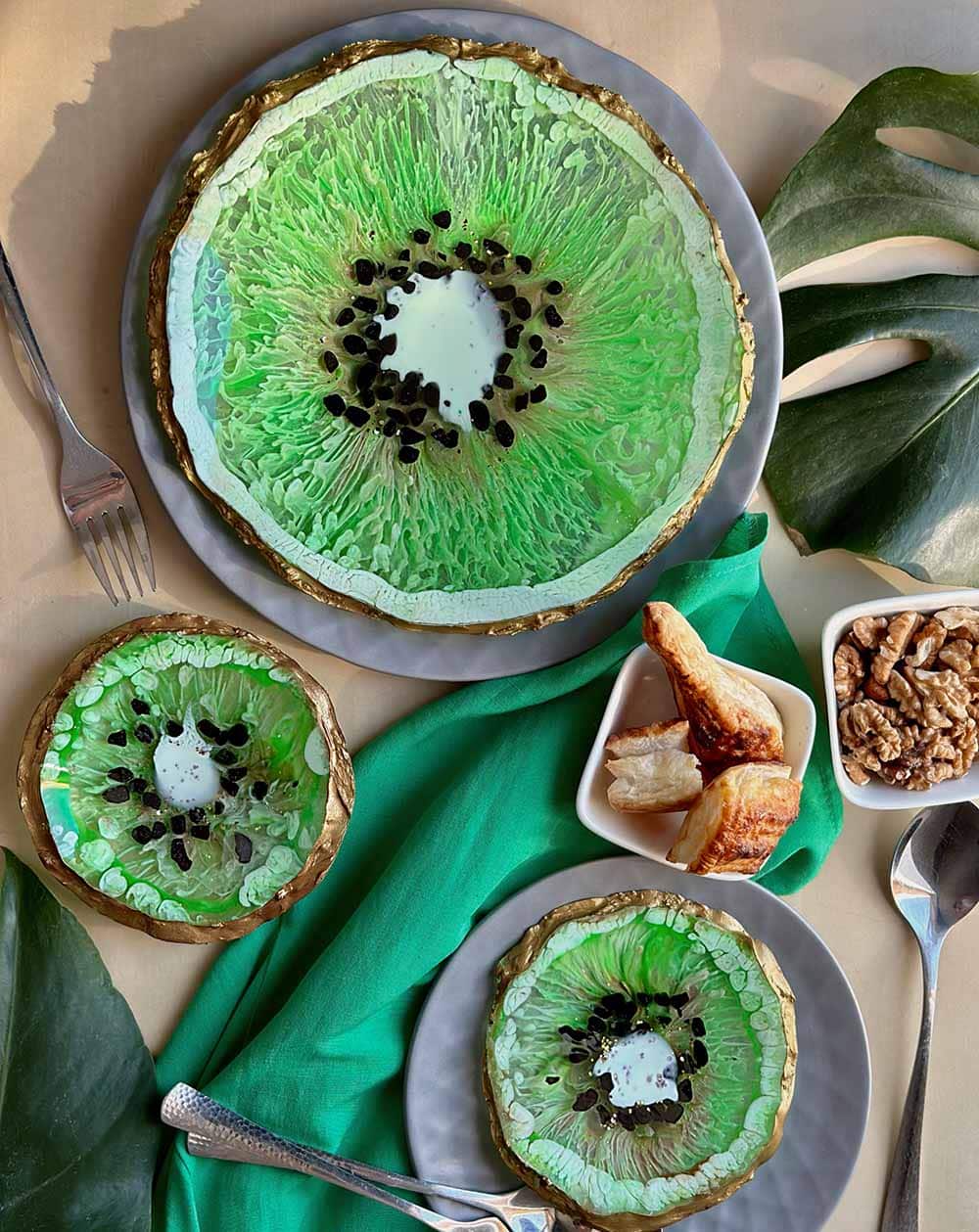
- Free Step-by-Step Lesson “Kiwi Coasters” by Natalia Natirum: Instructional resource with detailed techniques for making coasters and trays.
- Mixing cups and sticks
- Nitrile gloves, protective apron, and mask
- Silicone or plastic moulds (project dependent)
- Pigments, dyes, or accessories for personalisation
See Resin Project Examples
View finished resin art and project inspirations from simple jewellery to large decorative tables. Explore how resin’s clarity and colour can be used for striking effects. Visit our masterclass section for real-world examples and advanced tips.

Step 1: Prepare Your Workspace and Safety Materials
Set up your workspace on a flat, stable surface, ideally covered with disposable plastic or silicone mats for easy cleaning. Ensure the area is well-ventilated and free from dust or debris that could settle into the resin. Safety is paramount: Always wear gloves and work in a well-ventilated space. Protective aprons and masks are also recommended, especially when handling coloured pigments or sanding cured resin.
Before beginning, gather all required tools so that everything is easily accessible. Read the instructions on your chosen resin product thoroughly—different resins may have slightly varying requirements for mixing and curing.
Step 2: Accurately Measure Resin and Hardener
Understanding the mixing ratio for your resin is crucial for success. Most beginner-friendly resins, like the “One-2-One” – Epoxy Resin for Handcraft, have a straightforward 1:1 mixing ratio by volume. For best results, use accurate measuring cups or syringes—never estimate by eye, as incorrect proportions can cause the resin to remain sticky or not cure.
Measure your resin and hardener with precision. Pour the required amount of each part into separate containers, then combine them according to product instructions. If you’re following a project like the Evershine Collection jewellery kit, detailed guidelines are included to make mixing even easier for beginners.
Step 3: Mix Resin and Hardener Thoroughly
Once your components have been measured, pour them together in a clean mixing cup. Stir gently and consistently for the time recommended—usually 2–3 minutes for smaller projects, using a wooden or silicone stick. Mix slowly and thoroughly to prevent bubbles. Scrape the sides and bottom of the cup as you go.
Inadequate mixing is a common mistake that leads to tacky or partially cured resin. Take your time, as rushing this step risks imperfections in your finished piece. Kits like the River-Table Complete Kit come with clear instructions for best mixing practices for larger volumes.
Step 4: Pour Into Moulds or Project Forms
Once fully blended, carefully pour your resin mixture into your chosen moulds or onto your project surface. For deep or intricate pours, consider working in multiple thin layers to avoid excessive heat build-up and minimise bubbles. Pour in thin layers for an even cure. Use a toothpick or small torch to remove surface bubbles if working on detailed pieces.
You can personalise your work at this stage by adding pigments, dyes, or embedments such as flowers or metallic flakes. The Kiwi Coasters step-by-step lesson demonstrates creative techniques in coloured resin projects.

Step 5: Cure and Finish Your Resin Project
Allow the poured resin to cure undisturbed in a dust-free environment. Curing times depend on the product and temperature—most resins set within 24–48 hours at room temperature, but always follow your product instructions. Allow generous curing time at room temperature.
Once cured, demould gently. If the finish isn’t as smooth as you’d like, many resin kits include polishing components and sandpapers for a glassy, professional look. For full resin tables or complex shapes, kits such as the River-Table Complete Kit provide additional guidance for finishing and polishing.
Tips and Troubleshooting for Resin Making
Plan each project step ahead to ensure smooth execution and minimise waste. Avoid introducing moisture, as it can cause cloudiness in resin. Address bubbles by mixing slowly and popping surface bubbles with a torch or heat gun after pouring. If your resin does not cure as expected, check your measurements and mixing, as incorrect ratios or under-mixing are the most common culprits.
Try starting with smaller, beginner projects—such as coasters or jewellery—before progressing to larger pieces like tables. Many resources, including the free Kiwi Coasters lesson, offer invaluable insights for those just entering the world of resin crafting.
Visual Guide to Common Mistakes
Observe real outcomes from mixing errors, trapped bubbles, or hasty demoulding. Comparing common beginner issues helps you refine your own process. Additional troubleshooting visuals and expert advice are available in every complete kit.

- Free Step-by-Step Lesson "Kiwi Coasters" by Natalia NatirumOriginal price was: £99.00.£0.00Current price is: £0.00.Free video tutorial on creating resin coasters and trays resembling kiwi, suitable for the How do you make resin? theme.
- "River-Table" – Complete Kit for Creating Your First Epoxy Resin TablePrice range: £188.85 through £444.85"River-Table" kit provides the materials and instructions to make a resin and wood table, suitable for beginners exploring resin projects.
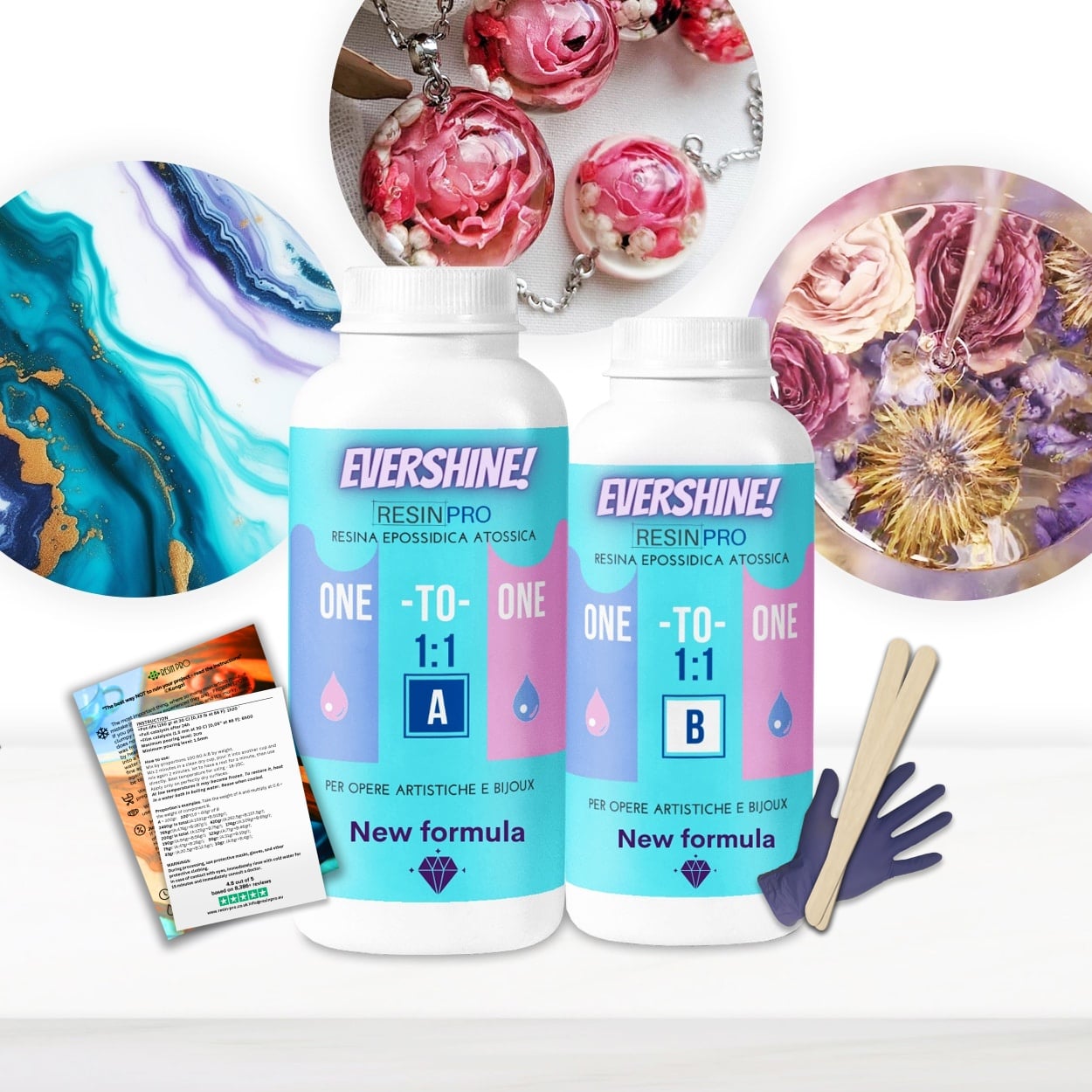 "One-2-One" – Epoxy Resin for Handcraft, 1:1 Mixing RatioPrice range: £14.85 through £56.85"One-2-One" epoxy resin offers an easy 1:1 mixing ratio and is suitable for handcraft and decorative projects.
 "Evershine Collection" – Artisan Jewellery Epoxy Resin Kit with 100+ Accessories£20.85"Evershine Collection" offers a complete epoxy resin jewellery kit with 500g clear resin and various accessories, suitable for beginners and craft…
Frequently Asked Questions
What safety equipment is recommended for making resin?
Always use gloves and work in a ventilated area. An apron and mask are advisable when sanding or colouring resin.
How can I avoid bubbles forming in my resin pours?
Mix slowly, pour in thin layers, and use a torch or heat gun to pop surface bubbles.
What is the difference between 1:1 and 3:2 mixing ratios?
A 1:1 ratio is equal parts resin and hardener by volume, while 3:2 is by weight and often gives a harder result.
Can I use kitchen or household scales to measure resin?
For resins measured by weight, accurate digital scales are needed. For 1:1 resins, use precise measuring cups.
How long does epoxy resin take to cure?
Most resins cure in 24–48 hours at room temperature. Full hardness may be reached after several days.
Which type of resin is easiest for beginners to use?
Epoxy resins with a 1:1 mixing ratio, like "One-2-One", are simplest for new users.
Are silicone moulds reusable for resin crafting?
Yes, silicone moulds can be reused many times if cleaned properly after each use.
Why is my cured resin sticky or soft?
Sticky or soft resin usually results from incorrect mixing ratios or under-mixing. Always follow product instructions.