 Free shipping on orders over £29,85
  Shipping Tracking!


 Google
 Facebook
← Back to How to achieve the same effect as two-component resin?
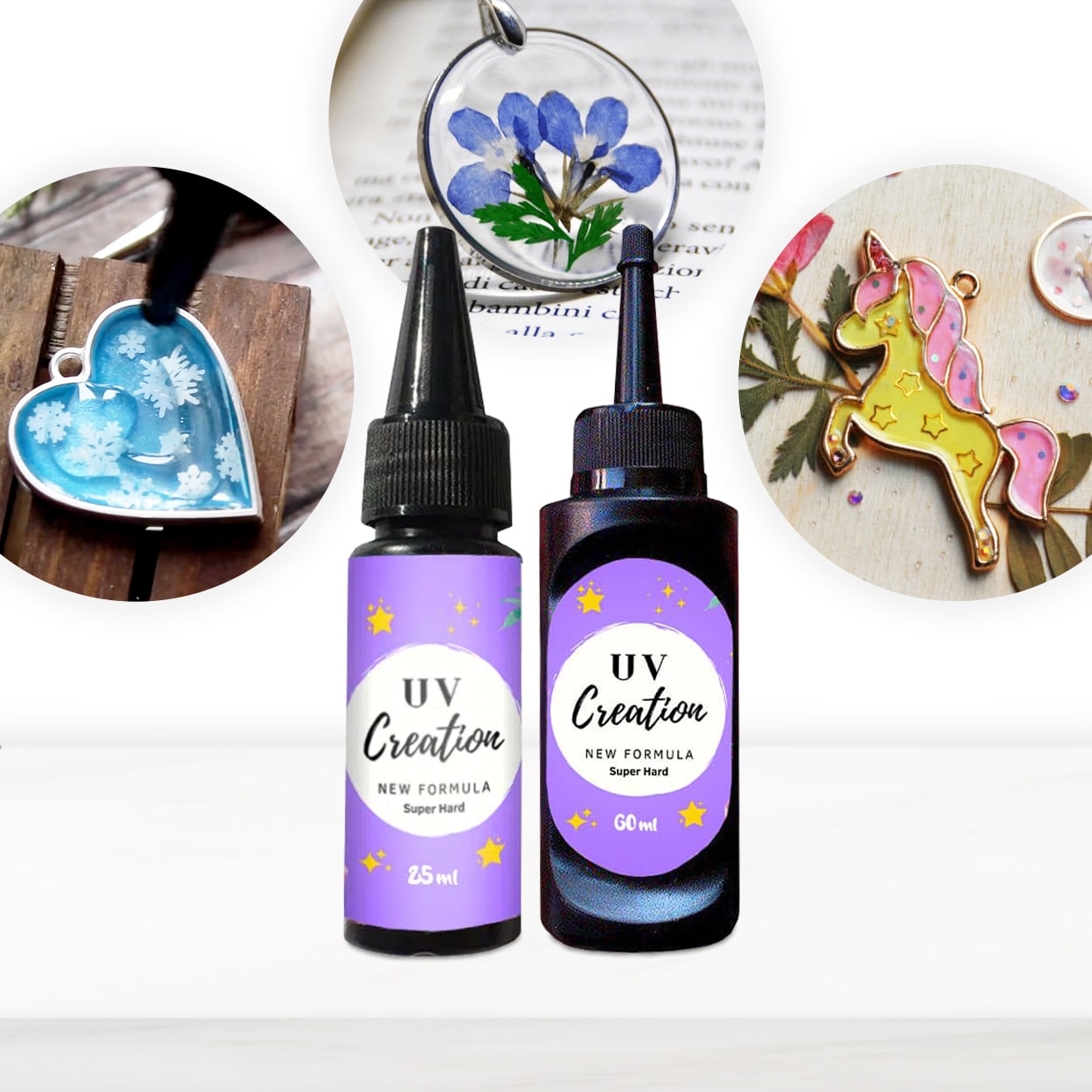
Achieving a smooth, consistent finish with any two-component resin or UV alternative starts with thorough surface preparation. This ensures your project is free from flaws and that the resin bonds effectively, providing long-lasting and impressive results.
Why Surface Preparation Is Key
Properly prepared surfaces help prevent common issues such as air bubbles, uneven finishes, or weak adhesion. Cleaning and priming your base can be the difference between a flawless result and a disappointing one, whether you’re casting, coating, or crafting with resin.
Step-by-Step Surface Preparation Guide
- Clean thoroughly: Remove all dust, grease, and residues with a gentle detergent or isopropyl alcohol. Let the surface dry completely before moving on.
- Sanding for better adhesion: Lightly sand glossy or very smooth surfaces. This gives the resin a subtle tooth to bond to, especially important with plastics or coated items.
- Final dust-off: Wipe away any sanding particles using a lint-free cloth. Even tiny debris can affect the final finish.
Once the surface is ready, you can proceed with your chosen resin system. For example, UV–Creation Resin bonds best when surfaces are meticulously clean and free of oil or moisture.
When This Matters Most
Attention to surface preparation is especially vital when working with detailed moulds, jewellery, or 3D printed models. These applications demand a flawless bond and a clear, bubble-free appearance—requirements easily undermined by shortcuts during prep.
Related products
Related guides
Investing a few extra minutes in surface preparation greatly improves results, whether you’re using two-component systems or modern UV resins. For more guidance on mastering resin effects, see all tips at How to achieve the same effect as two-component resin?