 Free shipping on orders over £29,85
  Shipping Tracking!


 Google
 Facebook
← Back to How to use epoxy putty?
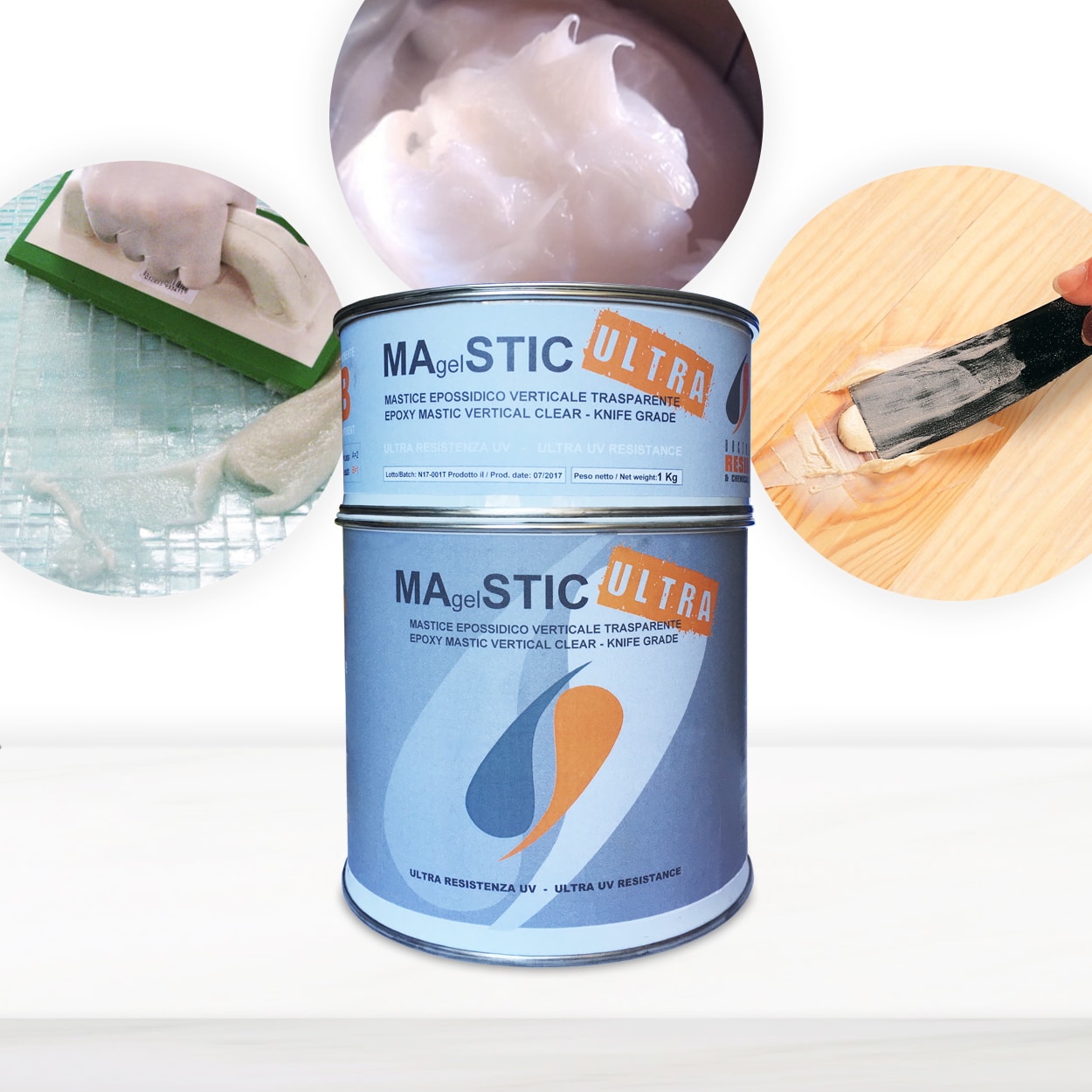
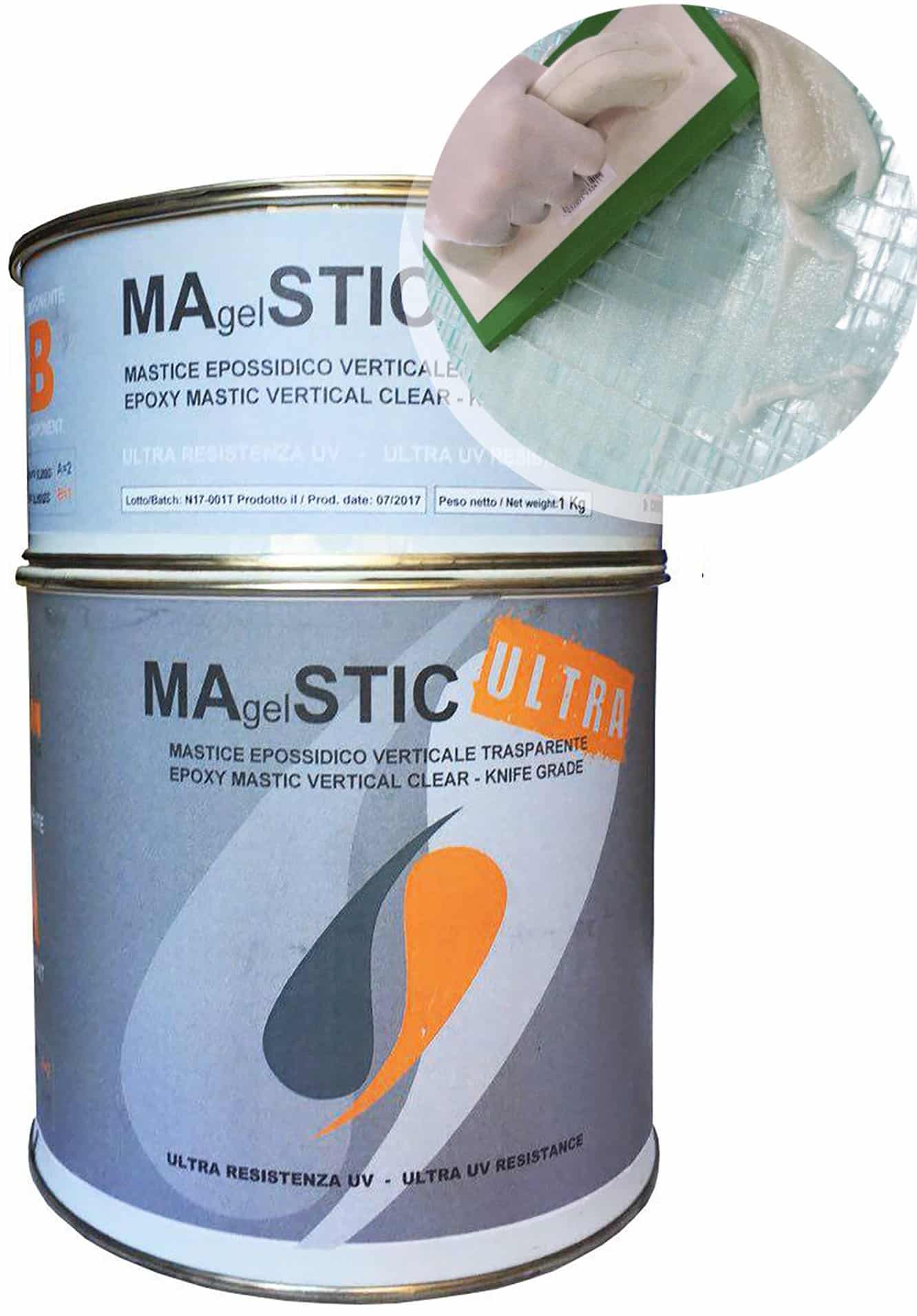
Pressing epoxy putty firmly into cracks and gaps is a crucial step in achieving lasting repairs, especially on stone, metal, or cement surfaces. A careful approach helps ensure complete, resilient fills for restoration or bonding projects.
Why Firm Pressing Is Essential
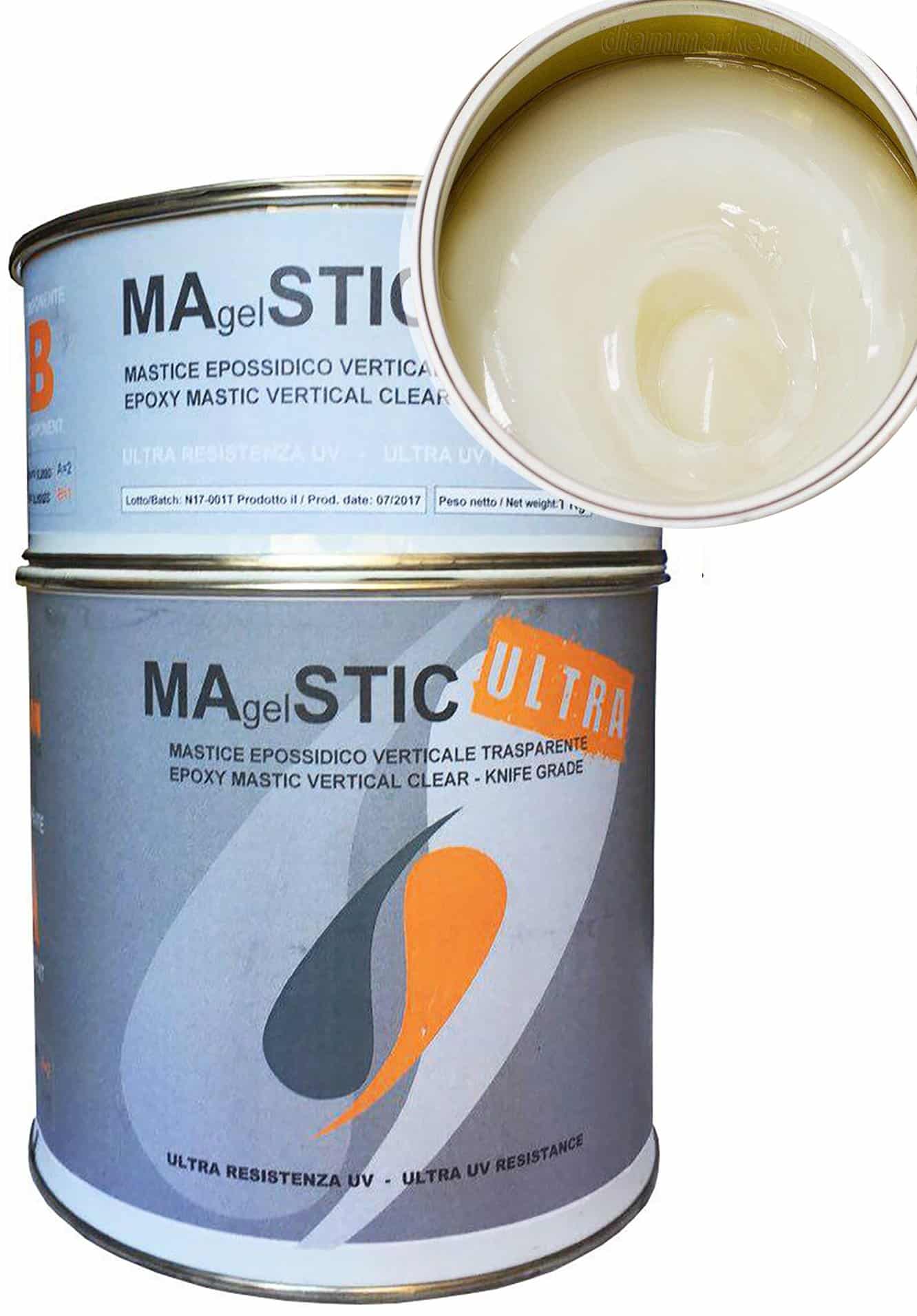
For an epoxy putty like Magelstick Epoxy Mastic, pressing the mixed putty into cracks and gaps ensures optimal contact with all surfaces. This action not only fills small voids but also creates a strong mechanical bond. The thixotropic formula of high-grade epoxy mastics prevents the material from sagging or running, making it ideal for upright or irregular areas.
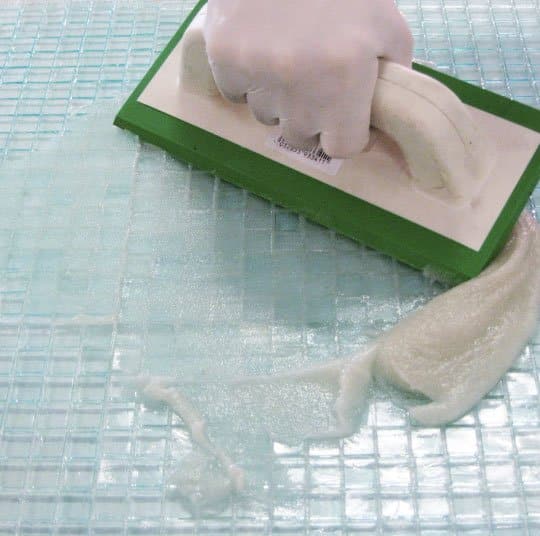
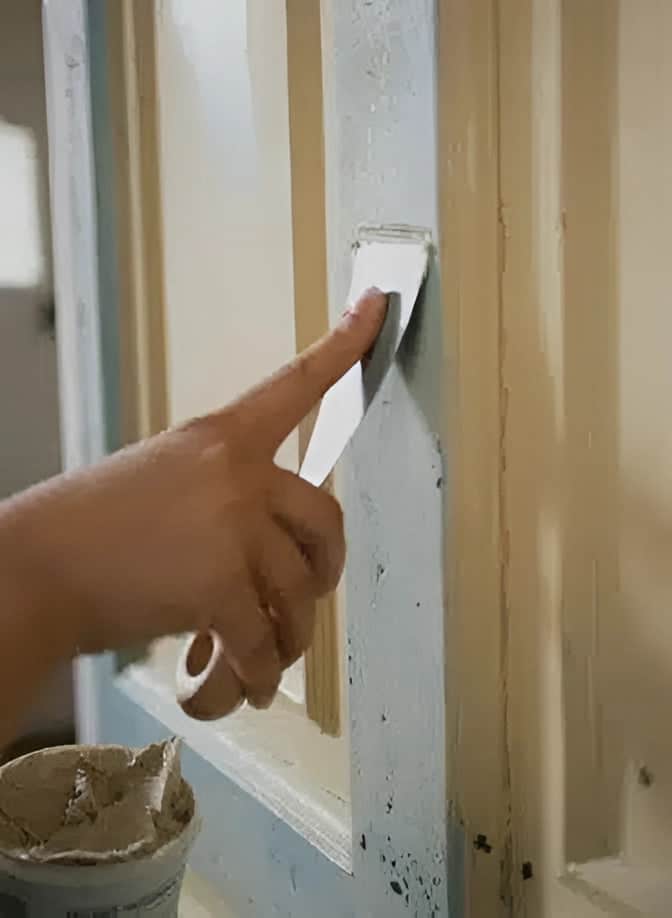
Best Methods for Application
After mixing the epoxy according to the recommended ratio (Magelstick uses 100 parts epoxy to 50 parts hardener by weight), knead it until a uniform colour is achieved. Take a small amount of the putty and use your fingers or a spatula to press it directly into the crack or gap, working it deep to eliminate air pockets. For intricate joints or awkward spaces, tools such as spatulas can help you apply consistent pressure for a smooth, seamless finish.
When This Matters Most
Firm application is especially important when repairing load-bearing structures or exterior features exposed to weather. Thorough pressing maximises the putty’s mechanical grip, helping to protect against loosening, shrinkage, or moisture ingress over time.
Related products
Related guides
Mastering the technique of pressing epoxy putty into cracks and gaps is key for resilient repairs on stone, metal, or cement. Find more practical guidance and solutions on the How to use epoxy putty? page.