 Free shipping on orders over £29,85
  Shipping Tracking!


 Google
 Facebook
How to use epoxy putty?
Achieve durable repairs on stone, metal, and more with epoxy putty.
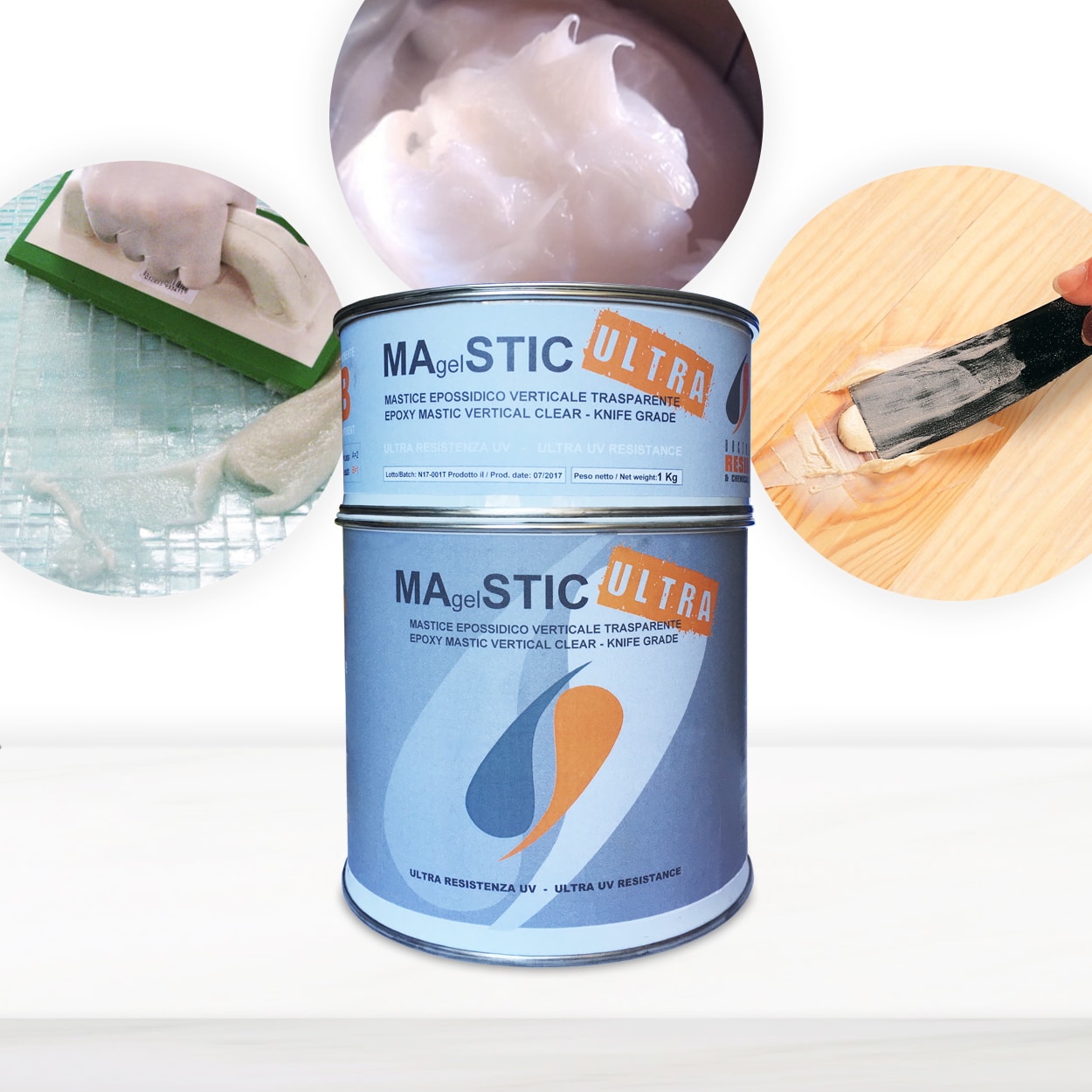
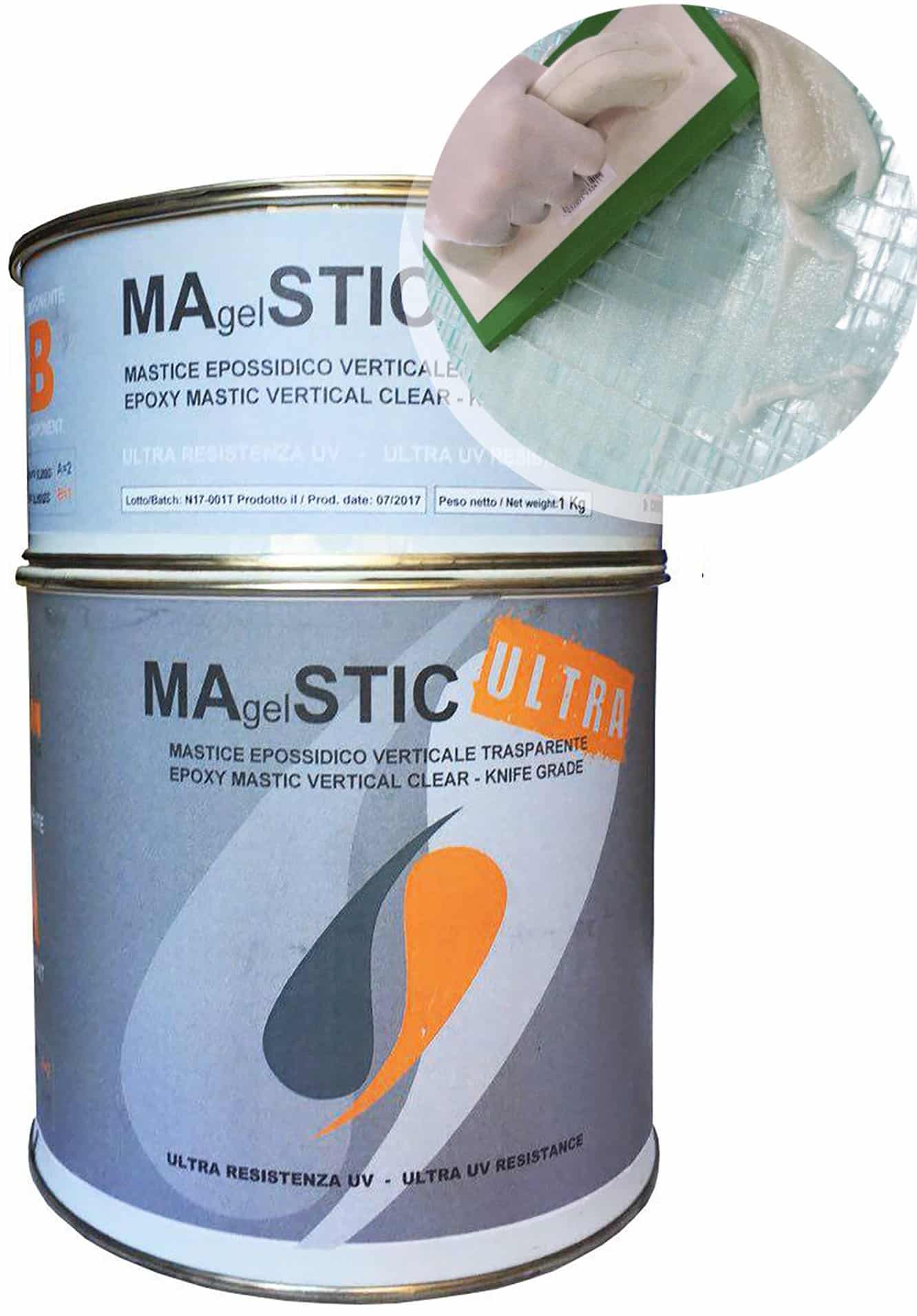
Epoxy putty offers a practical solution for repairing, bonding, and restoring various surfaces—such as stone, metal, and cement. Learning the correct technique ensures robust repairs that stand the test of time, whether you’re a professional or a dedicated DIYer. This guide breaks down the essential steps and tips needed for successful epoxy putty application in construction, home improvement, or craft scenarios.
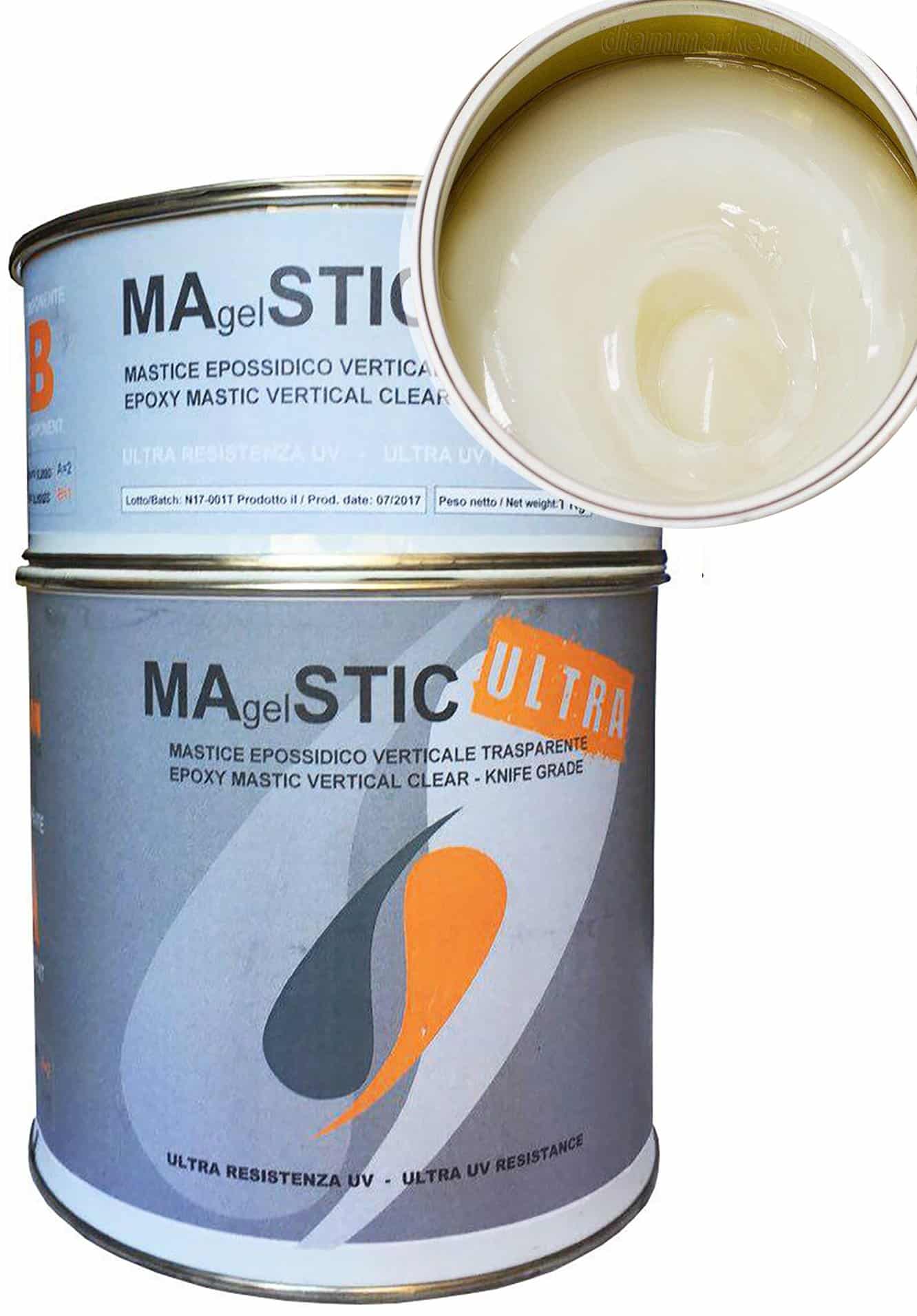
What You’ll Need
- “Magelstick” – Epoxy Mastic for Stone, Metal, and Cement Bonding and Grouting: A bi-component epoxy putty ideal for bonding and grouting stone, metal, and cement.
- Tooth Shaped Spatula for Epoxy Resin Application: Helpful for spreading and smoothing the putty evenly on surfaces.
- Nitrile gloves and protective clothing for safe handling
- Cleaning materials (cloths, isopropyl alcohol)
- Mixing surface or board
- Sanding block or fine abrasive (optional, for finishing)
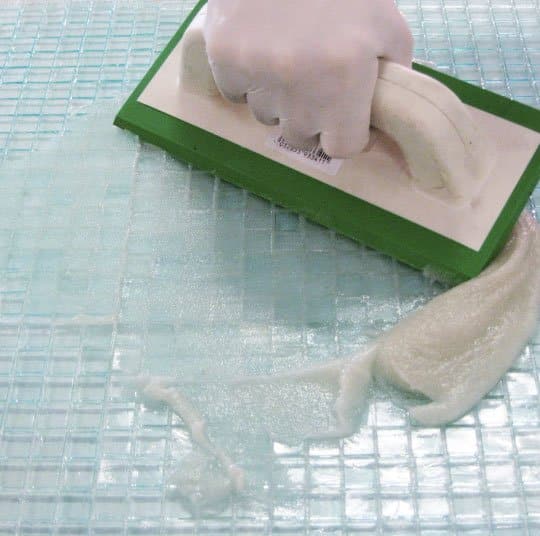
Practical Tools for Epoxy Putty
Choose well-designed spatulas and reliable measuring aids to make mixing and spreading epoxy putty easier and more precise. Dedicated tools help avoid waste and ensure an even, professional-quality repair every time.
Step 1: Prepare the Surface Thoroughly
Start by ensuring the area to be repaired is clean, dry, and free from loose particles, dust, oil, or grease. Use a stiff brush or cloth to clear debris, and degrease the surface with isopropyl alcohol for optimal adhesion. Any contaminants left behind can interfere with bonding and shorten the repair’s lifespan.
Wear gloves and work in a ventilated area to prevent skin contact and inhalation of fumes.


Step 2: Measure and Mix the Epoxy Putty
Carefully read the product instructions for your selected epoxy putty. For example, with “Magelstick” – Epoxy Mastic for Stone, Metal, and Cement Bonding and Grouting, measure out the two components in the correct ratio (typically 100:50 by weight). Place equal parts of each component onto a clean mixing surface.
Use a spatula or gloved hands to blend the parts thoroughly until you achieve a uniform colour and texture with no visible streaks. Mix only as much putty as you can use in 10–30 minutes, as the material will begin to cure and become difficult to work with over time.
Step 3: Apply and Shape the Epoxy Putty
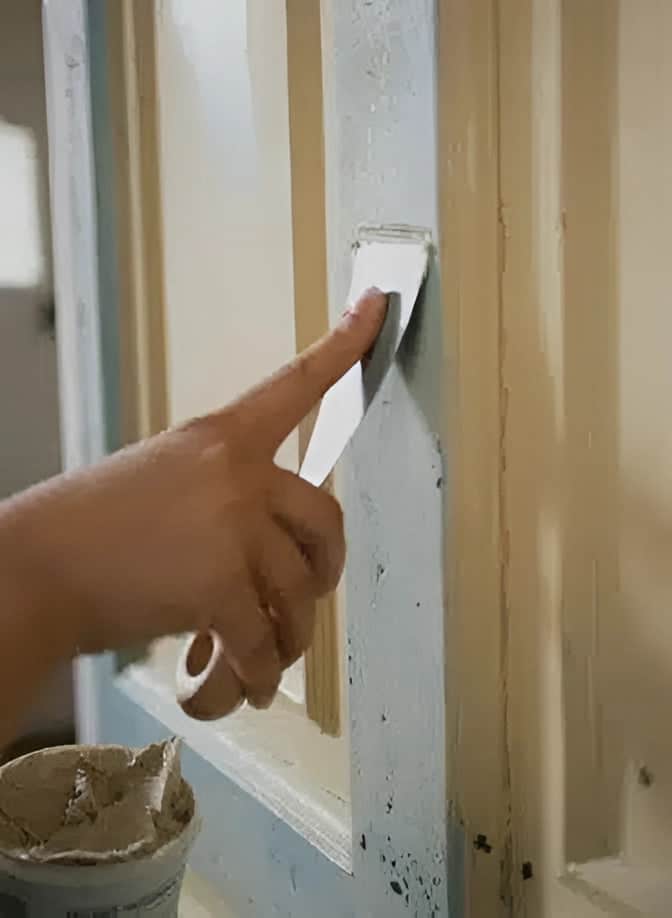
Press the mixed putty firmly into cracks, gaps, or over the area that needs repair. Make sure you completely fill the space to eliminate air pockets. Applying gentle pressure ensures maximum adhesion, particularly on textured or vertical surfaces.
For even application or when filling joints, use the Tooth Shaped Spatula for Epoxy Resin Application to help spread the putty smoothly and achieve a consistent thickness. Press the epoxy putty firmly into all cracks and gaps for a flawless seal.


Step 4: Shape, Smooth, and Finish Before Curing
Once the putty is in place, you have a limited window (usually up to 30 minutes) to sculpt and smooth the repair area. Shape excess material to match the surrounding surface, and use a spatula or a damp gloved finger for finishing touches. Sculpt and smooth the putty before it sets fully; after curing, sanding or reshaping becomes much harder.
Allow the putty to cure as per the manufacturer’s recommendations. Curing times can range from one hour to overnight depending on thickness, ambient temperature, and the specific product.
Tips, Pitfalls, and Troubleshooting Epoxy Putty Application
Always work within the product’s recommended temperature and mixing guidelines—application below 10°C may result in incomplete bonding. Avoid adding too much hardener or resin, as incorrect ratios can compromise strength. If the finish is rough once cured, lightly sand the area after full hardening for a professional result. Should you notice sticky or soft areas after curing, improper mixing was likely the cause—always mix until the putty is visually consistent. For outdoor or load-bearing repairs, confirm product suitability before use.

Expert Advice for Perfect Epoxy Putty Repairs
Check product compatibility for your material before beginning. Outdoor repairs or vertical surfaces often require thixotropic or UV-resistant epoxy putties for best durability. Always follow curing recommendations for lasting results.
- "Magelstick" – Epoxy Mastic for Stone, Metal, and Cement Bonding and GroutingMagelstick Epoxy Mastic is designed for professional gluing and grouting of stone, metal and cement in both interior and exterior use.
- "Klebfix" – Two-Component Fast Epoxy Glue 2K, 25g Syringe£24.00Klebfix is a fast-setting two-component epoxy glue designed for reliable, professional-strength bonding for repairs on various materials.
- Tooth Shaped Spatula for Epoxy Resin Application£3.45Tooth Shaped Spatula designed for precise and smooth epoxy resin application on various surfaces.
- "FixExpress" – Two-Component Epoxy Glue 500g£26.95FIX EXPRESS epoxy glue is designed for strong bonds and quick repairs on diverse materials with clean, fast application.
Frequently Asked Questions
How should surfaces be prepared before applying epoxy putty?
Surfaces must be clean, dry, and free from grease or dust to ensure a secure bond with the epoxy putty.
What is the correct mixing ratio for epoxy putty?
Always follow the manufacturer’s instructions; typically, ratios such as 100:50 by weight are required for a proper cure.
Is epoxy putty suitable for exterior repairs?
Yes, many epoxy putties are designed to withstand weather and UV, but check product specifications for confirmation.
How long does epoxy putty take to cure?
Curing can range from an hour to overnight depending on the product, thickness, and ambient conditions.
Can you sand or shape epoxy putty after curing?
Yes, once fully cured, epoxy putty can be sanded and shaped for a smooth, finished appearance.
What are common mistakes when using epoxy putty?
Mixing errors, poor surface preparation, and working at low temperatures may all cause weak repairs or incomplete curing.
How can you prevent sagging with epoxy putty on vertical surfaces?
Use a thixotropic product designed to stay in place, and do not exceed recommended thickness in a single application.