 Free shipping on orders over £29,85
  Shipping Tracking!


 Google
 Facebook
← Back to How to make resin cabochons?
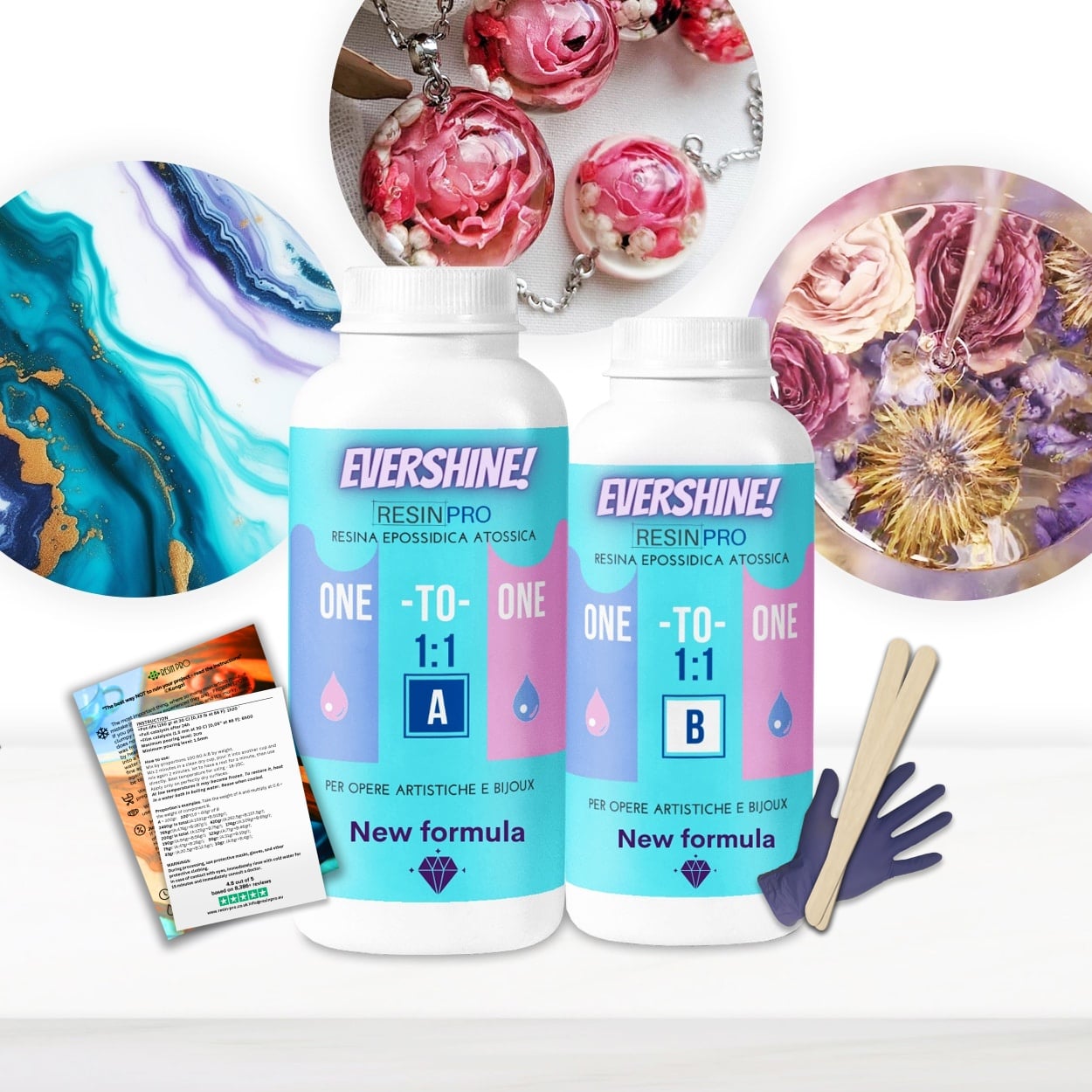
Bubbles in resin cabochons can diminish their clarity and polish, but with a few practical steps, you can achieve beautiful, glass-like results every time.
Why Do Bubbles Form in Resin?
Bubbles typically appear when mixing resin and hardener or when pouring resin into a mould. Air gets trapped during stirring, or in detailed moulds, and rises to the surface as the resin settles. Even high-quality, easy-mix resins can experience this, so prevention and removal techniques are vital for a flawless finish.
Effective Techniques for Bubble Removal
- Use a toothpick: After pouring, use a toothpick to gently coax visible surface bubbles to the edge of the cabochon, allowing them to burst.
- Apply gentle heat: Briefly pass a heat gun or gently blow through a straw just above the resin. This helps surface bubbles to rise and pop without disturbing your design. Always use low heat to avoid damaging the mould or overheating the resin.
- Let the resin rest: Allowing the resin to rest for a few minutes before covering and curing lets trapped air rise naturally, making removal easier.
Practical Tips for Clearer Cabochons
- Choose a suitable resin: Some formulas, such as the One-2-One Epoxy Resin, feature medium viscosity and are easier to degas, ideal for jewellery makers who want fewer bubbles in their cabochons.
- Pour slowly: Pouring resin slowly into your mould minimises new bubbles forming.
- Work in a dust-free area: Once bubbles are removed, prevent new ones (or dust) from settling by covering your project as it cures.
When Bubble Removal Matters Most
If you are casting clear cabochons for jewellery or making gifts that highlight inclusions like dried flowers, eliminating bubbles is especially important for professional clarity and beauty.
Related products
Related guides
Mastering effective bubble removal helps you create crisp, clear resin cabochons worthy of professional designs. For more in-depth guidance, visit our main page on how to make resin cabochons.