 Free shipping on orders over £29,85
  Shipping Tracking!


 Google
 Facebook
← Back to How to repair an aluminum oil pan with resins?
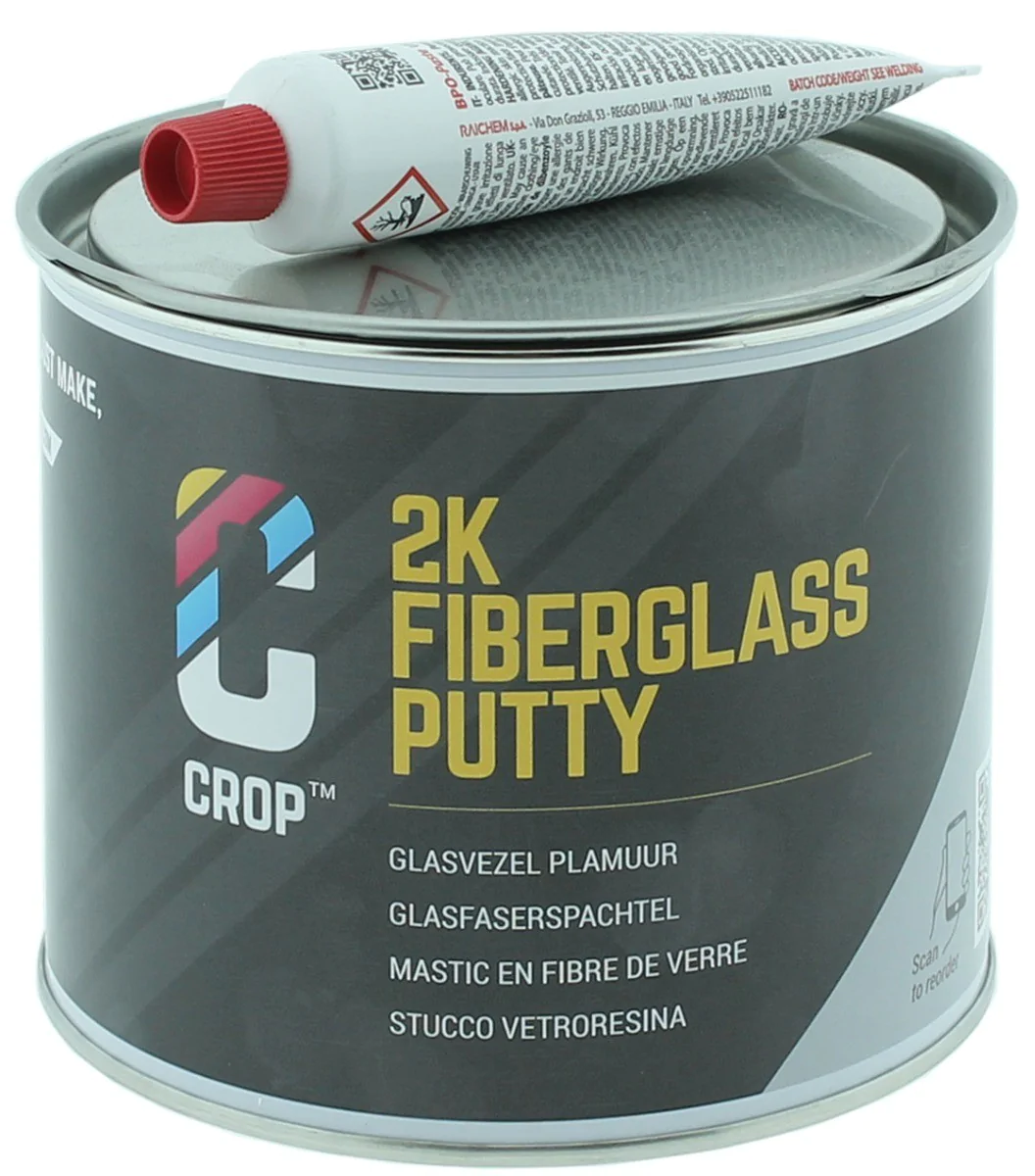
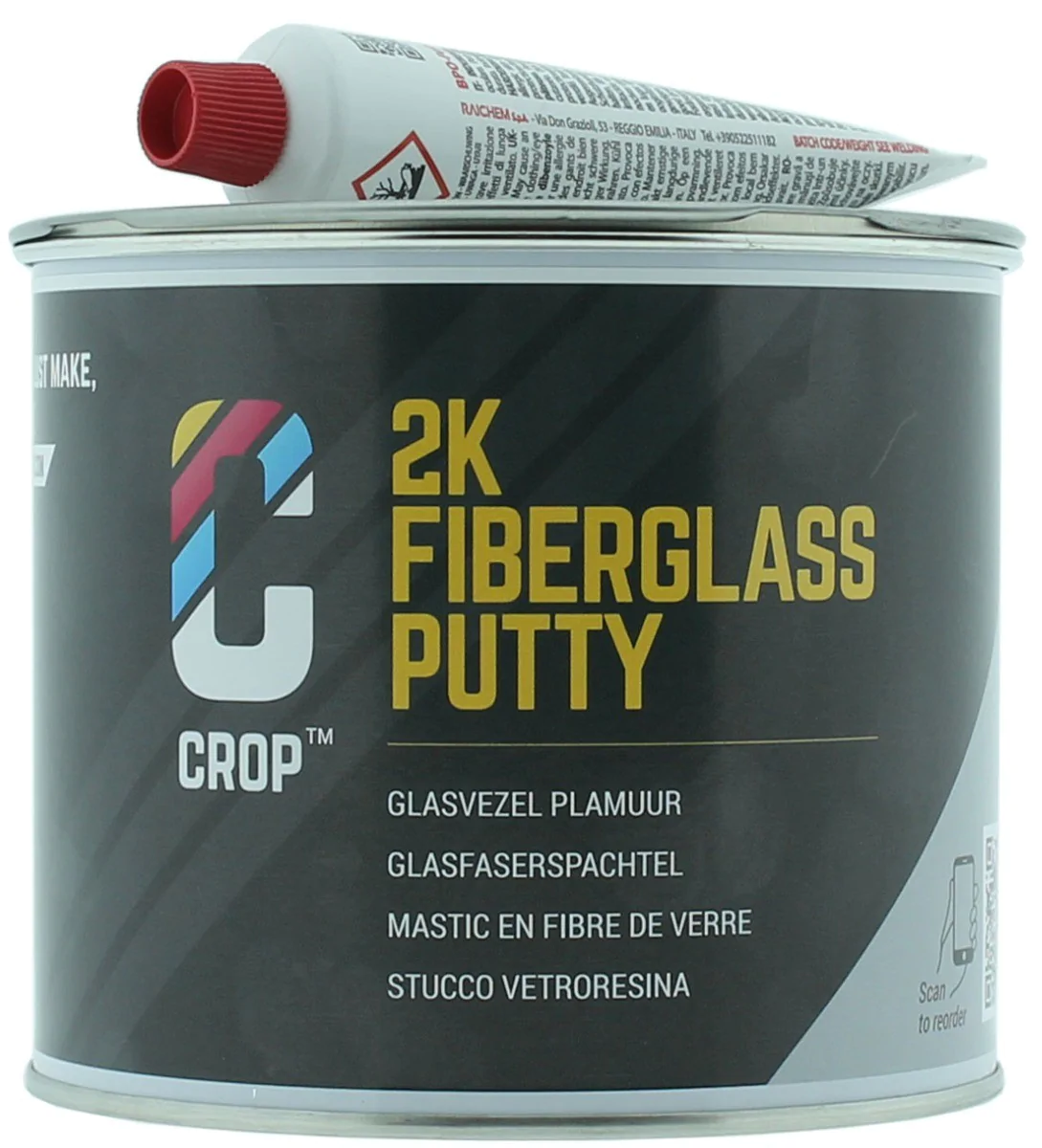
When considering a resin repair for a damaged or cracked aluminium oil pan, many wonder if removal from the vehicle is truly necessary. Although repairing in place may sound more convenient, removal can make a significant difference in the outcome of your repair.
Why Removing the Oil Pan Makes a Difference
Taking the oil pan off the vehicle gives you clear and direct access to the damaged area. This makes it much easier to thoroughly clean and prepare the metal surface, both of which are essential for good resin adhesion. Attempting a repair while the oil pan is still installed risks oil contamination, hidden cracks or residues that could interfere with curing and long-term durability.

Preparing for a Quality Resin Repair
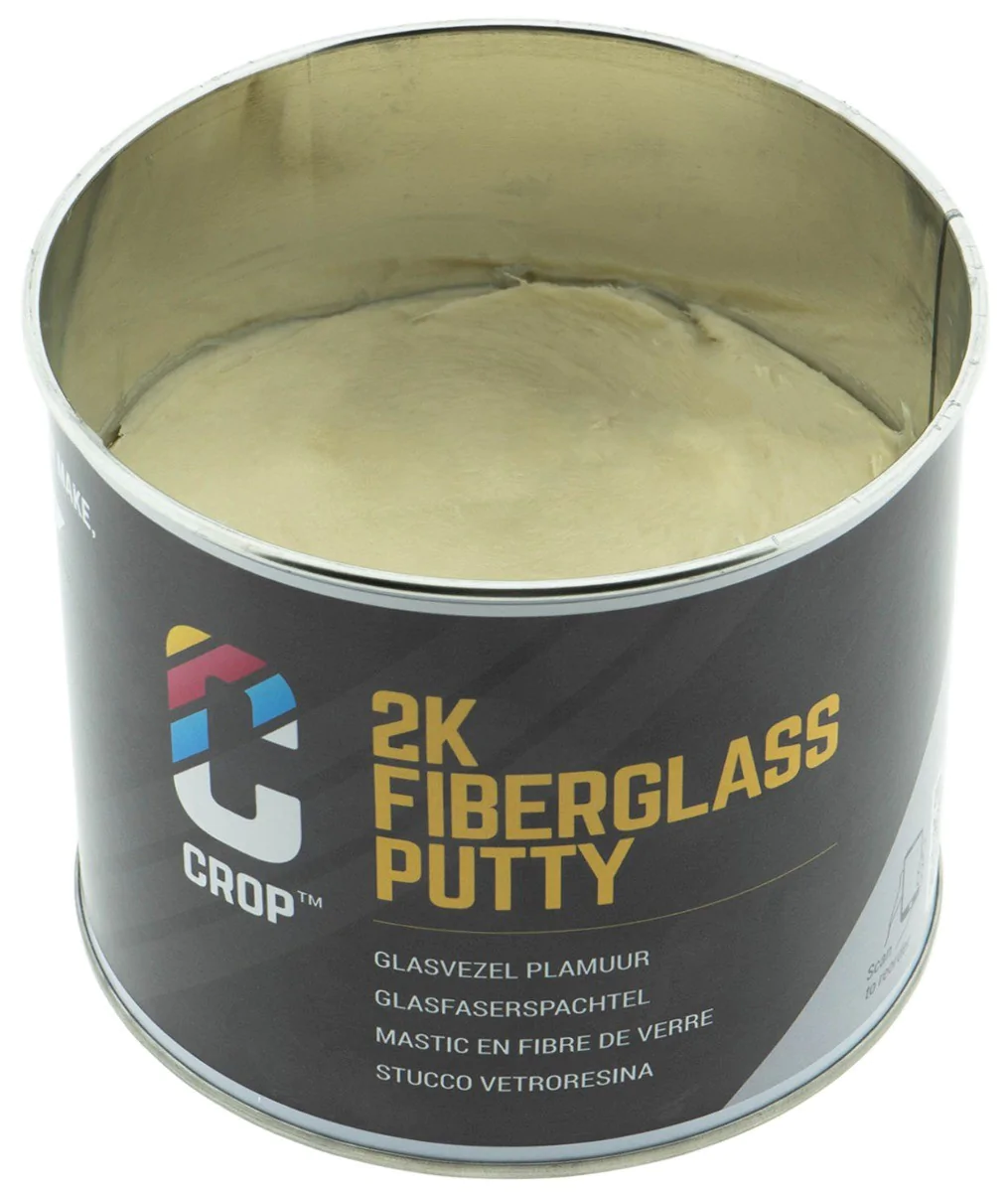
After removing the oil pan, it’s important to clean away all traces of oil, grease, and debris. Degreasing and lightly sanding the area provide an ideal base for resin or fibreglass putty. Using a specialist product like CROP 2K Fiberglass Putty can help fill cracks and cavities with reinforced strength, making it well matched for the mechanical stresses oil pans endure.
When This Matters Most
If the damage is significant—like a split seam or a larger crack—removing the oil pan is especially important to check the full extent and to apply a long-lasting, neat repair. For smaller chips or surface nicks, leaving the pan in place risks missed leaks or ongoing weakness due to inadequate cleaning or resin coverage.
Related products
Related guides
In short, for a reliable and long-lived resin repair, removing the aluminium oil pan is highly recommended. For more detailed advice and repair solutions, see our main guide on how to repair an aluminium oil pan with resins.