 Free shipping on orders over £29,85
  Shipping Tracking!


 Google
 Facebook
← Back to Does resin bound gravel require maintenance?
Resin bound gravel and pebble floors are admired for their attractive, hard-wearing finish and low upkeep. Yet homeowners often wonder whether these surfaces ever need resealing to stay looking fresh and protected.
When Resealing Is Recommended
For most domestic outdoor areas, such as driveways and patios with average foot traffic, regular resealing is usually unnecessary. Proper installation and care ensure a resin bound surface remains resilient for many years. However, for high-use spaces—like busy entrances, driveways with frequent vehicle access, or commercial settings—surface wear can develop over time. If the finish starts to appear dull or patchy, or if you notice dirt becoming harder to remove, it’s sensible to consider a protective sealer.
Choosing and Applying a Suitable Sealer
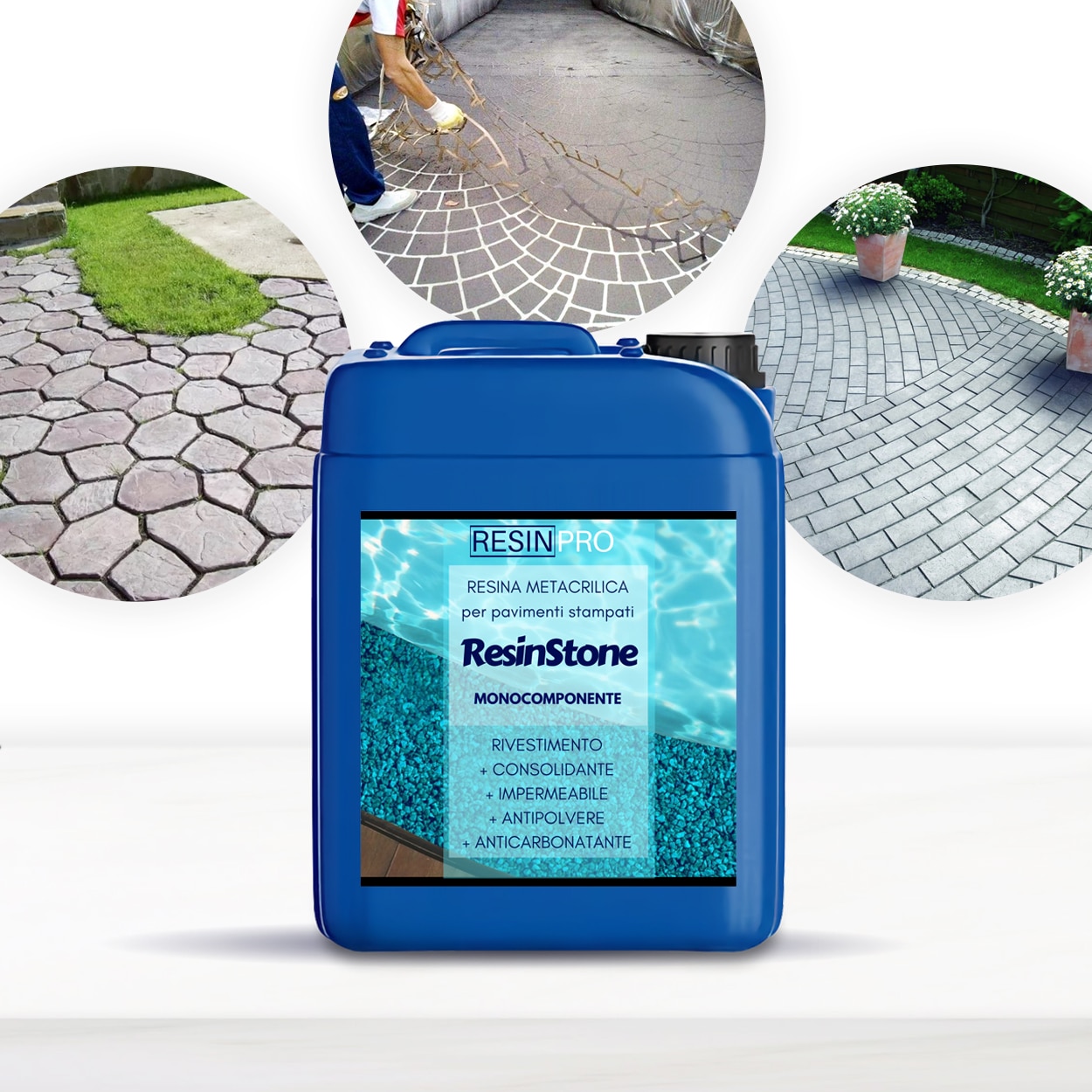
Not all sealers are suited for every resin bound floor, so always check product suitability for your surface type. Products such as Resinstone offer a protective, weather-resistant finish for concrete or resin-bound pebble areas. Typically, sealers are best applied with a roller or sprayer, following the manufacturer’s guide for coverage rates and conditions. Ensure the surface is clean and dry before starting, and avoid application in extreme temperatures or when rain is forecast.
When This Matters Most
- You have a resin bound surface exposed to heavy footfall or regular vehicle movement.
- Your floor is starting to lose its sheen or becomes increasingly difficult to clean.
- You want to proactively extend the surface’s lifespan and keep it looking smart, especially in high-visibility areas.
Related products
Related guides
While most resin bound gravel and pebble floors need minimal resealing in residential use, monitoring surface condition and acting early helps safeguard your investment. For broader maintenance tips, see our guide on resin bound gravel maintenance.